

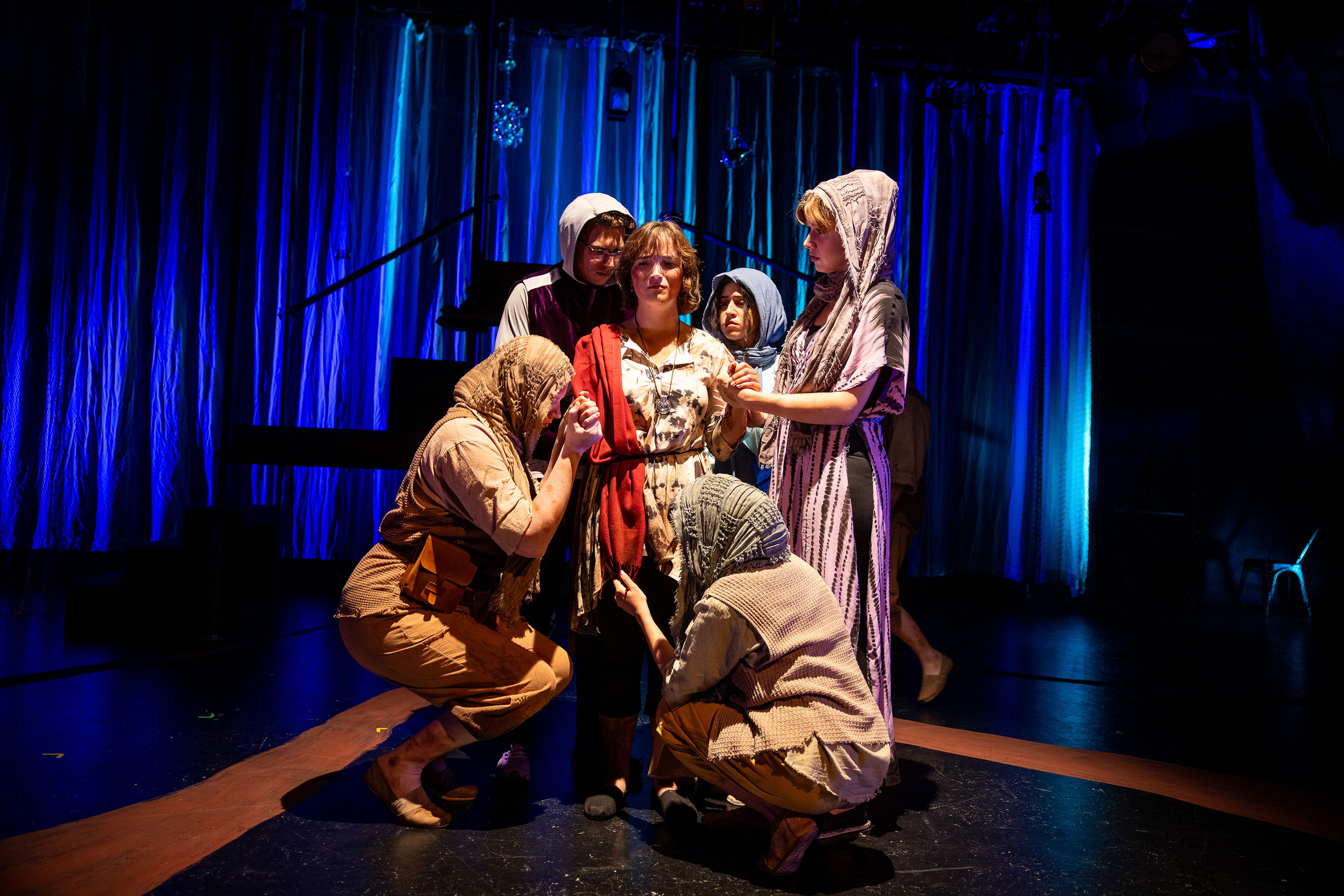
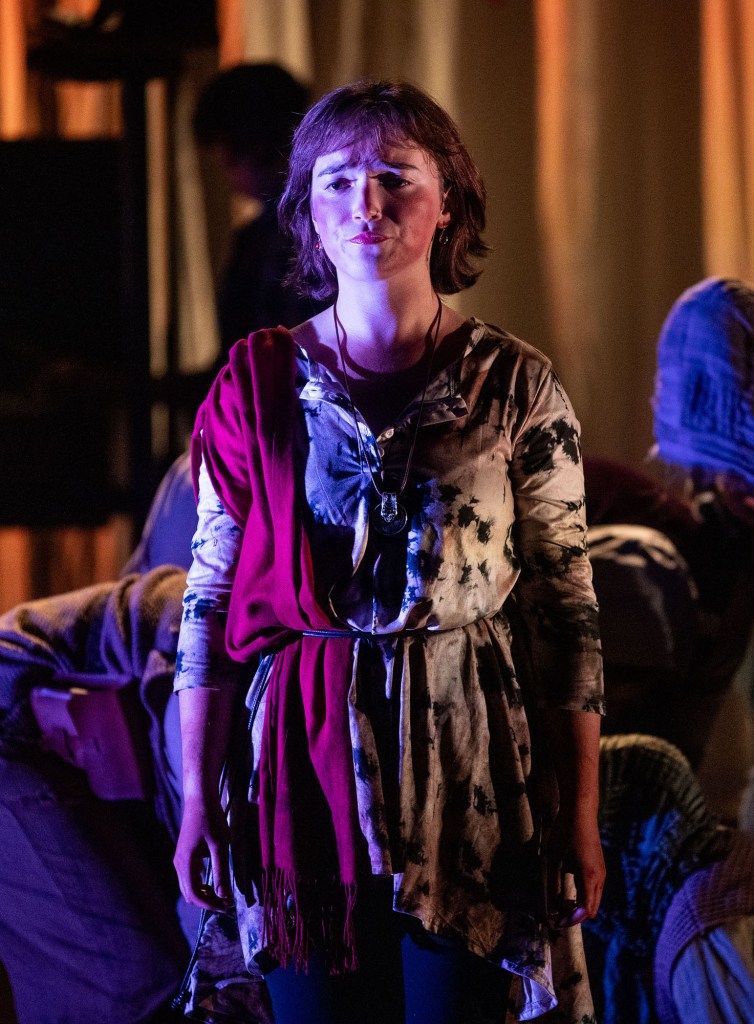
An integral character in Sophocles’s tragedies of Oedipus, Antigone is the daughter of the cursed king of Thebes (who famously self-mutilated after the discovery of his patricide and incestual relationship with his mother). In the wake of this horror, Oedipus goes into exile — his two sons, each of whom wants to inherit the crown, murder each other. While one brother is buried with honor, the other is labeled a traitor by the new king, Creon. Despite official edicts that enemies of the state will not be given proper burial, Antigone defies Creon and affords her brother appropriate rites. Her crimes discovered, Creon insists on punishing Antigone with death — a decision that begins his unraveling.
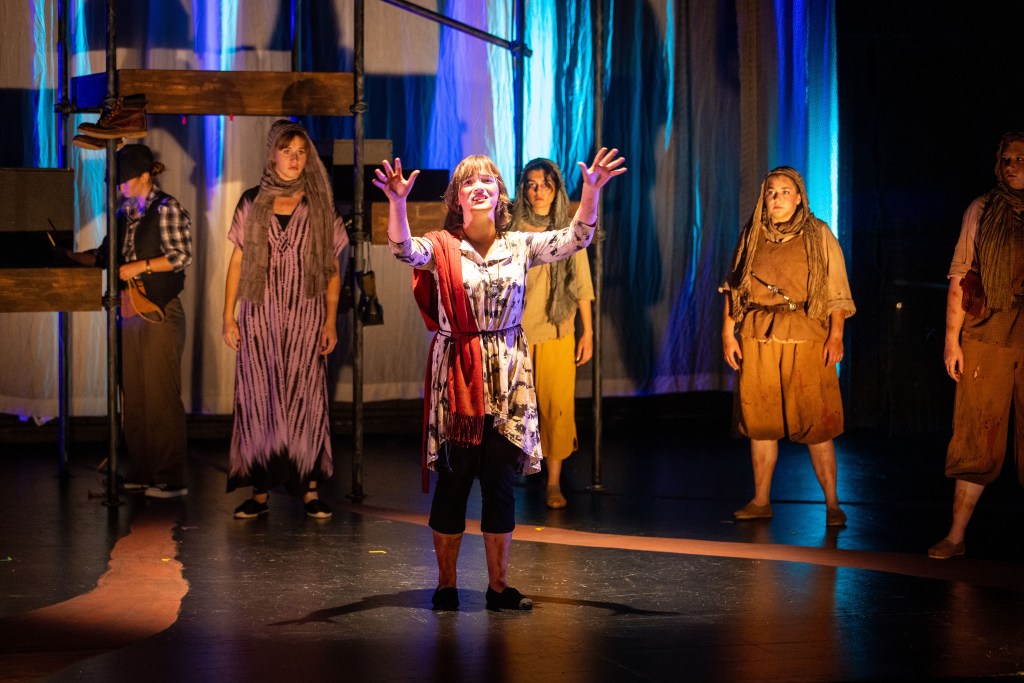
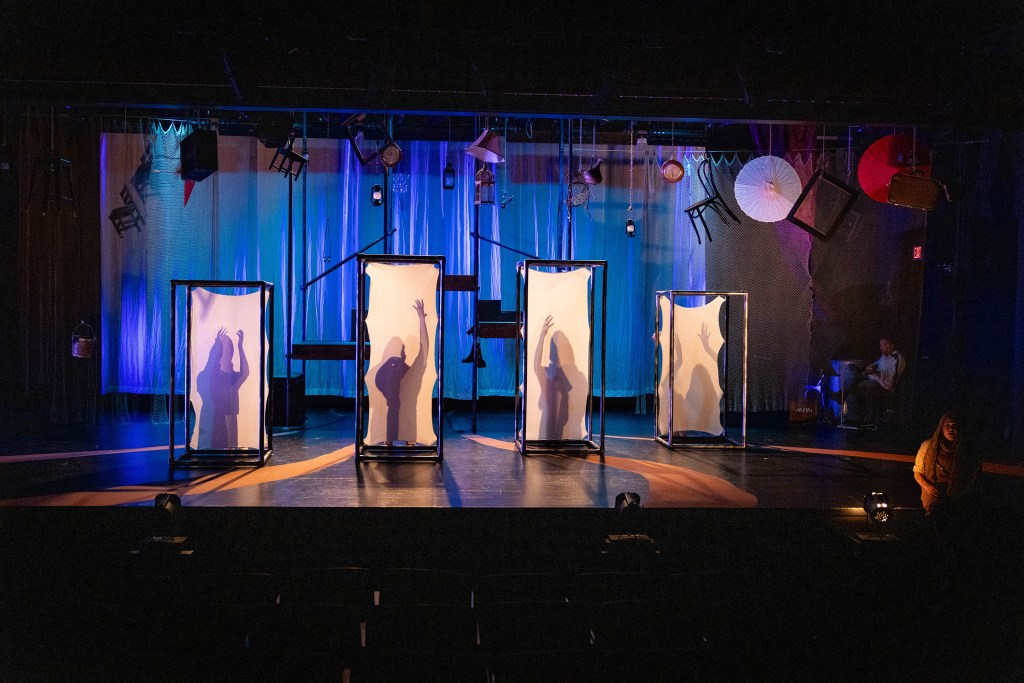
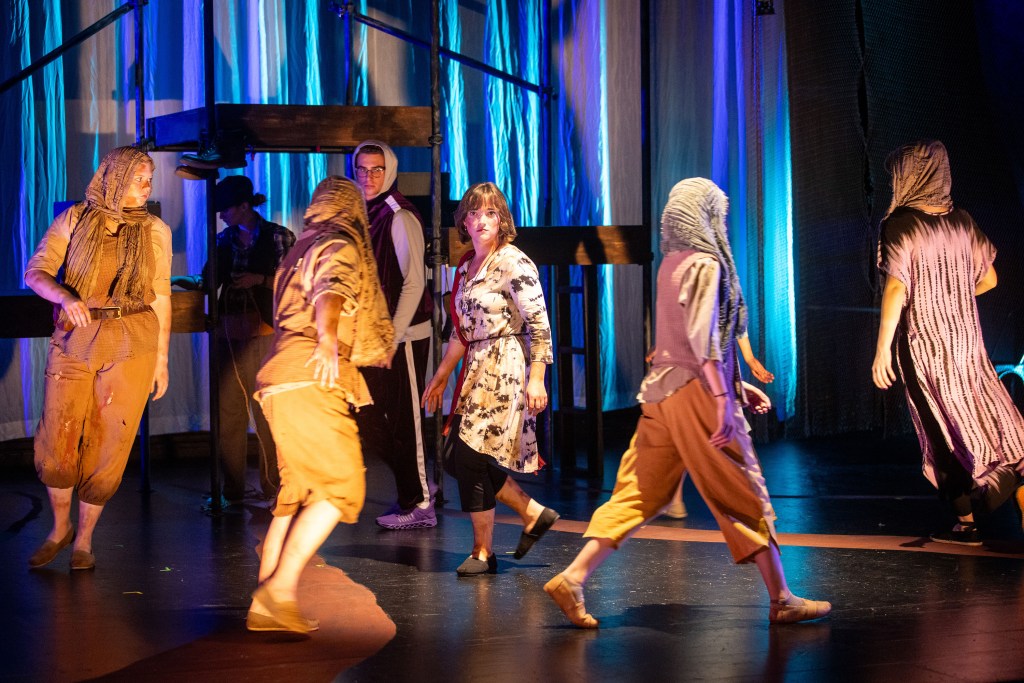
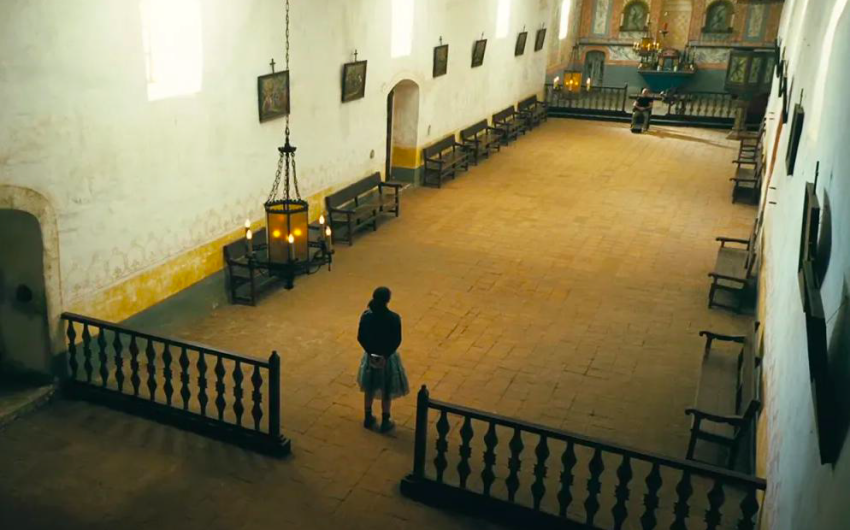
This trilogy of despair has been playing to audiences for thousands of years via interpretations adapted across time. Antigonick, produced by the Westmont Theatre Department, is a recent translation by Anne Carson that provides an efficient, poetic script. Directed by Mitchell Thomas, Antigonick features set design (by Ily Litonjua) with a cabinet’s worth of curiosities strung from the rafters, creating a down-the-rabbit-hole liminal space for this timeless conflict.
However, soft intensity and dreamy pacing dull the blade of the story’s brutality. The production is gritty and eerie and alights the senses, but it’s heavy on vibes and light on the forceful passion that makes Antigone challenging. This version of the tragedy also includes a new character, a silent lurker (called Nick) who spends the play “measuring.” Contextually, the character is there to illustrate that the play takes place outside of time, but Westmont’s rendering of Nick is too nonspecific to be effective in this representation, and that character comes off as a random element. Antigonick is beautiful to look at but doesn’t push the emotionality of this disturbing story far enough to truly impart the horror of the tale. See the show through November 1. westmont.edu/boxoffice







You must be logged in to post a comment.