Seeking its way to a speedy restart blocked by the Office of the State Fire Marshal, the Sable Offshore oil company is now claiming that federal pipeline regulators should have jurisdiction over whether the company’s pipelines should be allowed to restart and not the State Fire Marshal.
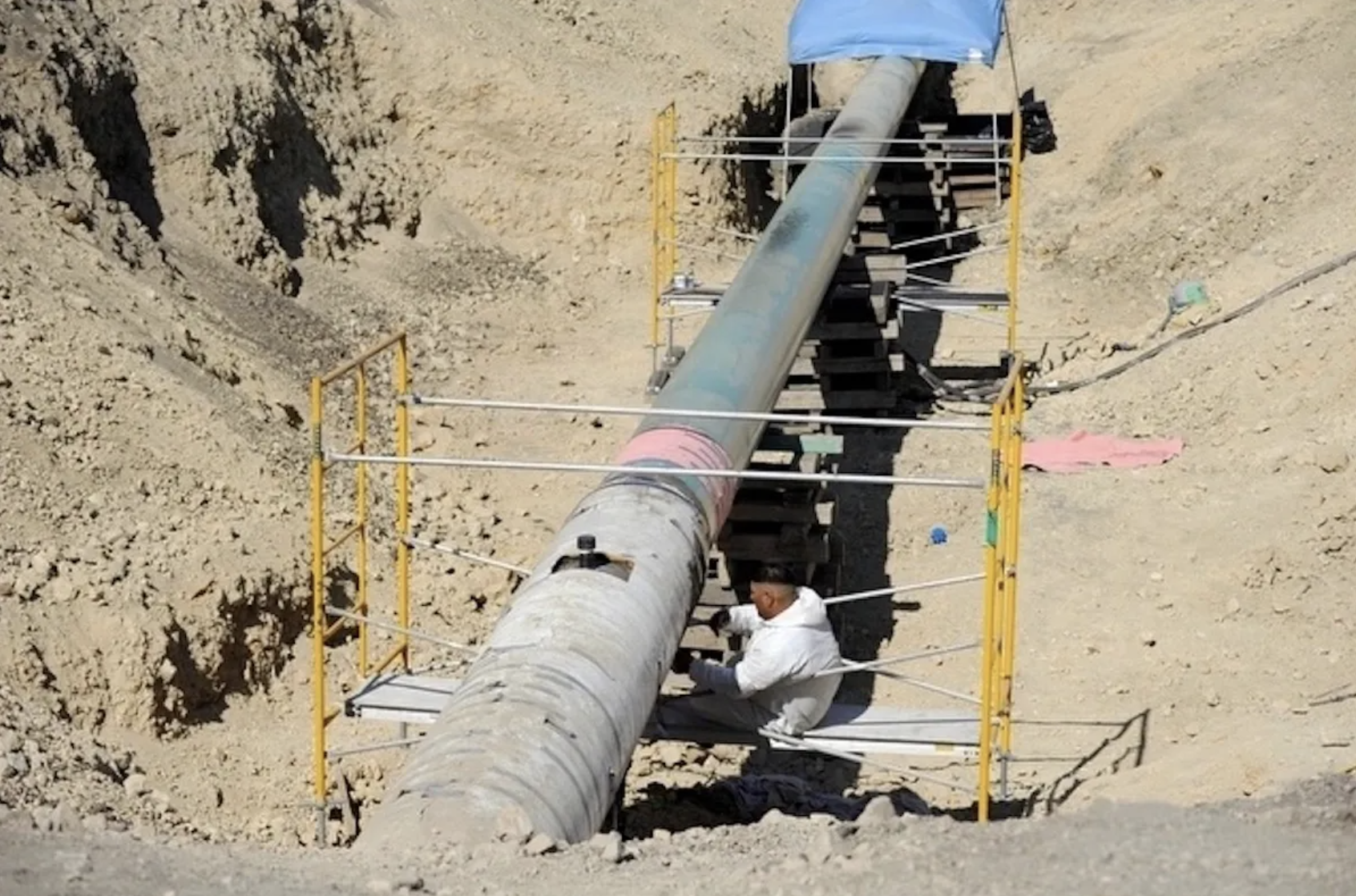
At issue is the seemingly arcane question of whether the company’s pipelines qualify as “interstate” vessels, an intuitively obscure term of art meaning they carry oil from California into other states. Sable is stating that they are and is asking the federal Pipeline and Hazardous Materials Safety Administration (PHMSA) — presumably more friendly with the “energy dominance”–focused Donald Trump than state regulators — to make the same determination. Should PHMSA do so and that action withstand all the inevitable legal challenges that would ensue, it would mean PHMSA and not the State Fire Marshal would have the last word on whether the pipelines — shut down since 2015 when extensive corrosion problems gave rise to Santa Barbara’s worst oil spill since the 1969 disaster — can restart.
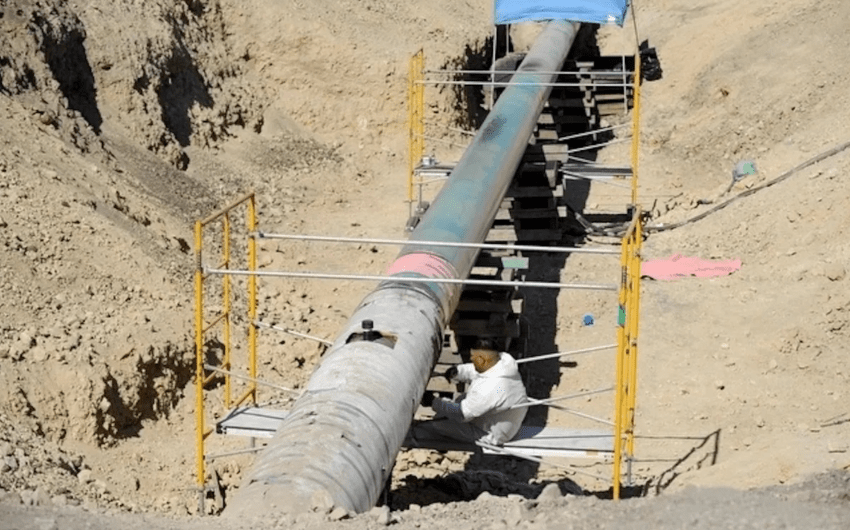
Sable’s frustration with the Fire Marshal first surfaced late this October, when the Fire Marshal put Sable on notice that the company’s corrosion repair work failed to comply with key safety standards that had to be met before the company’s restart application could be processed. The Fire Marshal’s letter also indicated that Sable would need to secure the necessary repair permits from multiple state oversight agencies that Sable currently insists lack any jurisdictional oversight. Sable disputed the Fire Marshal’s conclusions, but the company is under intense time pressure from its investors and from ExxonMobil — which sold Sable the plant, the rigs, and the pipelines — and doesn’t have the time for protracted litigation. Hence the shift to a newer and friendlier regulatory authority.
When the pipeline was first built in the 1980s, it was, in fact, designated as an interstate carrier, which back then meant that only federal regulators had any say over it.
But there’s no evidence in the record that the pipelines ever actually functioned as an interstate pipeline. And in May 2016, PHMSA regulators signed official documents declaring the pipeline was not an interstate pipeline, thus washing its hands of pipeline safety responsibility. In that document, the federal agency explicitly passed the torch on to the State Fire Marshal.
By deadline, Sable had not shared a copy of its letter to PHMSA, nor did it respond to requests for any information indicating the pipeline ever carried its crude charge across state boundaries. The Office of the State Fire Marshal said it would try to respond but had not done so by the Independent’s deadlines.