
With roughly half of Santa Barbara Unified students reaching state reading thresholds, a community workshop this weekend aims to help parents and educators better understand how to help their students read.
This academic year, Santa Barbara Unified rolled out a new, state-mandated reading screener for all K-2 students. On Saturday, the Santa Barbara Reading Coalition will host Reading Skills 101, a public workshop focused on how to interpret those results — and, crucially, what to do with them.
The January 24 event runs from 2 to 4 p.m. at the Faulkner Gallery inside the Santa Barbara Central Library. The workshop is free and open to the public, with childcare, Spanish interpretation, and free books provided.
Kristen Koeller of The Reading League California will lead the presentation, walking attendees through how children learn to read, early literacy milestones by age and grade, dyslexia, and California’s new universal K-2 reading screener.
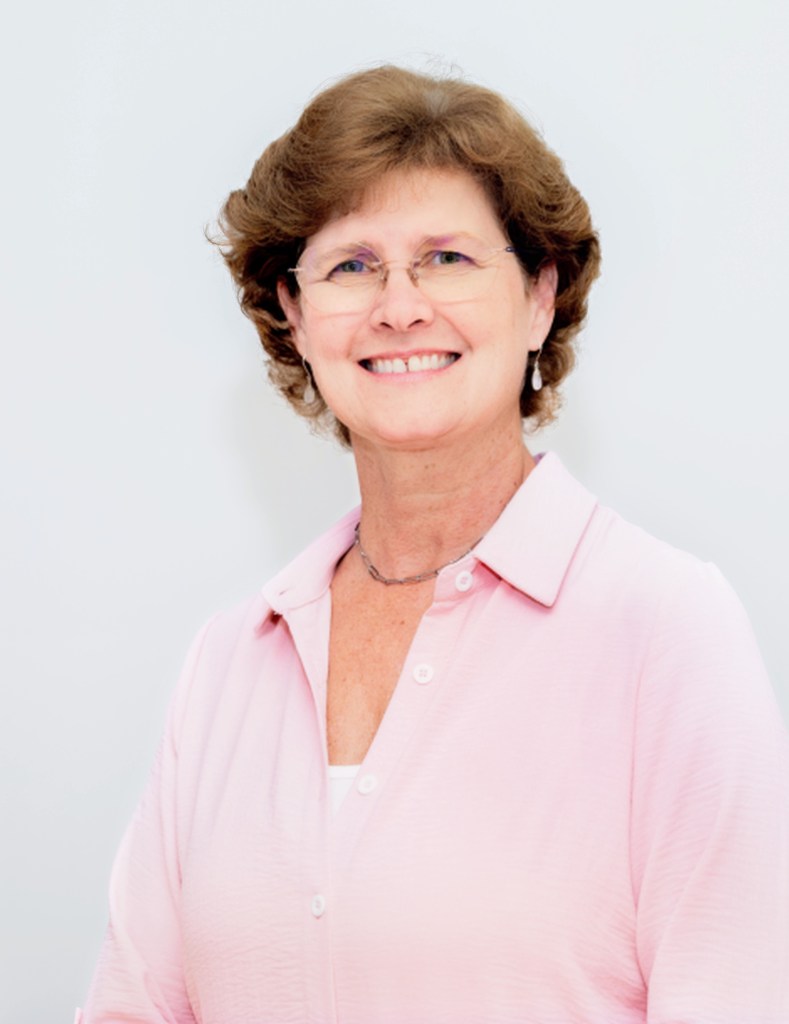
“She’s been a teacher and really speaks the language of an educator,” said Ruth Green, a longtime Santa Barbara education advocate and former president of the California State Board of Education. “Parents will get an understanding of where their child should be — and, with every milestone, where they might not be.”
Beginning in the 2025-26 school year, Santa Barbara Unified School District began administering the mCLASS screener to all kindergarten through 2nd-grade students, as required under new state law. Results must be shared with families within 45 days, and schools are required to develop a plan for students who show reading challenges.
“The real seminal issue is, what will that instruction look like?” Green said. “How will the intervention be measurably different from what’s being done now?”
With district data showing roughly half of Santa Barbara Unified students reading at grade level, Green said national research helps explain why.
“We know from the science that roughly half of students need explicit, systematic instruction,” she said. “The other half will read almost no matter what. Of the half that don’t, this universal screener will catch them.”
Reporting by PBS NewsHour suggests that figure may be slightly lower, with reading researchers estimating that roughly 30 to 40 percent of children require additional instruction. Where school systems fall short, Green said, families with resources often step in — while those without cannot.
“That’s why this matters,” Green said. “Literacy isn’t enrichment. It’s a civil right.”
Green said the workshop is intended to give families practical tools as districts begin returning screener results. “What families can do at home, what teachers do in class — that’s really important,” she said. “This is about raising awareness.”



You must be logged in to post a comment.