

Stay up-to-date with all things film fest by subscribing to our Dispatches from SBIFF newsletter featuring
daily reports of what happened last night, and previews of what’s next at the
Santa Barbara International Film Festival. Subscribe here.
Santa Barbara Independent is a proud sponsor of SBIFF’s Audience Choice Award.
Don’t forget to vote for your favorite films.
For the hopelessly avid festival-goer, there is a natural instinct to seek themes or links connecting films seen at SBIFF. It helps to make sense and find some associative order in the culled sum experience.
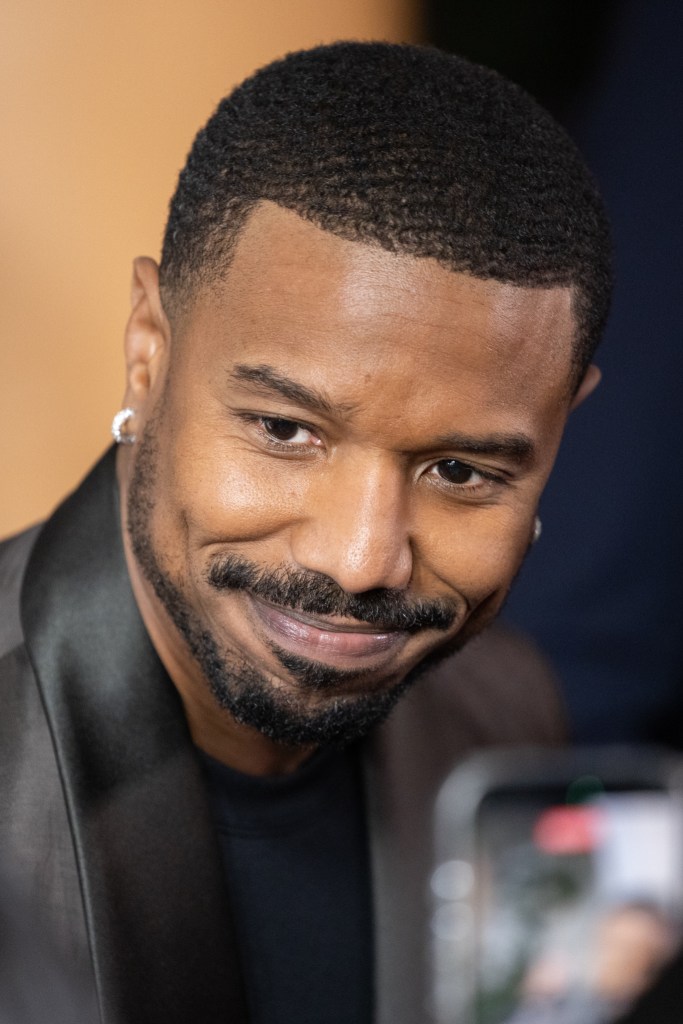
One potentially far-fetched connection appeared on Thursday’s activity roster, involving actors excelling in twin roles in a single film. We’re talking about the mighty Michael B. Jordan, up for one best actor Oscar for two performances as brothers in Sinners, and actress Kim Novak, who hauntingly embodied — and disembodied — the roles of Madeline and Judy in the Hitchcock classic Vertigo.
Jordan had another richly deserved moment in the SBIFF tribute spotlight last night at the Arlington, while Novak is the subject of the intriguing, offbeat, and film-nerdy Kim Novak’s Vertigo.
At the Arlington, Jordan’s brilliant career (so far) was unreeled, with festival head Roger Durling interviewing the actor. The packed house got an overview of his path, from being a “token Black kid on commercials” to his mature oeuvre in progress. His filmography now includes a string of films with “C” connection — the Coogler-directed Fruitvale Station, Black Panther, and Sinners, and the three Creed films, the last of which Jordan also directed.
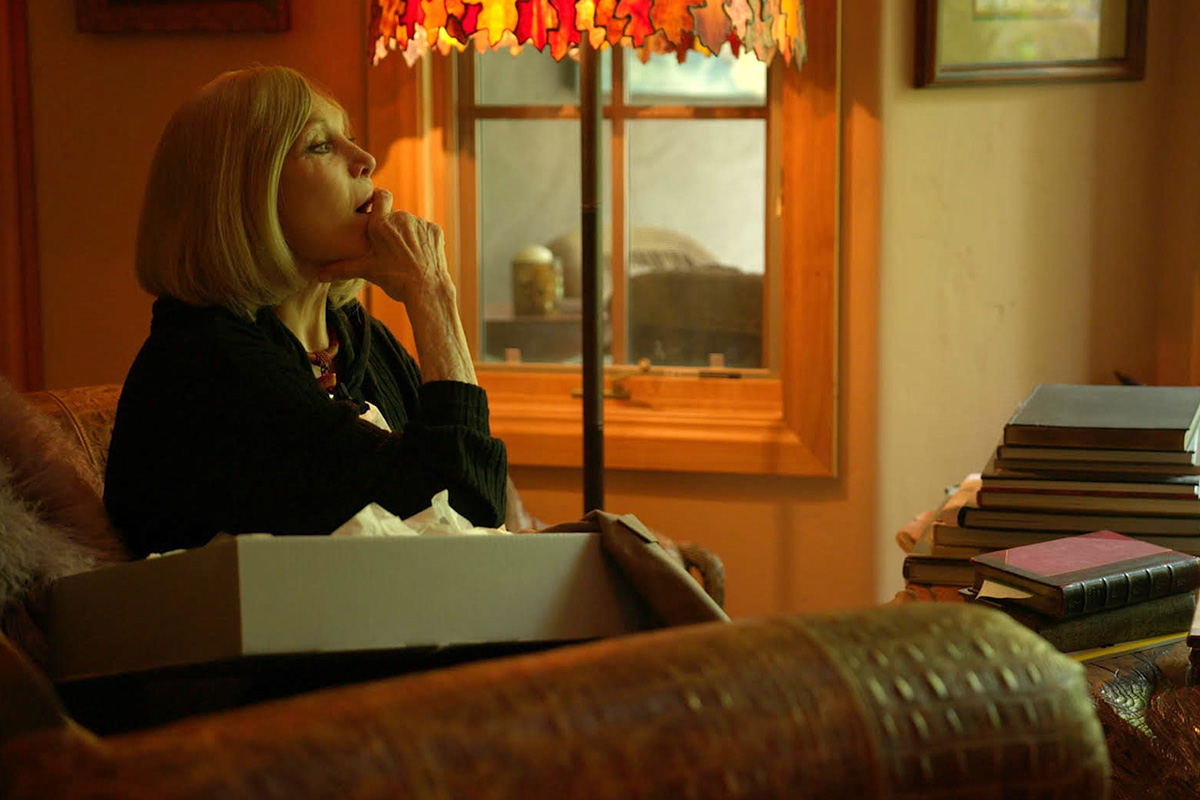
The film-on-film category in the SBIFF matrix is a special, festival-centric zone within the overall program. And one of the clear small gems this year goes by the doubly-intended title Kim Novak’s Vertigo. Interviewer and director Alexandre O. Philippe deftly blends extended personal commentary on the great Alfred Hitchcock film Vertigo — which starred Novak in double roles alongside James Stewart — and an interview with the reclusive star herself, at age 92.
Parallels quickly emerge between the psychological house-of-mirrors that is Hitchcock’s film and the life and career of Novak, who deliberately fled Hollywood at the height of her career, moving to a rugged ocean-facing cliffside house in Big Sur. There, she found solace and sanity through her original art form, painting, and the company of all manner of animals. “Hollywood will swallow you whole…. I left at the top of my game, and there would have been many years left,” said Novak. “My survival mode was to paint…. I’m bipolar, but I didn’t know that then. It’s a wonder it didn’t blow my mind.”
Philippe offers a thumbnail biography of her background, beginning on the outskirts of Chicago, then west to San Francisco and Hollywood, where a screen test helped funnel her into the studio system. We get glimpses of her brief but impressive filmography — including Picnic; Bell, Book and Candle; Man with the Golden Arm; and Pal Joey. But the focus is mostly on her Vertigo experience, on film, and existentially speaking.
She is remarkably open, quirky, and eloquent, reflecting on her life and opening up emotionally when she unearths the box containing her gray Vertigo dress for the first time in decades. She says, a bit tearily, “I feel the energy of it, like the ghosts in it will come flying on like a cloud of smoke.”
It is a disarmingly touching portrait of an important actress who jumped off the merry-go-round to find something truer and more real to her inner being. The nonagenarian’s search for self transcended the standard Hollywood ending.
African Cinema Mapping

Where else but at SBIFF can we expect to catch a dose of African cinema on the big screen in Santa Barbara? The African sampling this year juggles dark and light dark, between the tension-and-release arc — mostly about rising tension with release in sight — of Diya, from Chad, and the fizzy, fun comedy The Fisherman, from Ghana. In the latter film, the underlying theme concerns the fragile intersection of tradition and progress, of deeply rooted values and technology, in a fishing village. Seasoned fisherman Atta longs to own his own fishing boat and eschews the gadgetry, gadget tree, and “smartie phones” of younger villagers. Enter Koobi, the salty-tongued talking fish. Yes, you heard it correctly. What may seem like an absurd or childish storytelling gimmick turns out to be a spicy and even soulful subplot.
Writer-director Zoe Martinson’s tasty lark of a film follows Atta and his young posse as they seek money for the boat and as Atta reconciles with his lost daughter. The film is full of color — visually, costume-wise, and musically — and joyful vim. Sweet-spirited and lined with guilt-free humor, The Fisherman ranks highly on this festival’s feel-good scale.
One for the Books, Young and Old
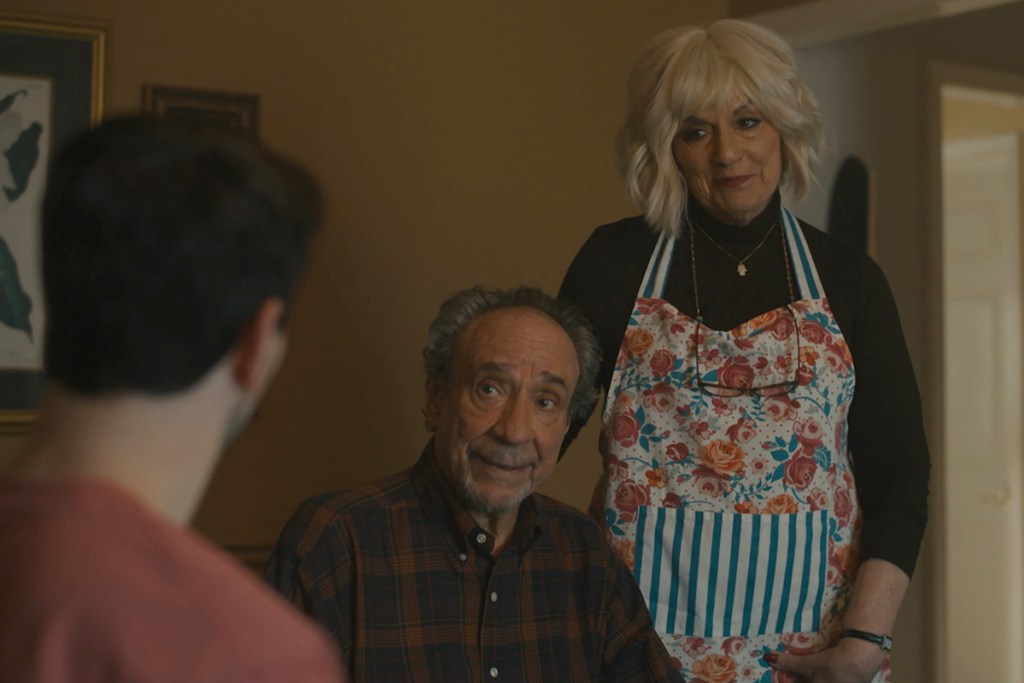
In the American indie title Bookends, the protagonist, Nate (Noam Ash), is a still-barely twentysomething gay writer fleeing his cheating boyfriend and taking refuge in his grandparents’ “sad little town.” His primary intention is to finally finish a novel in a distraction-free environment, but he becomes enmeshed in the lives of his grandparents — noted actors F. Murray Abraham and Caroline Aaron — and the gay doctor in town.
Abraham delivers some of the choice lines in this fossil, funny-bittersweet tale, as when he scoffs at his grandson’s excessive self-analysis. “Back in the old days,” he says, “we didn’t have mental health. We just got on with it.” The early stages of dementia lend a more dramatic air to the film without taking away its light patina. Though essentially following the formula and plot of the TV sitcom playbook, Bookends is a warm, fuzzy, and enjoyable ride of a film.
Appalachian Life Gently Sprung
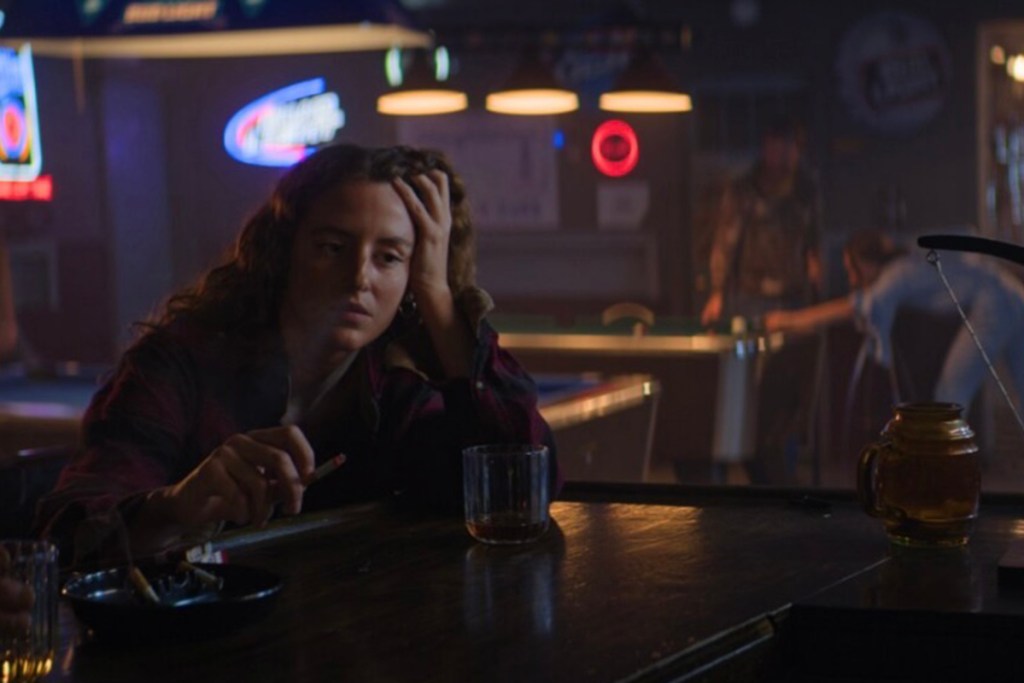
Jolene (Louisa Harland) is a coal miner’s daughter. She is also a coal miner herself and a lesbian, facts that don’t necessarily register well in Harlan, Kentucky. She is also taking care of her two younger sisters after their mother and father died, he from the common miner’s malady, black lung disease. These are the facts and components in writer-director AR Ephraim’s refreshingly gentle and empathetic Appalachian film A Woman’s Work. Any standard brand Hollywood-imbued expectations of grand conflict, beyond workable struggles and resignation, are brushed aside in this understated slice-of-life in coal country. Chalk one up for the underserved culture of regional American cinema.
In a post-screening Q&A, Ephraim, a New Yorker, explained, “Where this is coming from is that much of what the media conveys about Appalachia is based on negative stereotypes. I wanted to tell a more authentic story about the area. There is a rich history there. It’s a beautiful place, and people stay there for generations. There is a strong sense of community.”
Composer Dave Porter, whose score is a tasteful piano and strings sonic brew, seconded the idea that this was “a film that has a voice and a story that needed to be told.”
And it’s a story told in the comfort zone of a film festival, whatever its distribution future. We saw it here first.



You must be logged in to post a comment.