
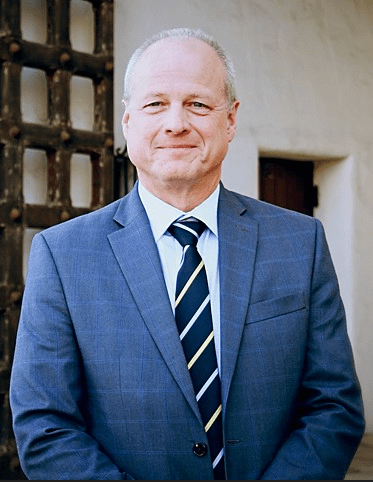
Santa Barbara District Attorney John Savrnoch has joined district attorneys throughout the state to support Assembly Bill 46, a proposed state bill giving state judges and prosecuting attorneys more say about which criminal defendants are to be diverted into mental-health programs. Existing state law, they say, does not allow adequate consideration of the threat of physical violence some mentally ill criminal defendants might pose.
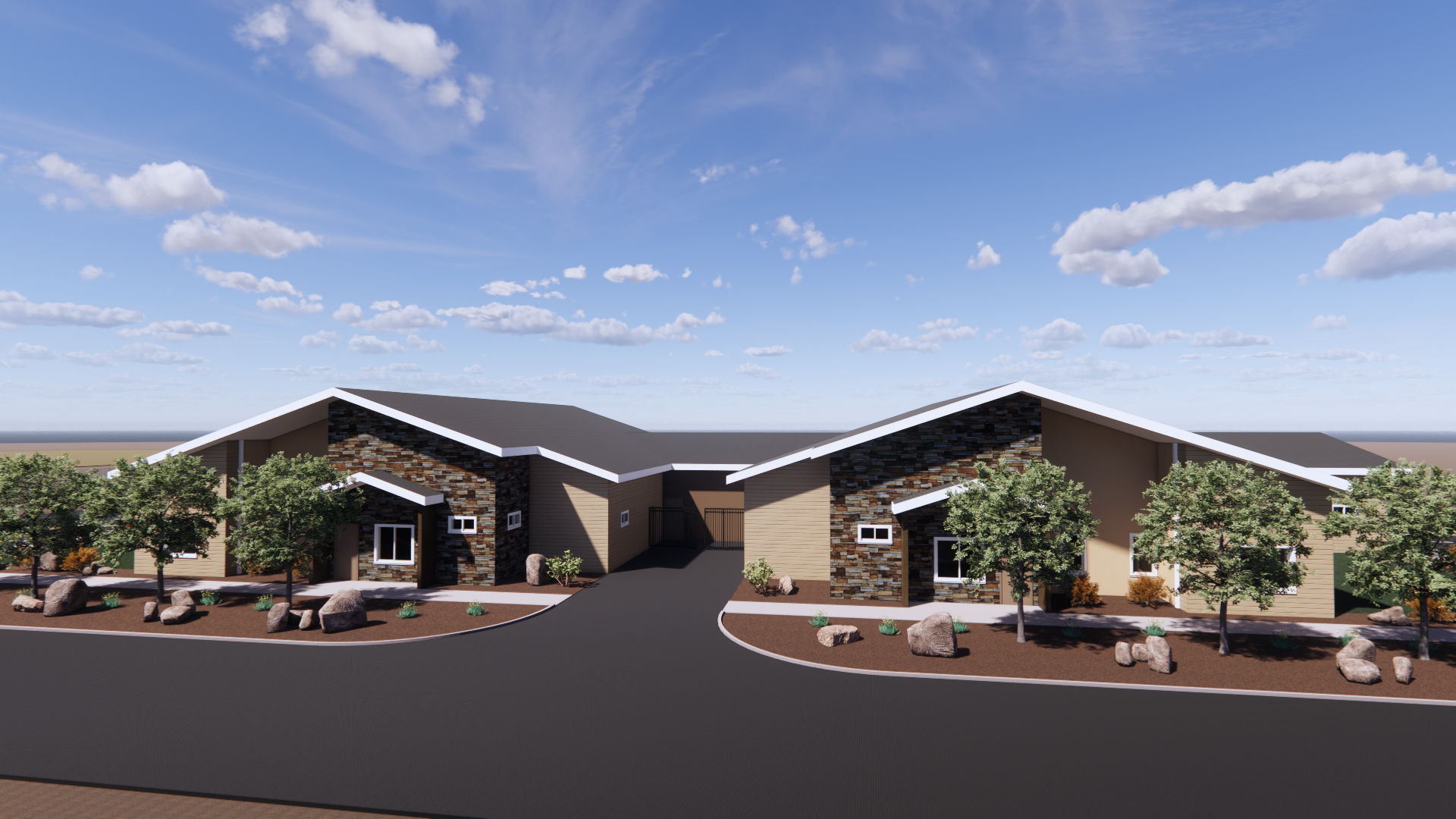
At the same time, the state Department of Health Care Services announced it intended to award Santa Barbara County $20 million to build two new 16-bed community residential treatment centers for people with serious mental health challenges in Santa Maria. These facilities, according to County Behavioral Wellness spokesperson Suzanne Grimmesey, will focus on “supporting criminal justice involved individuals” to help get them through diversion and recovery treatment. Construction for these could be complete by the end of 2029.
In the meantime, Savrnoch and the statewide district attorneys are making a concerted pitch for AB 46, the subject of a State Senate hearing this week. In a detailed press release, Savrnoch recounted two specific Santa Maria cases in which defendants diverted into mental-health programs rather than incarceration committed acts of violence upon their release.
One involved a 43-year-old defendant who was placed in a diversion program rather than jail after bludgeoning a 65-year-old developmentally disabled man in his walker. Upon his release from the program, Savrnoch noted, the defendant encountered his victim, smashed him in the face with a rock, and stabbed him in the neck. The victim survived.
Another case involved a Santa Maria bank robber who ordered three bank employees to their knees, tied their hands behind their back, and then fled with the cash.
The current law is so broadly written, Savrnoch objected, that anyone presenting a psychological profile involving both depression and alcoholism almost automatically qualifies for diversion no matter how serious the offense.
“Once a defendant meets certain statutory criteria, judges have very limited discretion to deny diversion,” he wrote.
Savrnoch’s office is currently handling more than 400 mental-health-diversion cases. The office lacks the data-tracking capacity to tease out how many of those 400 have underlying violent or serious offenses. Also lacking is the capacity to track how many of the defendants placed in diversion successfully completed the program.
Lynne Gibbs, longtime mental health advocate with the Santa Barbara chapter of NAMI, expressed skepticism about AB 46, suggesting that much of the problems Savrnoch described stemmed from a severe shortage of acute and subacute placement beds that’s left the county hard-pressed to meet the needs of those with serious illnesses of people who don’t belong in jail. Gibbs contended the institutional culture of the county’s Behavioral Wellness department is so wedded to “voluntary-only ideology” at a time when “some very ill people need more than this,” she said. “The answer should not be to keep them in jail.”
The $20 million the county is receiving for the 32 new beds comes from Proposition 1, a state initiative narrowly approved by California voters three years ago to address the acute-care needs of those with mental illnesses or addiction issues, and those living on the streets. Those facilities will be located near the Northern Branch Jail.
“The potential investment represents a significant opportunity to expand community-based treatment options for people living with serious mental illnesses,” said Behavioral Wellness chief Toni Navarro.
The beds will help individuals “transition from higher levels of care into stable community living while reducing the need for hospitalization or incarceration.” Based on the departmental press release, the 32 beds will be designated as “community residential treatment” beds. The meaning of that designation, said mental health advocate Gibbs, is sufficiently flexible that it’s not clear what levels of acuity will be treated.
Related Posts






Premier Events

Thu, Apr 09
7:00 PM
Santa Barbara
POSTPONED – Journey Within: Wisdom & Meditation with Gurudev – POSTPONED
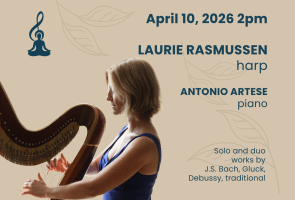
Fri, Apr 10
2:00 PM
Santa Barbara
Music & Meditation SB – Concert April 10, 2026

Sun, Apr 12
11:00 AM
Solvang
Santa Ynez Valley Home + Build Showcase

Mon, Apr 13
7:00 PM
Santa Barbara
New Horizons – Antonio Artese West Coast Trio

Tue, Apr 14
7:00 PM
Goleta
Wild and Free Film Festival Spring Movie Night

Tue, Apr 07
7:30 PM
Solvang
ABRA Cadabra – ABBA Tribute Band

Wed, Apr 08
11:00 AM
Santa Barbara
True Story of Fremont Foxen & the San Marcos Pass

Wed, Apr 08
1:00 PM
Santa Barbara
Día de los Niños

Wed, Apr 08
2:00 PM
Santa Barbara
Online Talk: The Work of a Fashion Curator w/ ASU FIDM Director

Thu, Apr 09
6:00 PM
Santa Barbara
Chaucer’s Books – Poetry Night

Thu, Apr 09
7:00 PM
Santa Barbara
CWC Docs: The Other Roe

Thu, Apr 09
7:30 PM
Santa Barbara
Doublewide Kings Benefit Concert

Fri, Apr 10
7:00 PM
Ventura
Rubicon Theatre Presents “Somebody to Love”

Fri, Apr 10
7:00 PM
Santa Barbara
Unity Singers’ Spring Concert

Sat, Apr 11
10:00 AM
Los Olivos
Tomatomania! Santa Ynez Valley
Thu, Apr 09 7:00 PM
Santa Barbara
POSTPONED – Journey Within: Wisdom & Meditation with Gurudev – POSTPONED
Fri, Apr 10 2:00 PM
Santa Barbara
Music & Meditation SB – Concert April 10, 2026
Sun, Apr 12 11:00 AM
Solvang
Santa Ynez Valley Home + Build Showcase
Mon, Apr 13 7:00 PM
Santa Barbara
New Horizons – Antonio Artese West Coast Trio
Tue, Apr 14 7:00 PM
Goleta
Wild and Free Film Festival Spring Movie Night
Tue, Apr 07 7:30 PM
Solvang
ABRA Cadabra – ABBA Tribute Band
Wed, Apr 08 11:00 AM
Santa Barbara
True Story of Fremont Foxen & the San Marcos Pass
Wed, Apr 08 1:00 PM
Santa Barbara
Día de los Niños
Wed, Apr 08 2:00 PM
Santa Barbara
Online Talk: The Work of a Fashion Curator w/ ASU FIDM Director
Thu, Apr 09 6:00 PM
Santa Barbara
Chaucer’s Books – Poetry Night
Thu, Apr 09 7:00 PM
Santa Barbara
CWC Docs: The Other Roe
Thu, Apr 09 7:30 PM
Santa Barbara
Doublewide Kings Benefit Concert
Fri, Apr 10 7:00 PM
Ventura
Rubicon Theatre Presents “Somebody to Love”
Fri, Apr 10 7:00 PM
Santa Barbara
Unity Singers’ Spring Concert
Sat, Apr 11 10:00 AM
Los Olivos


You must be logged in to post a comment.