
Until 1964, the United States taxed its wealthiest citizens at rates north of 90 percent.
Today, top federal tax rates are a fraction of that. In California — home to the highest state income tax rate in the nation — the top bracket is roughly 13 percent for incomes above $1 million. Reformers are now pushing a “Tax the Rich” ballot initiative as a way to fund California amid projected federal health-care cuts and a volatile budget outlook.
But the campaign has stirred controversy and confusion: signature gatherers at grocery stores pushing competing propositions, while Governor Gavin Newsom has publicly stated that he will defeat the measures.
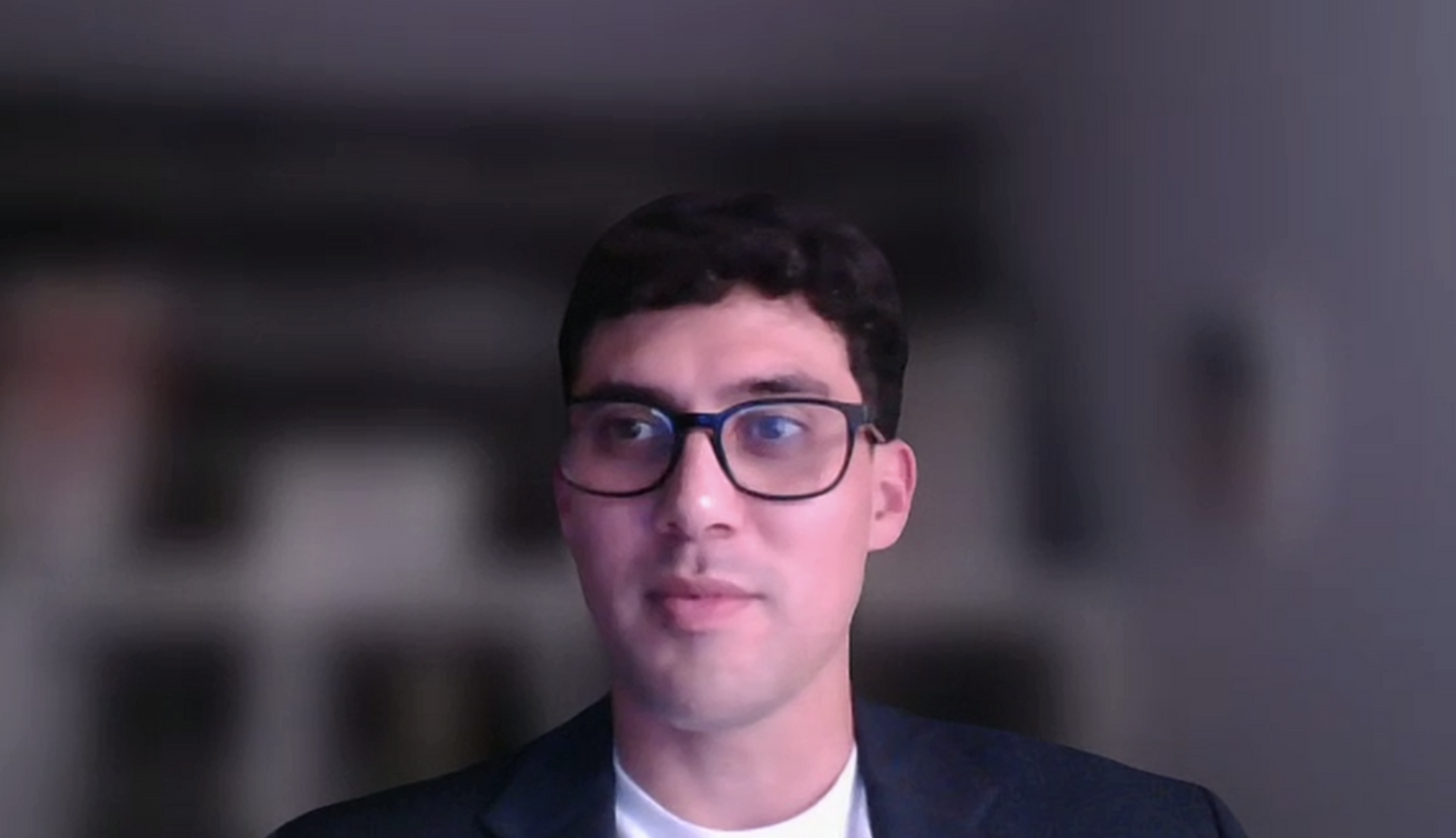
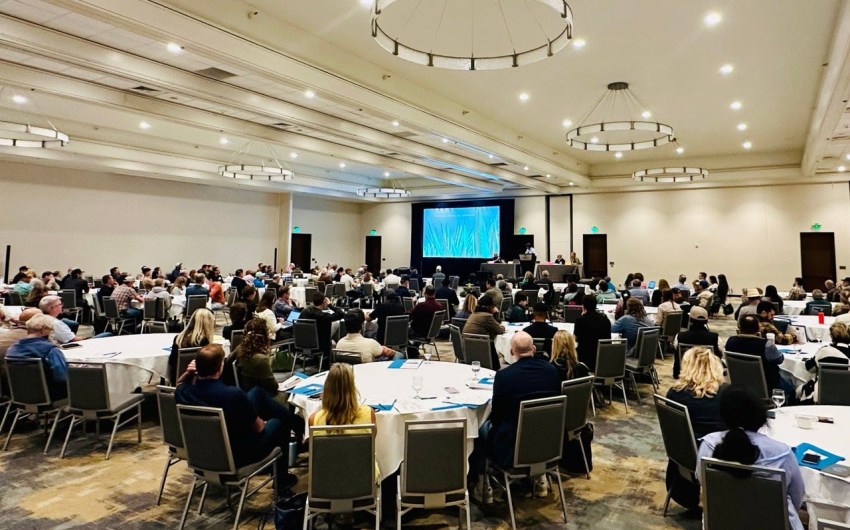
The Santa Barbara County Action Network presented the case for the proposition during a February 27 roundtable on the “Billionaire Wealth Tax Proposal.” José Barrera, regional political organizer for SEIU-United Healthcare Workers West, said the union is mounting a campaign to qualify what it describes as an “emergency billionaire wealth tax” for the November ballot, calling it a financial tourniquet for California’s health-care system in the face of federal funding cuts.
“We are projected to lose about 145,000 healthcare jobs in this state alone,” he said. “That looks like about $20 billion in cuts to Medicaid for California. And that also means that we’re gonna lose clinics, services, potential hospital closures, we’re gonna see longer ER wait times.”
So what’s the union’s proposed antidote? Barrera described it as “ a one time 5 percent emergency tax on California’s 200 billionaires.”
The goal, he said, is to raise roughly $100 billion over five years—enough, in SEIU-UHW’s view, to “cushion the impact,” and backfill cuts to health care, SNAP, and education.
The campaign has until April to gather the 800,000 signatures needed to qualify for the ballot.
This antidote, however, is controversial. Critics at the meeting argued that California already operates one of the most progressive income tax systems in the country — meaning the more one earns, the higher the marginal rate.
Gary Michaels, a Republican who ran unsuccessfully for California’s 47th Assembly District in 2022, asserted that California already leans heavily on its highest earners to fund state government.
“The top one percent of California earners paid approximately 38.7 percent of the state’s personal income tax in 2023, down from a peak of nearly 50 percent in 2021,” Michaels said at the meeting. Because personal income tax accounts for roughly 60 percent of the state’s general fund, he said California’s budget is already highly dependent on top-tier earners and volatile capital-gains revenue.
Beyond the roundtable, critics argue that offsetting federal health-care cuts with a state wealth tax on billionaires does not address the underlying drivers of U.S. health-care costs — the highest in the developed world as a share of GDP.
The U.S. healthcare system operates largely through employer-based coverage, nonprofit hospital systems with substantial tax advantages, and limited federal leverage over drug prices and provider costs. A recent proposal from President Trump, dubbed “The Great Healthcare Plan,” would seek to lower premiums through price-transparency rules, international drug-pricing benchmarks, and direct subsidies to consumers — while potentially increasing deductibles and out-of-pocket costs.
Such structural dynamics — not just funding gaps — continue to push healthcare spending higher each year.
In that view, a one-time wealth tax may provide temporary fiscal relief but leaves untouched the broader healthcare industrial complex — a system in which escalating medical spending is embedded in the economy itself.
On both sides of the aisle, elected officials are taking a wait-and-see approach. State Senate President Pro Tempore Monique Limón, a Santa Barbara native, said in a video shared by her press secretary that the proposal is an “outside process,” adding that “the fact that you haven’t seen it go through a legislative process probably signals where folks may or may not be.” The office of Assemblymember Gregg Hart said he has also not taken a position on the proposed measure.
The same cannot be said of Governor Gavin Newsom who has been outspoken in warning that taxing the wealthy will prompt them to leave. He has pointed to signs that some tech billionaires are already distancing themselves from California, a move which could harm the state.
Richard (Dick) Flacks, a UCSB sociology professor and founder of SBCAN, dismissed the idea as old, tired, and—he argued—wrong.
“California is the state that has built these people’s wealth,” he said. “In addition to that, we have incredible weather and culture, which is what attracts people and the top talent to this state.”
He also argued the tax is modest relative to billionaire wealth growth.
“The five percent is not that significant,” he said. “When, in actuality, the average billionaire’s net worth increases about 7.5 percent every single year. Right? So the five percent is divided up by a one percent tax over the five years, is not gonna impact them [billionaires] that much. They are just crying wolf…”
Other critics contend that adding a one-time wealth tax could raise constitutional questions and invite legal challenges over how net worth is assessed and whether such a measure violates protections against certain forms of taxation. At the roundtable, this raised practical questions about how such a tax would be enforced.
“Most of their [billionaire’s] money is held up in stocks and bonds, and those are easily traced,” Barrera countered. “The enforcer is gonna be the California State [tax agency].”
Whether the proposed prop survives the signature drive — or the opposition of Governor Gavin Newsom — is unclear. What is clear is that California is once again debating the controversial question of taxing the rich.
Related Posts
Premier Events
Thu, Apr 02
5:00 PM
Santa Barbara
Paintings by Michael Vilkin at ART & SOUL GALLERY

Sat, Apr 04
9:00 AM
Santa Barbara
Mesa Harmony Garden Spring Plant Sale
Thu, Apr 09
7:00 PM
Santa Barbara
Journey Within: Wisdom & Meditation with Gurudev
Fri, Apr 10
2:00 PM
Santa Barbara
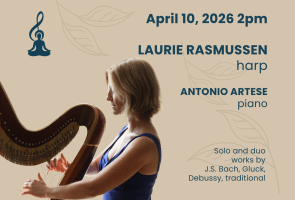
Music & Meditation SB – Concert April 10, 2026

Wed, Apr 01
6:00 PM
Santa Barbara
Downtown Salsa & Bachata Dancing
Wed, Apr 01
7:30 PM
Santa Barbara
Justin Hayward – The Story In Your Eyes Tour
Thu, Apr 02
2:00 PM
Santa Barbara
S.B. Rescue Mission Annual Easter Feast

Thu, Apr 02
4:00 PM
Santa Barbara
Organic Soup Kitchen’s Souper Bloom Soup Social!

Thu, Apr 02
5:00 PM
Santa Barbara
Exhibit Opening: The Santa Barbara Independent: ‘Covering 40 Years’

Fri, Apr 03
2:00 PM
Santa Barbara
Ensemble Theatre Company Presents “A Night with Janis Joplin”
Fri, Apr 03
5:00 PM
Lompoc
Filipinos’ Contributions to Once Making Lompoc…
Fri, Apr 03
7:30 PM
Santa Barbara
Lahaina: Voices of Change
Sat, Apr 04
9:00 AM
Santa Barbara
Mesa Harmony Garden Spring Plant Sale

Sat, Apr 04
9:00 AM
Santa Barbara
Passport Fair, hosted by Congressman Salud Carbajal
Thu, Apr 02 5:00 PM
Santa Barbara
Paintings by Michael Vilkin at ART & SOUL GALLERY
Sat, Apr 04 9:00 AM
Santa Barbara
Mesa Harmony Garden Spring Plant Sale
Thu, Apr 09 7:00 PM
Santa Barbara
Journey Within: Wisdom & Meditation with Gurudev
Fri, Apr 10 2:00 PM
Santa Barbara
Music & Meditation SB – Concert April 10, 2026
Wed, Apr 01 6:00 PM
Santa Barbara
Downtown Salsa & Bachata Dancing
Wed, Apr 01 7:30 PM
Santa Barbara
Justin Hayward – The Story In Your Eyes Tour
Thu, Apr 02 2:00 PM
Santa Barbara
S.B. Rescue Mission Annual Easter Feast
Thu, Apr 02 4:00 PM
Santa Barbara
Organic Soup Kitchen’s Souper Bloom Soup Social!
Thu, Apr 02 5:00 PM
Santa Barbara
Exhibit Opening: The Santa Barbara Independent: ‘Covering 40 Years’
Fri, Apr 03 2:00 PM
Santa Barbara
Ensemble Theatre Company Presents “A Night with Janis Joplin”
Fri, Apr 03 5:00 PM
Lompoc
Filipinos’ Contributions to Once Making Lompoc…
Fri, Apr 03 7:30 PM
Santa Barbara
Lahaina: Voices of Change
Sat, Apr 04 9:00 AM
Santa Barbara
Mesa Harmony Garden Spring Plant Sale
Sat, Apr 04 9:00 AM
Santa Barbara

