

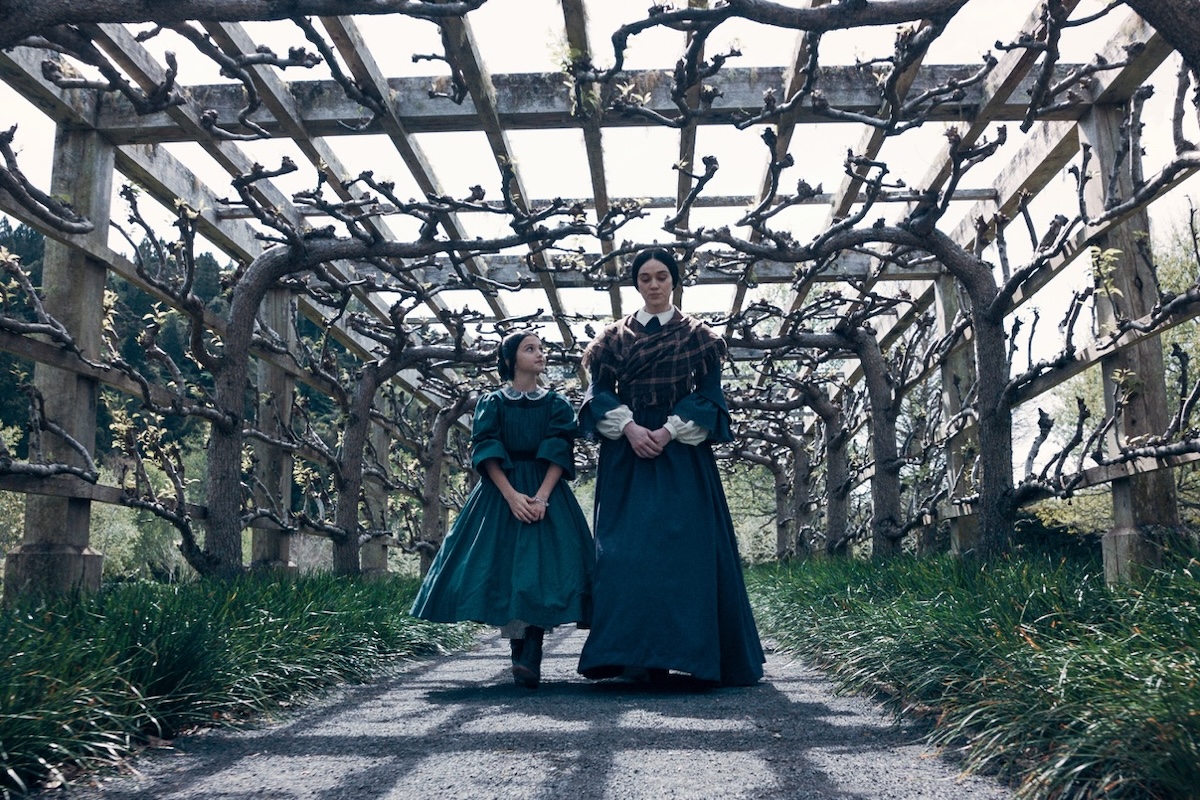
Like Sinners, a film that uses the built-in expressive extremism of the horror genre to address racial and ethnic cultural abuses, writer-director Taratoa Stappard’s nuanced and chilling Mārama presents a gothic horror story linked to colonization of the Māori people of New Zealand. It’s essentially a haunted-property tale, with apparitional residue of past lives and past horrors. In fact, the very process of tracing lineage and ancestry, and of making shocking discoveries, is central to the film’s narrative.
In Mārama, the story is set in the strategically limited, dank, and secluded region of North Yorkshire, England, in 1859. But the presiding and underlying story is far removed in time, place, and culture. Played with a quiet but righteous intensity by Ariāna Osborne, Mary — original name Mārama — is at least part Māori, orphaned and adopted by English parents, westernized and educated. She travels to England, to Hawkser Manor, seeking the facts of her roots and parents.
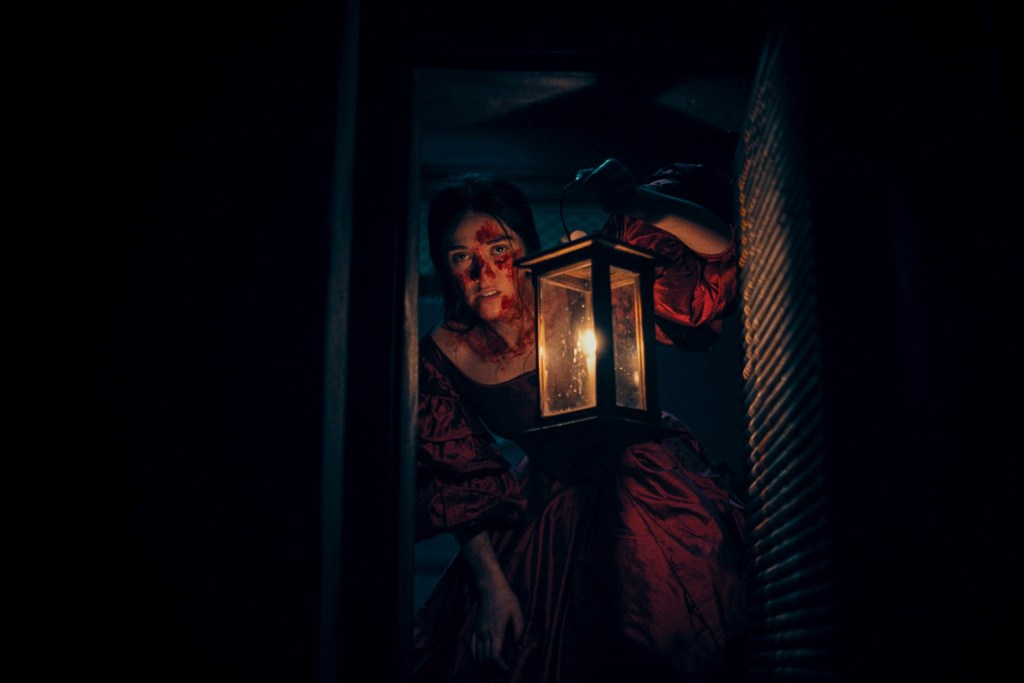
Nathaniel Cole (Toby Stephens), the head of the estate, wants her to stay as a governess to young Ann, but the plot continues thickening and sickening, as we learn the sordid history beneath the surface. In that haunted environment, Mary starts channeling and dreaming of evil goings-on against her family, and ghostly elements from her past creep into her world and the film’s mise-en-scène.
Whaling, and the brutality therein, plays a role in the story — both the slaughter of majestic creatures and the brutal treatment of Māori workers in the field. At a Bacchanalian party at the manor, part of the entertainment involves a staging of the slaying and bloodletting of a whale, with Māori traditions mocked, to the giddy delight of the partygoers and the festering rage of Mārama. A spirit-channeling moment ensues, juxtaposed against the calloused joviality of the white elites in the house.

Initially placid, Mary/Mārama’s fierceness emerges in keeping with the tale’s concentrically darker path. “Where I come from, women have honor,” she says “… and dignity and power.” She has an inner power and also a warrior’s power for righteous revenge. In a climactic scene in which the actions and visuals take their cues from slasher films, a deeper aspect of cultural catharsis lends the genre’s grisliness greater depth of meaning.
Given the buried and not-so-buried plight of indigenous and oppressed peoples, it is no great leap to shift the narrative into haunting visions of ancestral trauma. That subject is very much a driving subplot in Mārama, alongside themes of male dominance and colonialist cruelty — and ultimately justice served, at least in small measure.

Skillfully crafted, with the help of cinematographer Gin Loane, Stappard’s film is both an impressive piece of filmmaking and disturbing in all the right ways. It deals with very different cultural content than, for instance, the playful perversion of Swedish folklore pumped into Ari Aster’s wicked alternative horror flick Midsommar. There, the artistic upending of genre was part of the filmmaker’s game and aim — a common meta-tactic in the smarter horror cinema.
In Mārama, we can’t turn away from the sting of the story, nor its relevance to indigenous cultures everywhere, including right here where we live.









You must be logged in to post a comment.