
Before the First Bell Rings
Eleven Health Tips for the
New Santa Barbara School Year
By Indy Staff | August 13, 2026
Read more from our 2026 Indy Parenting cover story here.

The new school year is upon us. For many families, that means shopping for supplies, filling out forms, and preparing for busy schedules. It’s also the perfect time to reset healthy habits.
Dr. Dan Brennan is an award-winning Santa Barbara pediatrician practicing at Sutter Health’s Hitchcock Pediatrics campus. He and other Sutter Health physicians share 11 back-to-school tips to help children and teens stay healthy, focused, and ready to learn.
1. Start adjusting sleep schedules now
One of the biggest mistakes families make is waiting until the night before school starts to reset bedtime. “As the school year approaches, it’s time to start adjusting your sleep routine,” says Brennan. “In the weeks leading up to the start of school, start moving bedtime up by 15 minutes a night until you get to the expected school-year bedtime.”
2. Know how much sleep children really need
Adequate sleep helps regulate metabolism, maintain a healthy weight, promote positive mood and behavior, and support memory retention and mental alertness needed for academic success. Brennan and his colleagues also advise helping kids and teens stay on track by keeping the same bedtime and wake-up time every day, including weekends.
They recommend the following hours of sleep by age:
- Preschoolers: 10-13 hours daily, including naps
- Children age 6-12: 9-12 hours nightly
- Teens: 8-10 hours nightly
3. Fuel kids for learning and growth
Healthy eating habits help children get the nutrients they need for energy, growth, focus, and overall well-being.
Pediatricians suggest:
- Starting the day with breakfast
- Eating a variety of fruits, vegetables, whole grains, protein, and dairy each day
- Choosing colorful fruits and vegetables throughout the week
- Filling half the plate with fruits and vegetables, one-quarter with whole grains, and one-quarter with healthy protein
- Choosing healthy snacks such as fruit, yogurt, nuts, vegetables, and whole-grain options
4. Make water the beverage of choice
Hydration becomes especially important as children spend more time outdoors and return to sports. “With kids outside more, we want to encourage families to provide as much hydration as possible, water being our first choice,” explains Brennan. Sugary and caffeinated beverages should be avoided. Caffeinated beverages work against hydration and generally lead to more dehydration, he notes.
5. Encourage kids to get moving
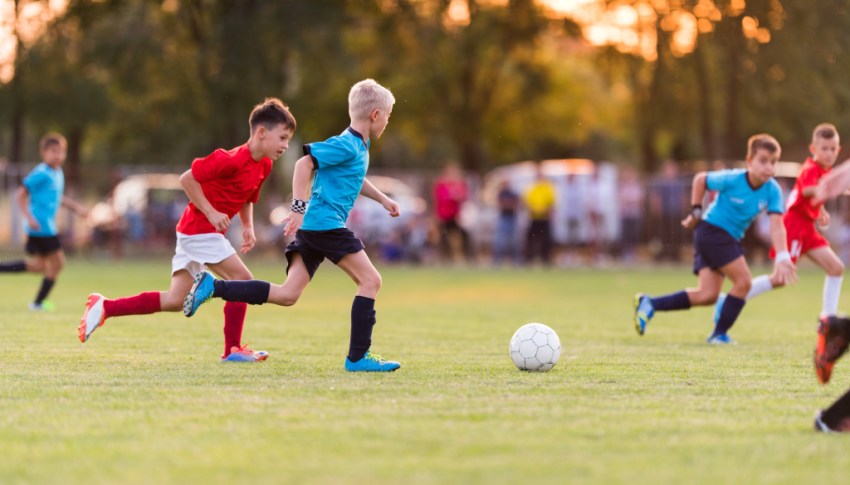
Physical activity supports both physical and mental health, whether it’s organized sports, riding bikes, walking the dog, or playing at the park. For children interested in organized athletics, Brennan suggests recreational sports leagues and individual activities such as swimming, running, biking, gymnastics, and rock climbing.
6. Avoid specializing in one sport too soon
Playing the same sport year-round may sound like a path to success, but pediatricians often see the downside. “I discourage my pediatric patients from specializing in one sport too early,” Brennan says. “High-level athletes benefit from cross-training that comes with playing a variety of sports.” He notes that children who play one sport year-round can develop chronic overuse injuries.
7. Prepare young athletes before the season begins
As children return to practices, tryouts, and games, doctors say families ought to focus on the basics:
- Increase activity gradually before organized practices begin
- Stay hydrated throughout the day
- Prioritize consistent sleep
- Eat enough to support increased activity
8. Warm up the right way
Before sports and physical activity, pediatricians recommend active, dynamic warm-ups rather than static stretching. Dynamic warm-ups use movements such as jogging, skipping, lunges, and arm circles to increase blood flow, raise body temperature, and prepare muscles and joints for activity.
In contrast, holding static stretches before exercise may temporarily reduce strength and power. Saving static stretching for after activity, when muscles are warm, can help improve flexibility and support recovery.
9. Protect growing bodies and brains
Protective gear matters, Brennan emphasizes. “A helmet when riding a bike, skateboard, or scooter can protect that precious brain, and don’t forget to buckle the helmet,” he says.
He also cautions parents about e-bikes and electric scooters, which account for a growing number of serious injuries, emergency room visits, and hospitalizations. “When possible, skip the electric version and stick to good old-fashioned pedaling,” he says.
10. Know the signs of concussion
As children return to school sports, parents should familiarize themselves with concussion symptoms. After a knock to the head, parents should watch out for:
- Worsening headaches
- Repeated vomiting
- Balance problems
- Seizures
- Neck pain
- Unusual behavior
11. Don’t forget vaccines and sun protection
The start of the school year is an ideal time to review routine immunizations. “Vaccines save lives and keep children healthy by building immunity to many serious viral and bacterial infections,” says Brennan. He stresses the importance of families staying up to date on routine vaccinations and annual flu vaccines.
For outdoor activities, doctors recommend broad-spectrum sunscreen with SPF 30 or higher, hats, UV-protective clothing, and sunglasses. Sunscreen should be applied 10 to 15 minutes before sun exposure and reapplied every two hours.
The Bottom Line
Healthy school years don’t happen by accident. Good sleep, nutritious meals, physical activity, hydration, injury prevention, and routine healthcare all work together to help children learn, grow, and thrive.





You must be logged in to post a comment.