
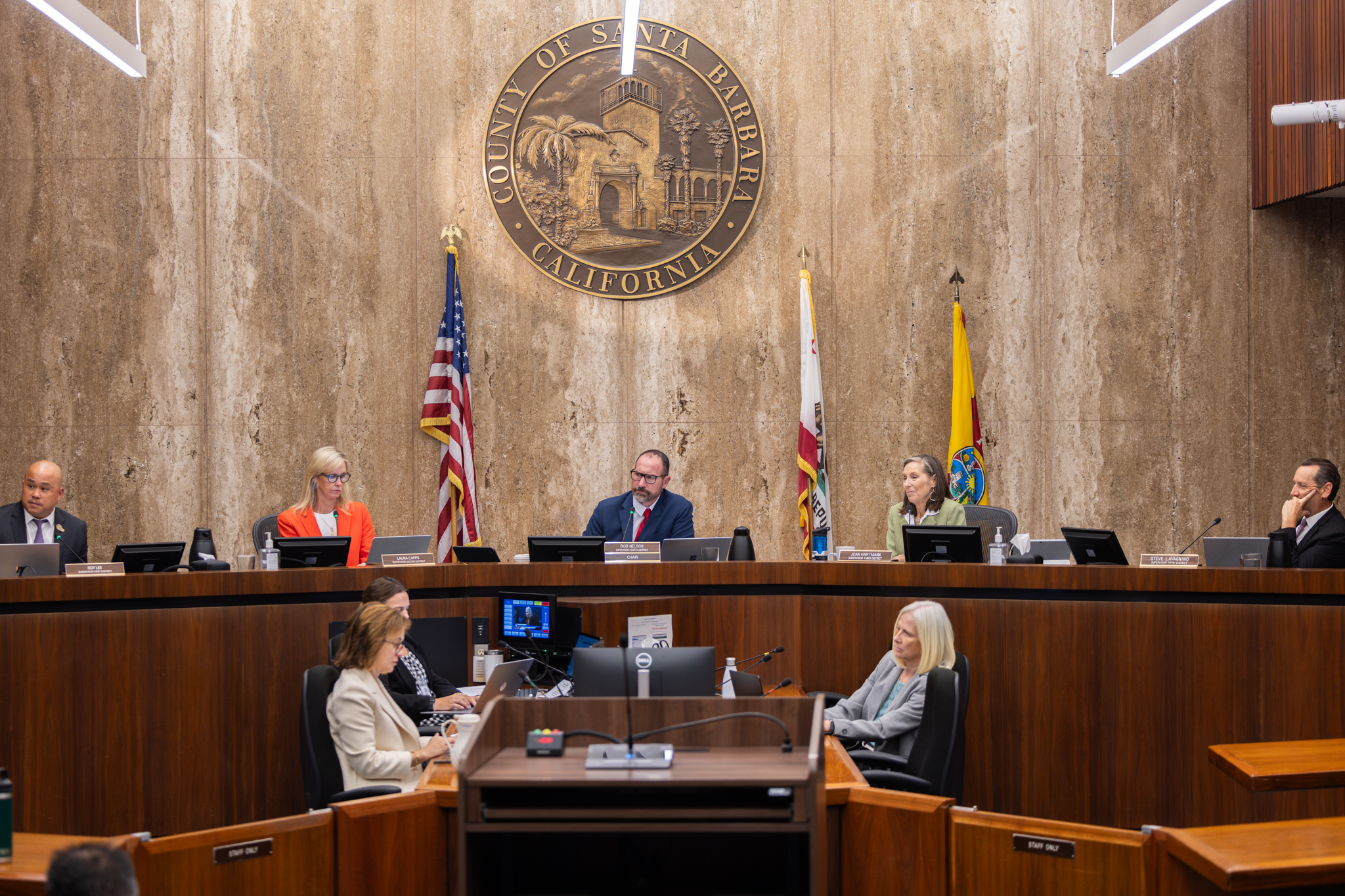
After a morning of epic deliberations, the Board of Supervisors took the first step of what promises to be a protracted and historic pivot to pull the plug on all onshore oil development anywhere in Santa Barbara County. This Tuesday, the supervisors narrowly approved — by a 3-2 vote — a ban on any new onshore oil drilling.
The last time a new drilling proposal was approved took place in 2014.
Since all onshore oil production takes place in North County, the vote predictably followed the board’s traditional north-south split. This week’s vote was strategically tailored to ban only new drilling proposals, but in meetings over the past two years, the board majority had clearly indicated its intentions stop all existing onshore oil operations in the years to come as well.
To inoculate itself against inevitable litigation claiming an illegal, unconstitutional, and uncompensated “taking,” the board majority is hoping to stretch this closure of what has been one of the county’s foundational industries over a long period of time. How long this process — known as “amortization” — will take has yet to be determined. The supervisors were told Tuesday that it will take three years to determine how long this amortization process would be. An environmental impact report would have to be prepared and fought over.
This Tuesday’s hearing was held in Santa Maria, and no fewer than 53 people signed up to speak for or against the proposal. Both sides were passionate and urgent in their testimony.
Environmental activists cited a UCSB report estimating that toxic chemicals released during oil production costs the county $54 million to $81 million in health costs.
Oil company employees — and workers for companies in support industries — blasted the loss of well-paying jobs. Many stressed how Santa Barbara’s oil was produced under more pristine environmental conditions than remotely exist in countries such as Brazil or Iraq, where so much of the California’s imported oil comes from. Roughly 70 percent of all oil consumed in California is imported.
Based on testimony from many pro-oil speakers, litigation is all but certain. Ironically, that lawsuit will all but certainly be waged on environmental grounds. Pro-oil critics of the board vote insisted an environmental impact report should have been prepared for both the new drilling ban and the amortization process at the same time.
County planners opted instead to wait until the amortization process was ripe before undertaking environmental review. There wouldn’t be many impacts to assess, they explained, if they were to review only the new drilling ban. The number of recent drilling applications, they noted, had been nonexistent.
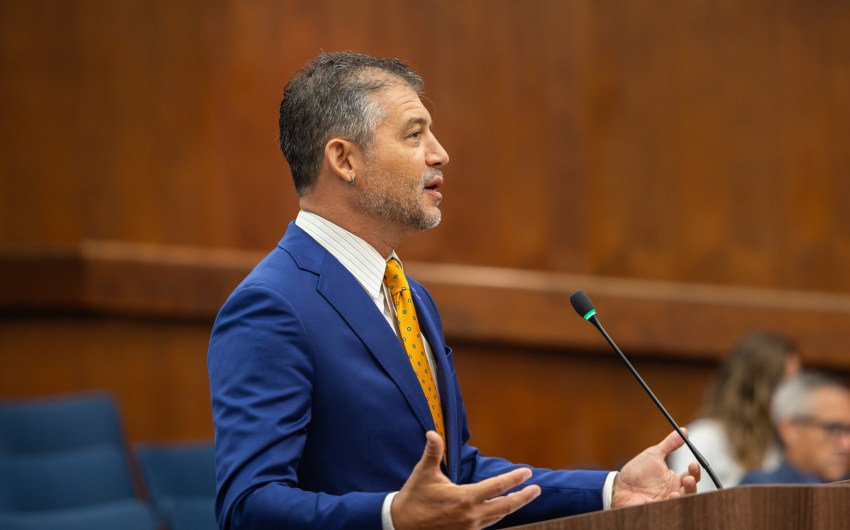
County supervisor Bob Nelson — in whose district most of the affected oil operations lie — and several attorneys speaking on behalf of property owners who lease land to oil companies made it clear they were not satisfied with this explanation. Supervisors Joan Hartmann and Nelson both issued passionate and detailed orations in support of their respective sides — Nelson on behalf of the oil industry and Hartmann adamantly in favor of the shutdown — but somehow managed to find an olive branch.
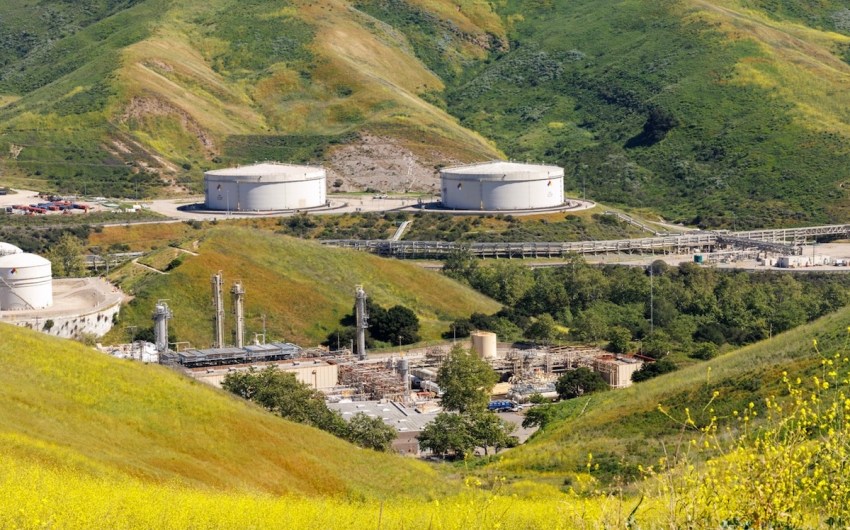
One of the Santa Maria operations looking at being phased out is one of only four operations in the state to produce asphalt in significant quantity. County roads require significant quantities of asphalt for needed repairs and if this plant were shut down, the county’s road repair costs would increase substantially.
Related Posts




Premier Events

Fri, Oct 23
5:30 PM
Solvang
Solvang Haunted House and Street Fair

Fri, Oct 23
7:00 PM
Santa Barbara
Beth Amine’s 20th Anniversary Wildcat Dance Variety Show

Fri, Oct 23
7:00 PM
Santa Barbara
This & That Performs at Roy

Fri, Oct 23
9:00 PM
Santa Barbara
Casa de la Raza Fundraiser: Brasscals! with DJ Darla Bea

Sat, Oct 24
10:30 AM
Santa Barbara
Picnic in the Cemetery: A Live Historical Event

Sat, Oct 24
11:00 AM
Goleta
2nd Annual Charger Cup to Benefit DP High Golfers

Sat, Oct 24
12:00 PM
Santa Barbara
Makers Hive Market
Sat, Oct 24
2:00 PM
Santa Barbara
Japanese Sacred Architecture: Shinto and Buddhism

Sat, Oct 24
2:00 PM
Santa Barbara
Thriller 2026 – Get Scary for Charity!

Sat, Oct 24
3:00 PM
Santa Barbara
Downtown Santa Barbara Trick-or-Treat
Fri, Oct 23 5:30 PM
Solvang
Solvang Haunted House and Street Fair
Fri, Oct 23 7:00 PM
Santa Barbara
Beth Amine’s 20th Anniversary Wildcat Dance Variety Show
Fri, Oct 23 7:00 PM
Santa Barbara
This & That Performs at Roy
Fri, Oct 23 9:00 PM
Santa Barbara
Casa de la Raza Fundraiser: Brasscals! with DJ Darla Bea
Sat, Oct 24 10:30 AM
Santa Barbara
Picnic in the Cemetery: A Live Historical Event
Sat, Oct 24 11:00 AM
Goleta
2nd Annual Charger Cup to Benefit DP High Golfers
Sat, Oct 24 12:00 PM
Santa Barbara
Makers Hive Market
Sat, Oct 24 2:00 PM
Santa Barbara
Japanese Sacred Architecture: Shinto and Buddhism
Sat, Oct 24 2:00 PM
Santa Barbara
Thriller 2026 – Get Scary for Charity!
Sat, Oct 24 3:00 PM
Santa Barbara

