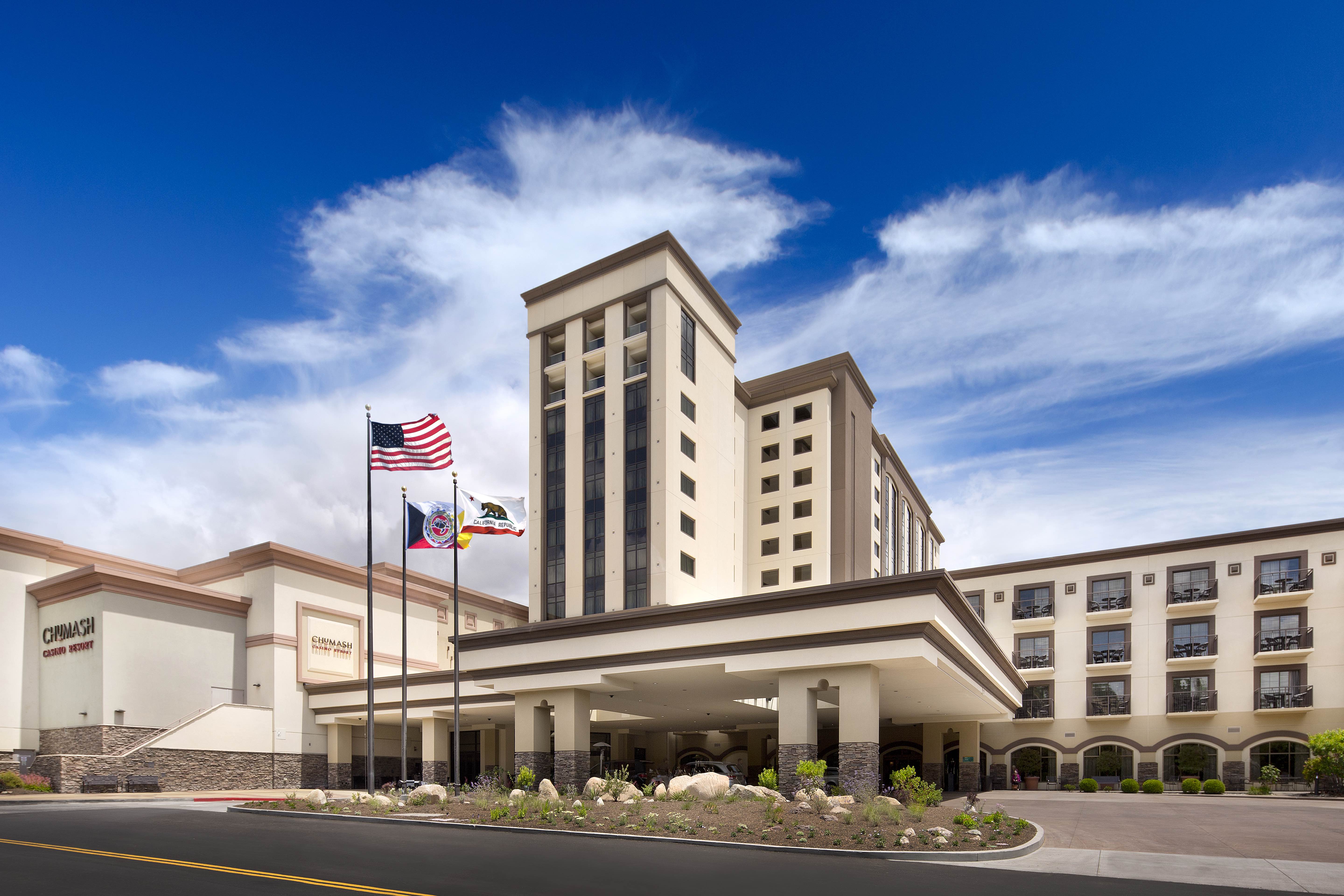
The Santa Barbara County supervisors met behind closed doors for several hours late Tuesday morning trying to make sense of last Wednesday’s announcement that the Santa Ynez Band of the Chumash has initiated the process of taking a 360-acre piece of land adjacent to Chumash Casino Resort into “federal trust status.” This opaque designation essentially grants the tribe carte blanche to do whatever they want with the land by Highway 154 and Meadowlark Road — now used for passive grazing and occasional special events such as the most recent Intertribal Powwow — unencumbered by local land-use restrictions or considerations.
In a nutshell, the supervisors have little inclination to sue the tribe and even less legal standing to do so. For now, it appears no immediate changes are immediately on the horizon.
Supervisor Joan Hartmann, who represents the district, said she’d been in talks with the tribe to ease the regulatory burden it faced when seeking special event permits, as well as about a possible partnership with tribal leadership over plans to build new sports playing fields on the land, not to mention glamping-like amenities. The announcement caught Hartmann and her fellow supervisors flat-footed and gave them only 30 days to alert the public, hold a hearing, make comments, and weigh their options.
Fifteen years ago, the tribe purchased a 1,400-acre parcel of adjacent land known as Camp 4 from actor Fess Parker and took it into “trust.” Many in the Santa Ynez Valley blew up in protracted outrage. Ultimately, a split Board of Supervisors voted to sue the tribe and the federal government, but the law was against them then and has reportedly grown even more so since. The tribe prepared an environmental impact report and, thanks to federal intervention, got permission to build the 143 homes it had proposed. But the bruised feeling incurred back then linger still and might explain the secrecy with which the tribe proceeded with this chunk of land.
But why now? With the advent of sports betting and “predictive markets,” casino gambling is no longer as lucrative as it used to be. This summer, State Senator Monique Limón co-authored a special urgency bill to expand the tribe’s permit from 2,500 slot machines to 3,000. In addition, her legislation — which passed the Senate unanimously and was signed into law by Governor Gavin Newsom — extends the tribe immunity from further environmental review and extends the lifespan for the tribe’s gaming compact with the state by 20 additional years.
What that means for a county government that appears to hold no legal cards has yet to be seen. Supervisor Hartmann said she is inclined to ask the tribal leaders for assurances that they are not planning to build an additional gaming facility on the chunk of land often referred to as the “Triangle Property.”
Under the tribe’s existing compact with the state, it is legally entitled to develop two gaming facilities, not just the one it currently operates. The supervisors are putting the issue on their agenda for their November 10 meeting. Multiple calls to tribal leadership were not returned by our deadline.