

The Santa Barbara Independent‘s
41st Annual Celebration of Heroes
By Indy Staff | Photos by Ingrid Bostrom
November 25, 2026
The first Local Heroes story was in the first issue of the Santa Barbara Independent. That was 40 years ago. Since then, it’s been the Indy’s annual Thanksgiving tradition. That it ever happened in the first place has always seemed to me a bit of a minor miracle — a perfect example of how blind luck and pure panic can sometimes create a good thing.
The Independent’s first editorial meeting was held in the tiny newsroom of our old offices on Montecito Street. The place was jam-packed with journalists, most of whom were meeting one another for the first time. The atmosphere was not friendly. Until the day before, everybody had been working for two different papers — two small, bitterly competitive papers — whose owners had decided to merge and form the new Santa Barbara Independent. Let’s just say it was a polarizing environment.
It fell to me as their editor to get this disgruntled bunch working in enough time to put out a paper by Thanksgiving Day — less than a week away. It was not a promising scene. An idea from one group was shot down as too frivolous; an idea from the other group was dismissed as too boring. Mercifully, our executive editor at the time, Audrey Berman, somewhat desperately suggested we publish a list of people who make Santa Barbara a great place to live — a sort of gratitude story. I asked everyone to offer names. Silence. Then a voice in the back called one out. Almost immediately, I could feel oxygen seep back into the room. It was a great suggestion — a real Local Hero. We were all agreeing. Soon everyone was throwing out names. So many names. It was as though we all suddenly remembered how lucky we were to be living in Santa Barbara.
Since then, our annual Local Heroes issues have honored more than 800 men and women from all walks of life, from all parts of Santa Barbara County. Some are in positions of prestige and power, and most are not, but they all share qualities of kindness, generosity, and courage. This year’s Heroes are the same. They are all going about their daily lives, doing their best to make life better for all of us. Their actions remind us that we are all neighbors.
It is with heartfelt appreciation, and our great pleasure, to honor the Local Heroes of 2026.
—Marianne Partridge, Editor-in-Chief and co-founder
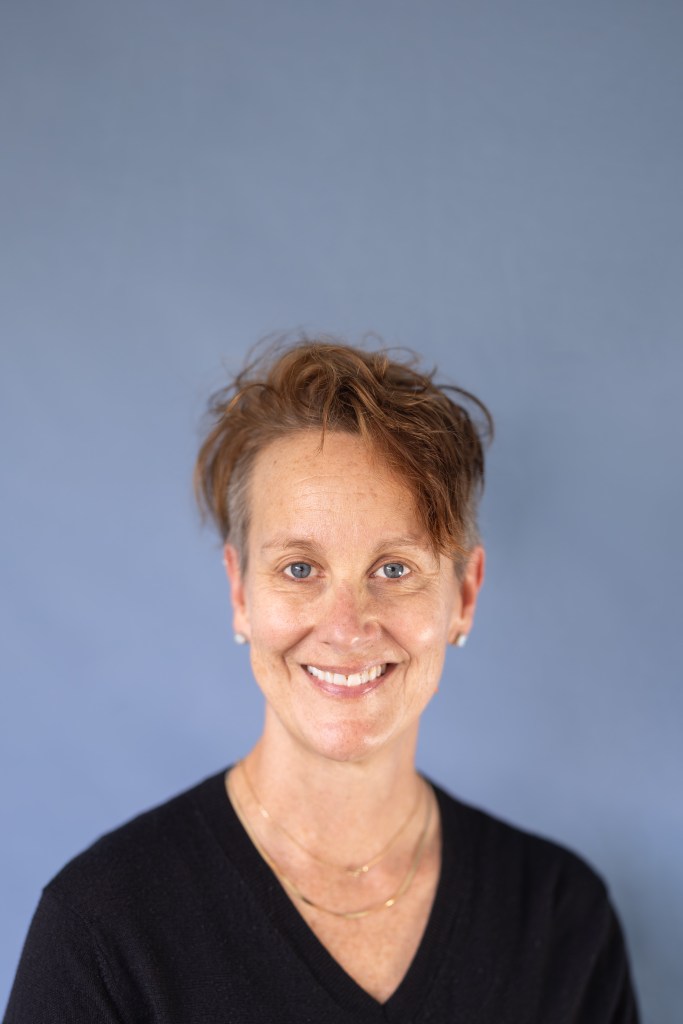
Adrienne De Guevara
Opening Art for All
“My work is very community based. I’m very community based, personally,” the interdisciplinary artist said.
Adrienne De Guevara began working for the Santa Barbara Arts Collaborative in 2022, but first became enmeshed in the Santa Barbara arts scene after moving back here in 2015 and volunteering at CAW in 2019.
Since then, De Guevara, who now helps run CAW, has expanded the melodious Pianos on State program, which springs up along the city’s main drag each October. She coordinates the student artists who turn the pianos into vibrantly painted artworks and encourages the performers who entertain passersby, urging everyone to pick out a few tunes. Working alongside co-organizer Patrick Melroy, they organized the joyful and zany Kinetic Cake Expo that began in 2024 and the Ready to Hang project: CAW’s annual community art exhibit that showcases local artists and hosts a free pop-up.
CAW is open to anyone who has an idea and wants to act on it, and “that means a lot to me, because it’s not gatekeeping,” De Guevara said.
That is the same attitude De Guevara brings when organizing and emceeing drag shows that have given kings in Santa Barbara a space to perform, and also helps young performers find their footing.
De Guevara said that when meeting young artists who ask about the scene, she tells them, “You are the art scene.” De Guevara has succeeded in getting folks to connect with each other, to think outside the box, and to create something new and interesting. Santa Barbara’s art scene is more accessible, engaging, exciting and downright fun for it.

Dacia Harwood
History for All
At the opening of an exhibit on the history of Summer Solstice, aerial dancers performed in the courtyard of the Santa Barbara Historical Museum. Kaleidoscopic posters hung next to showcases of feathery masks and sequined puppets. As one grinning guest walked by, Dacia Harwood overheard them say, “This isn’t your grandma’s history museum.”
“That’s exactly what I’m going for,” said Harwood, the institution’s executive director, who over the last seven years has led its successful programming renaissance with concerts, exhibits, and community events that better connect visitors to Santa Barbara’s unique history. That also includes jazz and flamenco performances. “There’s a misconception that museums are old and boring,” she said. “We try to have fun and not take ourselves too seriously.”
Of course, as a history major forever fascinated with the region’s past, that doesn’t mean Harwood has forgotten the museum’s unique mission as a repository for thousands of artifacts, manuscripts, and other relics of Santa Barbara life dating back to the 15th century. “We are the keepers of the community’s history,” she said.
As such, Harwood and her team led the successful charge to acquire and preserve the physical archives of the Santa Barbara News-Press following the paper’s closure and bankruptcy, including about a million photographs, microfilm, and bound editions spanning 150 years. It was an intense and expensive yearlong effort — which culminated in two straight weeks of packing boxes — that Harwood counts among her proudest achievements. She credits a supportive board, generous donors, and volunteers with making it happen.
Now that the archives are publicly accessible — digitized versions can also be found at Newspapers.com — Harwood loves seeing visitors flip through the clippings. Someone recently stopped by looking for a photo from their basketball days. Another recognized their grandmother making tamales in De la Guerra Plaza. “People get to see themselves in the history of Santa Barbara,” she said.
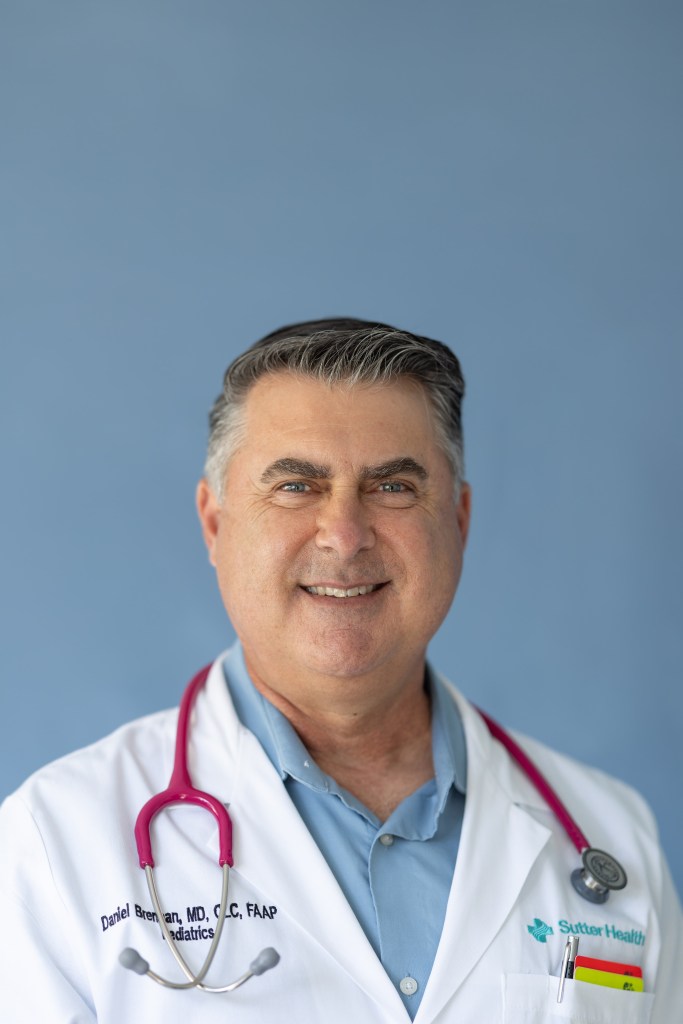
Dr. Daniel Brennan
Pediatrician and Coach
When Daniel Brennan was 13, his pediatrician, Dr. Ernest Kolendrianos, asked what he wanted to be when he grew up. “A pediatrician, like you,” he said. The doctor joked that someday he’d be his replacement. Brennan took it as the plan.
He followed it home. Born in Santa Barbara, Brennan spent his early childhood in Orange County before returning in 6th grade and graduating from San Marcos High School. After his training at Cedars-Sinai, he and his wife, also a Santa Barbara native, came back. This year marks 25 years in practice.
For Brennan, keeping kids healthy doesn’t stop in the exam room. “I try to put fingers into the community, so that things we’re talking about in the office are available for kids to do,” he said. When his oldest son turned 4, Brennan became an AYSO soccer coach, eventually leading more than 60 youth teams. He was president of DP Little League, currently serves on the Santa Barbara and Ventura baseball league board, referees youth soccer, and volunteers on the Dos Pueblos football sideline. This year, he also helped launch a Saturday walk-in sports medicine clinic through Sutter Health for injured student athletes.
In 2014, after a local infant died of whooping cough. Brennan brought together health systems, schools, and nonprofits for a “community immunity” campaign, built on the idea that high vaccination rates protect infants, cancer patients, and others who can’t be vaccinated. He reassembled the group in 2020 during the COVID-19 pandemic. In 2026, he was named a California Immunization Champion, and his practice’s vaccination rate now sits at about 95 percent.
He isn’t finished. Three months ago, he started the Central Coast Immunization Coalition. The goal, he said, is to “help people regain confidence in vaccines.”
It all comes back to where he’s from. “I grew up in a small town,” Brennan said, “and I definitely wanted to try to build on the things that people gave me.”
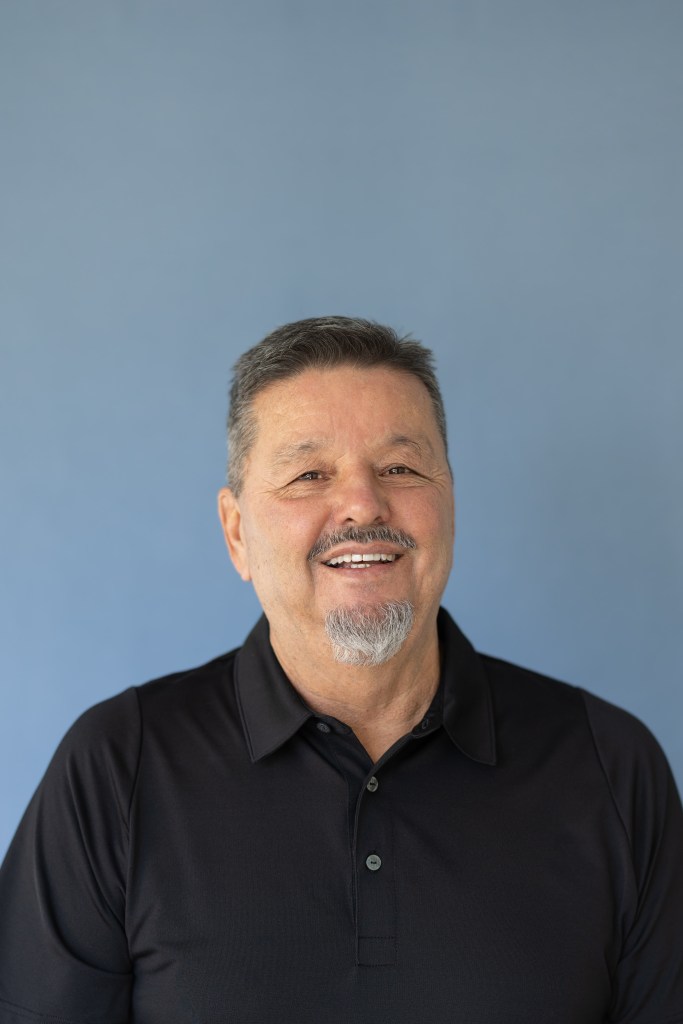
Danny Topete
Working Muffler Magic
Danny Topete has spent the majority of his last 45 years under cars, and for the past 25 of those years, he has been running Goleta Mufflers & Brakes singlehandedly. His workshop, tucked off of Fairview Drive in Goleta, is just wide enough for his vehicle lift.
Topete will work on any car, ranging from luxury BMWs to classic woody surf wagons from the ’40s. But his real joy is designing new exhaust systems from scratch and working with customers to meet their needs.
“They come to me and I’ll build whatever they want,” said Topete.
As a craftsman, “I can cut and weld sections and just repair that section that you need,” he said, instead of replacing the whole muffler, like dealerships do, allowing him to keep the costs down for his customers while also getting the majority of the cars that pass through his shop done in the same day.
Topete moved to Santa Barbara from Mexico when he was 14 years old, enrolled at Santa Barbara High School, and has been servicing cars in Santa Barbara and Goleta ever since he graduated.
In 2001, the shop that Topete had been working at was sold, so he decided to venture out to start his own business. He officially started Goleta Mufflers and Brakes just one week before the terror attacks on 9/11.
He loves being his own boss, and he does everything at the shop. “I’m even the janitor,” said Topete with a chuckle.
“I’m not a real hero. I’m just a regular worker,” Topete said. Instead, he talked about the people he called his “real heroes”: his mother, wife, children, and grandchildren. “I’m a lucky person to have them.”
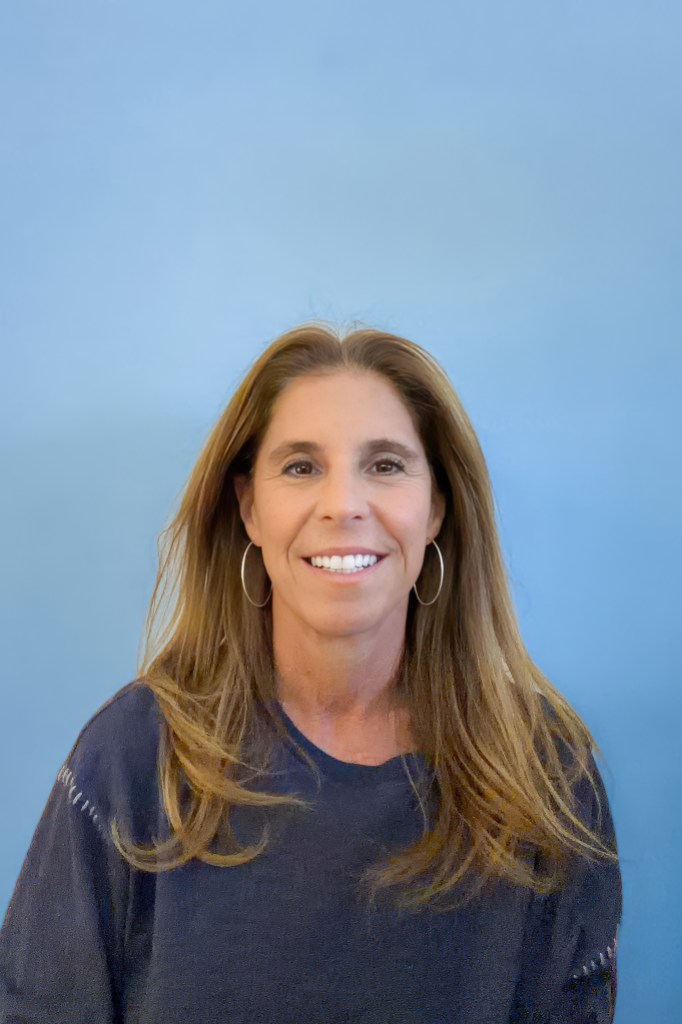
Fran Lewbel
Choosing Freedom
It was by sheer chance, Fran Lewbel says, that she went to study spiritual psychology at the University of Santa Monica (USM) — a joining of traditional psychology with a study of the mind, the heart, the soul — and it was a transformative experience, one that she brings to the Santa Barbara County Jail once a week for six weeks at a time.
Lewbel takes part in the Freedom to Choose program, organized by David and Bonnie Paul, who live in Santa Barbara and teach at USM. The program has mixed people from the outside with people on the inside at prisons across California for 19 years. Once word spread from prison to jail, inmates in Santa Barbara asked to participate in a local program.
Lewbel’s lively energy is matched only by her serious empathy. Working in groups of three, they work through questions such as, “What triggered you this week, and how did you deal with it?” Each person asks and answers the same question in turn, including Lewbel. She said she is sometimes surprised by the insights in their resulting discussions.
“People always say, ‘What do you have in common with men or women in prison?’ ” But she said, “We’ve all probably felt neglect, or frustration, or abandonment, and hopefully we’ve all had the opportunity to feel joy and gratitude. So that’s where we connect.
“But however you were raised, when you really listen to a man as he answers a question, and I repeat back, ‘This is what I heard you say,’ and he has the opportunity to say either, ‘Oh my God, Fran, spot on,’ or, ‘Actually, I didn’t mean it that way. Let me try again.’ So, they’re learning these skills, things that they take with them their whole life, when they’re talking to their wives or their kids on the phone, and I’m practicing things that I keep need to practicing. It’s really extraordinary.”
Heather Stevenson
Resistance in Song
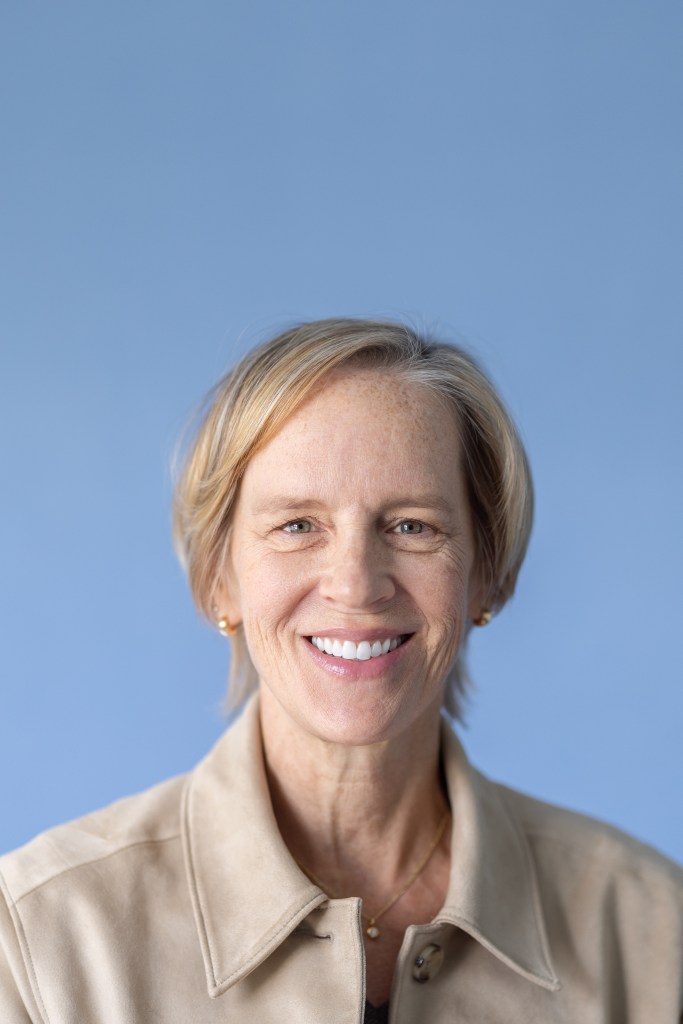
The lightbulb moment for Heather Stevenson, who had always wondered if individual protests did any good, came when she understood that in every protest there needs to be an element of fun. People have to want to show up. There will be righteous anger, of course, but there must also be joy. “That motivated me so strongly,” she said.
So, Stevenson, a nonprofit grant writer and lifelong singer, brought a small drum to Santa Barbara’s first No Kings rally. “Just in case,” she said. Her group of seven started singing as they marched. The songs were easy to pick up, and soon others were joining in. Stevenson put the word out before the next protest and hoped for 20 singers. She got twice that. At a recent rally, more than 100 people let their voices fly with hope and courage.
Thanks to Stevenson, Santa Barbara is now an official member of Singing Resistance, a national movement of protest in song formed after the killing of Renee Good. Outside of anti-authoritarian events, Stevenson also regularly leads song circles at places such as the Farmers’ Market, organizes small “pocket choirs,” and serves as a gentle conduit for those yearning to sing publicly but perhaps too nervous to try.
“As someone who spent my entire life silently mouthing the words to ‘Happy Birthday,’ ” said Michelle Howard, “I have never felt more inspired, comforted, and included in singing than I have with Heather Stevenson.” The sense of community Stevenson has produced is palpable, Howard said, and she’s given Santa Barbara something rare: “the feeling that every voice belongs.”
Stevenson has always known what music could do for her. “I always loved it and knew it was for me.” But it wasn’t until she started leading song circles in 2019 that she discovered how she could contribute to others through singing. “It’s powerful,” she said. “People are tender around this topic, and I want to make sure I’m supporting them. Singing has the power to do so many things.”

John Duffy
Leveling the Playing Field
Dos Pueblos High School senior John Duffy saw a need in the sports community and sprang into action.
With the rising cost of club and recreational sports, the financial burden facing families can create a barrier to participation. Duffy sought ways to alleviate that burden and came up with the nonprofit organization Ready Set Play Sports (RSPS).
“The pay-to-play culture is real here. Club fees can be thousands of dollars yearly, and that’s before tournament fees and before people have to pay for hotels,” Duffy said. “I just really saw people having to stop playing because of these financial barriers.”
The organization’s model is simple and community-based. Students and families donate gently used sports equipment, participating schools provide collection points and volunteers, and student volunteers help sort, clean, and prepare gear for redistribution.
Rather than relying exclusively on occasional donation drives, RSPS establishes recurring school partnerships, collection infrastructure, volunteer opportunities, and relationships with local organizations that can help process donated equipment. These efforts are designed to create a sustainable system for collecting and redistributing sports gear throughout the community.
“The moment I knew it had the opportunity to scale as much as it did was at a redistribution event on the weekend of my first event. There was a kid who came and grabbed a pair of cleats and a soccer ball,” Duffy recalled. “His mom was with him, and she asked how much she owed me for the cleats…. Once I told her that she owed me nothing, I could really see the impact I had made on her.”
Ready Set Play Sports is accepting financial donations through its website, readysetplaysports.org, to help fund its permanent expansion into more schools in the Santa Barbara area.
James Wimmer
Violin Maker
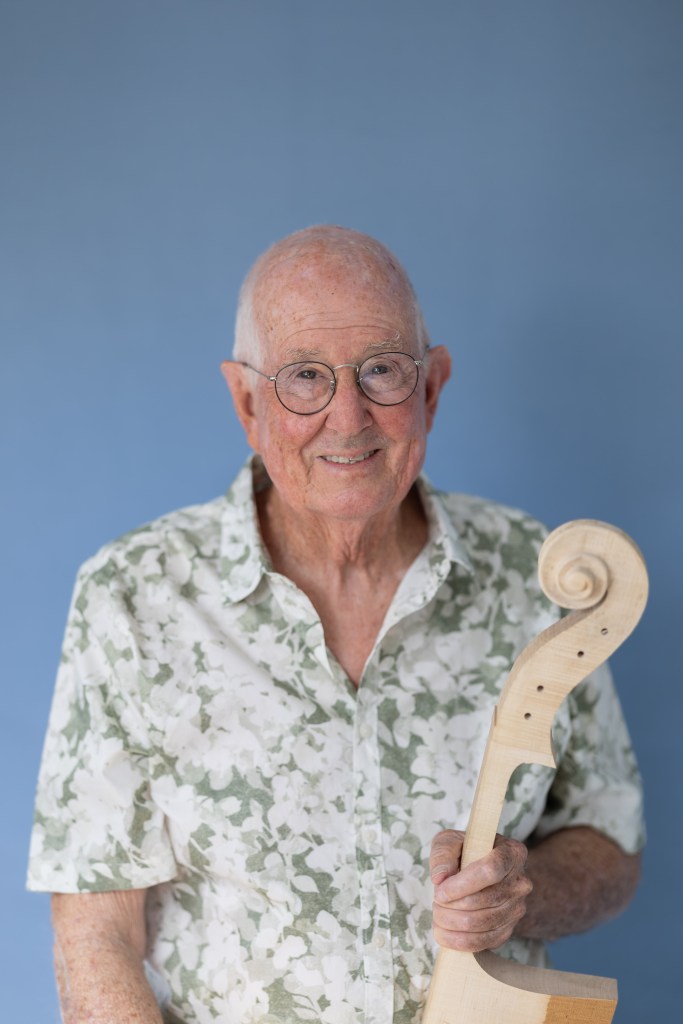
Your kids dropped your CD collection down the F-holes of your string bass? For years, there was only one person in town to call — James Wimmer. Not only can Wimmer fix it and laugh about it, but he can make you laugh, too.
For such a seriously accomplished guy — he’s a virtuoso violin maker who teaches violin makers around the world their craft — Wimmer is notoriously un-snooty. He’s all about the music and the adventure of making it. Somehow, Wimmer managed to remember it’s all supposed to be fun, no matter how many tuxedos get worn in the making of this music.
An accomplished player in his own right with expansive musical ears, Wimmer is an exceptional violin maker. He knows what woods make an instrument truly sing and how to combine such woods to create instruments of rare sound. And, of course, he also has a long history of repairing instruments, re-hairing bows, and everything else needed to make the strings and the bows dance.
The Music Academy of the West commissioned Wimmer to build all the instruments for its Hubert Schwyzer Quartet. He functions as musical cornerman for the likes of Gilles Apap and Joshua Bell. It’s fair to say that Wimmer elevated Santa Barbara’s musical IQ just by being here, even though he is now semi-retired. If Antonio Stradivari lived in Santa Barbara, he’d definitely be going to Wimmer for repairs. But in the meantime, if some schmo comes in with a bass full of clutter courtesy of his kids, Wimmer will probably still be happy to surgically lift off the belly, clear out the instrument’s innards, and let the music begin.
Karen Steinwachs
Women Winemaker Uniter
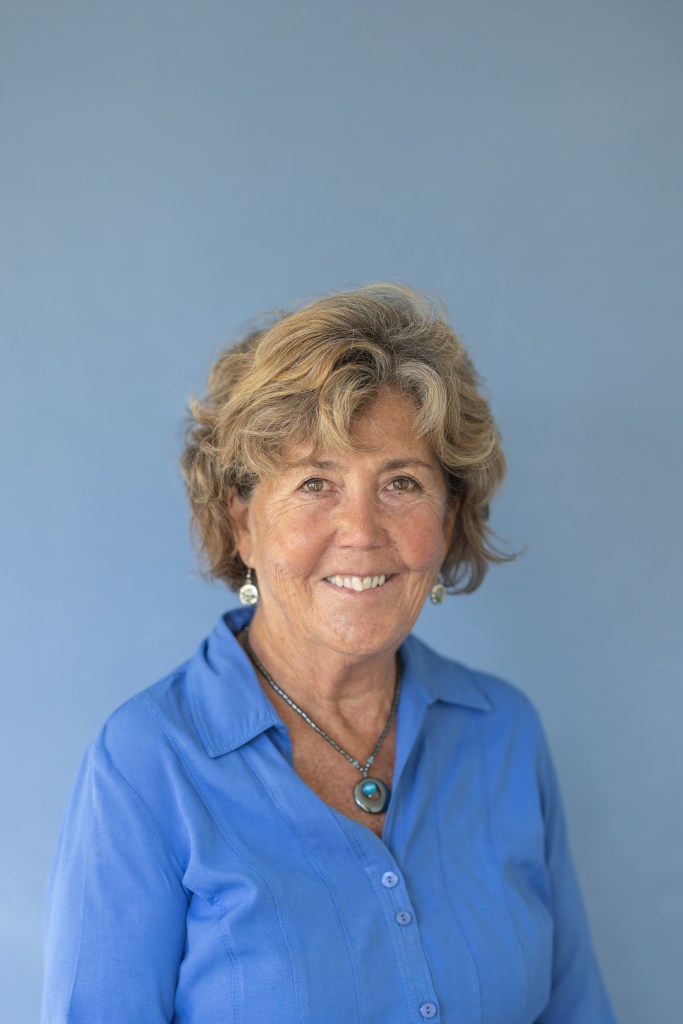
Women were working as winemakers long before Karen Steinwachs came to town, and they’ll be here long after she’s gone. But Steinwachs was the one who held a mirror up to the women winemakers in Santa Barbara County — home to the most female vintners per capita in the wine industry — and made everyone recognize how remarkable a community it is.
In 2015, inspired by Patricia Arquette’s speech at the Oscars, Steinwachs rallied the sisterhood to a gathering at Sonja Magdevski’s Casa Dumetz in Los Alamos. “It just got bigger and bigger and bigger,” she said. It grew into the nonprofit Women Winemakers & Culinarians Foundation, which now hosts a series of events to raise awareness and scholarship money for wine and food pros across the region.
“It gives women who are interested in becoming winemakers the vision that they can do so,” said Steinwachs, who is also the president of the Vintners Foundation — which supports vineyard workers with clothing, cash, and healthcare — and picks up trash every weekend with the Valley Clean Team. Aspiring chefs are included. “There are fewer women in the kitchen than there should be,” said Steinwachs.
The impact is obvious. “It’s tremendous to see the younger girls coming up,” said Steinwachs. “They’re passionate and they’re curious and they feel they have the support. That’s what is really important.”
Kathi King
Climate Steward Queen
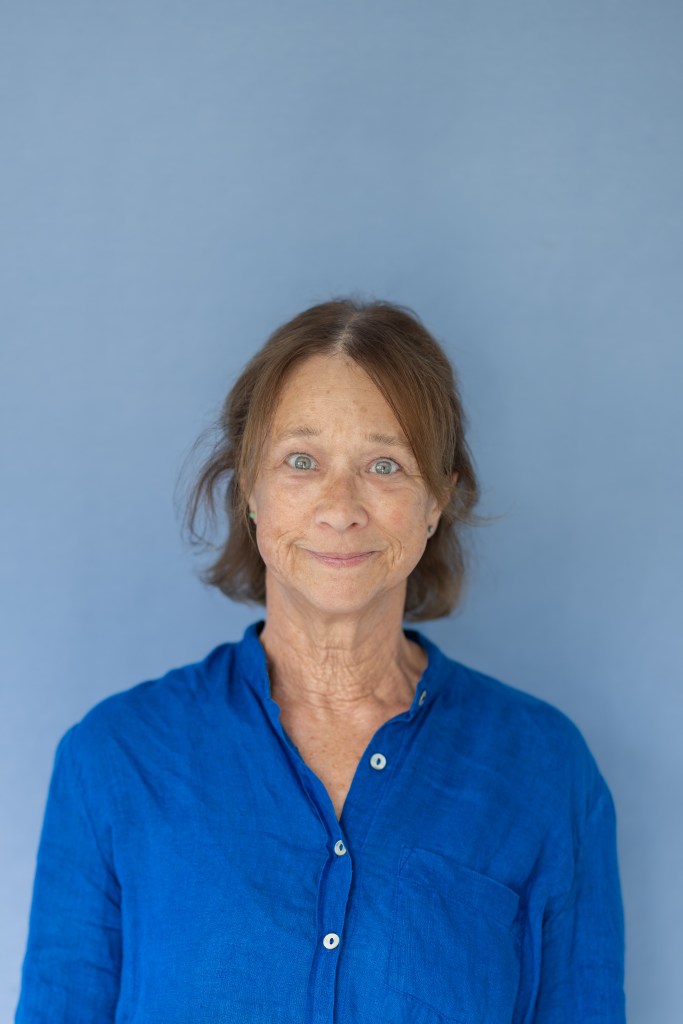
Kathi King’s environmental advocacy was catalyzed by concerns for her children. How could she stand by as the world around them burned?
“I didn’t want to be on the sidelines, especially as a parent,” she said.
Instead, she “gobbled up” classes in environmental science at Santa Barbara City College, where she wrote a pitch for a city-wide plastic bag ban. By finals, the proposal had made its way to the City Council. “We didn’t have the votes then,” she said.
But she did land a gig at the Community Environmental Council (CEC), bringing that “passion for plastic reduction … and the problem has only gotten bigger,” she said. Now director of education and operations, she led campaigns that distributed thousands of reusable bags to the public and brought education and bottle-filler stations to regional schools.
Flash forward 19 years later, and King’s children are grown, but her work hasn’t stopped.
Today, her baby is CEC’s Climate Stewards program — a certification course that began in 2021 to educate people on climate science and equip them to make a difference in their communities. It focuses on injecting hope into a landscape that can sometimes feel hopeless.
In just the last five years, more than 250 people have graduated from the program. One alum, Makenna Earl, started SailKind, a project that makes reusable bags out of retired boat sails and gives the proceeds to ocean conservation organizations.
In 2025, CEC opened the course to high school students and now reserves scholarships for K-12 teachers. “We want young people at the table, King said. “It’s their future, and there’s so much that they can do, even when they can’t vote.”
Kip Evert-Burks
You Can Fight City Hall
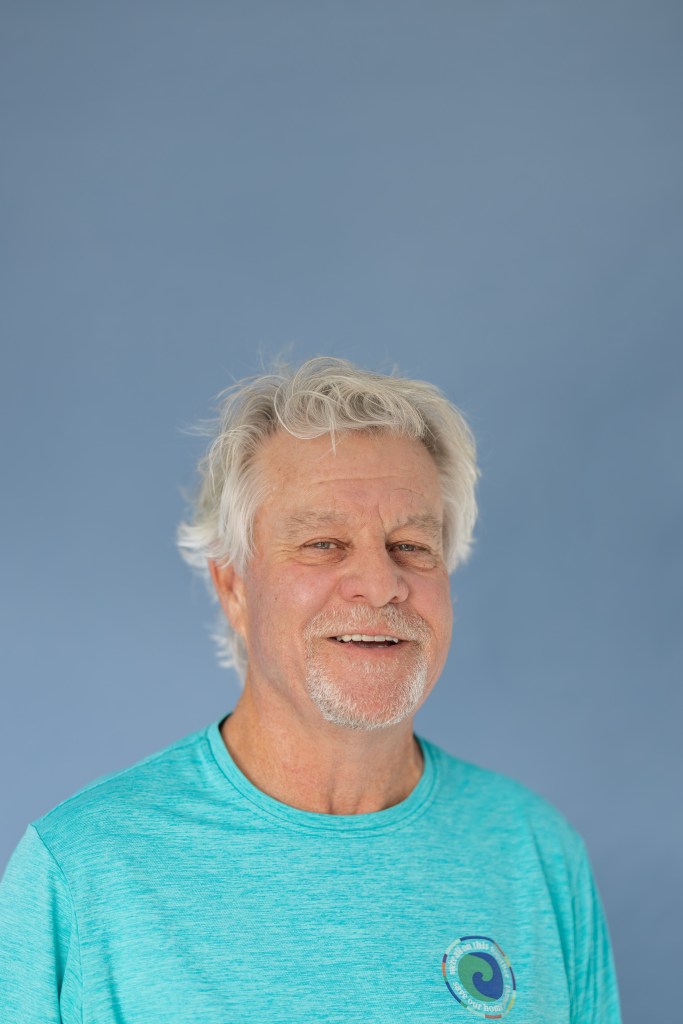
Kip Evert-Burks is a retired City College librarian, an avid cyclist, and, most importantly, a 32-year resident of the Eastside. A word to the wise: Don’t mess with his neighborhood.
About four years ago — around the time he retired — Evert-Burks began wondering about the loud screech-honk braking sound drivers made as they soared down the mountain side of De la Guera Street, careening into Olive Street. Why were there only two-way stop signs there instead of four? He asked the traffic czar at City Hall. There are not enough accidents there to mandate a four-way stop, he was told. “What?” he asked. “You have to have more accidents before you do something to prevent accidents?”
Most mere mortals would have walked away. Not Evert-Burks. He pressed on. He has the trail of emails to prove it, but little to show for it. But he did not go away.
“It’s my neighborhood. If I need to do something, I do it,” he explained. After four years, he upped the ante. Evert-Burks made 20 small signs that he posted in the neighborhood. “DO YOU WANT SAFE STREETS?” it asked. Underneath, Evert-Burks listed Traffic Czar’s name, phone number, and email address. And, apparently, people began calling and asking for themselves. Pretty soon, the intersection sprouted two additional stop signs. It’s gotten quieter. And safer.
Evert-Burks called to thank Traffic Czar. But it was also to put him on notice of another intersection — at Canon Perdido and Quarantina streets — that needed an upgrade to a four-way stop. State traffic safety codes, Traffic Czar explained, do not require or allow it. Being a former librarian, Evert-Burks looked up the code himself. Traffic Czar, he claims, is reading it wrong.
“I’m not going to give up,” he vowed. “It’s my neighborhood.”
Laura Costilla
LEAP Community Engagement Specialist
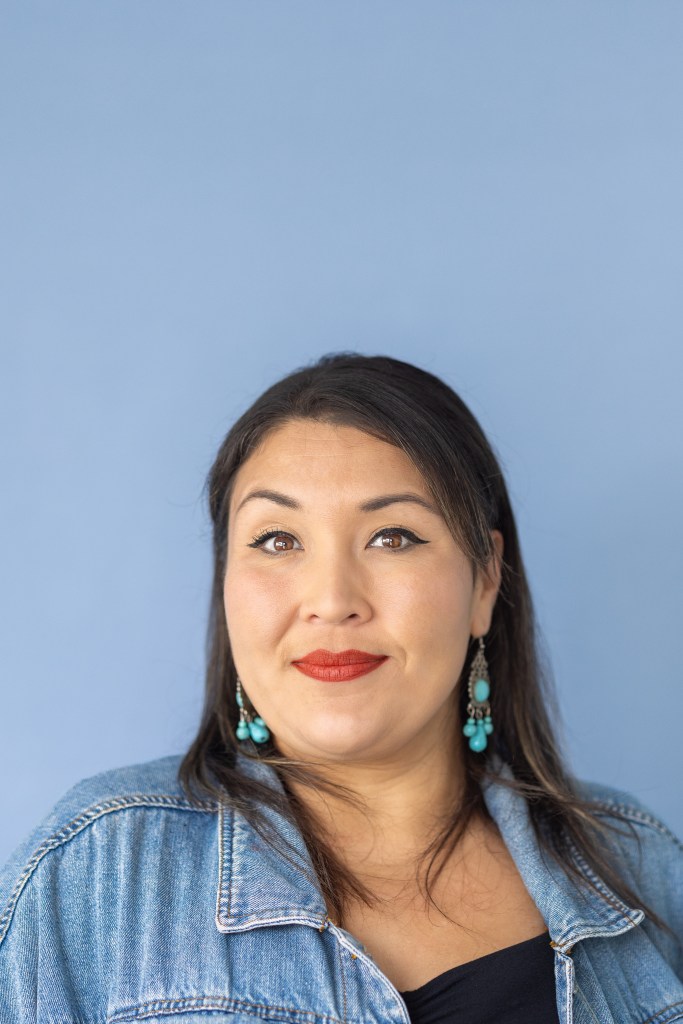
When a mother and her 2-year-old son returned home after being held in immigration detention in Texas, Laura Costilla was waiting at the airport. Alongside her daughter, Costilla greeted them with a welcome-home banner made by the child’s preschool and a car full of donated essentials. After everything they had endured, she wanted them to feel welcomed, loved, and safe.
As community engagement specialist at LEAP (Learn. Engage. Advocate. Partner.), Costilla has become a trusted resource for families navigating difficult circumstances. She spoke with the mother daily; helped arrange housing, food, clothing, and medical care; and connected the family with ongoing support. It was a commitment that extended far beyond their homecoming.
Her connection to LEAP began 19 years ago, when the organization welcomed her 3-month-old son into its childcare program during a difficult time in her life, allowing her to work and build a better future for her family. Years later, she returned as an employee, eventually discovering her passion for connecting families with resources.
“I know firsthand how life-changing it can be when someone opens a door for you,” she said, “and I feel incredibly blessed that I now get to do that for others.”
Whether coordinating holiday gifts for families, connecting parents with community resources, or helping a young child process the fear of witnessing immigration enforcement in his own neighborhood, Costilla’s work often begins with listening. She believes trust is built by showing up, following through, and making sure people never feel ashamed to ask for help.
“I never want families to feel judged or embarrassed about asking for help,” she said. “Life can change so quickly, and any one of us could find ourselves needing support.”
Liz Holbrook
and Don McDermott
Caring for Wildlife
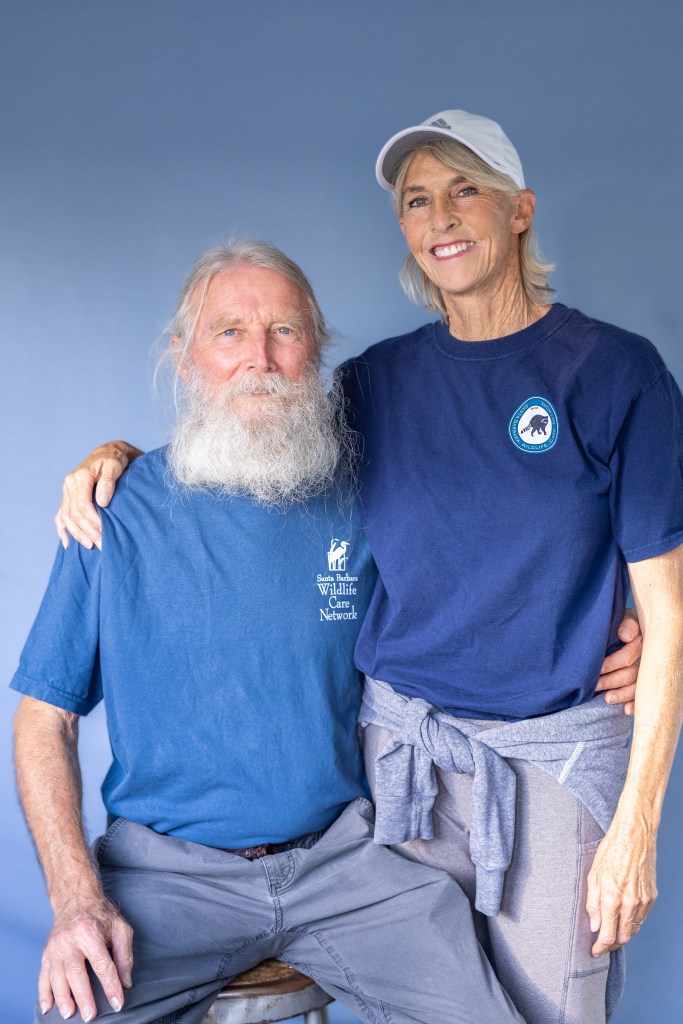
Liz Holbrook and Don McDermott are both rescue volunteers for the Santa Barbara Wildlife Care Network (SBWCN). Holbrook has been rescuing animals since she was a child and officially through SBWCN for the past 25 years. McDermott has always had an interest in helping injured wildlife and started volunteering three years ago.
There is no way of knowing exactly how many animals the pair has saved, but it is safe to say that the number is in the tens of thousands. They each pick up several animals a day, seven days a week. McDermott is retired, and Holbrook works by night — for a company that sells horse care products — so that she can rescue wildlife all day.
They get calls for animals that range from as small as a baby mouse to as large as a coyote.
In the past two years, McDermott has put 70,000 miles on his blue, electric VW bus, which is filled with crates, towels, and blankets. He picks up animals from Santa Maria all the way down the South Coast, and he transports animals as far as San Pedro for treatment. “I’m happier doing this than anything else,” said McDermott
On multiple occasions, Holbrook has called California Highway Patrol and stopped traffic on Highway 101 to rescue an animal. “One time, the officer that came to meet me on the 101, he goes, ‘You want me to do a traffic break for a seagull?’ and I said, ‘Yes, and if you don’t, I’ll probably do it anyway.’ ”
The pair encourages people to call SBWCN if they see an animal in distress, and to consider volunteering for the organization, “so Don and I don’t have to be everywhere!” said Holbrook.
Marguerite “Maggie” Sanchez
Street Medicine Pioneer
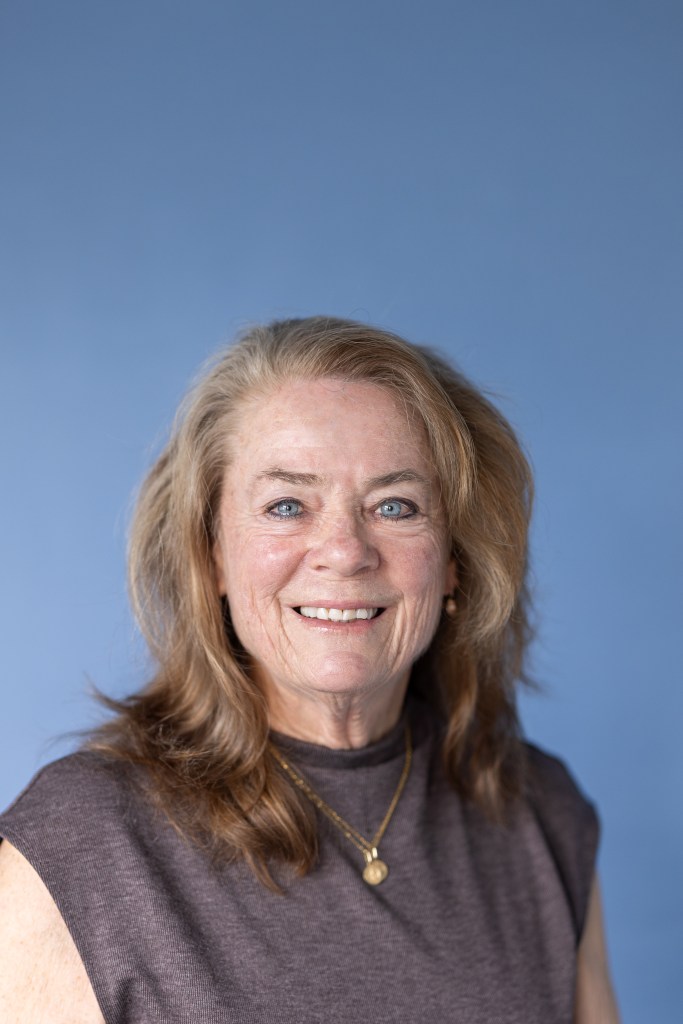
After two decades of service, founding member and Executive Director of Doctor Without Walls–Santa Barbara Street Medicine (DWW-SBSM) Marguerite “Maggie” Sanchez says her initial motives were not generous. “The reason I got involved with Doctors Without Walls was extremely selfish. I was really broken from the loss of my husband and was really angry at this population of people who had basically stolen services from him when he was in the ER.”
In the last year of her husband Ted’s life, he was struggling with cancer treatments and horrible neuropathy that landed him in the emergency room, where they were “constantly dealing with homeless people who wanted food or fellowship or just to get in and out of the cold,” says Sanchez.
That experience led to her getting to know the ER doctors and helping Santa Barbara Public Health write the legislation that “basically brought revenue into indigent healthcare for Santa Barbara County.” It was being out on the streets as a volunteer that helped her find new purpose. “I realized that I had been playing the victim. I had felt victimized by my husband’s death, and I decided that I no longer wanted to be the victim in my story. That I actually wanted to be the hero in my story,” says Sanchez.
The first year, there were five doctors going out serving 350 people. “We started the model of street-based medicine,” says Sanchez, who is also the longtime financial analyst for the Natalie Orfalea Foundation. Her experience in both legislative and philanthropic arenas has helped turn DWW-SBSM from a small grassroots street medicine team into the first 501(c)(3) street medicine team in the country, which now has more than 12 free clinics/outreach locations that happen every week through the help of student volunteers and local medical professionals.
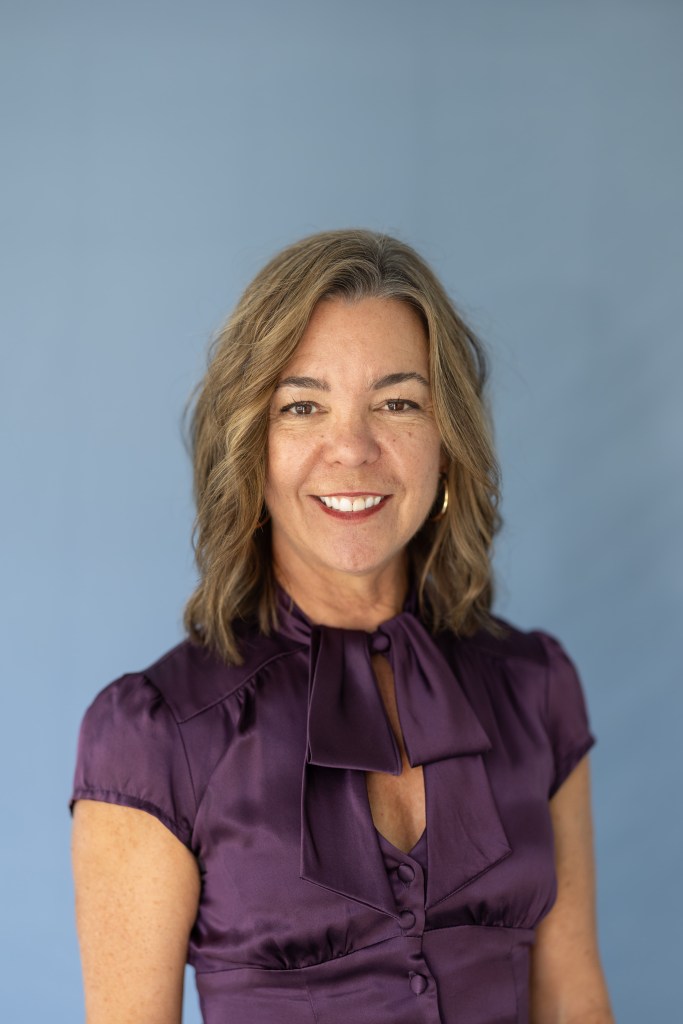
Megan Riker-Rheinschild
Standing by Survivors
No one likes to imagine the worst happening to themselves or the people they love. Yet every day, Santa Barbarians fall victim to violent crime, abuse, and exploitation. Surviving is hard enough, but navigating the courts and the bureaucracy to reach essential support can feel impossible.
That’s where Megan Riker-Rheinschild comes in. For more than three decades, she has stood beside victims and their families through the most difficult moments of their lives, first as an advocate and now as director of the Santa Barbara County District Attorney’s Office Victim-Witness Assistance Program. Each year, she and her team help more than 3,500 people access crisis services, emergency financial aid, and restitution. They prepare victims to testify and have, quite literally, held their hands in court. Though she directs the entire program, Riker-Rheinschild still steps in as an advocate herself when the harm is most profound.
Her impact reaches well beyond the courtroom. In 2013, she helped launch the countywide Human Trafficking Task Force and made sure it centered survivors rather than focusing solely on arrests. She recently oversaw a complete overhaul of the Sexual Assault Response Team, which provides trauma-informed care to survivors, and she currently manages six grants that fund her office’s programs. For 20 years, she also directed the State Street Mile, a beloved race that included a family fun mile and even a dog mile, with proceeds benefiting the Victim Emergency Fund.
Perhaps her most lasting legacy is generational. Riker-Rheinschild, who retires this month, has inspired those who work alongside her to lead with empathy, listen with grace, and act with courage on behalf of those who need them.
“Whenever people have been harmed and traumatized by crime, Megan is there with compassion,” said District Attorney John Savrnoch. “That is why she is a local (and my) hero.”
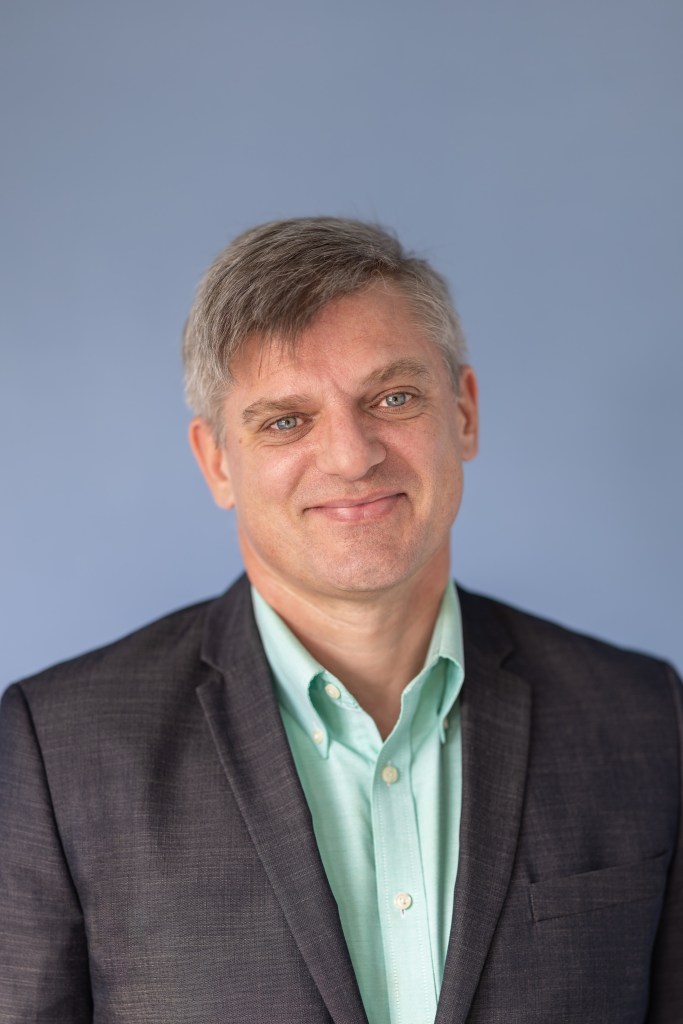
Nathan Vonk
Arts Optimist
Nathan Vonk has become such an integral part of Santa Barbara’s art scene that in some ways it’s hard to believe that he’ll celebrate just a decade of ownership of the venerable Sullivan Goss Gallery in December. Vonk and his longtime team of Susan Bush and Jeremy Tessmer have somehow managed to keep the fine-art cred of the esteemed 50-year-old gallery while bringing in a livelier, more inclusive vibe, along with much more contemporary work from living artists.
Much of that openness reflects the roll-up-your-sleeves, collaborative spirit of Vonk, who first came to town to visit friends he met at Burning Man (part of the Fishbon underground arts collective that once thrived in S.B.) and quickly established himself as a strong and energetic advocate for the creative spirit of Santa Barbara.
Early projects include the first Funk Zone Arts Festival and a Funk Zone Map to bring visitors to the area before it was really a thing. He’s also one of the founding boardmembers of the Santa Barbara Arts Collaborative (which got the Community Arts Workshop built and is now focused on helping artists find affordable studio space and continuing to provide low-cost event space), created the 1st Thursday Art Crawl meetup, was one of the organizers of the 100 Years of Santa Barbara Public Art campaign, and serves on the board of Casa del Herrero.
Despite the ongoing City Hall debates about State Street and the arts district, Vonk says there are more galleries in the area than he’s ever seen. “I’m very optimistic.… All these little things are coming together, and everybody seems to be part of it, and that’s really exciting…. There’s this aphorism that I’m telling everyone and hope they’ll steal it: Locals create culture, and tourists consume it.”
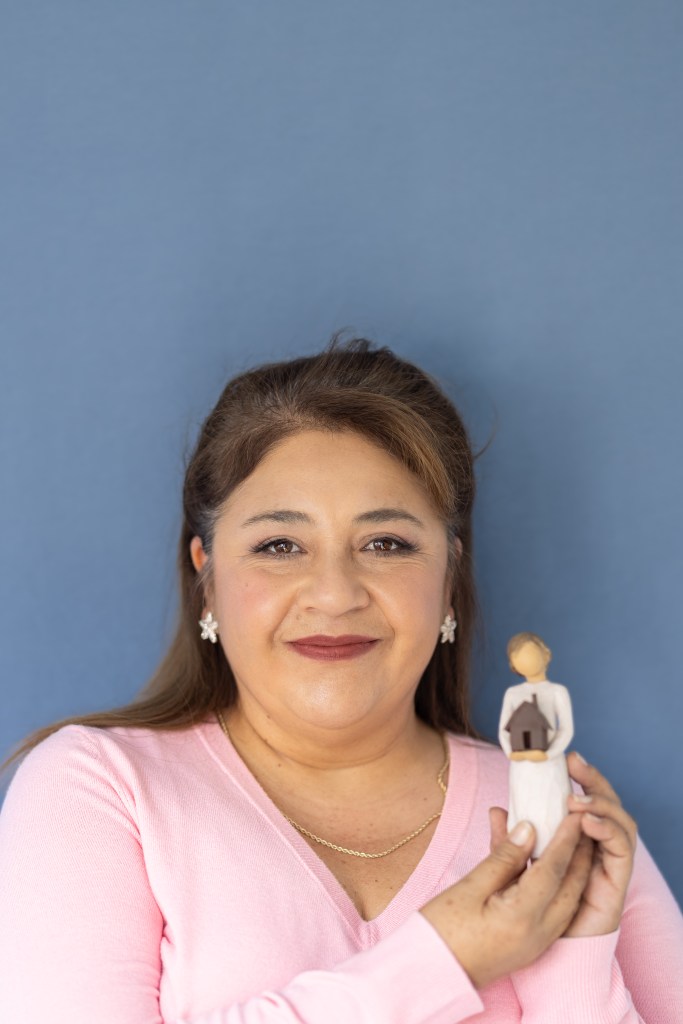
Paloma Espino
Sarah House Storyteller
When Paloma Espino first joined the staff of Sarah House 22 years ago, she says it was to face her fear of the HIV/AIDS epidemic. At the time, Sarah House was focused on providing care to those dying of the disease, which carried with it a stigma that left many of those suffering to do so without family or friends to visit.
“There were a lot of young men, and we just treated them with love and dignity,” she said. “We told them ‘We love you,’ and while we’re not family, we let them know we’d be there for them.”
Espino said that when she first took that job, she never knew that she would find “her place” and her calling. She now serves as the house manager, and while Sarah House has transitioned to general end-of-life hospice care, she runs the place with the same love and compassion as when it was first opened in 1989.
Through the years, Espino has learned to live with death, and help others with their understanding of “the one universal thing that we all have in common.” She’s listened to the stories of those who spend their final days at Sarah House, and over the years, she worked with performing artist Peter Lackner and performing arts students from Laguna Blanca to put on Sarah House Stories, a series of shows that include some of the “beautiful and magical” true stories Espino collected through firsthand experience in hospice care.
“A person truly can be a door to many different journeys,” Espino said of Sarah House Stories. “When people enter Sarah House, they take us on their journey. We’re just here to witness.”
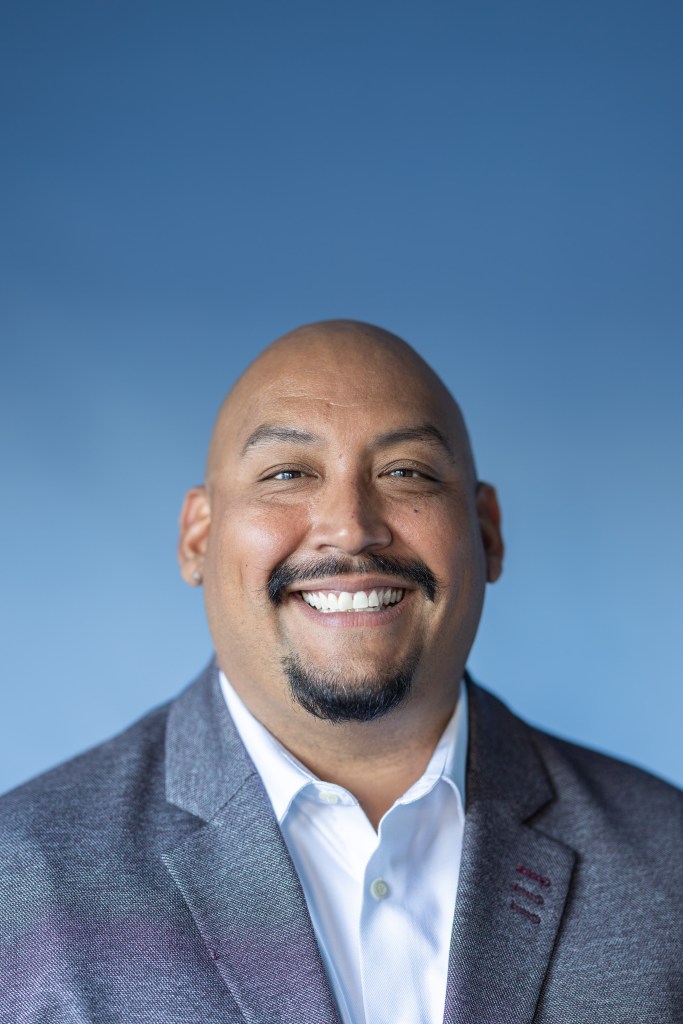
Richard Garnica
Photo-Ready Volunteer
At the lunches and galas that Santa Barbara’s many nonprofits host, photos are always taken that show smiling, happy partygoers. One reason they smile is because Richard Garnica is on the other side of the lens.
A giant of a man, the former offensive lineman not only donates his time and talents to the Santa Barbara Mariachi Festival and Girls Inc. of Carpinteria, but he also mentors students at the Police Activities League (PAL), teaching them about photography and sharing his excitement for creative work.
“I started mentoring two students at PAL. We would go on walks, grab lunch, I let them use different gear. It’s been a blessing for them and myself.”
Garnica said it was in his DNA to give back; it’s how he was raised: “My big thing is it’s better to give than to receive, as a Biblical sense.” He started by taking photos at Calvary Chapel about 12 years ago doing their social media, and has branched out to Anthem Chapel in Goleta.
And he loves seeing other people give back. At the half-marathon a few weeks back, all the thank yous he heard for the volunteers warmed his heart, and he was impressed by the support for blind runners. “I think it’s amazing to see people volunteering to walk with them or run, all these volunteers. Because without them, a lot of these organizations and events and stuff don’t run. It’s such appreciation for volunteers who give their time or just help somebody across the street. We need more of that in this world.”
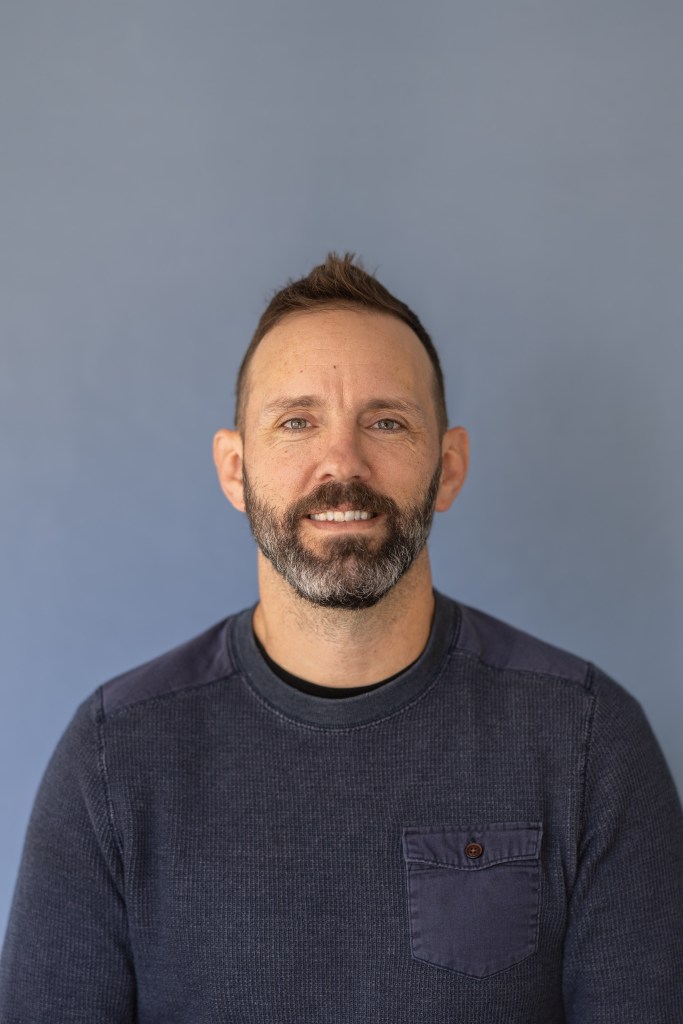
Melodee Meyer,
W. Austin Curtis,
and Garret Curtis
Dojo Do-Gooders
Rarely does a single family sit at the center of so many circles of positive impact rippling outward across Santa Barbara. Yet Melodee Meyer and her sons, W. Austin Curtis and Garret Curtis, occupy exactly that place in our community.
The pebble first dropped when Meyer, a single mother, started training with her sons in Hapkido, a martial art focused on cultivating balance and peace. In 2002, she opened Santa Barbara Dojo because, as she explained, “I wanted other families to have that same chance to grow together and carry what they learned on the mat into their everyday lives.”
Soon, the family’s impact grew beyond the dojo.
In 2010, W. Austin spearheaded the Thanksgiving Basket Brigade, which now provides more than 250 sumptuous, cook-at-home feasts each year to local families in need, all packed and delivered by dojo students. “The Basket Brigade is where we put our values to work off the mat,” Meyer said. “We all have something to give, and we all have times when we could use a hand. That’s what taking care of each other looks like.”
In 2020, W. Austin bought the business from his mother and opened a second location in Goleta. But what ripples outward also ripples inward.
Though a successful camera operator on big-budget films, Garret developed an alcohol dependency. Committed to changing his life, he entered treatment and began training alongside his brother, who gave him a job teaching and showed him the ropes of running a business. Before long, Garret opened his own Santa Barbara Dojo in Granada Hills.
“From that day, he supported my every move,” Garret said of his brother. “The Thanksgiving Basket Brigade is just a small splinter of that humble and generous heart of his. He got it from my mom. We learned from watching her that part of our business needs to always give back to the community.”
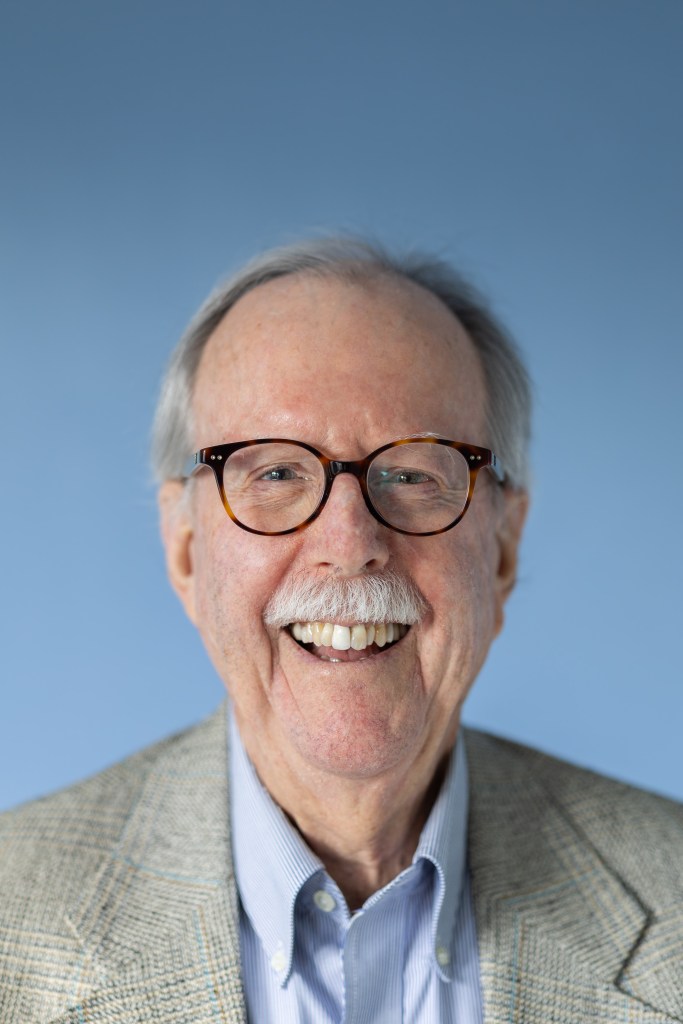
Richard Solomon
Immigrant Legal Defense Center Founder
During the first Trump administration, attorney Richard Solomon realized there was a critical gap in legal resources for low-income immigrants from Santa Barbara County facing deportation.
In the face of the looming threat of increased federal immigration enforcement, which led to the separation of children from their parents and life-altering consequences for the families involved, Solomon founded the Immigrant Legal Defense Center (ILDC), a nonprofit dedicated to providing legal support to immigrant families regardless of their ability to pay.
In the years since, the ILDC has expanded to offering holistic legal support throughout the Central Coast — in Ventura, Santa Barbara, and San Luis Obispo counties — providing legal representation to more than 600 individuals, including young children facing deportation proceedings.
“Richard’s impact extends far beyond individual cases,” said Julissa Peña, the current director of ILDC. “His work has transformed the lives of countless residents who otherwise would have faced the immigration system alone.”
The work of the ILDC has only become more important since President Trump took office for a second term. As federal immigration enforcement has increased across the region, the organization has stepped up to provide both counseling and case management. In recent months, attorneys have been able to fight unlawful detentions through habeas corpus litigation, which has secured the release of multiple individuals who have been reunited with their families.
Solomon said it’s become key to fighting unlawful detention, and since they’ve started filing habeas litigation last year, the ILDC has maintained a 100 percent success rate. It’s those moments, he said — when the team at ILDC can tell a family that their loved one is coming home — that motivate him to keep the fight going.
“That’s what makes it all worth it,” Solomon said.
Santa Barbara Ukulele Club
Music Just for Fun
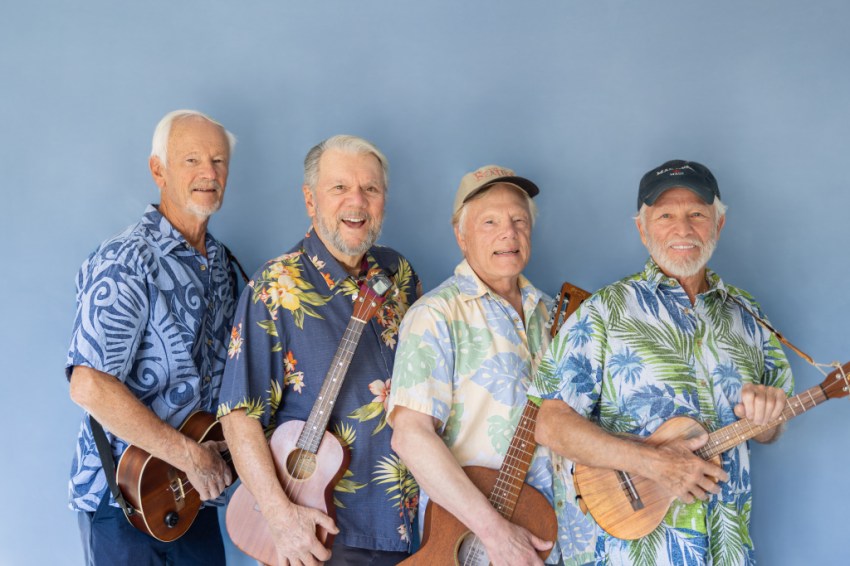
Every Saturday afternoon for the past 18 years, a sizable gathering of people armed with ukuleles as well as the words and chords to 22 old songs have gathered down by the city’s harbor in search of music, memories, companionship, and a good time. When they first started out, maybe there were seven or eight people. Now, closer to 40 show up. In all, there are 70. They call themselves the Santa Barbara Ukulele Club.
Most have a dusting of gray at the temples, and some sport Birkenstocks and thick socks. Musically, they hew towards songs from the 1960s — the Beatles, the Everly Brothers, Simon & Garfunkel. The vibe is welcoming; virtuosity is not required. The ability to play in time and in tune is. Most refer to their instruments as “yukes,” instead of the more indigenously authentic “ook.”
Over the years, two of the players fell in love and got married. Along the way, maybe 12 have died. Functioning as nucleus to what would otherwise be a sprawling atom is Doug Nielsen, a retired computer programmer from Chicago who stumbled into town 16 years ago. Nielsen doesn’t play ukulele; he plays guitar. The beefier guitar sound helps anchor the strumming of 40 ukuleles — imagine the sound of thousands of bees in a giant hive humming in a unified beat. And Trigg Schaefer can squeeze all kinds of colors out of his harmonica. Most members sing along.
For years, the club gathered down by the harbor. But the trees that had provided shade have been pruned or chopped down, so the club now plays at the bandshell across Cabrillo Boulevard. Nielsen misses all the people at the harbor. “Folks stop and listen,” he said. “Some sing along. I love the whole thing. I love it. I love it. I love the people. When I’m done, I feel giddy.”
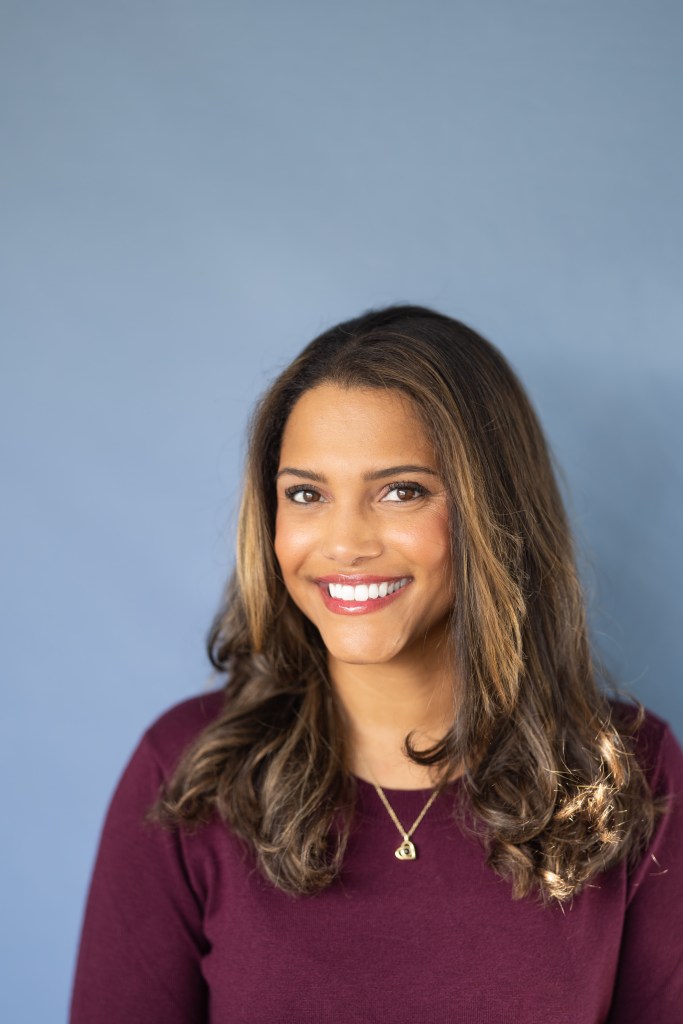
Tina Ballue
Passionate for People
It would be easier to list the hats that Tina Ballue doesn’t wear. She’s the director of development at Domestic Violence Solutions, helping women at the darkest points in their lives find hope and tell their stories to help others. She volunteers by auctioneering at nonprofit fundraising events and raising awareness through her weekly radio show. She is a member of the Santa Barbara Rotary Club and coaches track at San Marcos High School.
While she did acknowledge that she sometimes overcommits herself, she said she has a sense of purpose that makes it all worthwhile. “My passion is people,” she said.
“I love that I don’t have to be just one thing,” she added. “I get to bring my whole self … and yes, sometimes my very loud voice, into things that matter to me.”
She is also a life-saver. Literally.
In April of last year, Ballue was driving on State Street when she saw people waving for help. Jumping out of her car, she ran to where a crowd was huddled around an unconscious man. No one there knew CPR — Ballue did. But she couldn’t remember the protocol count, so instead began singing “Stayin’ Alive” to keep the rhythm. Then someone near her started singing along.
“Life felt like it stopped. All these people were singing, probably all terrified, hoping that this person would come back to life,” she recounted. “It was surreal.”
Eventually, the man gasped for breath. Everyone was weeping and hugging when first responders arrived.
A video of the encounter went viral, but Ballue remains humble. What makes her proud is when people tell her that she encouraged them to learn CPR.
“Ordinary people can make extraordinary differences,” she said. “We all could save lives.”



You must be logged in to post a comment.