

ORDER IN THE COURT: Be careful what you wish for. Isn’t that what they say?
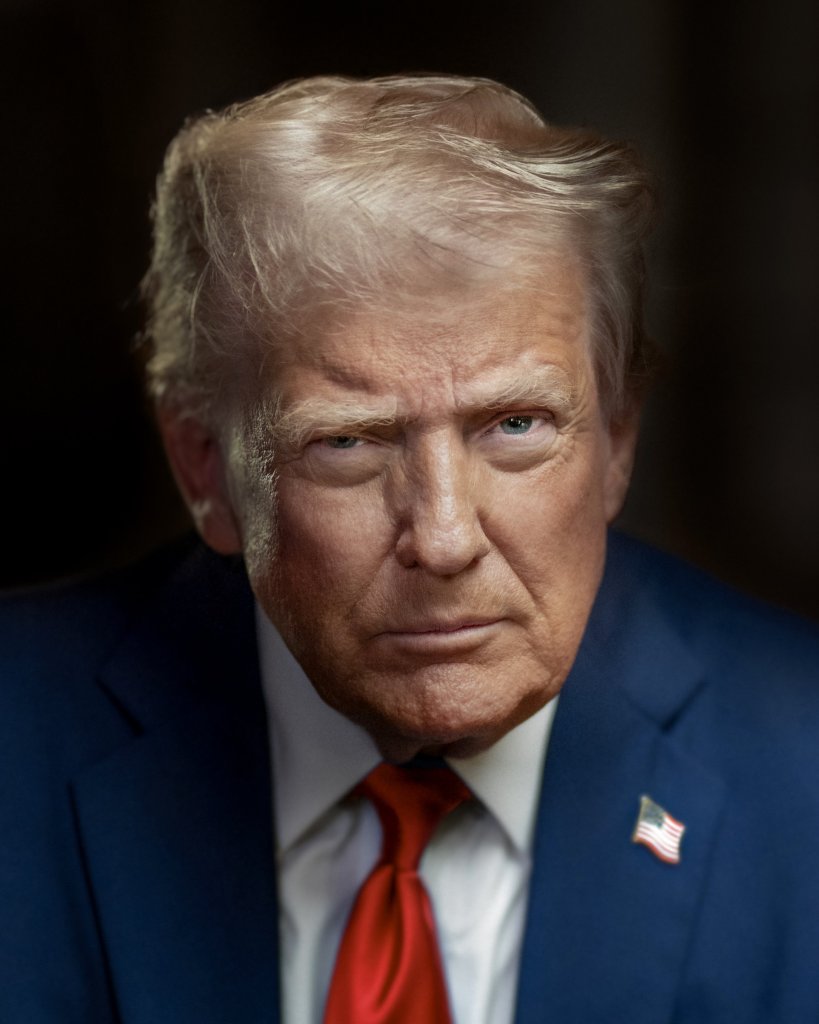
Until this last Tuesday, I’d never even heard of Federal Judge Charles R. Breyer. But now that Breyer is here — having just issued a no-punches-pulled ruling that Trump’s use of United States military for law enforcement purposes — think of the 4,000 members of the National Guard and 700 Marines he called into active duty earlier this summer to patrol the mean streets of Los Angeles and the dusty back roads of Cannabis Row in Carpinteria — is flat-out illegal.
And not just illegal, said Breyer in his 52-page ruling. But seriously so. Knowingly so. And, here’s the kicker: “willfully” so.
Breyer didn’t sentence Secretary of Defense Pete Hegseth — or even Donald Trump — to the two years in the hoosegow called for by the law — passed by an Act of Congress in 1878. But he did “enjoin” them from doing so any more throughout the great State of California. Translated, that means, “Knock it off and don’t do it again.” That would certainly apply to Oakland and San Francisco, being two cities in California where his ruling holds sway and that Trump has mentioned with his customary wistful venom.
But in states like Illinois, where Trump is threatening to federalize the National Guard, Breyer’s ruling raises legal questions that judges in those areas might also be inclined to ask. Especially when asked yesterday about sending troops to Chicago to discourage aggressive panhandlers and other disturbers of the peace, Trump told reporters: “We’re going in.”
I get that Breyer’s ruling could easily get overturned by the Ninth Circuit Court of Appeals, which covers Western states, or finally by the Supreme Court, now badly overpopulated by ex-lawyers who served former presidents and believe in the unchecked omnipotence of the chief executive, no matter how deranged.
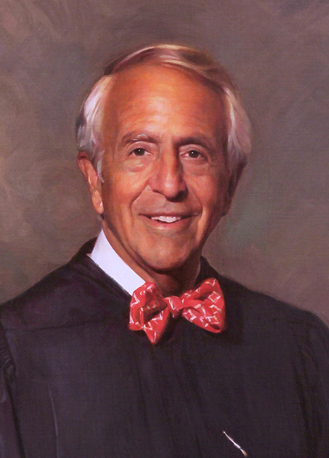
Aside from the fact that Breyer is manly enough to be photographed wearing floppy red bowties, the only thing I know about the guy is he served in the special prosecutor’s office during the Watergate hearings. Specifically, he went after then-President Richard Nixon’s goons and thugs who, looking to find dirt on Daniel Ellsberg, broke into his psychiatrist’s office — with Nixon’s blessing.
Ellsberg was the guy who leaked 3,000 pages of classified federal documents, better known as the Pentagon Papers, that detailed just how flagrantly five generations of presidents had relentlessly lied to the American people about why we were fighting the Vietnam War, how we were waging it, and whether we even thought we had a chance of winning it. The answer to that last question, by the way, was a big “no.”
The point here is that Breyer knows what executive overreach looks like. He lived it. He’s not afraid to say no.
The law in question that Trump and company violated is something called the Posse Comitatus Act, which, simply put, prohibits the use of the U.S. military to execute domestic law. That includes the Army, Navy, Air Force, Marines, and now the Space Force. The only branch exempted is the Coast Guard.
This bill — which in Latin means “the power of the county” — was passed in 1878 because white southerners had grown weary of the federal troops permanently stationed in the defeated rebel states following the Civil War. They were there to protect freed slaves from the all-too-real threats of great bodily violence when they sought to exercise their recently acquired right to vote. In other words, not a pretty picture.
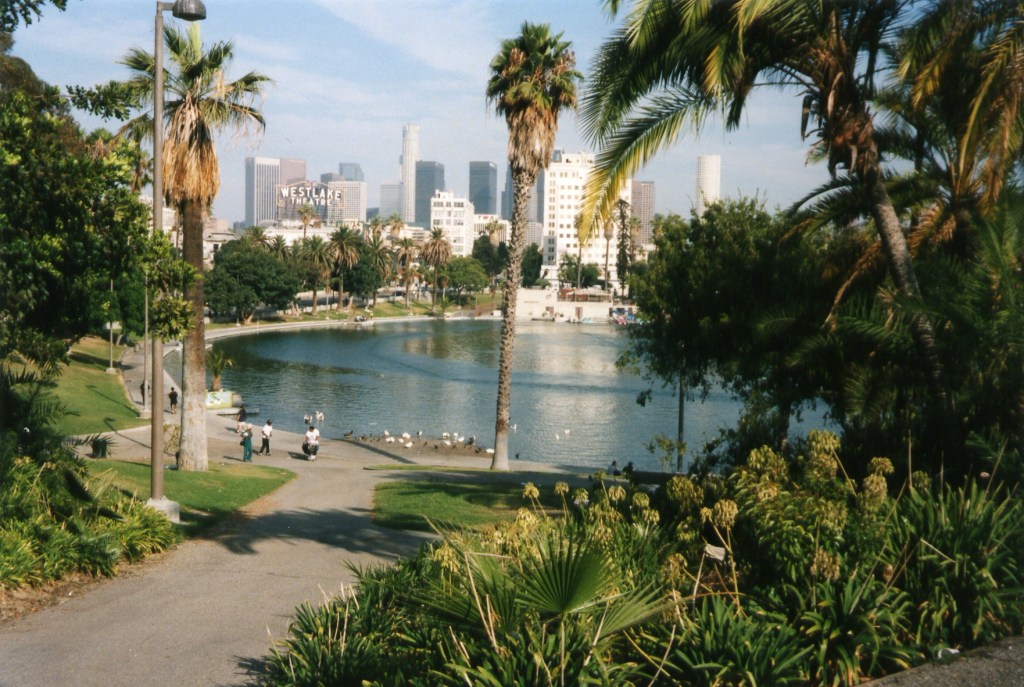
Breyer’s ruling is openly skeptical about Trump’s pretext for calling out the National Guard in Los Angeles. “There were indeed protests in Los Angeles and some individuals engaged in violence,” he wrote. “Yet there was no rebellion, nor was civilian law enforcement unable to respond to the protests and enforce the law. Nevertheless, at Defendants’ orders and contrary to Congress’s explicit instruction, federal troops executed the laws. The evidence at trial established that Defendants systematically used armed soldiers (whose identity was often obscured by protective armor) and military vehicles to set up protective perimeters and traffic blockages and engage in crowd control. In short, Defendants violated the Posse Comitatus law.”
Breyer was struck that Hegseth and other federal authorities “knowingly contradicted” the training manuals used to teach national guardsmen on exactly what they could and could not do while providing defensive and protective back up. That manual lists 12 activities they absolutely could not do. But in Los Angeles, four of those forbidden activities — crowd control, riot control, traffic control, and security patrols — had been inexplicably struck from the list.
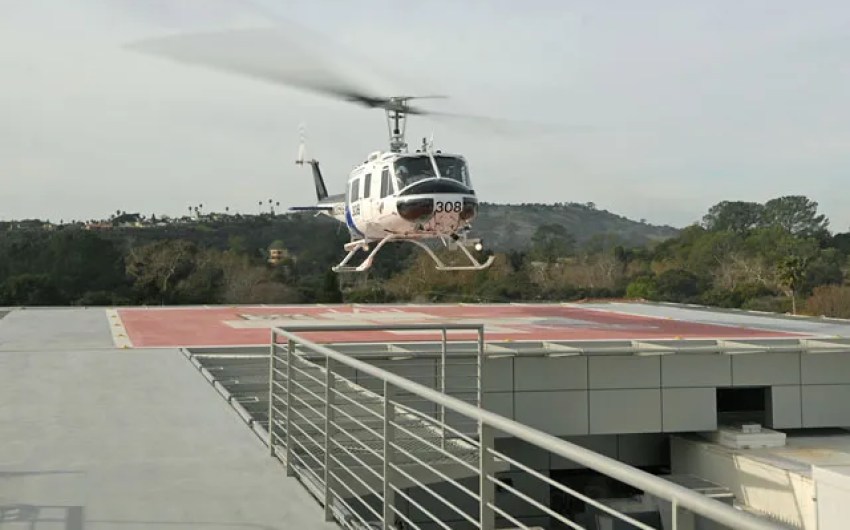
Breyer directly questioned the legal basis of ordering 120 National Guard troops to Carpinteria “to set up traffic control points so that federal law enforcement agents could more efficiently execute their search warrant of a cannabis farm.” At no time, Breyer wrote, was there any threat of impending violence in Carpinteria. Trump argued no real threat had to be present, only the “mere possibility that federal law enforcement agents might not be able to do their job.”
Judge Breyer also quoted statements Trump made on TV: “I have the right to do anything I want to. I’m the president of the United States.” With those comments in mind, Breyer pointedly footnoted that underlying meaning of Excalibur, used in the MacArthur Park campaign. “Excalibur is, of course, a reference to the legendary sword of King Arthur, which symbolizes his divine sovereignty as king.”
Be careful what you wish for. Just look what we got.





You must be logged in to post a comment.