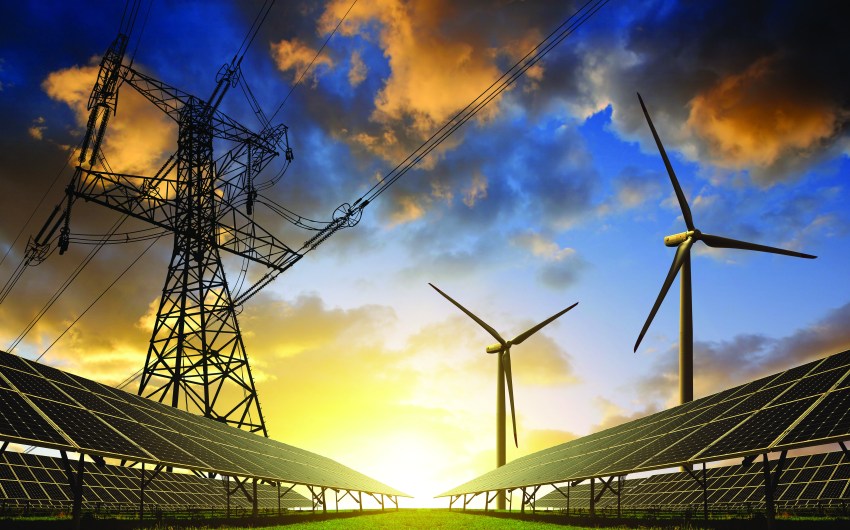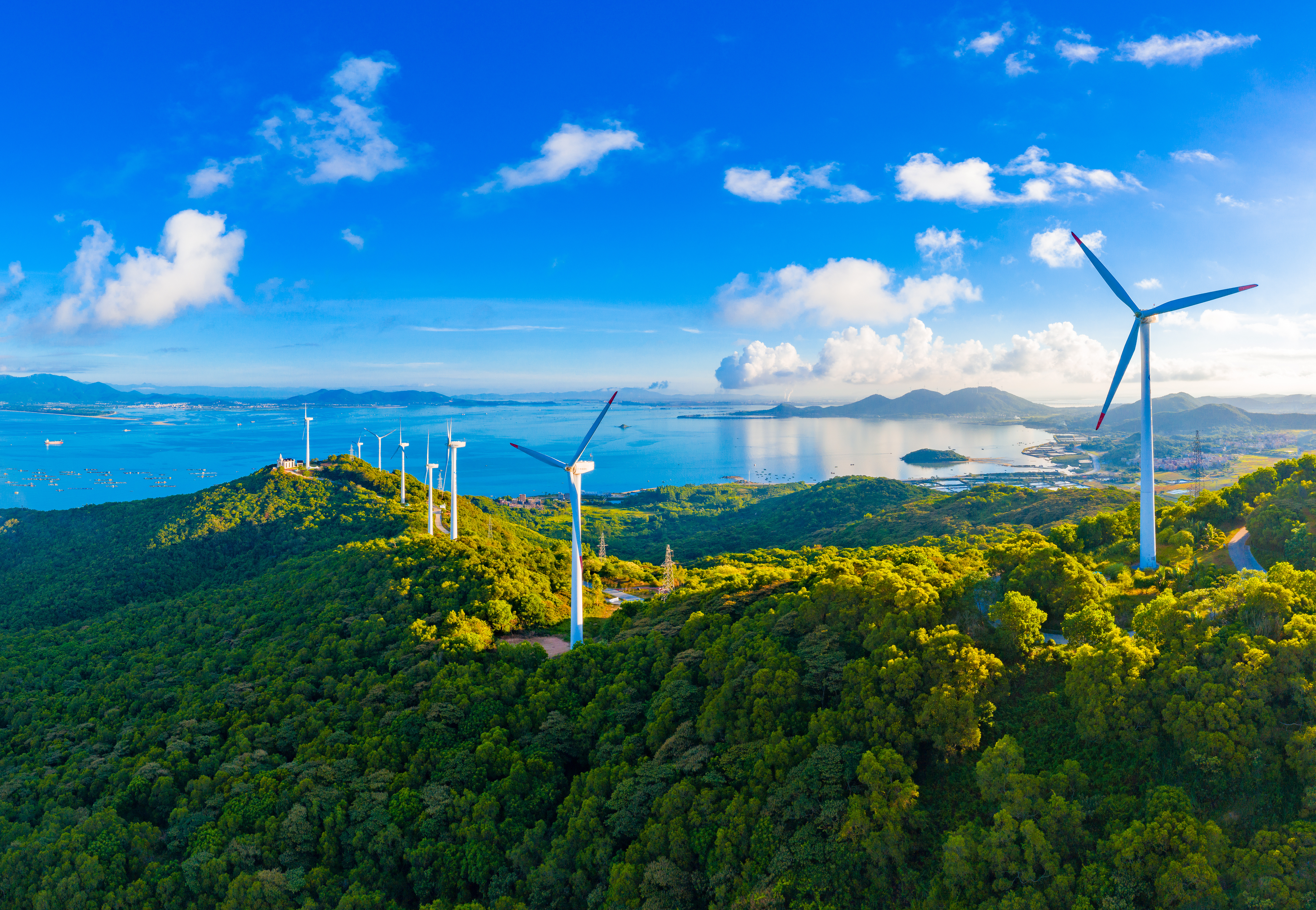
Our image of China for the past several decades has been that of a booming economy and the world’s biggest emitter of greenhouse gases. In 2020, however, China’s leaders pledged to create 1,200 gigawatts of renewable capacity by 2030. At that time, many thought this goal was unlikely to be met, just as most other countries were not hitting their national climate targets. Impressively, China has not only reached its goal, but achieved it in 2024, six years ahead of its target date.
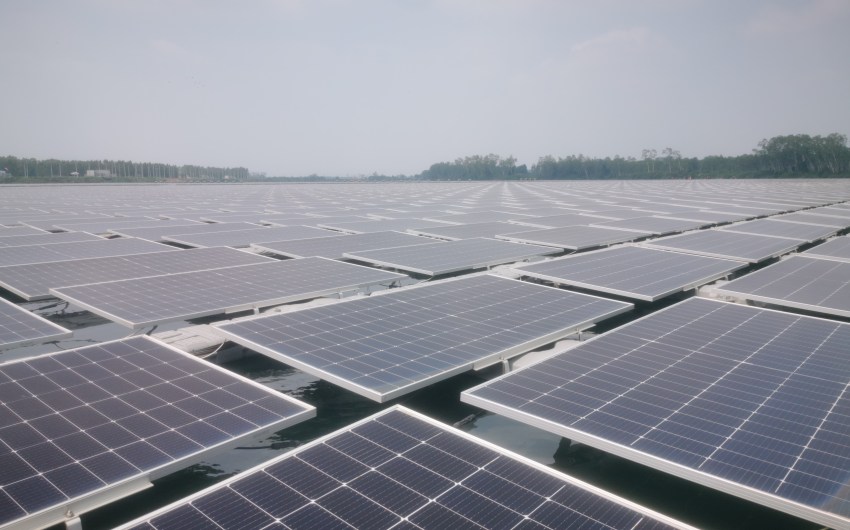
China has emerged as the global leader in creating renewable energy power. For example, in 2022, it installed roughly as much solar photovoltaic capacity as the rest of the world. In 2023, it doubled its solar installations again, while increasing its wind capacity by 66 percent, and almost quadrupling its additions to energy storage.
China’s rapid economic growth was based on coal, with its concomitant air, soil, and water pollution. This in turn generated public unrest. China’s top leadership realized they needed to address these environmental issues and at the same time look for an opportunity to create an advanced technological future. Joining these together led to a focus on renewable technologies.
Within a few years, half of all the world’s clean energy has been installed inside China’s borders. It now dominates the global supply chains for solar, wind, and battery technologies. In solar alone, it has more than 80 percent of the world market. The extraordinary scale of China’s renewable sector’s output has driven down prices, essentially removing the cost barrier for poorer countries. Thanks to China, renewable energy is growing twice as fast in the developing world of the Global South as in the developed North. This year, the world will add 80 gigawatts of grid-scale battery storage, an eightfold increase from 2021, most of it supplied by China.
More than half of the cars sold in China are electric vehicles, compared with 21 percent in California. China’s largest car manufacturer has cut charging time for an EV to five minutes, barely longer than it takes to fill a tank at the pump. Chinese gasoline consumption is falling by 4-5 percent a year and is projected to continue through 2030. Moreover, 280 million e-bikes worldwide are cutting demand for gasoline four times as fast as electric cars.
Bill McKibben, in his most recent book, Here Comes the Sun, claims to be the most hopeful he has been in his 40 years of writing about the climate crisis. Solar panels are 20 percent efficient today, but some experimental panels are now up to around 40 percent, according to McKibben. He cites as the most promising statistic he has seen in his career — California’s reduction in natural gas consumption for electricity generation of roughly 50 percent since the beginning of 2024.