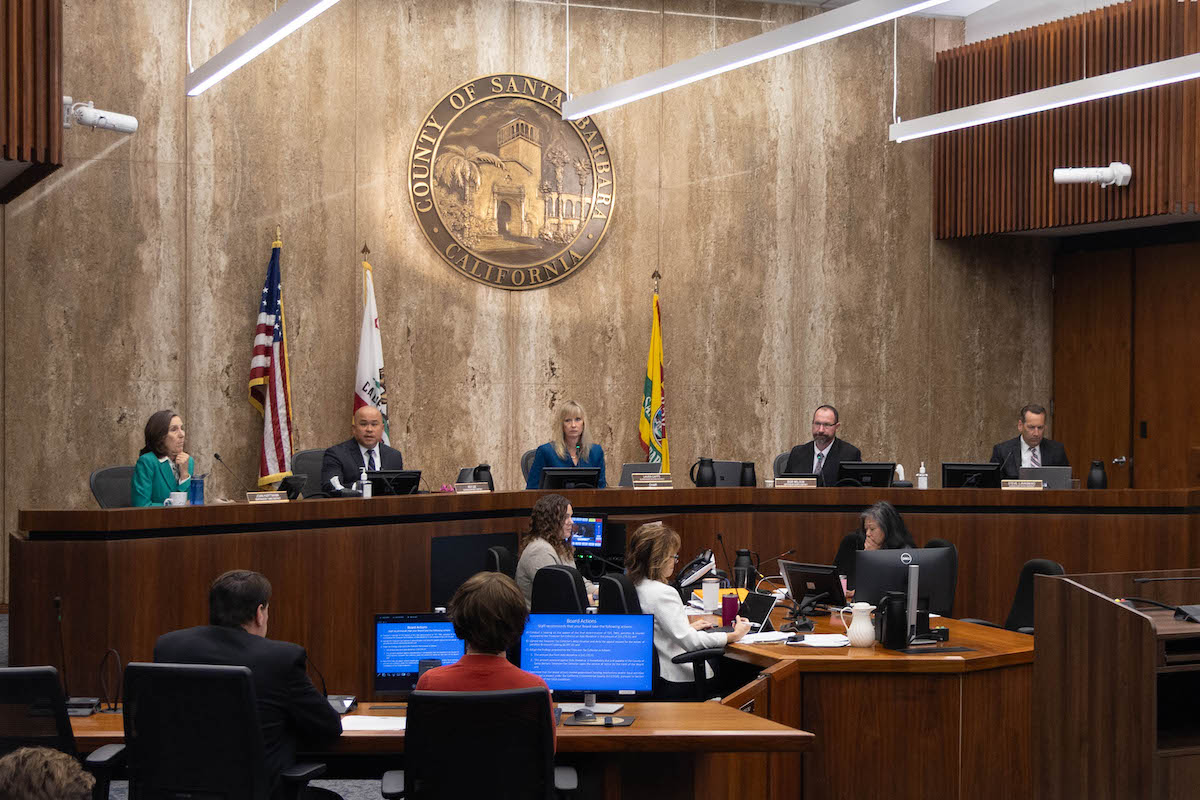
A proposed one percent sales tax increase that would have generated $16.7 million a year in much-needed revenues for a county government now looking at a $66 million deficit over the next five years died this Tuesday because the Santa Barbara County supervisors lacked the four-vote majority needed to place it on the June ballot. With only three votes in favor, Board Chair Bob Nelson reckoned it would be procedurally less cumbersome simply to take no action, so technically there was never even a vote.
Suggesting the initiative was County Executive Mona Miyasato, who finds herself struggling how to fill the breach caused by major cuts to social-safety-net programs serving children, families, and elderly people pushed by the Trump White House and adopted by Congress in the form of the Big Beautiful Bill.
Had the sales tax gone on the ballot and voters approved it, sales taxes in unincorporated county areas would have increased from 7.5 percent to 8.5 percent. (By comparison, the sales tax in the City of Santa Barbara is 9.25 percent and it is 8.75 percent in Santa Maria.)
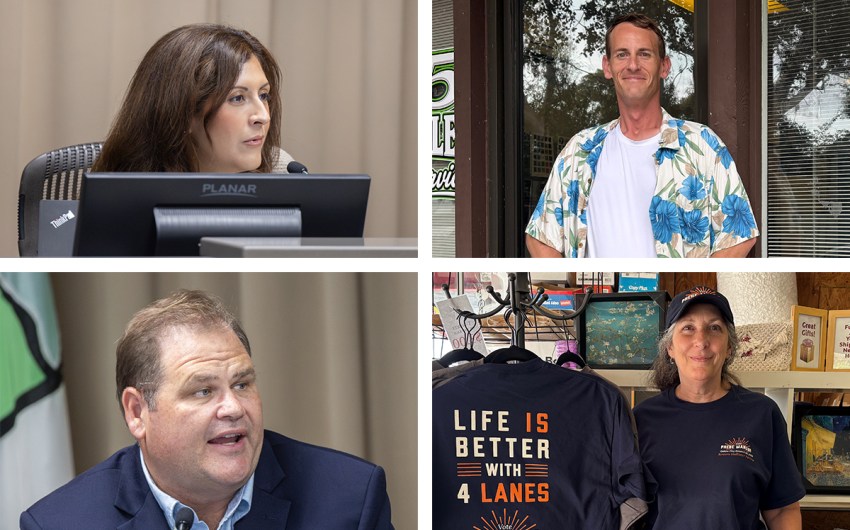
Supporting the measure were supervisors Roy Lee, Laura Capps, and Joan Hartmann; opposing it were North County supervisors Nelson and Steve Lavagnino.
“Even if I thought this was the right thing to do, it’s already dead in the water,” said Supervisor Lavagnino.
He predicted there was no way North County voters — already alienated and disenfranchised from county government — would have ever voted in favor. Imagine trying to sell the idea at a time when the Sheriff’s Office is afflicted with such spiraling overtime costs that the county auditor controller declared it a serious problem. Nor would it help, he added, that a county sheriff was just arrested and charged with overtime fraud for allegedly doctoring his timecards.
“If you have to explain,” he said, “you’ve already lost.”
A poll of 824 voters conducted late in December suggested such a measure would pass with 55 percent of the voters in favor and 43 against. But the pollsters’ margin of error was plus or minus 8 percent, meaning the margins would be razor slim. Supervisor Joan Hartmann spoke in favor of the measure with great urgency, noting that Trump had eviscerated basic social service programs started by the federal government during the New Deal and later during the Great Society but brought to life via a myriad of county agencies.
“Do we backfill?” she asked. “And if not, how do we look at ourselves?”
Supervisor Lee directly challenged supervisors Lavagnino and Nelson to change their minds.
“What is it going to take for one of you to agree?” he asked.
Lavagnino suggested the cuts might not be so lasting if the much-anticipated Blue Wave materialized during this year’s midterm elections, giving Democrats back the congressional majority they held until recently.
Supervisor Laura Capps gave voice to those in the community who feel too much of the county budget goes to the county sheriff’s department and the jail. She referenced the sheriff’s runaway overtime costs as well, highlighting how the sheriff spent $21 million in overtime last year while next year, the county’s budget is projected to be $23 million. The sheriff’s office, she noted, typically takes money from other departments that rely upon the general fund.
“We have a leaking boat, and we are fighting a strong storm,” she said. “How do we fix a department that is taking from the rest of the departments?”
Sheriff Bill Brown was reportedly out of town and not available to speak. But next Tuesday, the board is scheduled to hear a lengthy presentation about the cause, consequence, and possible solutions to the sheriff’s overtime issues. Based on this week’s comments, next week’s exchanges could be charged.