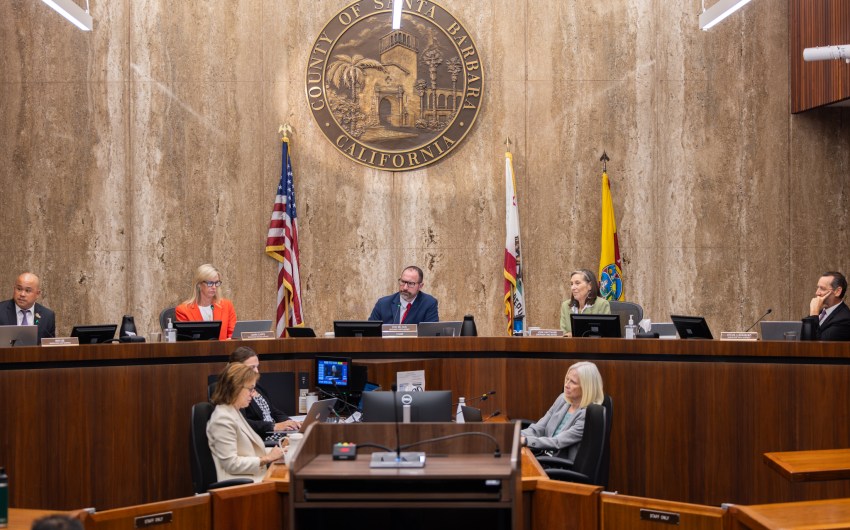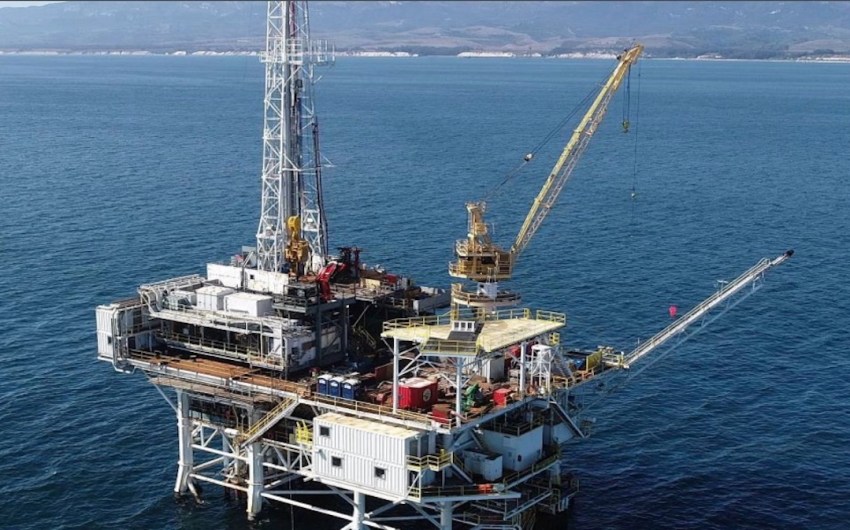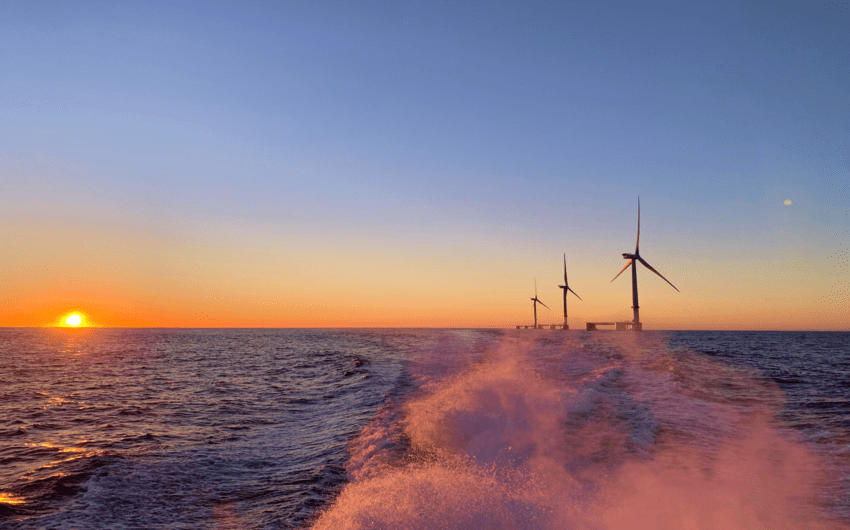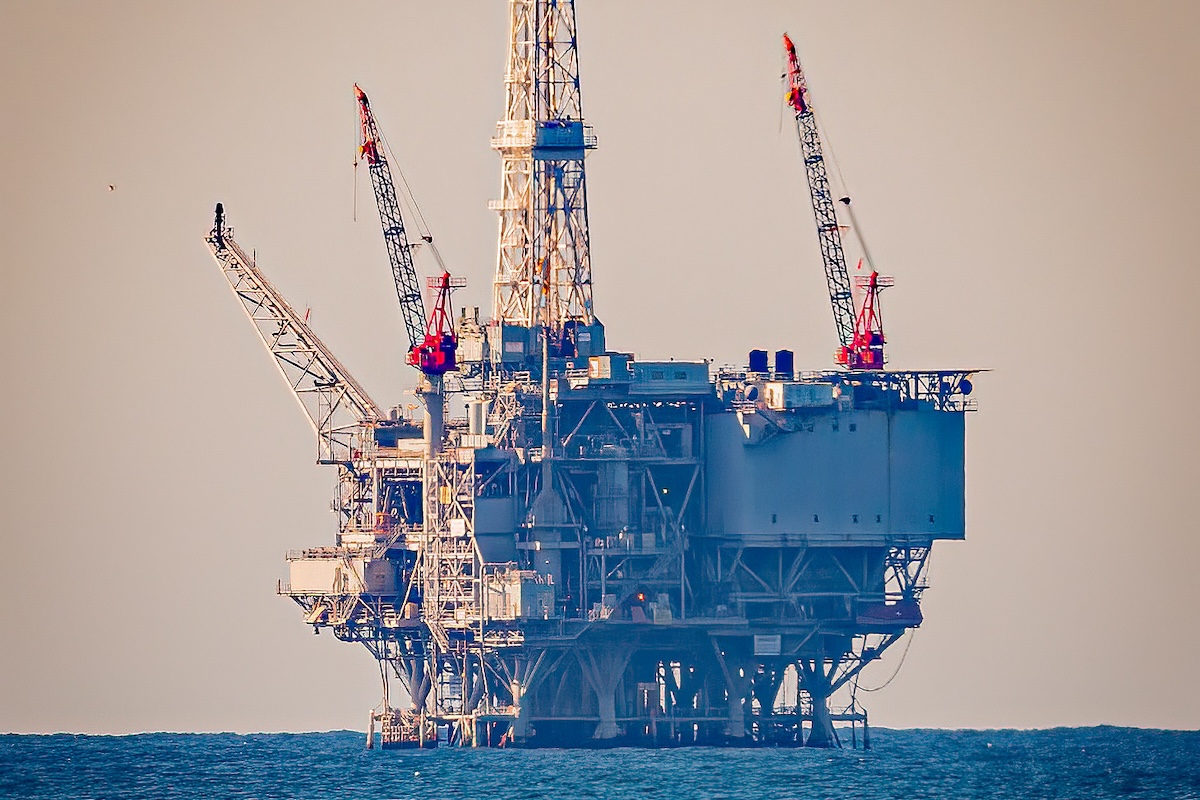
[Update: Tue., Mar. 17, 2026, 12:48pm] The legal response to President Donald Trump’s intercession on Sable Offshore’s behalf to restart oil production Santa Barbara County was almost immediate. The State Lands Commission held a special emergency meeting in Sacramento Monday evening to discuss its intention to join with the California Attorney General and the State Parks and Recreation Commission to stop Sable from pumping any more oil. In addition, the State Lands Commission voted to consider the possibility of revoking its lease that allows Sable Offshore to pump oil in underwater pipelines that carry raw crude oil from the three offshore platforms in federal waters and that then traverse the three miles of state waters before arriving onshore.
The Commission took no action but teed up both responses for subsequent possible action at a later date. The commissioners present also articulated a sense of outrage that the Trump administration was interfering with what they insisted was a state decision.
On Tuesday morning, Judge Donna Geck postponed a hearing on whether she should lift the injunction she imposed on Sable last year, blocking the company from beginning production. The legal issues, she said, were sufficiently complex and the pleadings from all sides sufficiently voluminous that more time was necessary. She scheduled the next hearing a month from now on April 17.
And in the meantime, the office of California Attorney General Rob Bonta filed an emergency ex-parte filing in federal court demanding that Sable comply with the terms of the federal consent decree issued in 2020 that specifically empowered the Office of the State Fire Marshal with ultimate authority and the last word on whether the pipelines were safe to restart.
On October 17 last year, the Fire Marshal ruled that Sable had not done all the corrosion repair work it was required to have done and that the Fire Marshal would not consider the company’s restart application until that work had been done. Sable complained that the Fire Marshal had added a brand-new requirement as part of a last-minute hit designed to block the company’s path.
Two months later, the federal agency responsible for pipeline safety asserted that it — not the Fire Marshal — had jurisdiction over the restart of the pipeline. Two days later, that agency issued Sable an emergency restart permit.
Bonta’s legal action, if successful, would return jurisdiction to the Fire Marshal.
[Original Story] Three-thousand-nine-hundred-and-fifty-two-days after a major oil spill brought all oil production off the Gaviota Coast to a screeching halt, Sable Offshore Oil flicked the switch this past Saturday and brought oil production along the South Coast back from the dead.
For the past two years, the Houston-based company — famous for its hard-nosed courtroom battles with a multiplicity of state regulatory agencies — has fought to resume production from the Santa Ynez Unit that the company purchased from Exxon in February 2024. For just as long — and just as fiercely — Santa Barbara environmental activists, local elected officials, and state officials have sought to slow the company down and block its path.
This past Friday, President Donald Trump intervened on Sable’s behalf, delegating his Secretary of Energy, Chris Wright, to invoke the Defense Production Act to “compel” Sable to resume production. According to a press release issued by Sable Monday morning, the company began production on Saturday. The company notified Santa Barbara County Fire authorities the day before of its intentions to do so.
According to Sable’s statement, Wright’s order was designed to “address the energy scarcity and supply disruption risks caused by California policies that have left the region and U.S. military forces dependent on foreign oil.” This action was taken just a few weeks after the U.S.-Israeli attack on Iran and the attendant spike in gas prices.
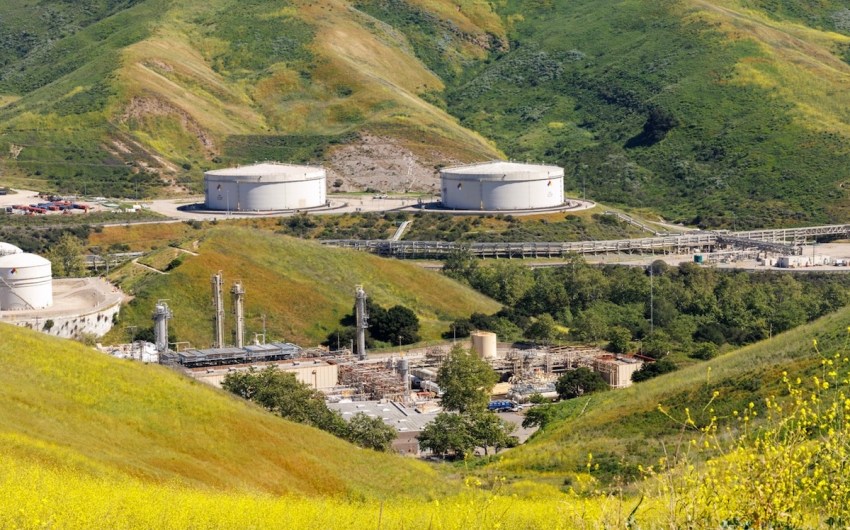
Sable’s release stated that oil will be pumped via pipeline from its Las Flores processing facility on the Gaviota Coast to Pentland Station in Kern County. Federal safety regulators, the company stated, were present.
Sable stated that all the pipeline’s anomalies — 122 identified corrosion hot spots — had been repaired, and that the pipeline had been subjected to high-pressure water testing to ensure the repairs could handle the pressure caused by oil flow.
Alex Katz of the Environmental Defense Center — which has been fighting Sable for the past two years — saw it otherwise. “A defective pipeline operating at high pressure with no legal guardrails is a threat to public safety, to our economy, and to the entire coast,” he said. “This has nothing to do with gas prices or the military. What we’re seeing is the abuse of power and a corruption of federal law for the benefit of the president’s friends with potentially disastrous consequences for everyone else.” Trump’s action, he said, undermines the right of California and every state to protect its own environment, adding that the resumption of production restores the single largest source of greenhouse gases in Santa Barbara County.
And Brady Bradshaw with the Center for Biological Diversity — also involved in the effort to block Sable — added, “The cynical misuse of a national security law for the benefit of an oil company that has repeatedly broken the law is a shocking development, even from this administration.”
Without Trump’s presidential intervention — unprecedented in Santa Barbara history — it’s questionable if and when Sable might ever have secured the necessary approvals from the Office of the State Fire Marshal, the state agency otherwise empowered with the final word on whether the company could resume production. At issue throughout was whether Sable could repair the corroded pipeline it bought from Exxon and restore it to a level of structural stability that rendered it safe. Last October, the Fire Marshal’s office put Sable on notice that its pipeline repairs did not meet state safety standards.
In December — at Sable’s urging — the state federal pipeline safety administration announced it was taking jurisdiction away from the Fire Marshal and that it was granting Sable its emergency restart permit. All this precipitated more litigation, this time involving the California Attorney General arguing that the federal preemption of restart authority was not lawful.
Before that issue could be litigated, Trump intervened by invoking the Defense Production Act, which grants the president such sweeping power to intervene in the production and distribution of resources essential to the national defense. Among those, energy is listed high on the list.
While the California Attorney General is reportedly poised to launch a counter measure, it’s unclear on what grounds.
This weekend, the State Parks department released a decree notifying Sable it had to remove four miles of pipeline running through Gaviota State Park because State Parks had rejected its application for an easement. State Parks noted that the pipeline’s original easement — necessary to allow the necessary repairs — had expired in 2016 and Sable’s subsequent application had been rejected.