
The Whole Family Enchilada
The Indy Art Director Takes a Bite
into His Fiesta Family History
By Xavier Pereyra | August 5, 2026
Read more from our 2026 Fiesta cover story here.
For lovers of Mexican food, there’s no better time to be in Santa Barbara than early August. Not only are the riches of our Mexican restaurants ready for the waves of hungry guests, but traditional spots such as De la Guerra Plaza Mercado and Our Lady of Guadalupe Church offer Mexican food classics just for Fiesta season.
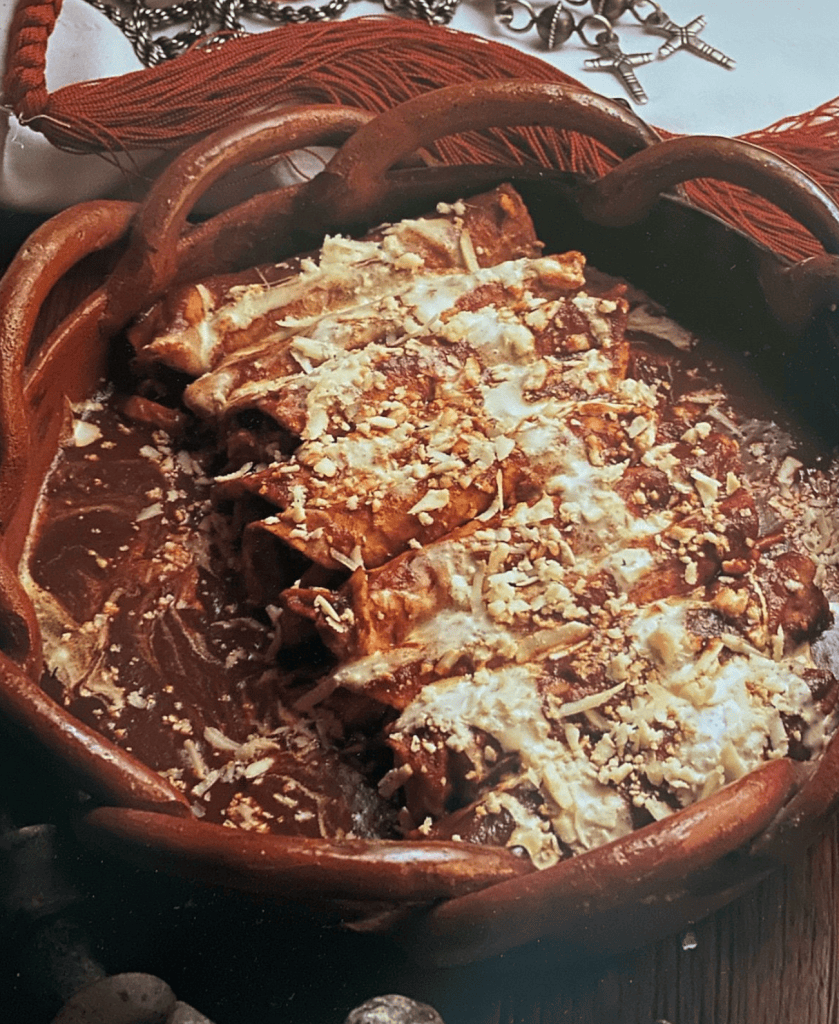
But to be honest, not all of the best Mexican food will be sold on the streets. Most of it will be homemade at local parties — consider yourself one of the lucky ones if you get the special invitation. I remember when, two years ago, I got invited to La Yarda. A working auto body shop on the Eastside hosted a huge Fiesta party that had mariachis and even a dancing horse at the end of the night. There, I had a full plate of a homemade mole sauce that smothered pieces of tender chicken along with tortillas and rice. As the night went on, I kept making my way back to the tray of chicken mole and made tacos ’til they all disappeared, because they were that damn good.
Parties such as the one at La Yarda are just one of the hundreds of family traditions that happen during Fiesta weekend. Events just like these, where family and friends share music, food, and drinks, have been happening for more than 100 years now. Pockets of communal celebrations that share their love of what Fiesta means to their own families.
Recently, I chatted with my cousin Karen Ortiz and learned that my own Fiesta family history dates back to around 1920, where they hosted some of the earliest Fiesta gatherings on record. My great-grandfather Jess and great-grandmother Jennie Pereyra built their life here in Santa Barbara and helped pioneer the making of Fiesta as we know it today.
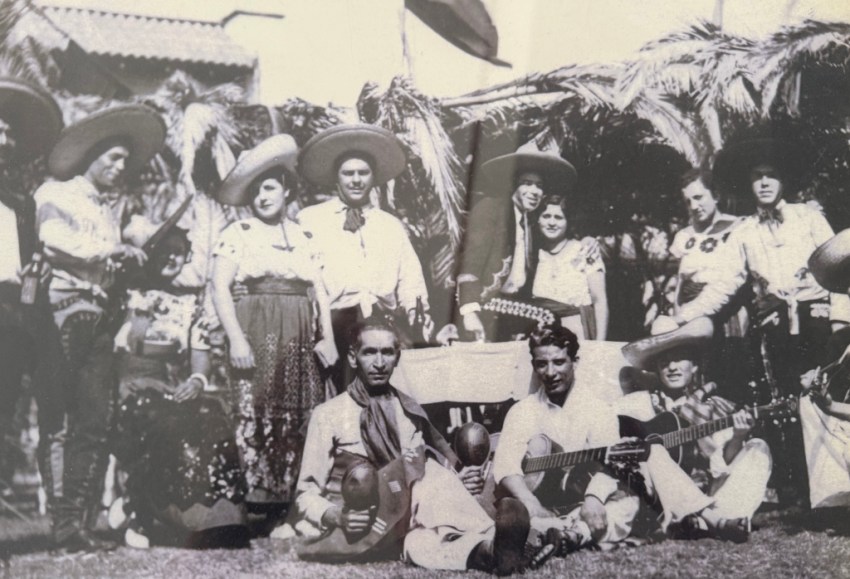
Past Pereyras
My great-grandfather Jesus “Jess” Pereyra entered the United States in 1918. He fled by train, disguised in women’s clothing to avoid detection by Pancho Villa’s men, who were rounding up young men for their revolution. His mother dressed him in the disguise and urged him to find work. Her way of protecting her son from the dangers of war.
Not long before, Jess, his father Gaspar, and his uncle were held at gunpoint in their hacienda by Villa’s soldiers and robbed of their valuables. The trauma of that attack triggered a coronary heart attack that killed my great-great-grandfather Gaspar. The incident forced a rapid departure from Chihuahua, Mexico. Once in the U.S., Jess turned his hardship into opportunity. He took jobs as a laborer and cook, earning enough to support himself and later bring the rest of his family over.
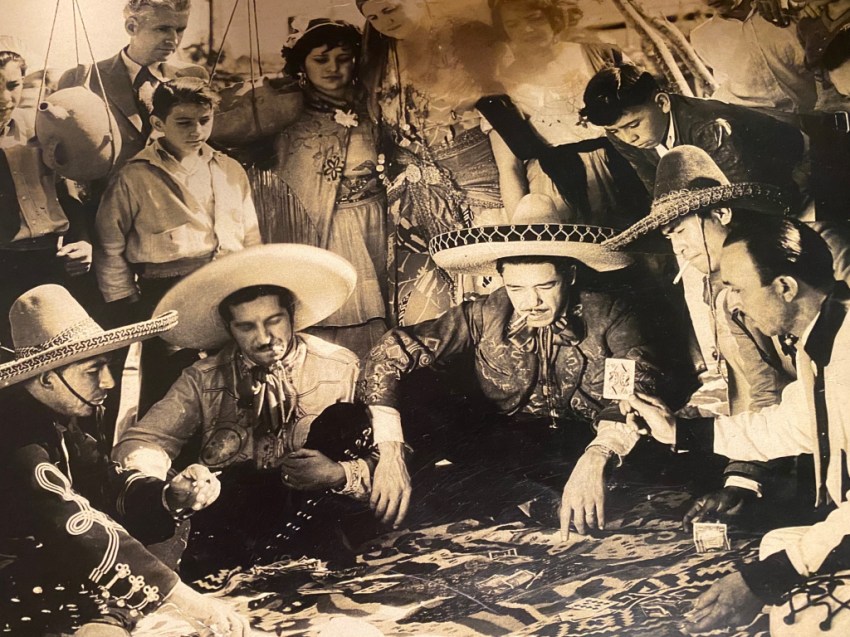
During the Depression, he found additional ways to support his family. He would drive his Cadillac Model A up and down the coast, bottles of “hooch” strapped to the engine, selling alcohol as a bootlegger. He saved flour sacks from old mill houses and sewed them into coats, using them to conceal and sell bottles during the Prohibition era. In Santa Barbara, he kept a house on Anacapa Street that doubled as a home restaurant. Jess and his wife, Jennie, served food and bread to anyone who needed it, keeping the table open to the whole community.
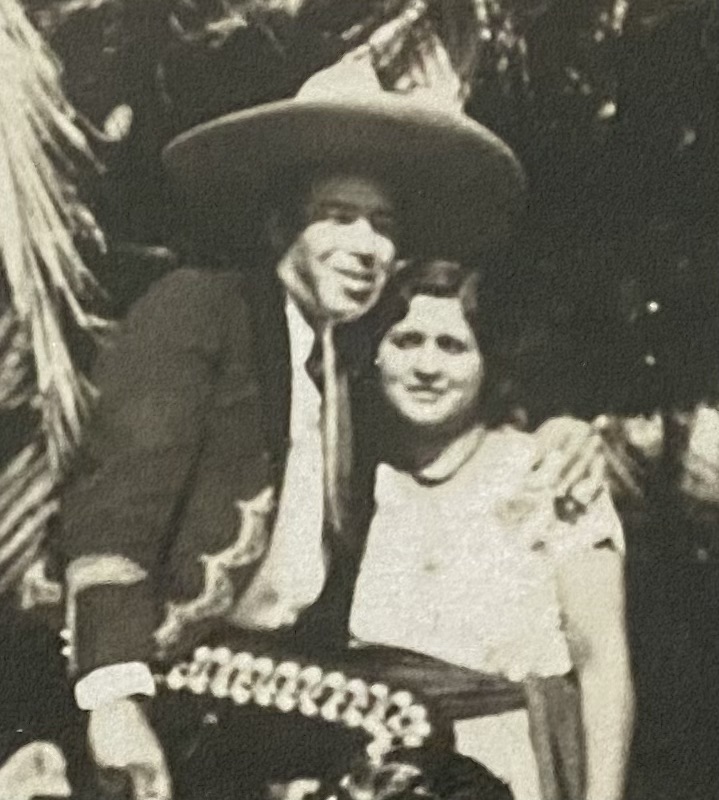
Jess married Juanita “Jennie” Martinez, a Santa Barbara native whose parents arrived from Mexico as the California railroad was being built. The couple made the city their home. In 1924, as the inaugural Old Spanish Days Fiesta was being planned, the young pair became actively involved. Fiesta remained a big focus for the family all year long. Jess reached out to vendors in Mexico and helped supply food for El Mercado, which still takes place in De la Guerra Plaza during Fiesta.
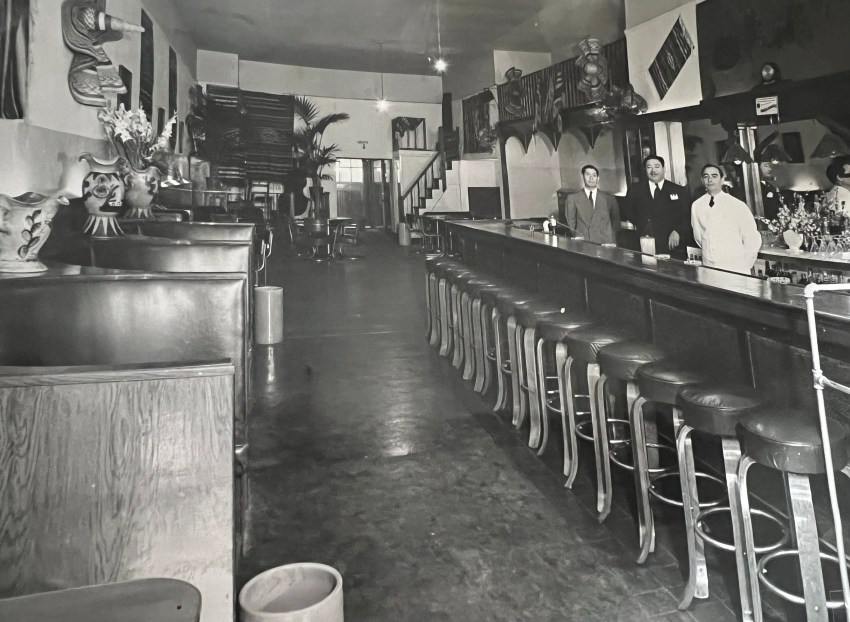
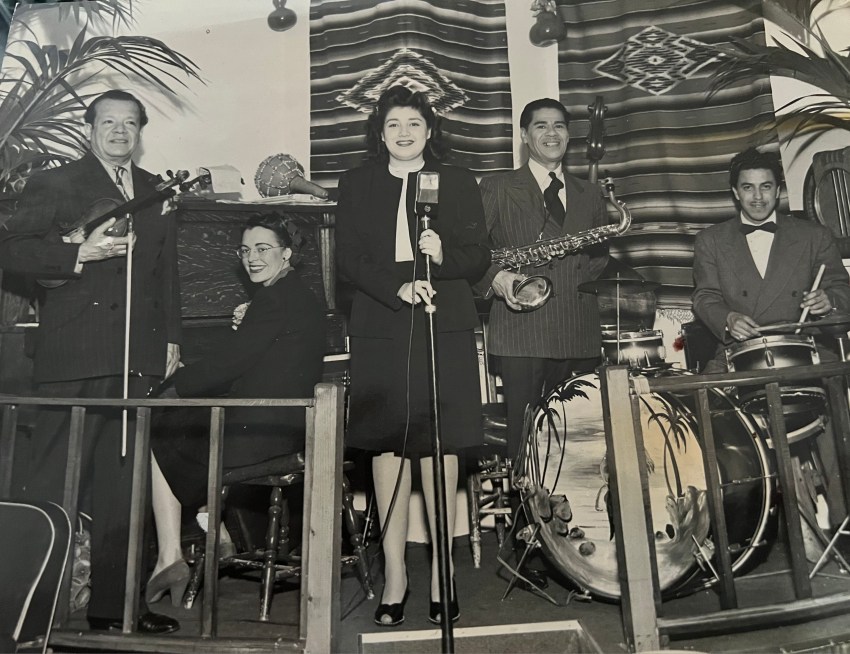
In time, Jess became a chef, then an entrepreneur. In the 1940s, he worked as a chef at the Biltmore (which opened in 1927), often working alongside Jennie, who also worked there during the day. His real passion though, was opening his own place: the Casino Latino, a restaurant and nightclub on State Street right at the entrance to De la Guerra Plaza (currently Blenders). It was one of the few restaurants and clubs between San Luis Obispo and the San Fernando Valley at that time. The Casino Latino had a lively speakeasy vibe, with music, food, upstairs poker games, and, of course, top-tier hospitality. Jess used his kitchen to host community celebrations that welcomed everyone. Jess and Jennie were masterful at creating joyful celebrations and shared that spirit generously with their friends, family, and community. While typically Latinos did much of the work, the atmosphere was always inclusive to everyone.
I never got the chance to meet my great-grandparents, but thankfully, my cousin Karen holds these stories of our family close to her heart and was able to share these amazing memories with me.
The Real Enchilada
Enchiladas originated in Mexico and date back to Aztec times, where the practice of rolling a corn tortilla around various foods was common. My family can attest that this practice is still going strong. From my family tradition to hopefully yours, here is an authentic enchilada recipe that made its way to past tables during Fiesta. Feel free to add any protein of your choice.
Ingredients:
Makes one dozen cheese enchiladas
• 2 cups enchilada sauce (store-bought, homemade, or your favorite salsa)
• 1 dozen corn tortillas
• 2 cups or more of Mexican cheese, or queso fresco, Oaxaca, or Monterey Jack
• 1 large onion, diced
• ½ sliced green onion for garnish
• 12 medium black pitted olives
To Prepare:
Blanch the onions: Bring a small saucepan of water to a boil, add the onions, turn off the heat, and let sit for 5 minutes. Drain and set aside.
Warm the enchilada sauce in a large saucepan and simmer for a few minutes. Adjust seasoning or heat if desired.
Soften corn tortillas in the microwave for about a minute, then lightly fry them in hot vegetable oil. Dip each tortilla in the sauce until softened and lay it in an 11’x7′ pan.
Fill with Mexican blended cheese and the blanched onions, roll up, and push to the end of the pan. Repeat until the pan is full. Pour remaining sauce over the top and sprinkle with more cheese. (These can be assembled ahead of time and refrigerated before ready to cook.)
Place an olive on each enchilada. Bake at 350°F for 20-25 minutes. Sprinkle with sliced green onion and let rest for 5 minutes before serving.
Provecho!


You must be logged in to post a comment.