
‘It’s Our Kids’:
Solving Santa Barbara’s
Sex Trafficking Problem
Local Organizations Work to
Support Survivors and Protect Vulnerable Youth
By Callie Fausey | September 10, 2026

It is the early 2000s, and Alia Azariah is a runaway teen.
Drawn to downtown Santa Barbara, Azariah gathers with other homeless youth among the shops and tourists. There, her friends first introduce her to men who trade sex acts for food, shelter, and other basic needs.
Her high school experience goes downhill. Instead of going to class, Azariah is working in motels. She is a victim of sex trafficking, even if she does not realize it yet.
She will not realize it until years later. But after she does, she works with local organizations to improve the lives of survivors and the services available to vulnerable youth.
Believe It or Not
Although it is not as visible as other crimes that occur on State Street, trafficking does happen locally.
In fact, the Federal Bureau of Investigation identified Santa Barbara as a hub for human trafficking, noting its role as a corridor between major cities along Highway 101 and its bustling tourism industry.
The Santa Barbara County District Attorney’s Office has the numbers to back that up. Between 2017 and 2024, they identified 261 survivors, 40 percent of whom were county residents. Many were between the ages of 12 and 17, although children as young as 11 have been targeted and groomed by traffickers. Most identified victims are female, but boys can be trafficked, too.
But those numbers only offer a snapshot of a much larger problem.
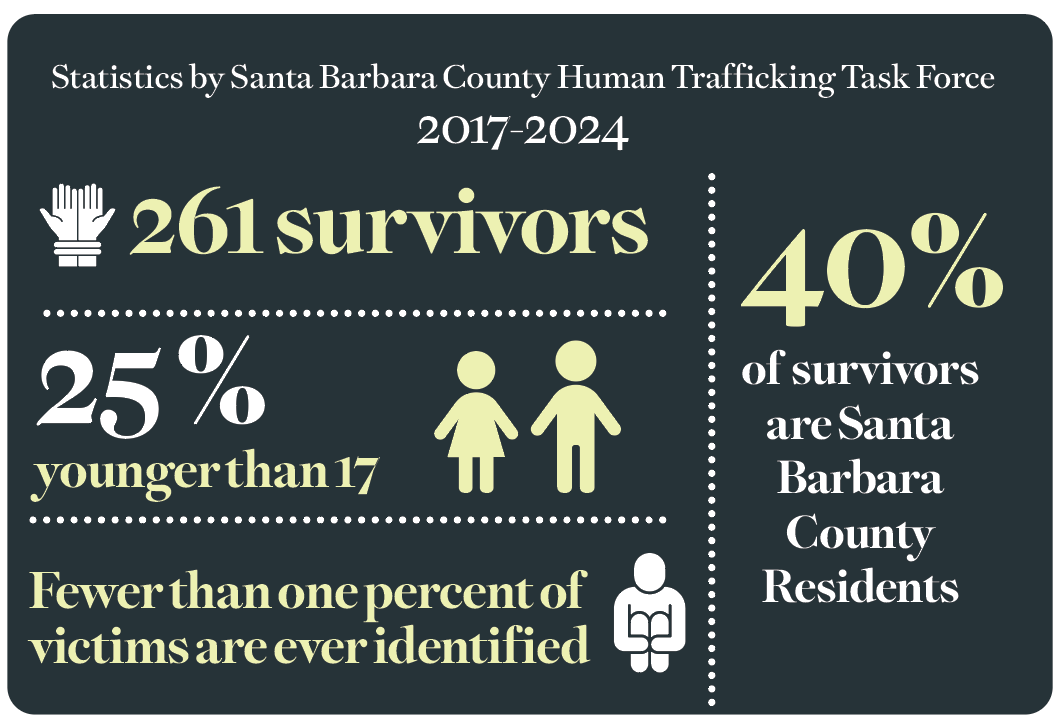
To paint a picture, the DA’s Office says there are 27,000 ads online for purchasing trafficking victims in Santa Barbara County. It is the fastest-growing criminal industry in the United States, with one of the youngest average ages of entry for its victims: 12.
“It’s our kids,” said Tiffany Carty, supervisor of the Victim-Witness Assistance Program at the DA’s Office, during a Sex Trafficking Awareness Forum at All Saints-by-the-Sea Episcopal Church on July 19.
“It’s our community’s kids that this is happening to.”
Azariah’s Story
Azariah grew up in Ventura. But abuse and abandonment at home led her to start running away at 12 years old.
Her story captures the realities of modern-day sex-trafficking.
Contrary to the common myth, trafficking in America does not typically look like masked men kidnapping young girls off the street. It often looks like what happened to Azariah: grooming and manipulation by men who prey on vulnerability.
Any child can become a victim, but homeless youth, children in foster care, and LGBTQ youth are particularly vulnerable.
For Azariah, it was before social media and smartphones as we know them today. State Street was a gathering place for kids her age; it was there that other kids introduced her to trading sex for services. At 14 years old, she met a man on MySpace who promised to love her and take care of all of her needs. She thought she had found “Mr. Right.”
“Mr. Right” could not have been more wrong. But he played by the book: He groomed Azariah, gained her trust, and gradually pushed her to do things she was uncomfortable with, such as “having sex with a friend” to help pay his bills.
This common strategy used by pimps helps explain how trafficking often begins, said Sally Cook, executive director of the Olive Crest Hope Refuge Campus, a treatment program on a secluded mountain west of Goleta dedicated to helping girls who are survivors of sex trafficking.
Disguising themselves as the perfect partner or a source of support — usually by love-bombing, giving gifts, and fulfilling needs — predators build a victim’s trust. Then they flip the switch and exploit that relationship.

Girls can become deeply dependent on their trafficker, whom they usually view as a boyfriend, Cook explained. That dependency makes them vulnerable.
“It’s a very seductive process,” she said. “She’s going to chase the relationship.”
The result is a distorted view of what is happening, she explained, which can keep victims from recognizing the abuse.
“He’s not the bad guy — she’s the bad guy,” Cook said. “She doesn’t see herself as a victim.”
That can make intervention particularly difficult and highlights why survivors may resist help from people like Cook, whom they see as “separating them from the love of their life.”
“Mentors like Alia know how to talk to them and identify the ‘game’ that has happened to them,” Cook said.
Azariah, now 35, got out in her twenties after finding resources on her own. She realized she had been able to leave because she had heard about another girl who had escaped. She knew it was possible.
Today, she is the director of Collective Impact and survivor leader for the national Safe House Project, an organization dedicated to identifying victims of sex trafficking and meeting their needs. She works with other survivors whose stories are not so different from hers, and she says they often just want someone to say they have been there.
“That’s my ‘why’: my presence could actually make a difference,” she said. “I want to make the time between a girl getting trafficked and getting out shorter.”
A System Full of Gaps
Many young victims of sex trafficking, also known as the commercial sexual exploitation of children, or CSEC, fall through the cracks. Nationwide, fewer than one percent of victims are ever even formally identified.
The problem is not only under-recognized; it is also grossly under-resourced. Across the United States, an estimated 325,000 children are caught up in the crime. Yet Cook said there are only 511 beds nationwide for trafficking survivors that address the complex needs created by their trauma.
Hope Refuge accounts for 16 of those beds.
Because resources are so scarce, many survivors never receive the services they need. Problems go unaddressed, harmful behaviors persist, and some end up homeless or remain in the life, where the life expectancy is approximately seven years.
Santa Barbara County has several services, including group homes, rape crisis programs, and survivor-informed treatment through Dignity Health. But many were not designed to interrupt exploitation, Azariah said. And even available services can be difficult to access.
“There’s a really large gap between the people with resources and those without,” she said. “People with the most resources are often those most separate from the problem.”
It can also be difficult for people to believe trafficking is happening in Santa Barbara.
“Not everyone is willing to confront it,” she said.
It is difficult to tackle a problem when it is even difficult to grasp. Noah’s Anchorage, a Channel Islands YMCA homeless prevention center for youth ages 12 to 17, has been serving the community for more than 50 years. The program offers emergency shelter, drop-in services, counseling, basic needs, supplies, and hygiene items. It is a low-barrier program available around the clock, said Amy Tovias, executive director of youth and family services.
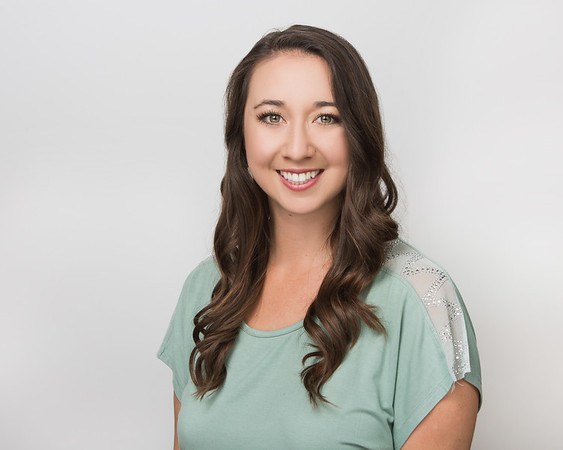
“Youth have been coming to us experiencing exploitation before we probably even realized it,” Tovias said.
What they lacked was a way to identify exploitation early so that survivors could be connected with help sooner.
Typically, survivors are not identified and connected with a social worker until an incident occurs: they are arrested, become victims of a crime, or otherwise enter the system. By then, they may already have experienced significant hardships, Tovias said.
Even after entering the system, they could continue to be exploited in exchange for food, money, or other needs.
“Kids have to be on probation to access resources, but we don’t want them to be on probation,” Azariah said. “We have fewer resources compared to neighboring counties like Ventura,” where the breadth of resources is more expansive, including a 24/7 response hotline, and comprehensive services are delivered in one place through the county’s Family Justice Center. She also mentioned San Luis Obispo, which has a formal CSEC Collaborative Response Team, with 24/7 response to reports involving trafficked children.
So, while Santa Barbara is solid and improving, with some great specialized resources, “there’s definitely room to grow,” Azariah said.
Adding to the everyday difficulties, however, is the tendency for victims to avoid social workers or deny that anything is happening because they do not understand that they are being exploited. They may try to protect the person exploiting them.
But until child welfare identifies a young person as a CSEC victim, few services are specifically available to them. And when they are identified, it can be difficult to track cases between different providers in a disjointed system, Tovias said.
“That’s what we’ve come against,” Tovias said. “By the time service providers were in the picture, so many things were missed: The child has been on their own for a long time, and it becomes difficult to intervene and get them out of that life.”
She posed an important question: Why wait? Why wait until a child is prosecuted for a sex crime, becomes a victim of rape, or is cited for delinquency at school when earlier intervention is possible?
Six years ago, Noah’s Anchorage decided it needed to focus on early identification. The program created a screening process for every child who comes through its doors, looking for early signs of exploitation.
On average, one child per week is identified as moderate or high risk of exploitation.
To begin addressing this, Noah’s Anchorage and other service providers recognized the need to piece together the patchwork of people already serving survivors.
“Why wait? Why wait until a child is prosecuted for a sex crime, becomes a victim of rape, or is cited for delinquency at school when earlier intervention is possible?”
— Amy Tovias
Relationships First
For Carty, who meets survivors through her role at the DA’s Office, the first step is not to teach the girl that she is a sex trafficking survivor. “Hopefully we’ll get there,” she said, “but not my job.”
Instead, she begins to establish a relationship by assessing the girl’s needs. Does she have housing? Food? Does she need a bus pass home? Do her parents know where she is?
What that often looks like is Carty buying the child McDonald’s nuggets and fries, then sitting down to have a conversation with them. Confrontation, she said, is counterproductive. Trust takes time.
“So now this individual will start to trust me, and we can continue to have ongoing conversations about needs, and I become sort of a mentor to the individual,” Carty said.
From there, she continued, “there’s gonna come a day when she’s ready.”
Eventually, Carty gets “the text,” usually some variation of: “Can I come into your office and talk to you?”
“The next thing you know, they’re in my office sobbing, telling me their whole life story, and they’re finally ready,” she said.
The DA’s Human Trafficking Task Force, formed in 2013, has improved connections between law enforcement and community organizations that encounter trafficking victims.
“We all come together at the same table, and we discuss the cases we’re seeing,” Carty said.
Often, the same victims have interacted with multiple organizations. Each provider knows one piece of the story, but no one knows the whole picture, Carty said.
The task force aims to help keep those providers connected so they can then work on building relationships with survivors.
“Quite frankly, we don’t rescue them,” Carty said. “What we do is we empower them to make the choice to leave, and then we support them on that journey.”
The DA’s Office also works to prosecute traffickers. Between 2017 and 2024, the office investigated 294 cases and identified 102 potential traffickers, out of which 59 were criminally charged and 39 pleaded guilty.
But those numbers are only a sliver of the full picture.
Carty noted that despite recent efforts by California lawmakers to increase consequences for buyers, legislation that would have made purchasing a child for a sex act a felony did not pass.
“By definition, a child cannot consent to a commercial sex act,” Carty said. “But also, when they’re being groomed, that’s also not a choice, right?”
However, another effort is underway, she said. “We’re building momentum.”
Working Toward Solutions
Branching off the DA’s Human Trafficking Task Force, the county contracted with nonprofit Kingdom Causes Inc. — which connects organizations that tackle complex social problems — in 2023 to form the Strategic Alliance to Fight Exploitation (SAFE).
They brought leaders in the anti-trafficking world together to develop and implement a three-year strategic plan addressing human trafficking, building on the task force’s goals to identify, investigate, and prosecute sex trafficking, while addressing survivors’ needs.
SAFE became a vehicle for funding organizations working to address trafficking and educate the public.
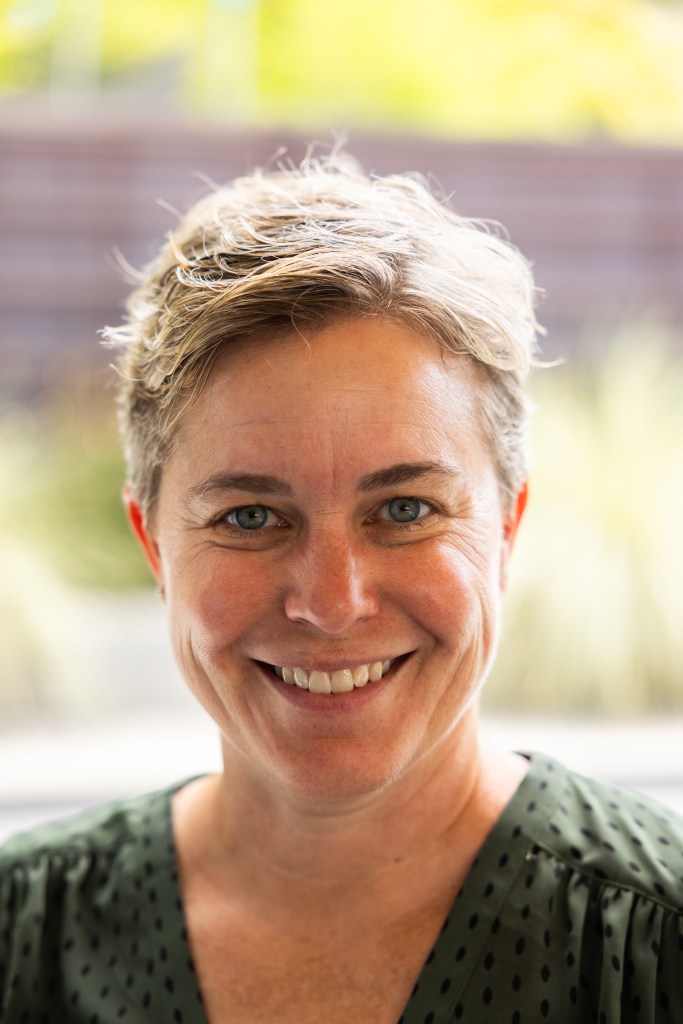
Jill Sharkey, a professor of school psychology at UC Santa Barbara whose research has focused on youth who have experienced trauma, has participated in the human trafficking task force and the development of the strategic plan.
Her work has taken her inside the county’s juvenile justice centers, where she realized that “almost every girl in juvenile hall was being trafficked.”
Professor Sharkey works closely with her colleague Lisa Conn-Akoni, a marriage and family therapist who founded the Resilience Interventions for Sexual Exploitation (RISE) program in Santa Maria, which served girls out of juvenile hall and their communities where they could receive wraparound care. But grant funding eventually ran out, and the program was sunsetted as COVID-19 cases rose in 2020.
Sharkey, who served as the evaluator for RISE, said they wanted to see a level of services like those they had with RISE return to the county. One main goal of the task force is to give people the tools and resources to know what to do when they suspect trafficking — mainly, not to intervene, but to refer the case to someone who can help. They have conducted dozens of trainings all over the county with schools, social services, and nonprofits, she said, but the need is so vast that it’s almost impossible to fill. She said that she and Conn are trying to create online content to make it more accessible.
“It can be anyone’s 12-year-old who can be targeted by a trafficker,” Sharkey emphasized. “People don’t want to believe it’s happening here, so we are looking to make people aware of the issue.”
Since SAFE’s inception, the task force has raised $500,000 and distributed $200,000 for survivor needs, case management, and countywide education. It updated training for first responders; assessed assets, gaps, and roles among agencies combating trafficking; and expanded outreach and engagement efforts.
Noah’s Anchorage initially received $12,000 in flexible funding for survivor needs, alongside Good Samaritan Shelter, a countywide homeless shelter with a safe house in North County dedicated to adult human trafficking survivors.
Additional funding from SAFE allowed Noah’s to hire a CSEC case manager in January. Before then, Noah’s staff were serving CSEC youth within their regular staffing model, but that was hard to juggle alongside everything else they did each day.
Enter their new case manager, Addi Zerrenner. She acts as the single point person to ensure youth receive well-rounded care without forcing them to navigate a patchwork of services or the criminal justice system on their own.
Zerrenner is the only such case manager in the county.
“It is slowly and surely taking off to where it needs to be,” Tovias said. “If you compare us six years ago to now, we’ve made strides to better the countywide system to address this.”
But it is an enormous challenge, and exploiters are quick and savvy.
“It takes two seconds to send a kid money, ask for a picture, or reach out on social media,” Tovias said. “It is very easy to access them now.”
Perpetrators can offer money, necessities, cell phones, and transportation at a rate that parents and service providers can’t keep up with, she added.
Funding is another barrier. Much of it comes from fundraising. Service gaps are only growing due to budget cuts, particularly at the federal level.
Sharkey acknowledged this as well, saying she still “can’t believe” the county is in a place where a majority of the money to serve its “most vulnerable kids” must be privately raised.
Noah’s Anchorage initially received only enough funding to hire Zerrenner part-time. But the organization quickly realized that wasn’t enough and raised funds to make her role full-time.
“This work is so intensive that we needed full-time staff,” Tovias said.
Intervention as Prevention
Azariah sees early intervention as one of the most important pieces of the puzzle.
The young people Azariah was around on State Street were the ones who pointed her to exploitation as a way to get her needs met. Because youth recruit other youth, intervention could counteract the recruiters.
Azariah emphasized that solutions do not always have to be trafficking-specific. Instead, they can address the issues that, at the heart, make a child vulnerable to exploitation in the first place.
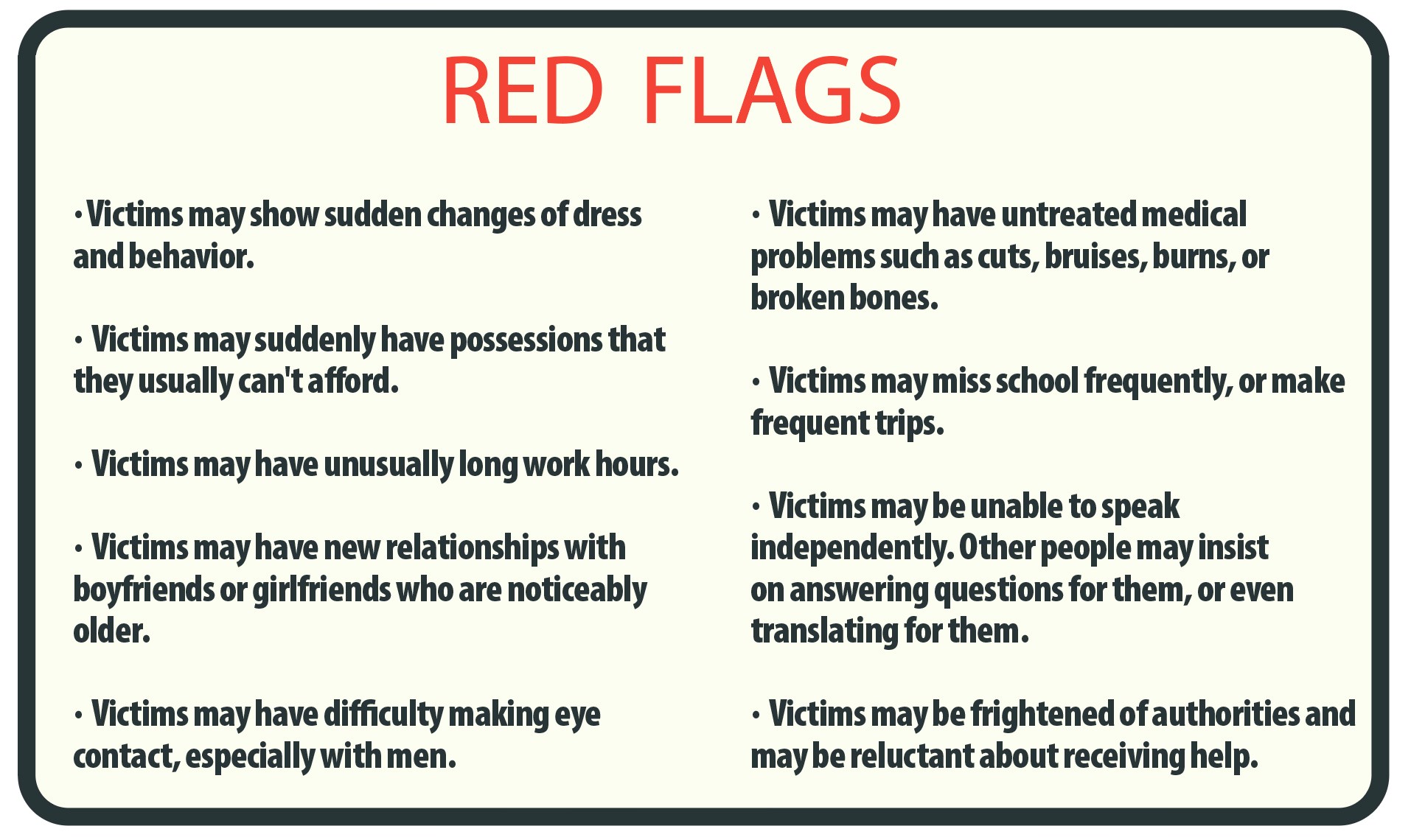
So, when could someone have stepped in? It could have been an organization providing rental assistance for a victim’s mother. Or a school counselor noticing the red flags and initiating a conversation.
Azariah has been working with KCI and the Human Trafficking Task Force to address what happens between a child’s first experience of grooming and the escalation into exploitation.
The task force’s partnership with the North County Rape Crisis and Child Protection Center (NCRCCPC), for example, focuses on reaching students and educators directly.
For context, the DA’s Office says that it has not observed a significant difference in trafficking cases between North and South County. However, Elsa Granados, executive director of South County’s Standing Together to End Sexual Assault (STESA) said that, anecdotally, they do not see as many survivors as their North County counterparts. She suggested that may be due to fewer educational resources available in South County. She noted that when they do educational campaigns, more survivors come forward.

“We need more education about sex trafficking in South County and then maybe we’d see more survivors walk through the doors,” she said.
Sabrina Ross, associate director of the NCRCCPC, said the organization provides trauma-informed services to survivors while also working to prevent exploitation before it happens.
Its prevention program teaches students throughout North County about personal safety, online safety, healthy boundaries, grooming behaviors, and how to seek help for themselves or a friend.
“We believe education is one of the most effective tools for prevention, and that strong community partnerships are essential to protecting youth,” Ross said.
With the county’s three-year strategic plan coming to an end in September this year, KCI is shifting focus to the service gaps and opportunities for prevention and intervention against sexual exploitation in the City of Santa Barbara.
In coordination with several city-based partners, the group is now laying the groundwork for a city-specific three-year action plan to meet the needs they identified over the past three years. KCI launched the Santa Barbara Youth Resiliance Initiative, including a fellowship with students at Westmont, to build a more connected system of care, the nonprofit said.
Sharkey said she and Conn will be a “thought partner” with KCI on city-specific solutions and are focused on building an online training program for wider distribution across the county, to let people know trafficking is a problem and how they can prevent it. She said she just needs the time and money to develop it. In the meantime, she said SAFE has “taken off” and will be the main mechanism for deciding how to address trafficking in the county and for providing funding to organizations that address those issues.

A Refuge to Rebuild Hope
Existing programs can also expand to fill some of the gaps.
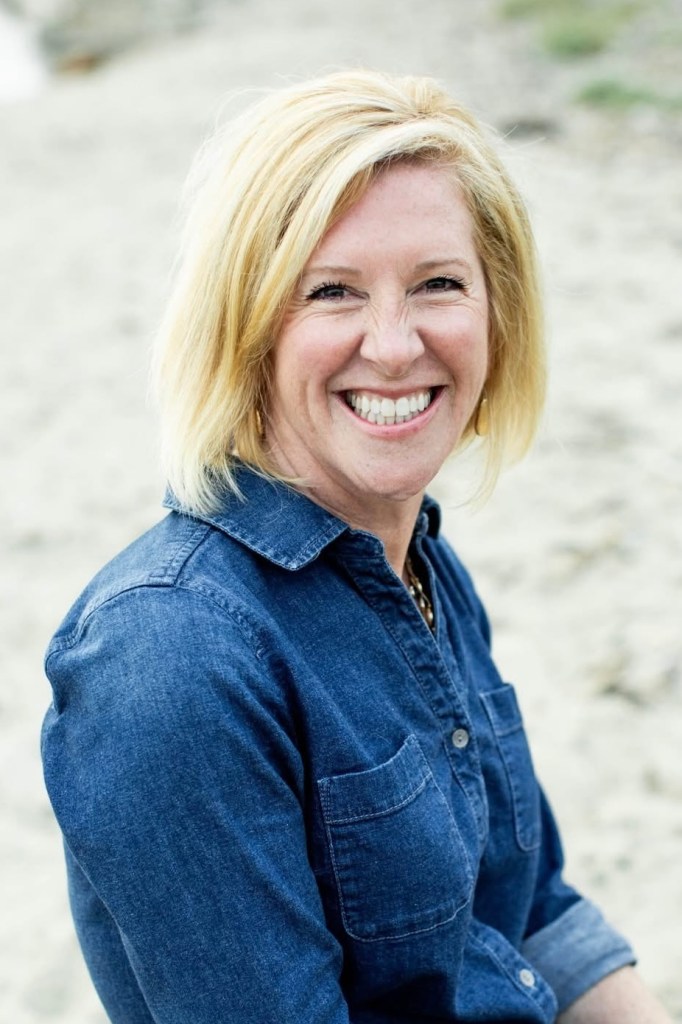
Olive Crest’s Hope Refuge Campus serves 10 counties in California, caring for as many as 32 girls a year. Its leadership is part of the Human Trafficking Task Force, and is one of the few programs in the county that works directly with girls who have experienced trafficking, focusing on helping them to change their behaviors through schooling, therapy, and mentorship.
Since opening in 2020, the program has helped dozens of girls reestablish control over their lives and find safety, love, and a renewed sense of hope, according to survivor testimonies.
“This place gave me an opportunity to grow, to learn, to believe in myself,” says one survivor in a 2022 video testimonial. “I would never let anyone treat me the way they treated me before, when I was manipulated and exploited. It’s been a long journey, but it’s been a good journey.”
California is currently funding Olive Crest’s work as part of a three-year pilot designed to determine the most effective approaches to wraparound care for young trafficking survivors.
Once the program is more established, Cook said, it could potentially help address broader county needs, including transitional housing, prevention, and a rapid-response team.
“It is a complex issue that needs a flexible response, and programs that can adapt, change, and move,” Cook said. “But government is not very flexible.”
Awareness as Action
Community members can also play a role, especially those who work with children.
Law enforcement and nonprofits emphasize the same call to action: pay attention.
Learn the signs of grooming and exploitation. Build relationships with young people. Ask questions. Maintain a consistent and positive presence in a child’s life. Talk openly about online safety and healthy relationships.
The NCRCCPC’s Sabrina Ross said parents, caregivers, educators, coaches, and other community members can help by taking concerns seriously, avoiding victim-blaming, and reporting suspected exploitation to law enforcement or appropriate child protection agencies.
Most importantly, she said, people need to understand that exploitation can happen in any community, and children need to know there are trusted adults and resources to help them.
At the All Saints forum, Carty told the audience, “You all have a gift. And you all have a way to be in relationship with someone, and that’s how you’re going to help. Okay? It’s not some big, massive thing. It’s just a relationship.”
The turnout at the forum was impressive, noted Cook, one of the featured speakers. Roughly 75 people filled the pews.
“A lot of people are here today who chose not to look the other way,” she said. “And it is not easy to look at this issue.”
Others are trying to shed light on the issue, too. Pedal the Pacific, a group of college-aged women, bikes from Seattle to San Diego, stopping along the way to increase awareness about sex trafficking and raise money for organizations working against it.
The group stopped in Santa Barbara during its 1,700-mile journey, meeting with the District Attorney’s Office, eating dinner with the Junior League of Santa Barbara, and having lunch with Santa Barbara Supervisor Roy Lee at his restaurant, Uncle Chen’s, in Carpinteria.
When they made it to the Sex Trafficking Awareness Forum at All Saints-by-the-Sea, the riders had raised $95,000 of a $100,000 goal to donate to nonprofits combating sex trafficking on the West Coast.
Program Manager Emma Pitcock said the riders each had a moment when they learned about trafficking and realized they wanted to help tell survivors’ stories. Cycling in matching outfits, she added, is a surefire way to get people’s attention.
“My very first time hearing a survivor’s story, I remember the feeling stirring in me to not turn a blind eye,” Pitcock said.
She encouraged the audience not to “freeze,” even when confronted with such a difficult topic.
“Sit with what you’ve heard,” she said, “but then keep moving forward.”
Cadence Bronson, another rider, said Pedal the Pacific taught her that anyone can become an advocate. The more she learned about trafficking, the more heartbroken and angry she became. She wished people in positions of power would do more to end it. But she also came to understand that the problem was more complicated than she initially thought.
“Sometimes it’s those very people with status or power who are perpetuating it,” she said.
The day before the forum, the group met with a survivor who described her disappointment in a justice system she believed had failed to protect her. But listening to her further, Bronson said, helped channel her anger into something more productive.
The survivor told them: “All little girls have such bright futures, but for the girls like us, who’ve been in the life or are still in the life, we just have to go through a lot more to get there.”
For Azariah and other advocates, shortening that distance is the goal. And when exploitation does happen, intervention should come early enough that a child does not have to spend years trying to find a way out.
“And all of us here today can be involved,” Bronson said, “so that every kid gets the opportunity to live their bright future.”
On October 10, SAFE will be holding its third annual Freedom to Flourish Gala, and tickets and sponsorship opportunities are now available. More information can be found here.





You must be logged in to post a comment.