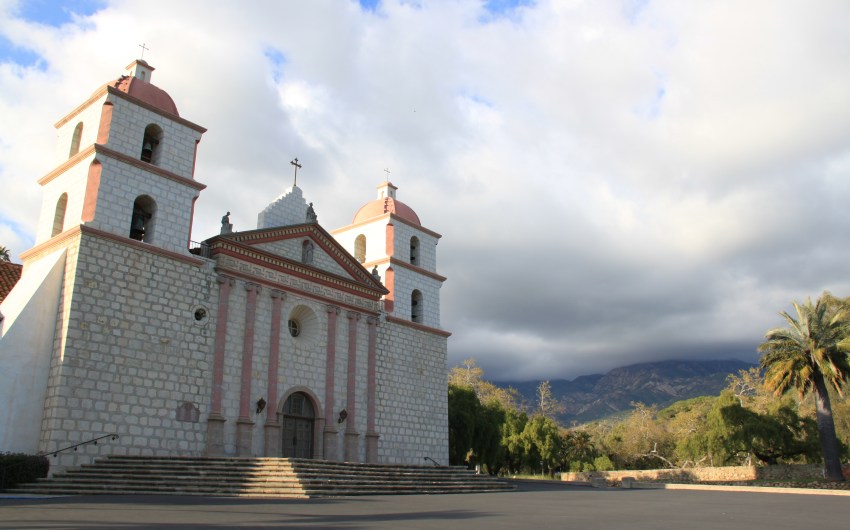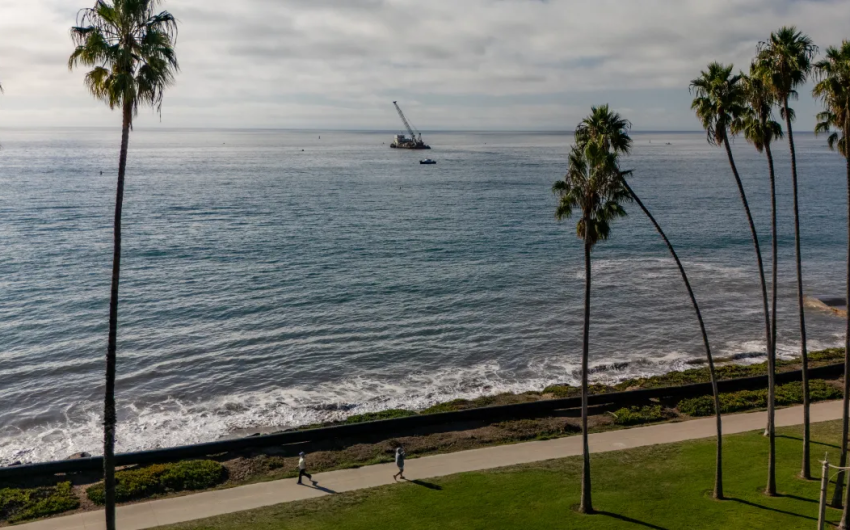
Santa Barbara is known for its gorgeous views and open spaces. But how much is that beauty really worth?
According to the Land Trust for Santa Barbara County, it’s about $2.96 billion per year.
A report released by the Land Trust last month tallied the region’s “natural assets” — open spaces, water resources, and recreation areas — and quantified their annual value. The Land Trust says they’re essential to the county’s economy, public health, and resilience against climate change.
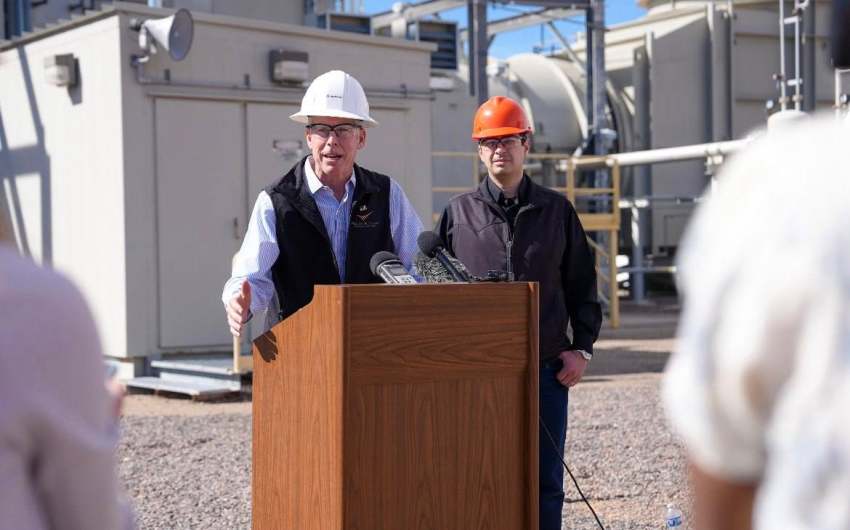
“We don’t live next to nature; we live subject to it. In beauty and in disaster, nature shapes our lives. It is time to factor that into all of our economic and land use planning,” said Meredith Hendricks, executive director at the Land Trust, in a statement.
Santa Barbara’s landscapes host a diverse range of plants and animals, the report says, making the area a “biodiversity hotspot” with protected areas both on land and at sea. As such, it boasts a lot of “natural capital,” or natural resources, including forests and watersheds that provide essential ecosystem goods and services, like clean water and reduced flood risks.
Even birdwatching was mentioned as an ecosystem service.
And the net value of this natural capital would be at least $138.9 billion over 100 years, according to the report.
“Healthy, intact ecosystems can limit the spread of disease, maintain or improve water quality, regenerate soils and limit erosion, reduce risk of wildfire and flooding, and regulate climate,” the report reads.
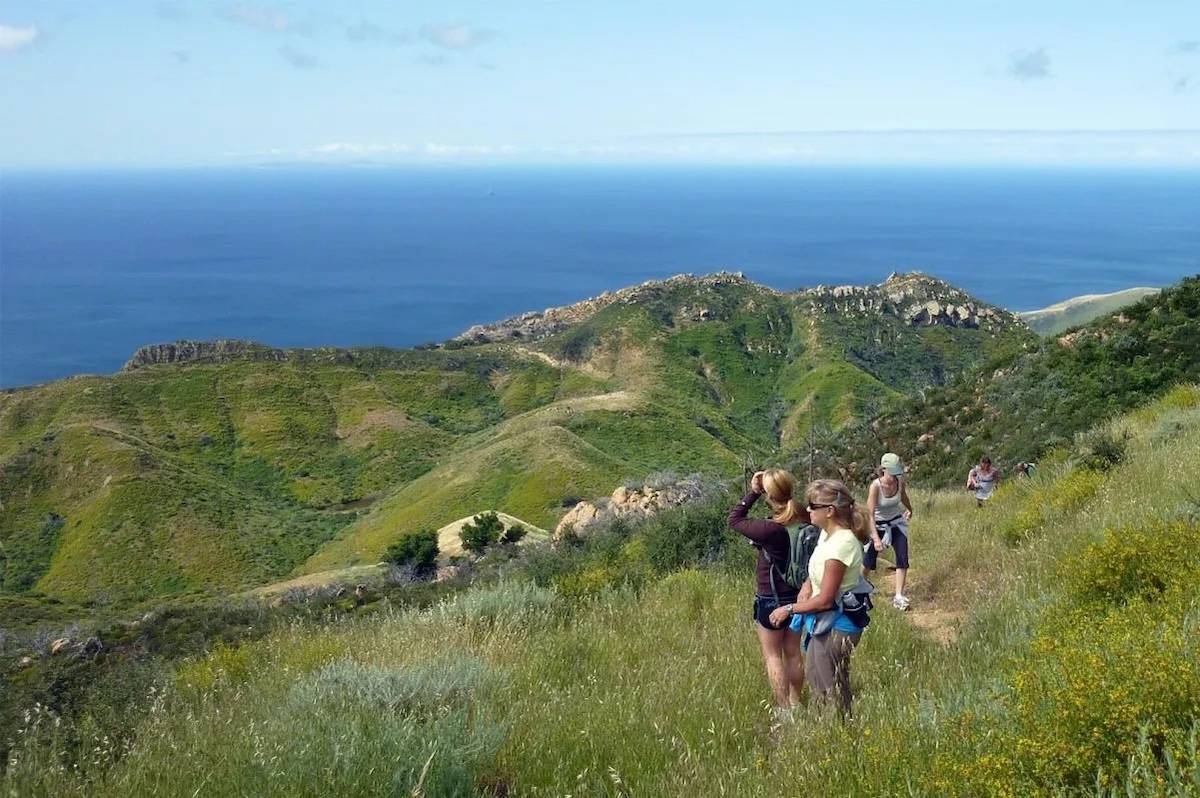
It also considered the economic activity spurred by the outdoor recreation industry, including 5,500 jobs paying $290 million in wages. And that impact could be increased, the Land Trust said, by proposed projects such as a preserve in Santa Maria Valley or a county campground at Gaviota.
“Expanding parks and trails not only strengthens our communities but also drives economic growth,” said 4th District County Supervisor Bob Nelson in a statement. “We have a chance to do what’s good for people, for business, and our bottom line.”
Agriculture was another “economic engine” noted in the report. Agriculture, considered separate from natural assets, contributed an output of $1.87 billion in crops like strawberries, cauliflower, and broccoli in 2023. Strawberries, Santa Barbara’s top crop, contributed $775 million alone.
The report, which was released in collaboration with the nonprofit Earth Economics, is meant to “underscore the urgent need” for investments to protect the environment and build resilience to climate change and natural disasters.
“The Los Angeles wildfires have vividly shown the devastating toll on life, property, and vital ecosystem services that support both our economy and environment,” said Maya Kocian, executive director at Earth Economics, which assesses and values natural habitats.
“Our report highlights the substantial economic value of preserving Santa Barbara County’s natural spaces — not just for local economic benefit, but also to shield against such disasters.”
The Land Trust said that California’s Proposition 4, for one, offers a “historic opportunity to leverage $10 billion in state funding to enhance wildfire prevention, protect water resources, and support climate adaptation efforts in the county.”
Read the full report here.