
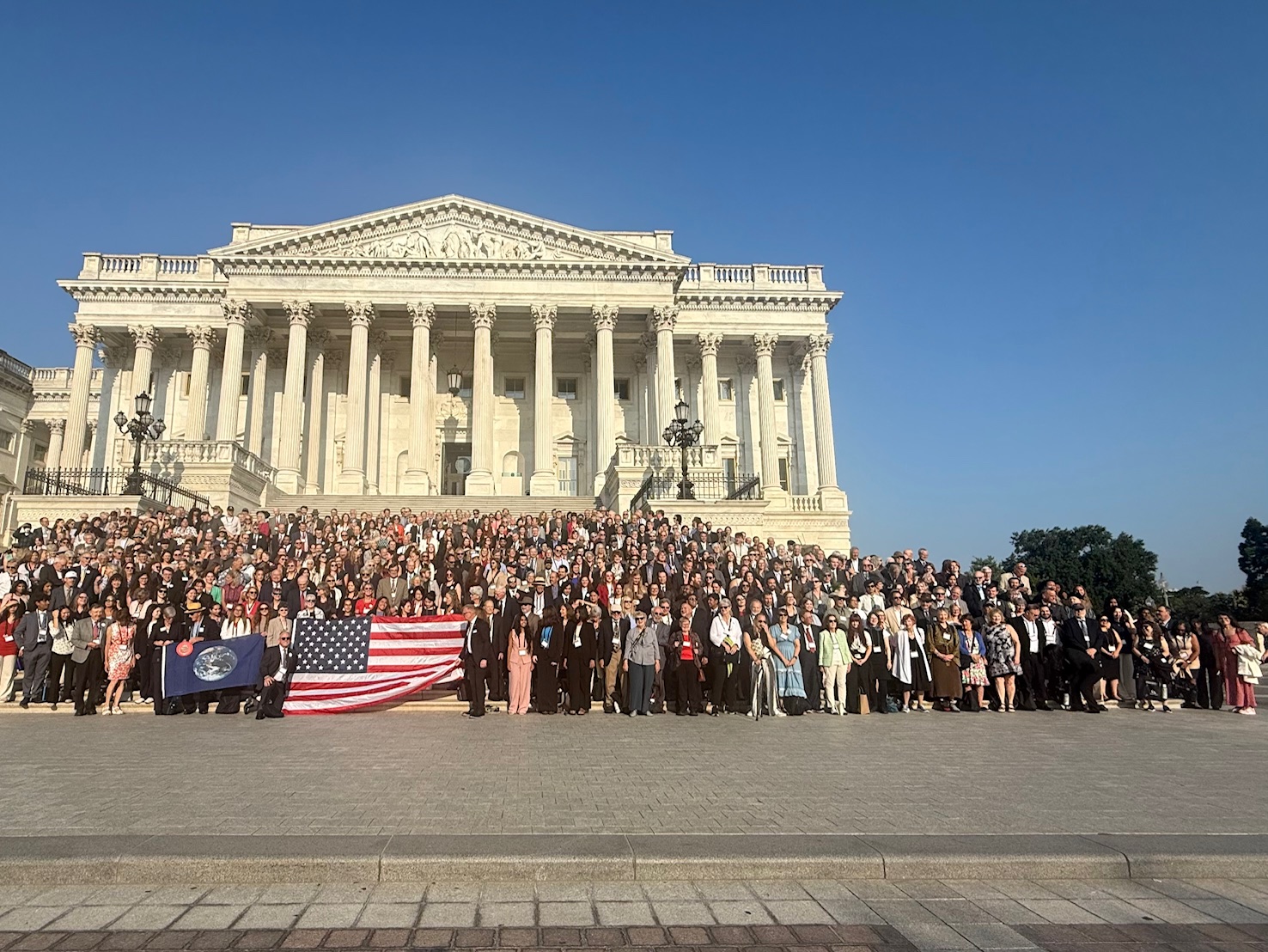
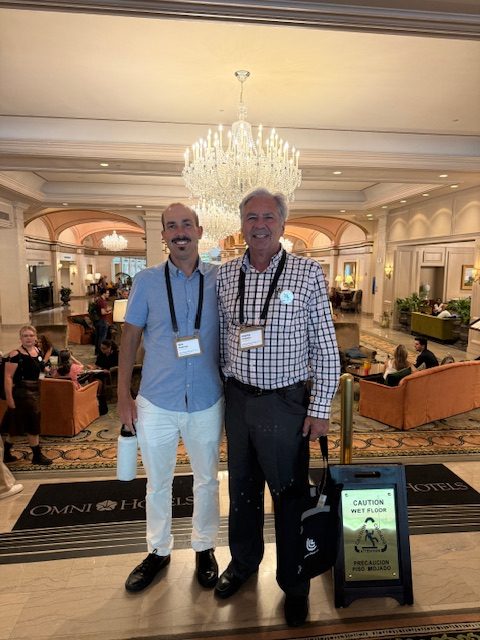
Earlier this week, two Santa Barbara residents visited Washington, D.C., as part of a national climate lobbying effort — traveling across the country to urge Congress to protect environmental legislation at a time when much of it is being quietly dismantled.
Charles Feinstein and Kirk Peterson are members of the Santa Barbara chapter of Citizens’ Climate Lobby (CCL), a nonprofit that organizes volunteers to advocate for federal climate policies. They joined hundreds of volunteers at CCL’s annual Summer Conference and Lobby Day, held July 20-22. The event combined two days of panels and strategy sessions with a full day of in-person meetings on Capitol Hill.
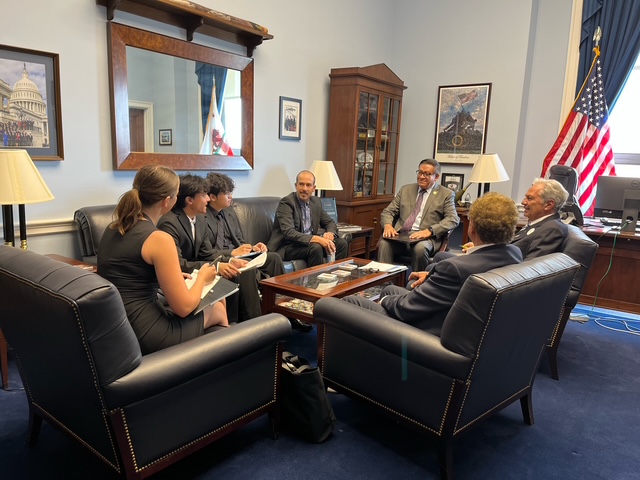
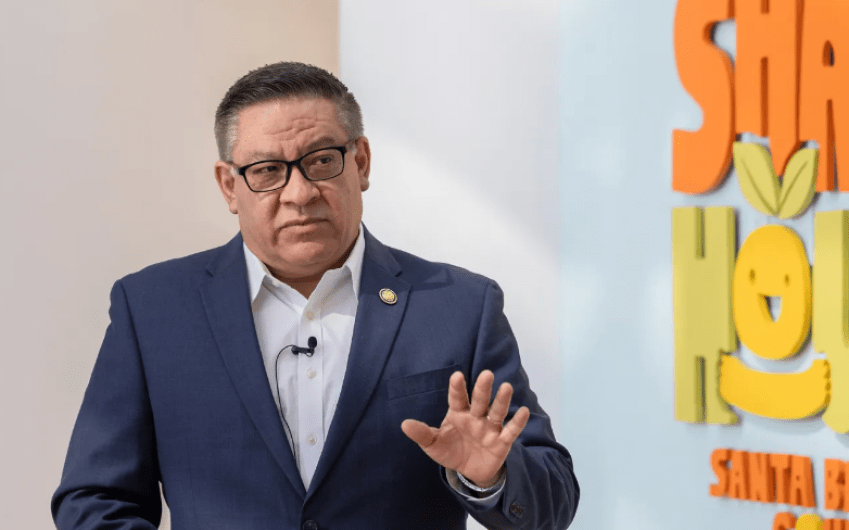
Feinstein and Peterson met with Senators Alex Padilla and Adam Schiff and Representative Salud Carbajal — all Democrats who already support clean energy — but did not have sit-downs with any Republican offices. “That’s just how the assignments worked out,” said Feinstein, who acknowledged the limits of the trip.
“I want to recharge my batteries, so to speak,” said Feinstein, former director of the World Bank’s Energy and Extractives Global Practice, who now lives in Santa Barbara, in an interview prior to the trip. “It’s a difficult environment … but by networking and getting on top of the latest, I hope to redouble my effort and regain enthusiasm.”
Their talking points centered on two pieces of legislation: the Fix Our Forests Act, a bipartisan bill aimed at restoring wildfire resilience and accelerating forest health projects, and the Foreign Pollution Fee Act, which would place a fee on carbon-intensive imports to encourage cleaner manufacturing globally. CCL has also long supported a carbon fee-and-dividend model — effectively taxing polluters and returning that revenue to households.
“Right now, you’re free to pollute,” Feinstein said. “And just basic life experience tells us that if something’s free, you’ll consume a lot of it.”
Peterson, who works in renewable energy consulting, said his climate focus was shaped by personal experience. “We had friends who lost family in the La Conchita landslide,” he said, referring to the devastating 2005 debris flow. “With climate change, disasters like that are going to keep happening — and they hit the most vulnerable communities hardest.”
Both men said the lobbying trip was more about presence than persuasion.
“I want to show face for our Santa Barbara chapter,” said Peterson in a pre-trip interview. “To show that this is still something we care about and want our leaders to fight for.”
Still, the current political landscape does not inspire confidence. “The U.S. was on track to meet its Paris commitments,” Feinstein said. “Now, with changes enacted by Congress, we’ll be lucky to hit even 30 percent reductions. And that’s a downer.”
Showing face may not be enough. Just last month, the House passed a budget reconciliation bill that would repeal large portions of the 2022 Inflation Reduction Act — including clean energy tax credits that California has widely adopted. A companion bill is under Senate consideration. If signed into law, the package will slash billions in federal climate investment and eliminate incentives for technologies aimed at reducing emissions.
Yet both men insist the trip wasn’t futile. For Feinstein, Santa Barbara’s climate vulnerability alone warranted a seat at the table. “According to NOAA, Santa Barbara and Ventura counties have warmed more than any other counties in the continental U.S. over the last 50 years,” he said. “Our ecosystems aren’t just threatened — they’re already being impacted.”
And for Peterson, it’s about staying in the fight — even when the system feels slow or broken. “If you integrate climate action into the market, you get movement,” he said. “We’ve got to keep showing up.”
Now that the conference has concluded, Feinstein said the experience exceeded expectations — not because any policy shifts, but because of the persistence he saw across the climate community.
“No one’s giving up,” he said in a follow-up interview. “This is a hard political climate, but Citizens’ Climate Lobby has a plan — multiple plans.”
That plan includes three key areas of focus: the FY26 appropriations process to restore clean energy support; permitting and transmission reform to expand the national grid; and renewed efforts to pass the Fix Our Forests Act.
“Transmission is critical,” Feinstein said. “You can’t scale up clean energy if you can’t connect it to population centers. And a stronger grid also protects against climate-related failures — like the winter blackout in Texas.”
While Peterson was still in Maryland as of Thursday, most other volunteers, he noted, returned home on Wednesday, July 23. “We had over 850 volunteers at the conference,” he said. “And I’d bet nearly all of them showed up for Lobby Day. That kind of turnout gives me hope.”
Related Posts

Premier Events

Sat, Mar 21
2:00 PM
Santa Barbara
Artificial Intelligence: Social Impacts on the Future
Sat, Mar 28
7:15 PM
Santa Barbara
Santa Barbara Stargazing Tour
Sat, Apr 18
5:30 PM
Solvang
The Winemaker’s Table: An Evening of Rideau Reds

Sat, Mar 21
11:00 AM
Santa Barbara
Film Screening for World Down Syndrome Day!

Sat, Mar 21
12:00 PM
Santa Barbara
The Rack Grand Opening Party

Sat, Mar 21
2:00 PM
Ojai
Live It Up Free Benefit Concert at Libbey Bowl

Sat, Mar 21
All day
Santa Barbara
InterAct Annual Showcase- ‘In Your Dreams’

Sat, Mar 21
7:00 PM
Santa Barbara
Solstice Santa Barbara EQuINOX WEEKEND
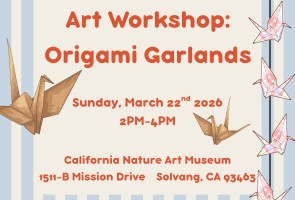
Sun, Mar 22
2:00 PM
Solvang
Art Workshop – Origami Garlands
Sun, Mar 22
3:30 PM
Santa Barbara
History and Joy of Blues Music: Live Presentation
Sun, Mar 22
4:00 PM
Santa Barbara
SANTA BARBARA REVELS -PUB SING followed by Karaoke
Wed, Mar 25
6:30 PM
Santa Barbara
Vigil for Lament, Solidarity and Peace

Sat, Mar 28
All day
Santa Barbara
Coffee Culture Fest
Sat, Mar 21 2:00 PM
Santa Barbara
Artificial Intelligence: Social Impacts on the Future
Sat, Mar 28 7:15 PM
Santa Barbara
Santa Barbara Stargazing Tour
Sat, Apr 18 5:30 PM
Solvang
The Winemaker’s Table: An Evening of Rideau Reds
Sat, Mar 21 11:00 AM
Santa Barbara
Film Screening for World Down Syndrome Day!
Sat, Mar 21 12:00 PM
Santa Barbara
The Rack Grand Opening Party
Sat, Mar 21 2:00 PM
Ojai
Live It Up Free Benefit Concert at Libbey Bowl
Sat, Mar 21 All day
Santa Barbara
InterAct Annual Showcase- ‘In Your Dreams’
Sat, Mar 21 7:00 PM
Santa Barbara
Solstice Santa Barbara EQuINOX WEEKEND
Sun, Mar 22 2:00 PM
Solvang
Art Workshop – Origami Garlands
Sun, Mar 22 3:30 PM
Santa Barbara
History and Joy of Blues Music: Live Presentation
Sun, Mar 22 4:00 PM
Santa Barbara
SANTA BARBARA REVELS -PUB SING followed by Karaoke
Wed, Mar 25 6:30 PM
Santa Barbara
Vigil for Lament, Solidarity and Peace
Sat, Mar 28 All day
Santa Barbara


You must be logged in to post a comment.