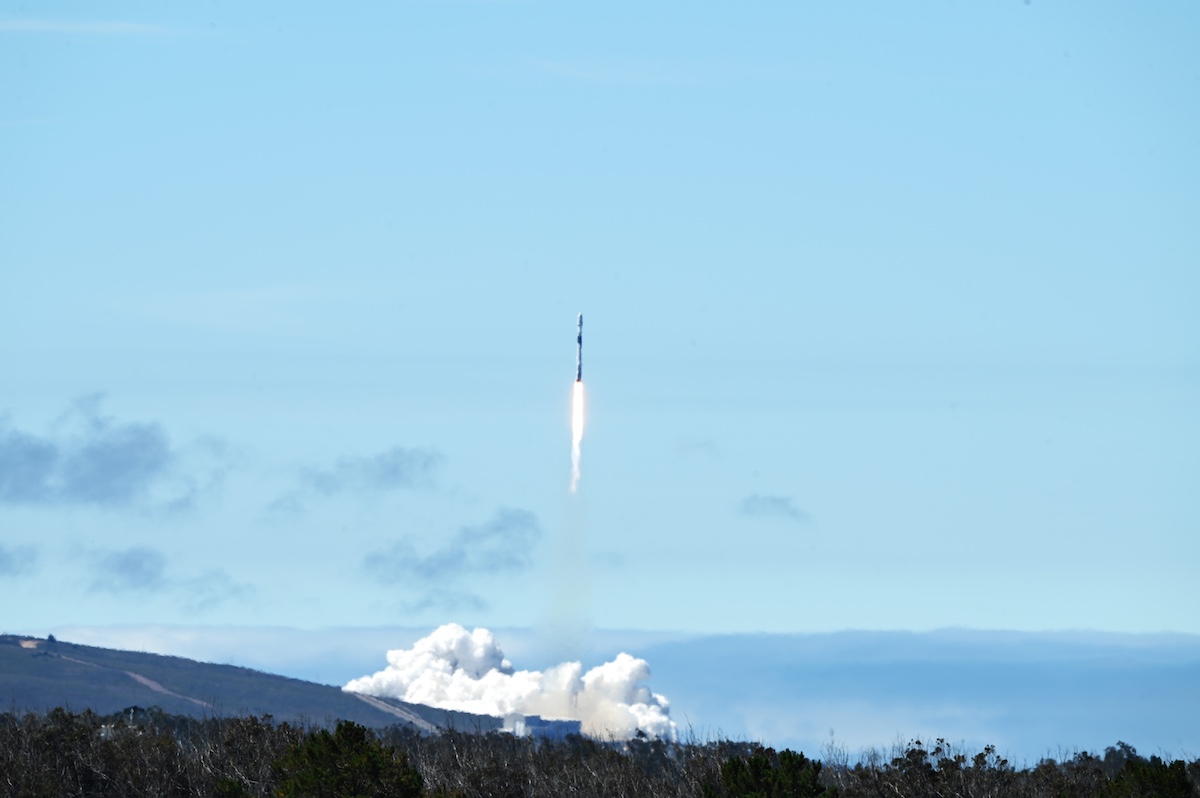
One month after a federal judge allowed Elon Musk to proceed with his lawsuit against the California Coastal Commission for alleged political bias and retaliation, that same state body will be meeting to review Musk’s proposal to double the approved number of rockets his company SpaceX can launch from the Vandenberg Space Force Base. Musk is proposing an increase from 50 to 100, a matter of serious concern for environmentalists who contend the sonic booms that accompany many of the launches is inflicting significant disruption on seals, whales, and other marine mammals, not to mention barking dogs, rattled windowpanes, and disturbed sleeps.
The makeup of the commission at the upcoming August 14 meeting will be notably different than it was last October when several members of the governing body veered significantly off-topic — SpaceX was then proposing to increase its launch cadence from 36 to 50 a year — and launched political broadsides against Musk for his manic support for then presidential candidate Donald Trump, excoriating the mercurial billionaire for retrograde labor practices and the hundreds of million he donated to Trump’s campaign. The commission voted to withhold permission, a largely symbolic act with no teeth or consequences. Musk sued, charging the vote was an act of political retaliation.
Initially, federal judge Stanley Blumenfeld rejected Musk’s claim, noting he suffered no harm. That’s because Musk is working in tandem with the Department of Defense, and the Air Force quickly overrode the commission vote, citing federal preemption and national security considerations.
Musk has since amended his action, claiming the commission might seek to punish him in the future for launching rockets without benefit of a coastal development permit. The Air Force has insisted Musk doesn’t need any such permit on national security grounds, but many commissioners have opined to the contrary, noting the vast majority of his launches are strictly commercial in nature and have no national security mission.
Judge Blumenfeld ruled the possible threat of such an enforcement action gives Musk a “non-speculative” basis for his retaliatory claims and allowed the lawsuit to move forward. Two of Musk’s most outspoken critics on the commission have since been replaced, adding to the suspense surrounding next week’s proceeding.
Given that Musk is seeking twice as many rocket launches while reportedly stonewalling commission requests for additional information, it’s likely the commission will withhold the approvals Musk is seeking. Should that happen, it’s all but inevitable the Space Force will override the commission action.