The building industry prioritizes speed, new materials, and minimal uses of labor. Even with awareness that we are over-taxing planetary resources, these preferences have made it challenging to deconstruct or recycle existing structures. Demolishing and dumping into landfills are still the norm. Change comes slowly, but we are starting to see some encouraging developments.
The widening of Highway 101 between Santa Barbara and Ventura has recycled 250,000 tons of old road into new road-base for this freeway project. The giant mound of gravel visible when driving south is pulverized old highway.
In the aftermath of the Eaton Fire in Altadena, charred debris is being reprocessed into building components. Twisted metal from fire-destroyed properties is being compacted and trucked to recycling facilities, where it is melted down and formed into new products. Steel is infinitely recyclable. Shipping containers, cars, and cans are the biggest sources for recycled steel, but construction waste is also a significant contributor. As the world’s fourth largest steel producer, the U.S. reduces its raw material input greatly by recycling 60 to 80 million tons of scrap steel annually.
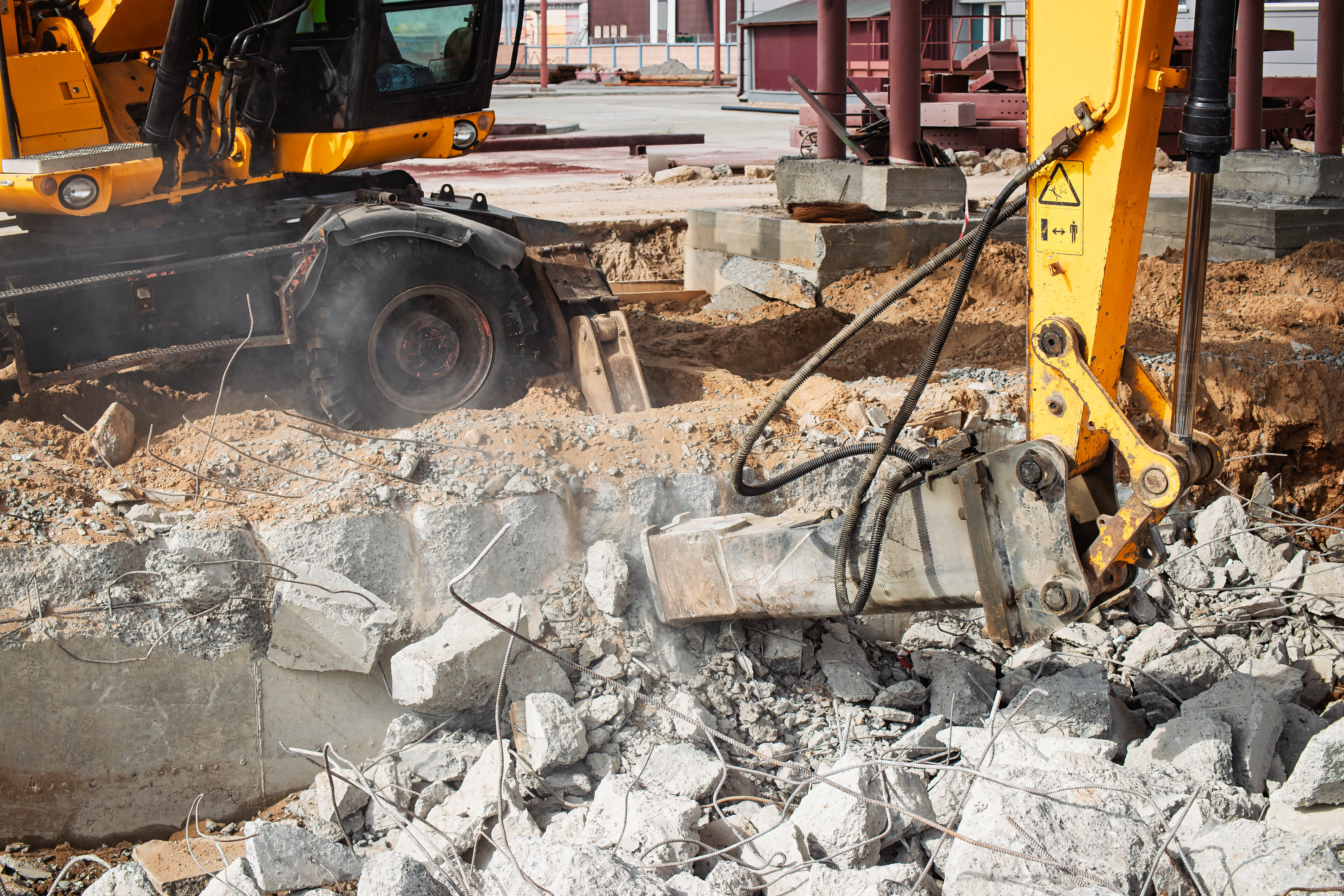
In Altadena, there are also tall piles of ground-up, fire-ravaged walls and foundations ready to be transformed into new concrete, backfill, or base for new retaining walls and foundations. Concrete is a major contributor to global carbon emissions. Recycling barely shrinks its carbon footprint but does greatly reduce the need to extract new gravel and sand. It also keeps tons of rubble out of landfills.
Trees damaged by wildfires in forests or urban areas are now often shipped to mills to be cut into lumber or manufactured into mass timber products such as cross-laminated timber. These products can be engineered into 20-30-story buildings. Trees killed by insect infestations or even those blown down in extreme windstorms are often inputs for engineered lumber products. Trees completely burned or damaged by bugs can still be turned into mulch or organic soil amendments. These strategies are being applied in Altadena, Lahaina, and elsewhere in the West in the wake of destructive fires.
In many locales, the Army Corps of Engineers is overseeing efforts to return fire-damaged materials back into circulation. It emphasizes that these processes speed up recovery, limit environmental harm, and reduce truck hauling and use of landfills. The restorative properties of nature are well-known. After fire disasters, we are starting to turn loss into utility; to create a cycle of renewal that brings steel, concrete, and wood full circle.