In a record-breaking July, Veggie Rescue delivered 87,664 pounds of food to nonprofits and churches for people in need. By collecting surplus food from farms, bakeries, and other food businesses, they provided the equivalent of 73,000 meals and prevented 358,000 pounds of food waste.
As food insecurity rises and budget cuts shrink government aid, the small four-person team has been working hard to meet growing community needs.
“This record month demonstrates both the generosity of our food donors and the strength of our logistics team,” said Eryn Shugart, executive director of Veggie Rescue. “It shows, most importantly, what’s possible when good food is redirected from waste to tables.”
Founded in 2010 in the Santa Ynez Valley by community volunteers who started by gleaning fruits and vegetables from local farmers, Veggie Rescue is the only nonprofit in Santa Barbara County dedicated to food rescue, said Shugart. “We pick up surplus food from farms and businesses and donate it within 24 hours,” she explained. “That’s the unique thing about our organization. We have no warehouse; we just take it directly from where we get it and deliver it to locations serving people in need.”
Santa Barbara County is the second poorest of the 58 counties in California, where one in three community members suffer from food insecurity, Shugart said.
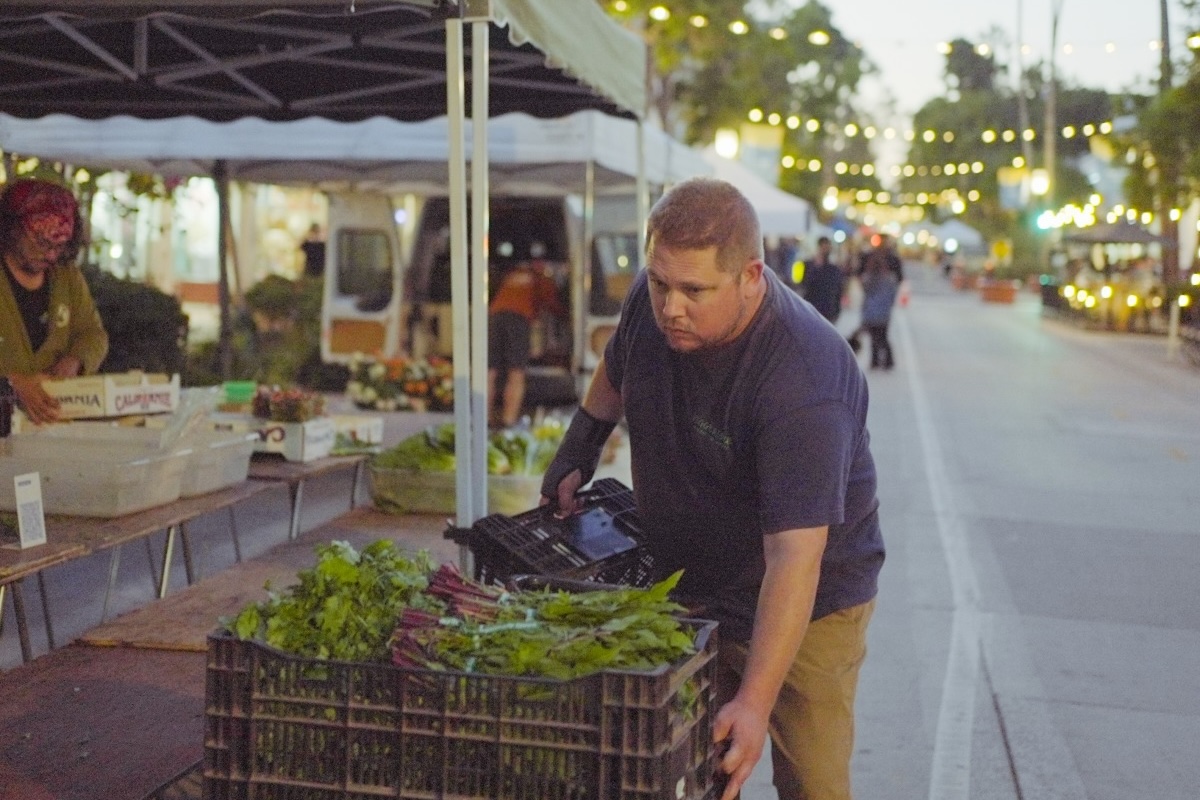
Using a routing app that maps which nonprofits are nearby, three refrigerated trucks pick up food that would otherwise go to waste and redirect it to seniors, children, unhoused people, immigrant families, and low-income households.
Shugart described a ride along with one of the drivers on a recent morning: “We left from our founder’s ranch in Santa Ynez, stopped at Bob’s Well Bread in Ballard, and they gave [us] probably a couple hundred pounds of bread,” Shugart said. “We [then] went directly to the Rona Barrett Foundation, Harry’s House.”
By lunchtime, those same loaves of bread were being transformed into sandwiches for low-income seniors.
Continuing to a farm in Santa Maria, they picked up boxes of lettuce, turnips, onions, carrots, and other organic produce for delivery to a food distribution center in Santa Maria, Catholic Charities.
The rest of the day followed that same rhythm, with stops at other area farms and community centers. By the end of the route, hundreds of pounds of nutrient-dense food had been delivered.
“Community members can also do [a] ride along; that’s really the best way for people to learn about Veggie Rescue,” Shugart said. “If someone is interested in volunteering, or they just want to learn more about our organization, that’s available to them.”
Federal and state budget cuts recently reduced food assistance nationwide and locally. The Foodbank of Santa Barbara County, for example, lost about $1 million in funding, Shugart said. Veggie Rescue relies entirely on community donations, grants, and partnerships, giving it flexibility during times when federal food programs shrink.
“We’re not competing with the Foodbank,” Shugart assured. “They are amazing in what they do; we’re just different.”
The two organizations serve complementary roles, ensuring that community members continue to receive the food they need. But to expand, greater community participation is needed.
Veggie Rescue is seeking volunteers to build a gleaning program, which collects surplus fruits and vegetables from farms and backyard trees. Volunteers can play a direct role in getting fresh food to community organizations and the people they serve.
“July was a reminder that with more partners, we can do even more,” Shugart said. “Every farm, store, or family with fruit trees that joins us strengthens the safety net for neighbors who are struggling right now.”