In an effort to encourage the redevelopment of underused buildings downtown, the Santa Barbara City Council adopted a new policy for adaptive reuse projects, without the usual requirement for inclusionary affordable housing for certain projects in the Central Business District.
On Tuesday, the City Council unanimously approved the ordinance, which allows a pathway for the conversion of commercial and retail buildings into housing. According to the new policy, projects proposed in the downtown area will not be required to include any affordable housing unless they have more than 40 rental units. Projects with 40 or more units would require at least 10 percent of units to be set aside as moderate-income affordable.
Councilmember Mike Jordan said the adaptive reuse ordinance should be viewed not as a housing policy, but as more of an “economic stimulation ordinance,” meant to encourage developers to build housing downtown in buildings that are often underused.
“This is an economic ordinance,” Jordan said. “It involves housing, but the primary concern, in my mind, is economic stimulation.”
Heading into Tuesday’s hearing, there were questions over the impact of removing the inclusionary requirement. Housing advocates warned in an open letter that the removal of the requirement would be “a serious mistake” that could lead to “a downtown dominated by luxury apartments” that working class-residents could never afford.
Developers, including those who have completed conversion projects in the past, said the only way adaptive reuse projects would pencil out was by removing the constraints of mandatory deed-restricted housing.
There have been 19 projects in the city’s planning pipeline that would qualify as adaptive reuse, with 11 of those inside of the Central Business District. Of these, there is only one project within the downtown area that would require affordable housing: a 112-unit development proposed for the Norstrom building currently in the pre-application phase.
Councilmembers discussed the possibility of implementing a sliding “in-lieu” fee option that would allow developers to make a payment to the city’s housing trust fund instead of building the affordable housing, though city staff recommended against it, with City Administrator Kelly McAdoo explaining that the city was already completing a study on in-lieu fees that would be revealed later this year.
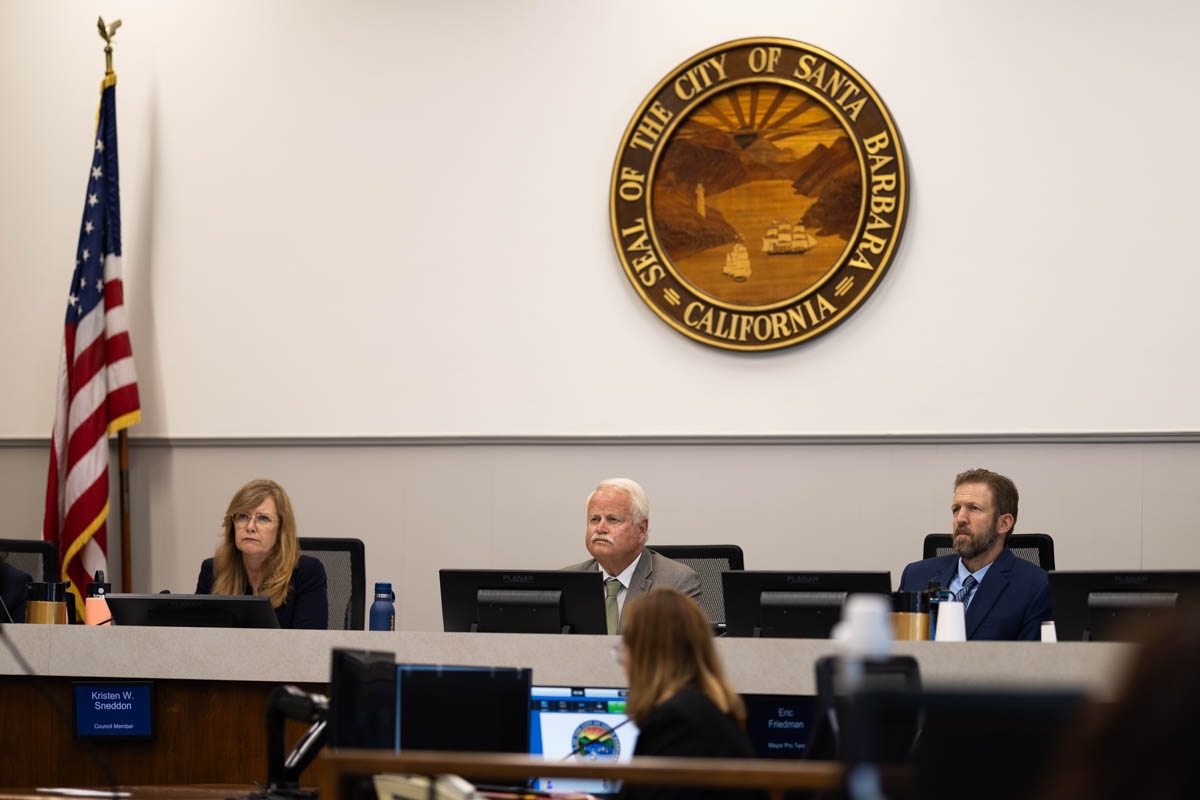
Instead, all seven councilmembers voted in support of adopting the adaptive reuse ordinance as written, with the condition that city staff return with the results of the in-lieu fee study so the council could make a policy decision on the rate of fees based on current market data.
“There’s gotta be a sweet spot somewhere,” Mayor Randy Rowse said about the sliding in-lieu fee. “I don’t know where that is, so that’s why we’re going to ask you to come back with that.”