
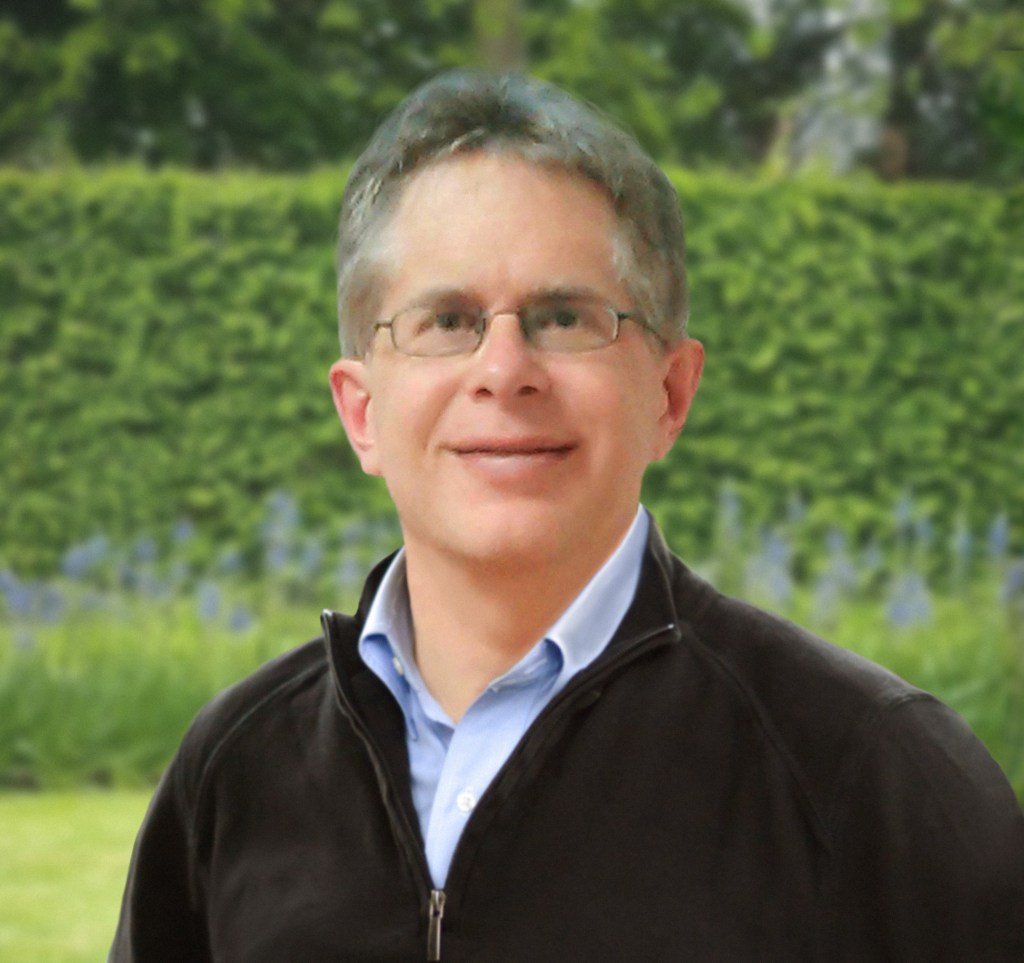
Many students in California, Santa Barbara included, cannot read at grade level. Palo Alto school boardmember and literacy expert Todd Collins knows this well.
He helped take a school district with low literacy rates and transform it into one of the highest performing districts in the state by prioritizing early literacy. The Santa Barbara Reading Coalition is now looking at this success story as a model for Santa Barbara, where they say only half of students can read at grade level.
This Saturday, October 18, Collins will be speaking at the Central Library at 2 p.m. to shine a light on how to “move the needle on early childhood literacy.” It will be the first event in a new speaker series sponsored by the Santa Barbara Reading Coalition, a group of experienced educational activists that want to raise literacy rates in the region.
Very few districts have learned how to “crack this problem,” Collins told the Independent. He helped organize and now runs the California Reading Coalition after seeing success in Palo Alto, helping districts across the state improve reading achievement particularly by supporting science-based literacy instruction.
Collins plans to talk about the “science of reading” and how school districts can successfully implement it to begin to move the needle. Governor Gavin Newsom, he noted, recently signed into law a bill providing $200 million of funding and other support for districts to adopt science-of-reading-type approaches.
“Santa Barbara is sort of in the middle of the pack,” Collins said. “They look like a lot of other districts in terms of reading achievement, particularly of low-income Latino students, who make up a huge portion of students in California.”
Higher-income students tend to do well, due to their parents being able to afford extra support and simply having more time to dedicate to helping their child learn to read. But about 75 percent of California’s low-income Latino and Black students are reading below grade level in 3rd grade.
“So the real focus for Santa Barbara, and basically every district in California, is trying to figure out how to support those kids so they can achieve grade-level capability in the early grades, because once they fall behind, it’s incredibly hard to catch up. Incredibly hard,” he said.
Locally, districts are trying. But the Santa Barbara Reading Coalition thinks more can be done, in terms of cooperation, training, advocacy, and education about how the community approaches teaching reading.
Nevertheless, the needle is beginning to move — literacy rates in Santa Barbara Unified, which implemented science-based reading instruction and invested in associated teacher training beginning in 2022, recently returned to pre-pandemic levels, going up to 51 percent.
“We share the goal of improving student outcomes, and I’m attending to ensure our efforts remain results-based and action-oriented,” said Santa Barbara Unified Superintendent Hilda Maldonado, who will be attending Saturday’s event at the library. “My focus is on exploring how collaboration can drive meaningful, accelerated progress for all students.”
Learn more about the upcoming event here: sbreads.org.



You must be logged in to post a comment.