The Santa Barbara City Council voted 4-1 to move forward with amendments to the city’s rules regarding single-use materials, restricting the use of Mylar balloons, plastic confetti, and disposable polystyrene food ware.
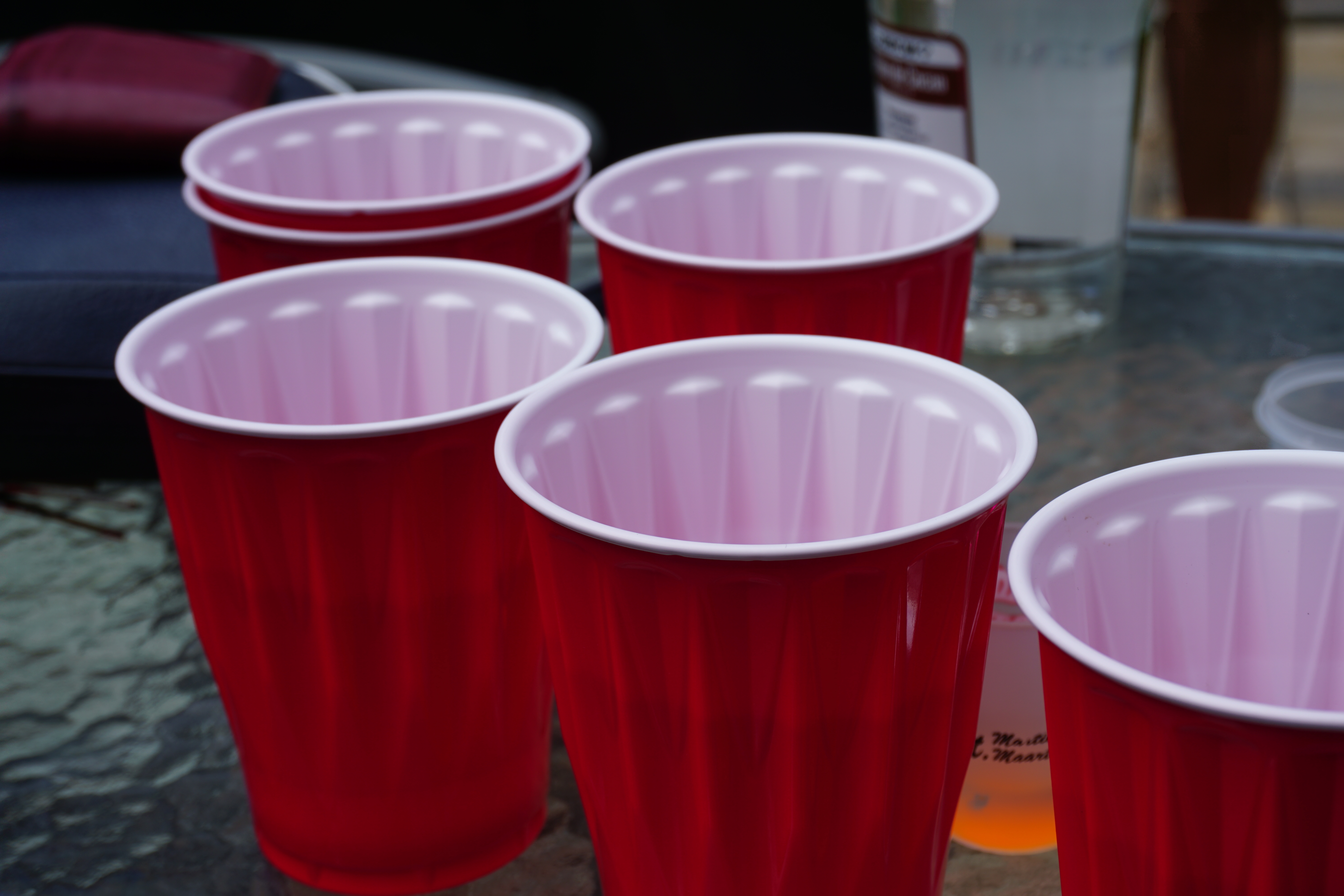
The ban on balloons, confetti, and plastic party cups isn’t a crackdown on celebrations, but rather a push to cut back on plastic waste and the impacts of microplastics on local waterways and wildlife.
Daniela Rosales, an environmental specialist with the city’s Sustainability and Resilience Department, outlined the new rules during Tuesday’s council hearing. Rosales explained that the city’s intention was to shift behavior to discourage the use of single-use plastics while also helping business owners transition to reusable materials for food and beverages.
“Single-use plastics are used for a very short amount of time but can last hundreds of years in our environment or at the landfill,” Rosales said.
Current city policies already restrict the use of some plastic straws and cutlery, and a new state law prohibits the use of plastic bags, but the new single-use material policies would further restrict “rigid polystyrene” food ware — such as containers and plastic cups — and require all on-site dining to provide reusable plates and cups.
All to-go containers must now be compostable, and businesses can no longer sell plastic-lined cardboard cartons or mini eight-ounce plastic water bottles. Going forward, there will now be a policy for reusable cups at large public events, starting with city events and eventually extending to all permitted events.
The ban on Mylar balloons and plastic-based confetti has been in the works for years, and has been supported by environmental groups and volunteer cleanup organizations, who have found evidence of trashed plastics in city creeks and beaches.
The city will now encourage the use of non-Mylar balloons and paper confetti, with an extensive public outreach campaign to inform businesses and vendors ahead of the Fiesta celebration, which has come to be known for its tradition of confetti-filled eggs.
Several business owners and balloon vendors spoke out against the ban on Mylar balloons. Maria Stockham, executive director of the Coalition for Responsible Celebration, said that many businesses and balloon artists would be directly impacted by the new restrictions. A vast majority of balloon use happens indoors, she said, and many sellers discourage the practice of intentionally releasing balloons.
“Like the city, our industry cares deeply about environmental protection,” Stockham said. “We are united in supporting zero tolerance for intentional balloon releases — balloons were never meant to be released, and that behavior should never be acceptable in Santa Barbara. However, banning the sale and use of balloons does not address that behavior.”
The majority of the City Council was supportive of the new restrictions on single-use materials. Councilmember Kristen Sneddon said she has seen Mylar balloons caught on trees or floating in the ocean. Councilmember Meagan Harmon said the council had a responsibility to move forward “for our collective good and for the future of this community.”
“One thing that is clear is that our climate crisis is accelerating at alarming rates,” said Councilmember Wendy Santamaria. “There is no denying that. And every step that we can take to help preserve our coastline, preserve our environment, is very much worthwhile.”
Mayor Randy Rowse voted against the amendments, saying that he supported the city’s push to encourage businesses to move away from single-use materials, but he didn’t agree with policies that may target small businesses. He asked for more data to understand the scope of the impact on a ban on Mylar balloons and suggested council vote on each piece of the policy separately.
After a brief discussion between the council and City Attorney John Doimas, Councilmember Sneddon moved to approve the amendments as recommended by city staff rather than break up the items or make last-minute tweaks. The motion passed 4-1, with Mayor Rowse opposed.
The ordinance will return to the council for final approval and would go into effect later.