

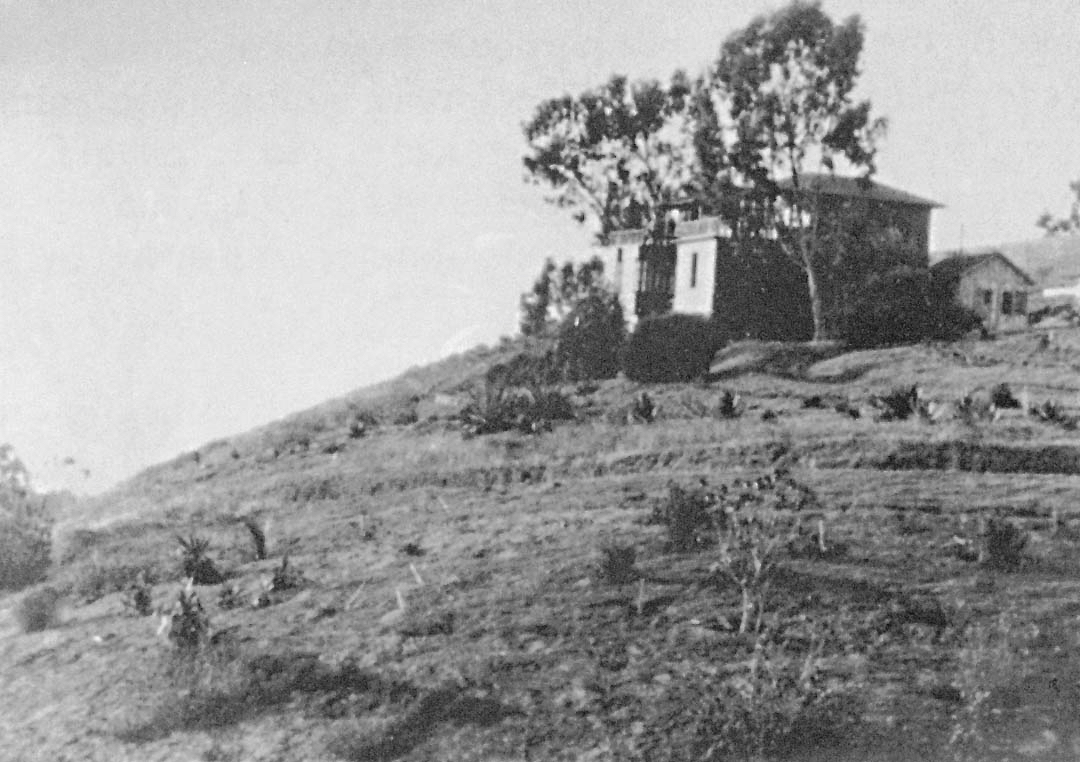
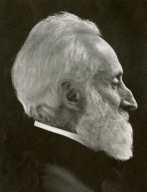
Like so many wealthy patrons from the East who fell in love with Santa Barbara, philanthropist Alden Freeman decided to make a big donation to the community. In 1927, he purchased several acres on Mission Ridge, where, more than a decade earlier, Italian immigrant and horticulturist Francesco Franceschi had established gardens and built a redwood Craftsman-style home. Newcomer Freeman’s intention was to create a city park and community gathering place in honor of Franceschi, who had died three years earlier.
For a variety of reasons, some not quite understood, all did not go according to plan.
City leaders at the time declined the donation due to the expense of its upkeep. The terms of the donation changed, and in 1931, the city accepted it along with the promise of $1,500 donated annually for two years from the Riviera Association.
At the time of donation, landscape architect Ralph Stevens offered a three-pronged plan: to serve as a suitable memorial to Franceschi, to remodel the house to serve as a tea house and luncheon venue, and to create an open-air music pavilion in the formal flower garden. Other plans included a swimming pool, rock fish pond, and an artificial waterfall.
At the January 14, 2026, Historic Landmarks Commission meeting, the city revealed its latest proposal for demolishing and “reimagining” Franceschi House and gardens. There was a lot of history about that property and the people that has been glossed over and left out. Here is some of it.
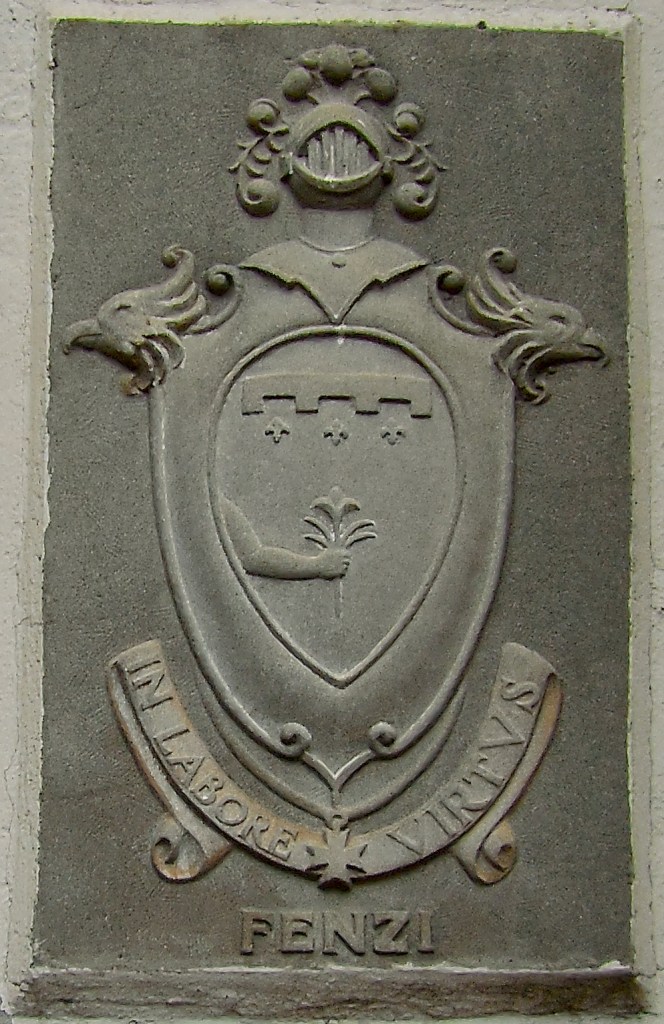
Montarioso Fenzi family crest | Credit: Courtesy 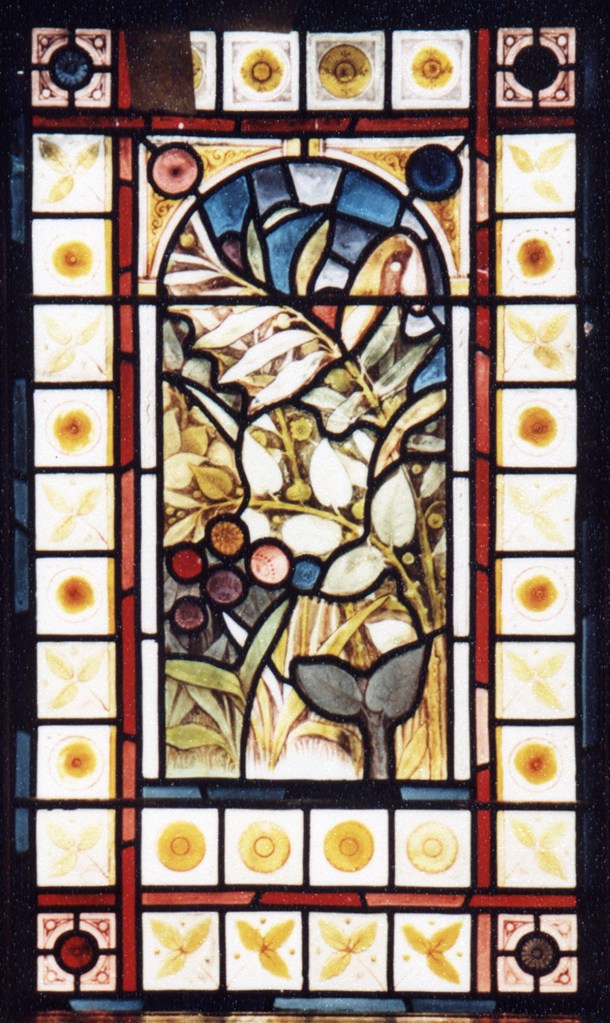
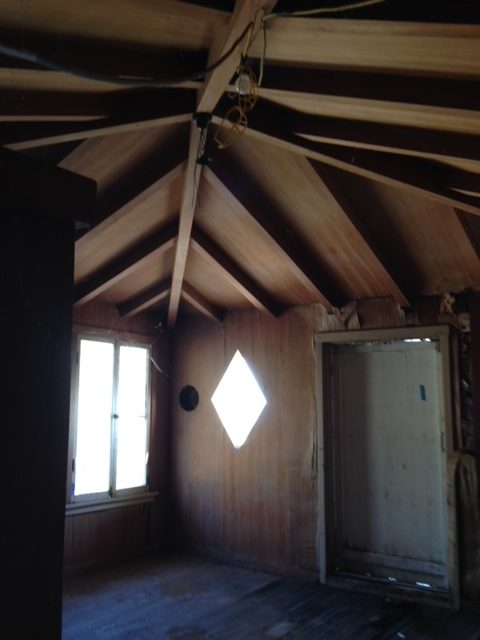
Window designs at the Franceschi House | Credit: Courtesy 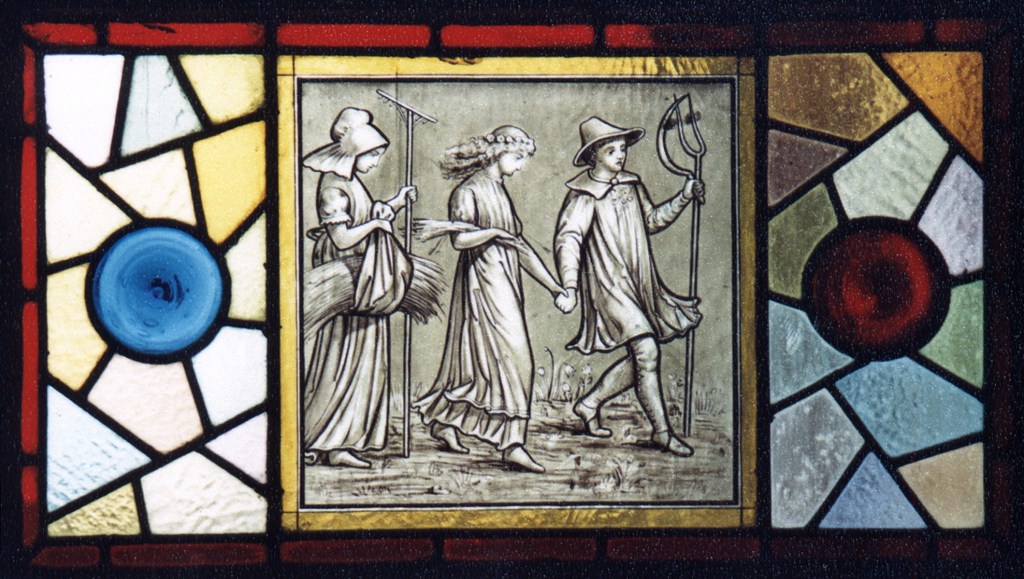
Window designs at the Franceschi House | Credit: Courtesy 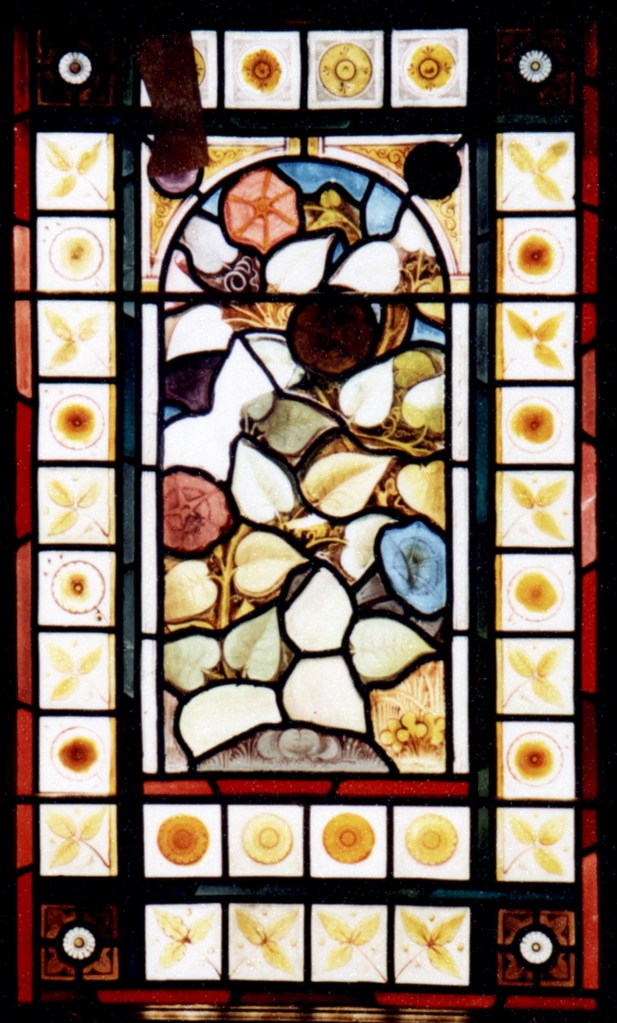
Window designs at the Franceschi House | Credit: Courtesy 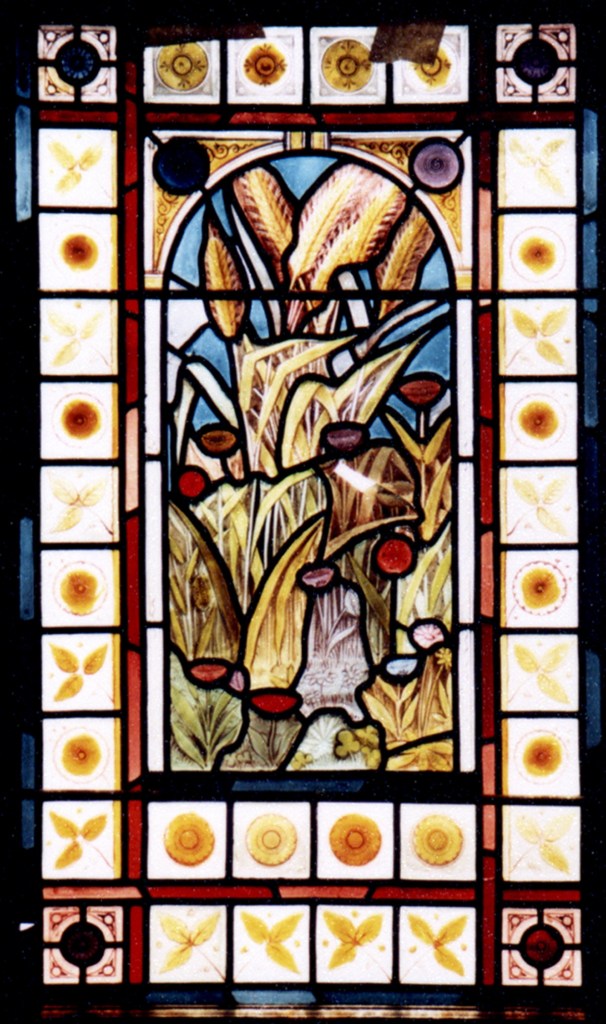
Window designs at the Franceschi House | Credit: Courtesy 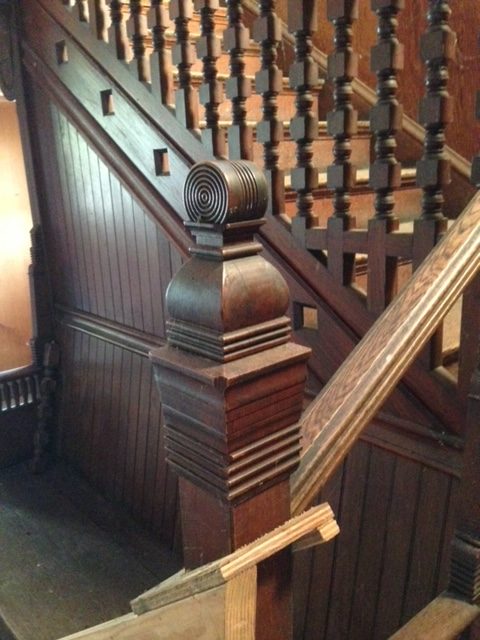
Franceschi House bannister | Credit: Courtesy
An Early Timeline
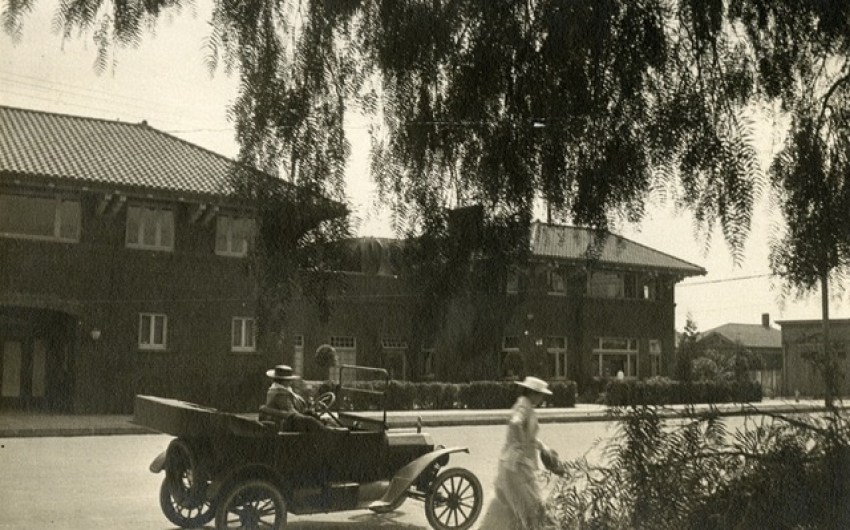
Theodore Roosevelt was president in 1903 when famed horticulturist Francesco Franceschi (born Emanuele Orazio Fenzi) purchased 40 acres of land he named Montarioso(“airy mountain”) and built a Craftsman-style redwood house, where he lived with his family. The isolated location perched high above the city reminded him of how huge homes were situated in the hills surrounding his hometown of Florence. In a play on words, historian Kevin Starr referred to Franceschi as “a Giuesppe Verde of plants — cultivated, observed, scientifically described and promoted.”
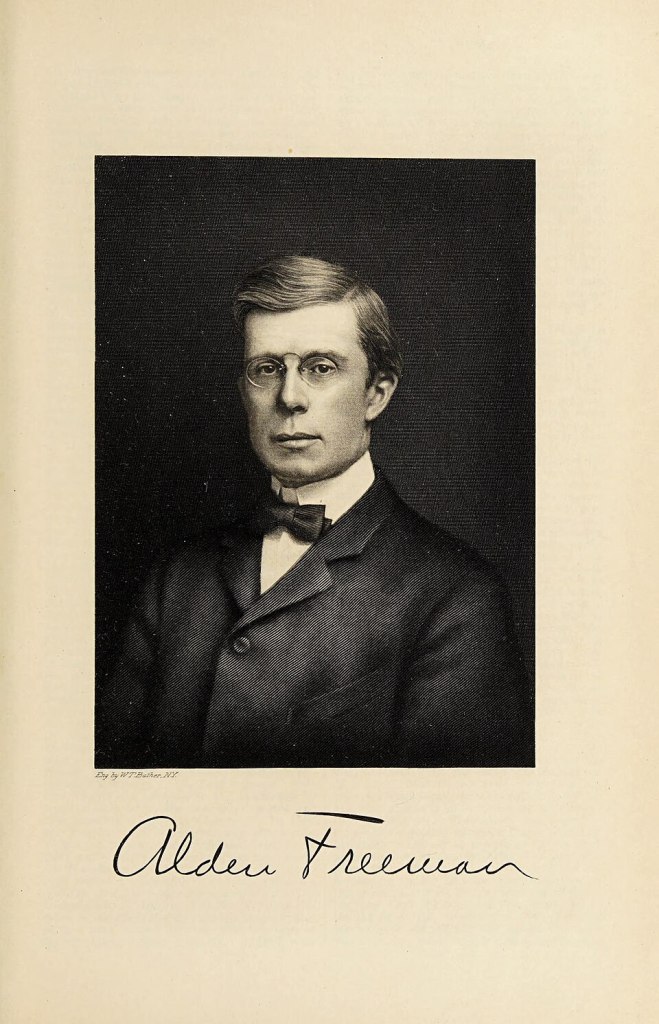
Calvin Coolidge was president when Alden Freeman purchased several acres of the property in 1927. A longtime admirer of Franceschi’s horticultural skills in beautifying Santa Barbara and its great estates, Freeman observed, “Santa Barbara residents have failed to realize that Dr. Fenzi was one of the greatest botanists of his time even surpassing [Luther] Burbank in the estimation of many.”
Trained in architecture at New York University, he transformed the exterior of the Craftsman house to resemble an Italianate villa, and its interior to become an extravagant meeting place filled with hardwood and historic architectural features he had imported from the East Coast and Europe.
On Christmas Day 1927, Freeman continued a tradition established by the Franceschi family and held an early morning community breakfast, and an open house that ended with a huge fireworks display at midnight. The gala affair included Italian orchestras and musicians, costumed singers and dancers, and hundreds of community members in attendance. Freeman used the occasion to announce his intention to gift the mansion and its gardens to the City of Santa Barbara upon his death. Special guests included philosopher-historians Will and Ariel Durant and Fr. Augustine from the Mission, who blessed and dedicated the building in honor of St. Francis.
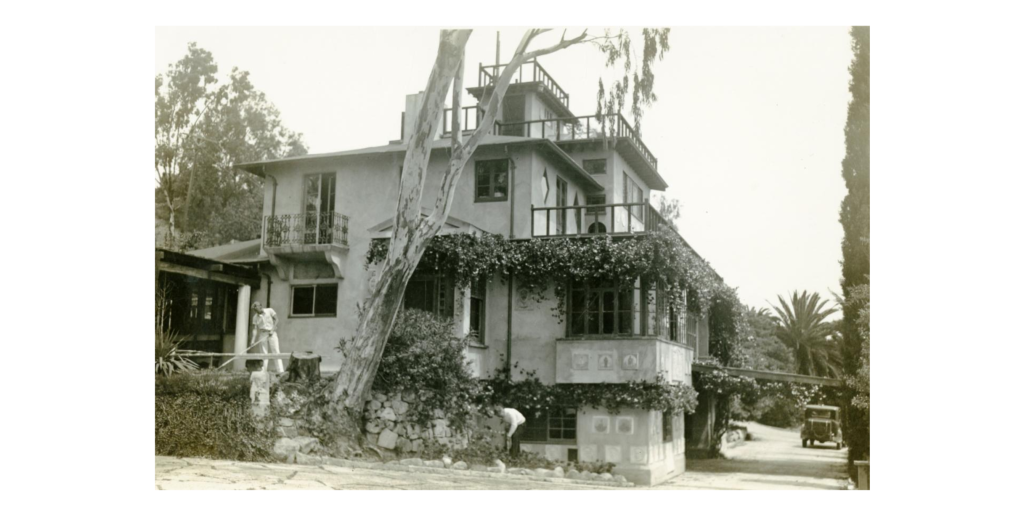
The News-Press reported, “Santa Barbara people who have visited the place have had a pleasurable surprise in viewing the changes which have been made, developing a treasure trove of Colonial and California history as well as opening the way for a development of a botanical garden, where will be found plants from all parts of the world.”
The newspaper further described the transformation of the original house and the installation of the medallions, improvements to the outside of the property that Freeman proposed to donate in tribute to Franceschi: “The house is finished on the exterior with cement plaster, and inscribed seals are used extensively on the walls, thee representing colonial events, among them also being the Coat of Arms of New Jersey and other New England states. The Mayflower forms one seal. Another a large common relief, represents the death of General Joseph Warren at Bunker Hill. There are also seals in memory of the Fenzi family, taken from the Fenzi palace in Florence, Italy.”
Later in the article, interior changes were also detailed, giving an interesting glimpse into Freeman’s intentions for reuse for the structure: “In anticipation of presenting the home to the city, Mr. Freeman had the old Fenzi home remodeled to suit the needs of a civic center. On the ground floors are lounging and rest rooms for men and women, The second floor will be used entirely for entertainment, with a large ballroom for dancing and the third floor will house the business offices. In remodeling the house, Freeman had brought from his old family home in East Orange, New Jersey, the interior wood finishing, doors, windows, stained glass and other parts, to incorporate in the rebuilt Fenzi house which he had strengthened with concrete.”

[Click to zoom] Medallions on the exterior of the Franceschi House | Credit: Courtesy
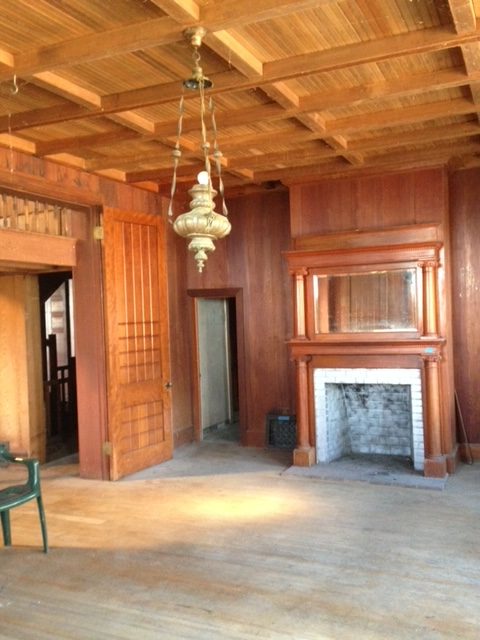
The article offered insights about some of the fixtures: “On the interiors of the reconstructed house hung much that was historic, reflecting both colonial and Italian history: seven great metal lamps taken from a 17th-century Italian palace, a shrine to St. Francis and a bronze bell inscribed to St. Francis.”
In another article titled “Those Rare Rooms,” Freeman’s penchant for rare woods was explained: Freeman had a great love for variety in wood. And so he sought rare California woods with which to trim upper rooms of the house. They are rare woods in the sense that they are not ordinarily used as a commercial product. The trees from which the wood comes present too m any difficulties to lend themselves to commercial lumbering. He lined one room with sycamore, one with Monterey cypress and two with gumwood.”
Cheri Rae is a longtime neighborhood advocate and the author of A String of Pearls: Pearl Chase of Santa Barbara. She is a board member of the Pearl Chase Society, and the longtime editor of the society’s newsletter, “The Capital,” where this article first appeared. Email Cheri at pcs@pearchasesociety.org or visit pearlchasesociety.org.
Related Posts


Premier Events
Thu, Apr 02
5:00 PM
Santa Barbara
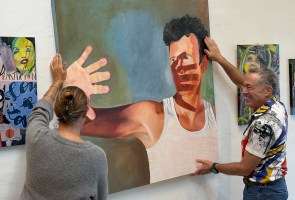
Paintings by Michael Vilkin at ART & SOUL GALLERY
Thu, Apr 09
7:00 PM
Santa Barbara
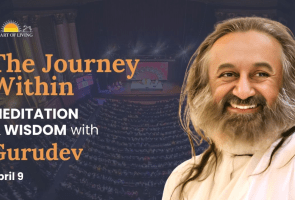
POSTPONED – Journey Within: Wisdom & Meditation with Gurudev – POSTPONED
Fri, Apr 10
2:00 PM
Santa Barbara
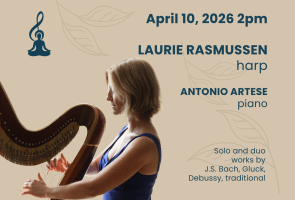
Music & Meditation SB – Concert April 10, 2026

Fri, Apr 03
2:00 PM
Santa Barbara
Ensemble Theatre Company Presents “A Night with Janis Joplin”
Fri, Apr 03
5:00 PM
Lompoc
Filipinos’ Contributions to Once Making Lompoc…
Fri, Apr 03
7:30 PM
Santa Barbara
Lahaina: Voices of Change
Sat, Apr 04
9:00 AM
Santa Barbara
Mesa Harmony Garden Spring Plant Sale
Sat, Apr 04
9:00 AM
Santa Barbara
Passport Fair, hosted by Congressman Salud Carbajal
Sat, Apr 04
9:30 AM
Santa Barbara
The Great Egg Hunt
Sat, Apr 04
5:00 PM
Santa Barbara
Classical Guitar at Art & Soul

Sun, Apr 05
10:00 AM
Santa Barbara
Easter Brunch at Brass Bear
Tue, Apr 07
7:30 PM
Solvang
ABRA Cadabra – ABBA Tribute Band
Wed, Apr 08
11:00 AM
Santa Barbara
True Story of Fremont Foxen & the San Marcos Pass
Thu, Apr 02 5:00 PM
Santa Barbara
Paintings by Michael Vilkin at ART & SOUL GALLERY
Thu, Apr 09 7:00 PM
Santa Barbara
POSTPONED – Journey Within: Wisdom & Meditation with Gurudev – POSTPONED
Fri, Apr 10 2:00 PM
Santa Barbara
Music & Meditation SB – Concert April 10, 2026
Fri, Apr 03 2:00 PM
Santa Barbara
Ensemble Theatre Company Presents “A Night with Janis Joplin”
Fri, Apr 03 5:00 PM
Lompoc
Filipinos’ Contributions to Once Making Lompoc…
Fri, Apr 03 7:30 PM
Santa Barbara
Lahaina: Voices of Change
Sat, Apr 04 9:00 AM
Santa Barbara
Mesa Harmony Garden Spring Plant Sale
Sat, Apr 04 9:00 AM
Santa Barbara
Passport Fair, hosted by Congressman Salud Carbajal
Sat, Apr 04 9:30 AM
Santa Barbara
The Great Egg Hunt
Sat, Apr 04 5:00 PM
Santa Barbara
Classical Guitar at Art & Soul
Sun, Apr 05 10:00 AM
Santa Barbara
Easter Brunch at Brass Bear
Tue, Apr 07 7:30 PM
Solvang
ABRA Cadabra – ABBA Tribute Band
Wed, Apr 08 11:00 AM
Santa Barbara


You must be logged in to post a comment.