
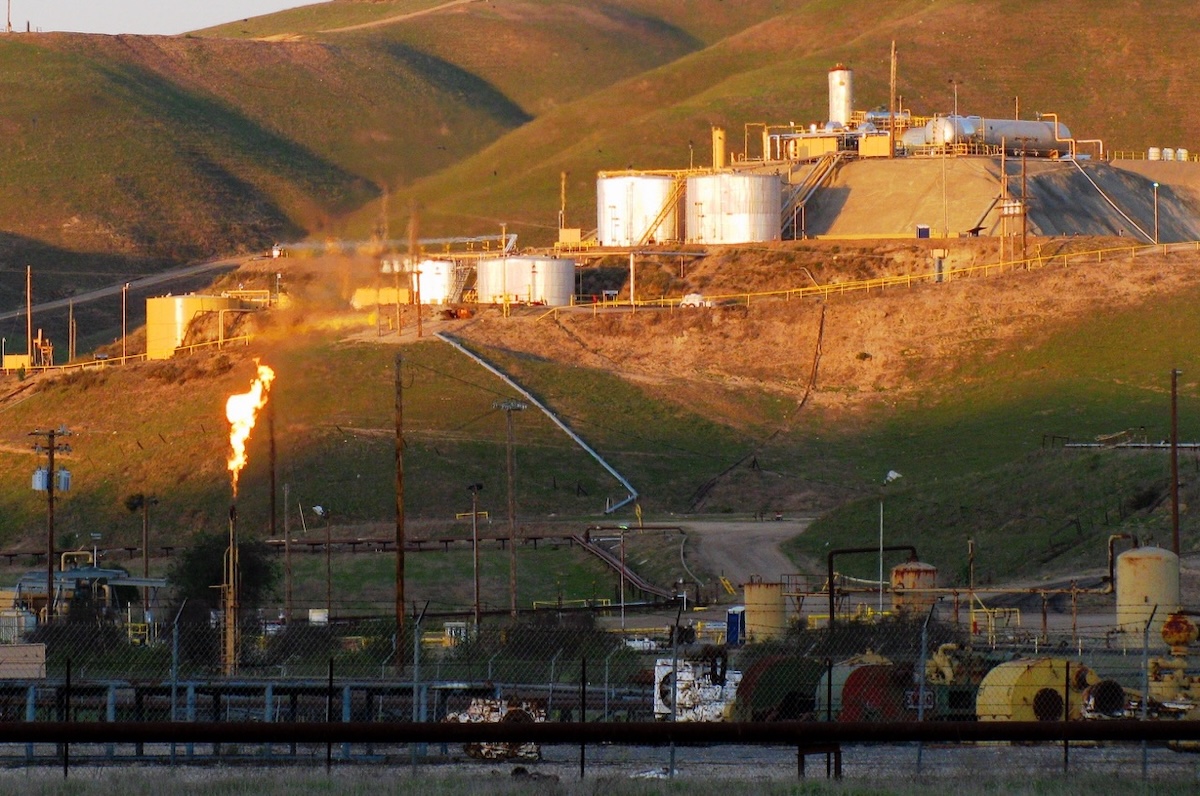
On Wednesday, strong opinions and personal stories punctuated a discussion about getting oil and gas out of Santa Barbara County.
The county Planning Commission considered ordinances to ban new onshore oil and gas wells and phase out old wells, after the Board of Supervisors gave the go-ahead in October 2025. The commission voted 3-2 in favor of amendments to local land-use ordinances to effectively flatline the onshore oil industry in the county.
It’s the most viable and least resource-intensive option to reduce the county’s greenhouse gas emissions, according to county staff.
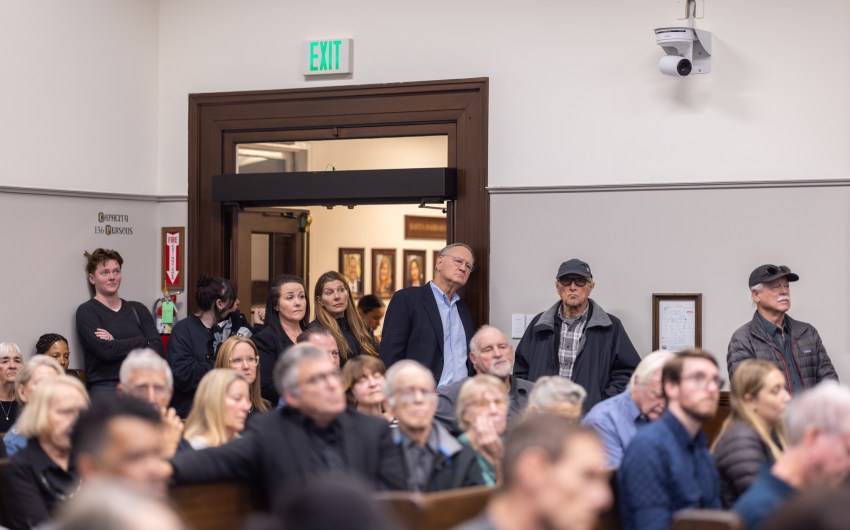
It’s the “right” and “just” thing to do, many public commenters said. Grandparents expressed concern about their grandchildren’s futures in the context of a warming planet. They brought up oil and gas’s impacts on air quality, pollution, and public health.
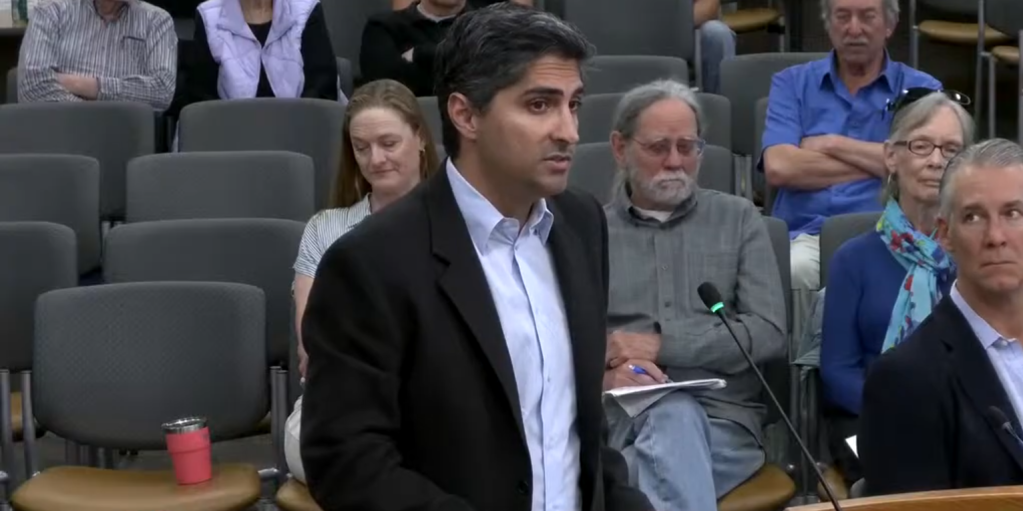
Paasha Mahdavi, a professor and researcher at UC Santa Barbara in political science, cited his team’s 10-month study on, among other things, public attitudes toward oil and gas drilling. A survey of 2,714 residents across the county found that 65 percent of residents support an ordinance to prohibit new onshore oil and gas drilling.
He said that the economic impact of prohibiting new drilling would be minimal, as oil and gas industry workers only accounted for 0.3 percent of all employed workers in the county. He said his research found “no economic impact” of banning new drilling as compared to business as usual.
“The public overwhelmingly supports this ordinance, whether in North or South County, and the economic costs pale in comparison to the gains from committing to a real clean energy transition,” Mahdavi said.
A few public speakers, however, thought the prohibition was too extreme. They worried about gas prices, possible legal challenges over mineral rights — a pair of siblings are currently suing the state over a law preventing them from drilling on their North County property — and interestingly, asphalt.
Before commissioners even asked questions, they warned that they had strong opinions about the issue.
“We keep discovering new oil and new techniques to recover it,” said Commissioner John Parke. “The only thing to stop the oil industry and the production of oil is legislation.”
Commissioners Parke, C. Michael Cooney, and Kate Ford were the aye votes, describing the issue as important and long-awaited. Ford recounted being a student at Santa Barbara High School when, in 1969, three million gallons of petrol spilled into the waters off the coast of Santa Barbara. Oil and gas operations degrade quality of life in neighboring communities, she said.
“This is about taking a legislative stand to protect public health and safeguard our environment,” she said. “Climate change is real, and greenhouse gas emissions are a big and scary reason why.”
Commissioners Roy Reed and Vincent Martinez swung the other way. Martinez got straight to the point, saying he was not on the commission to “rubber stamp anything” that came to them, and noting that “oil is something the community needs and actually utilizes.”
Chair Reed, however, took it personally. He would not even sign the resolution, as the commission chair is usually expected to do. He worried about the workers in these industries. What will they do? Where will they go?
“I had that done to me, when I was really little,” he said, holding back tears.
His dad worked for Union Oil, but was transferred out of Santa Barbara, to a place Reed thought “was hell on Earth.” To move back, after a year, his dad changed professions and got into the construction business. He does not want to see people displaced as his family was, he said.
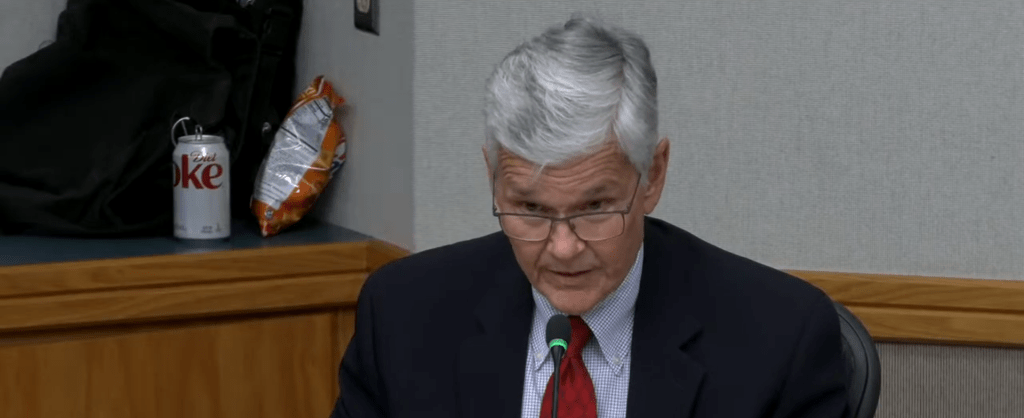
“I don’t want to do that to other families; I don’t want to do that to other little kids,” he said. “I think those human effects really need to be considered.”
Should workers in the oil industry be expected to take months to a year off to learn how to attach solar panels to rooftops? He didn’t think so.
“This ordinance doesn’t reduce oil use; it exports the impacts,” Reed added. “I can’t support it in its present state,” he said, and suggested it should undergo more rigorous review first.
Despite this, the amendments passed, marking another milestone in Santa Barbara’s oil history.
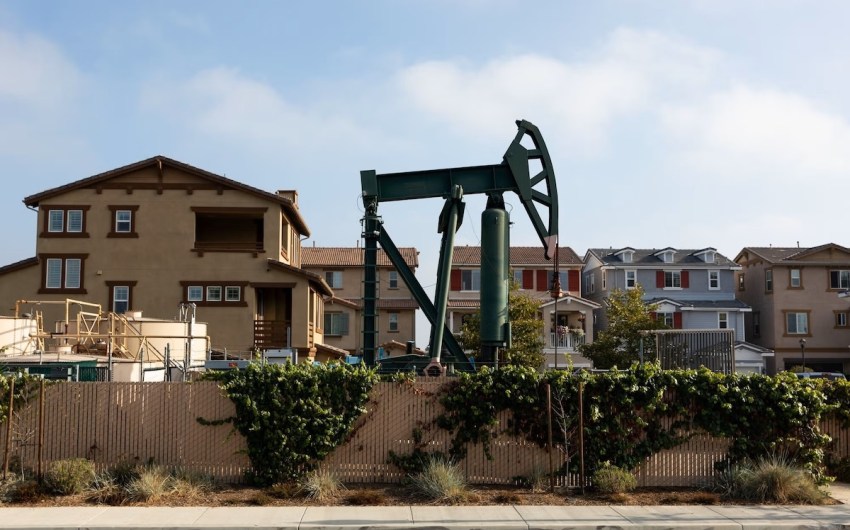
Oil and gas are drilled into the region’s past, stretching back nearly 150 years. But its role in the county economy has been on the decline. Right now, there are 1,039 active onshore wells across the county, while another 1,221 sit idle. The last approved production plan for a new well was in 2014.
With the amendments, no new onshore oil and gas wells will be drilled, and no previously abandoned wells will be reentered. That’s phase one. Phase two is a study on how to gradually phase out existing wells and cease operations entirely, which will take three years at least. But for now, the current amendments will not apply to existing wells or production plans.
Related Posts




Premier Events

Thu, Apr 09
7:00 PM
Santa Barbara
POSTPONED – Journey Within: Wisdom & Meditation with Gurudev – POSTPONED

Fri, Apr 10
2:00 PM
Santa Barbara
Music & Meditation SB – Concert April 10, 2026

Sat, Apr 11
7:00 PM
Santa Barbara
Dinner & Standup Comedy @ Wine Cask Gold Room

Sun, Apr 12
11:00 AM
Solvang
Santa Ynez Valley Home + Build Showcase
Mon, Apr 13
7:00 PM
Santa Barbara
New Horizons – Antonio Artese West Coast Trio

Tue, Apr 14
7:00 PM
Goleta
Wild and Free Film Festival Spring Movie Night

Thu, Apr 09
6:00 PM
Santa Barbara
Chaucer’s Books – Poetry Night

Thu, Apr 09
7:00 PM
Santa Barbara
CWC Docs: The Other Roe

Thu, Apr 09
7:30 PM
Santa Barbara
Doublewide Kings Benefit Concert

Fri, Apr 10
7:00 PM
Ventura
Rubicon Theatre Presents “Somebody to Love”

Fri, Apr 10
7:00 PM
Santa Barbara
Unity Singers’ Spring Concert

Sat, Apr 11
10:00 AM
Los Olivos
Tomatomania! Santa Ynez Valley

Sat, Apr 11
12:00 PM
Isla Vista
Music in the Park: Spring Concert Series – Anisq’Oyo Park

Sat, Apr 11
3:00 PM
Santa Barbara
SB Music Club Free Concert Saturday 🎶

Sun, Apr 12
2:00 PM
Santa Barbara
Ensemble Theatre Company Presents “A Night with Janis Joplin”

Sun, Apr 12
7:30 PM
Santa Barbara
SBAcoustic Presents Poi Rogers & The Elderberries
Thu, Apr 09 7:00 PM
Santa Barbara
POSTPONED – Journey Within: Wisdom & Meditation with Gurudev – POSTPONED
Fri, Apr 10 2:00 PM
Santa Barbara
Music & Meditation SB – Concert April 10, 2026
Sat, Apr 11 7:00 PM
Santa Barbara
Dinner & Standup Comedy @ Wine Cask Gold Room
Sun, Apr 12 11:00 AM
Solvang
Santa Ynez Valley Home + Build Showcase
Mon, Apr 13 7:00 PM
Santa Barbara
New Horizons – Antonio Artese West Coast Trio
Tue, Apr 14 7:00 PM
Goleta
Wild and Free Film Festival Spring Movie Night
Thu, Apr 09 6:00 PM
Santa Barbara
Chaucer’s Books – Poetry Night
Thu, Apr 09 7:00 PM
Santa Barbara
CWC Docs: The Other Roe
Thu, Apr 09 7:30 PM
Santa Barbara
Doublewide Kings Benefit Concert
Fri, Apr 10 7:00 PM
Ventura
Rubicon Theatre Presents “Somebody to Love”
Fri, Apr 10 7:00 PM
Santa Barbara
Unity Singers’ Spring Concert
Sat, Apr 11 10:00 AM
Los Olivos
Tomatomania! Santa Ynez Valley
Sat, Apr 11 12:00 PM
Isla Vista
Music in the Park: Spring Concert Series – Anisq’Oyo Park
Sat, Apr 11 3:00 PM
Santa Barbara
SB Music Club Free Concert Saturday 🎶
Sun, Apr 12 2:00 PM
Santa Barbara
Ensemble Theatre Company Presents “A Night with Janis Joplin”
Sun, Apr 12 7:30 PM
Santa Barbara


You must be logged in to post a comment.