
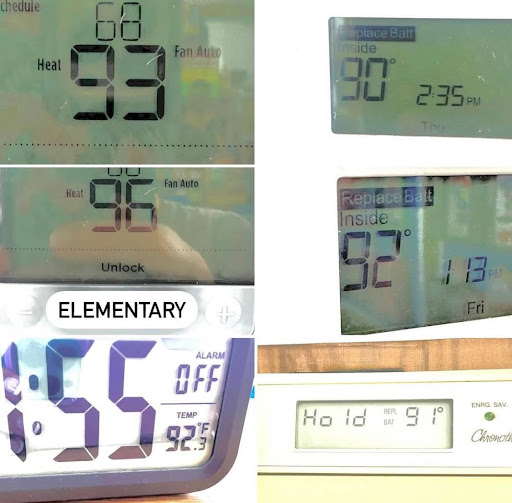
Imagine a child sweltering in a classroom, trying to learn arithmetic or spell “necessary” as temperatures climb toward 100 degrees.
As California faces record-breaking temperatures, schools across Santa Barbara County are racing to keep classrooms cool. But aging infrastructure and high costs stand in the way — and a state grant program meant to help pay for upgrades may expire before many projects are finished.
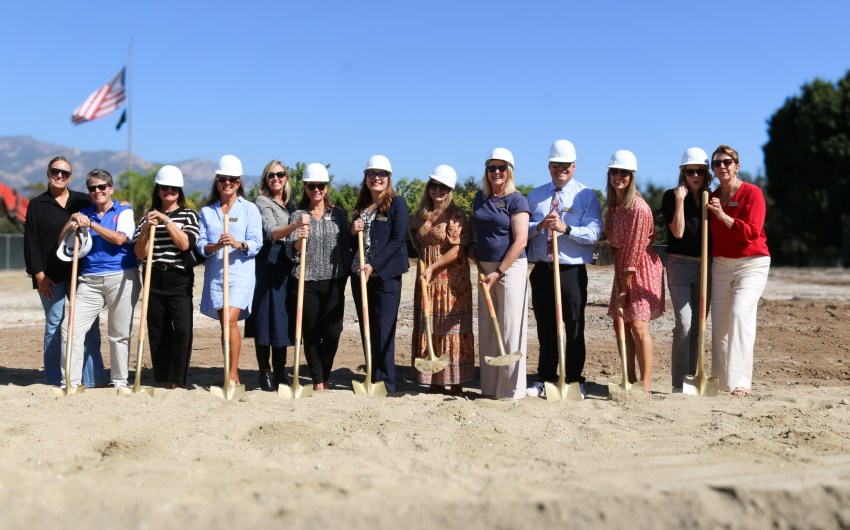
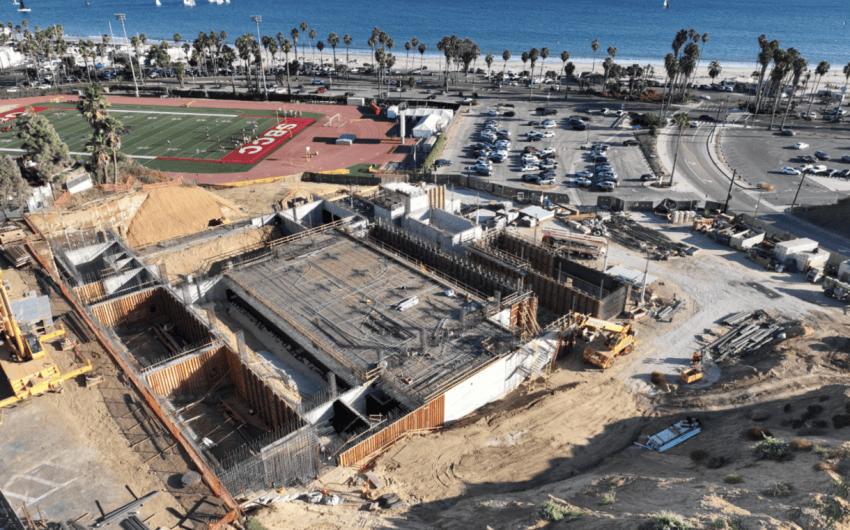
The Santa Barbara Unified School District applied for a $6 million grant through CalSHAPE (California Schools Healthy Air, Plumbing, and Efficiency program) to replace gas furnaces with electric heat pumps, which provide air conditioning, at five schools.
The targeted campuses — Cleveland Elementary, Franklin Elementary, Harding Elementary, Santa Barbara Junior High, and Santa Barbara Community Academy — serve some of the district’s highest populations of socioeconomically disadvantaged students.
Created in 2020 and run by the California Energy Commission (CEC), CalSHAPE funds HVAC upgrades intended to improve air quality, reduce wildfire smoke exposure, boost energy efficiency, and protect students during extreme heat.
But those efforts could go up in smoke if CalSHAPE sunsets on schedule.
December’s deadline is quickly approaching, and districts statewide say delays in the state’s review process and utility bottlenecks have made completion impossible on time. If projects are unfinished, schools will be forced to return the money.
Santa Barbara Unified has already spent more than $700,000 on architectural designs and permitting fees for projects that may not reach completion under the current timeline.
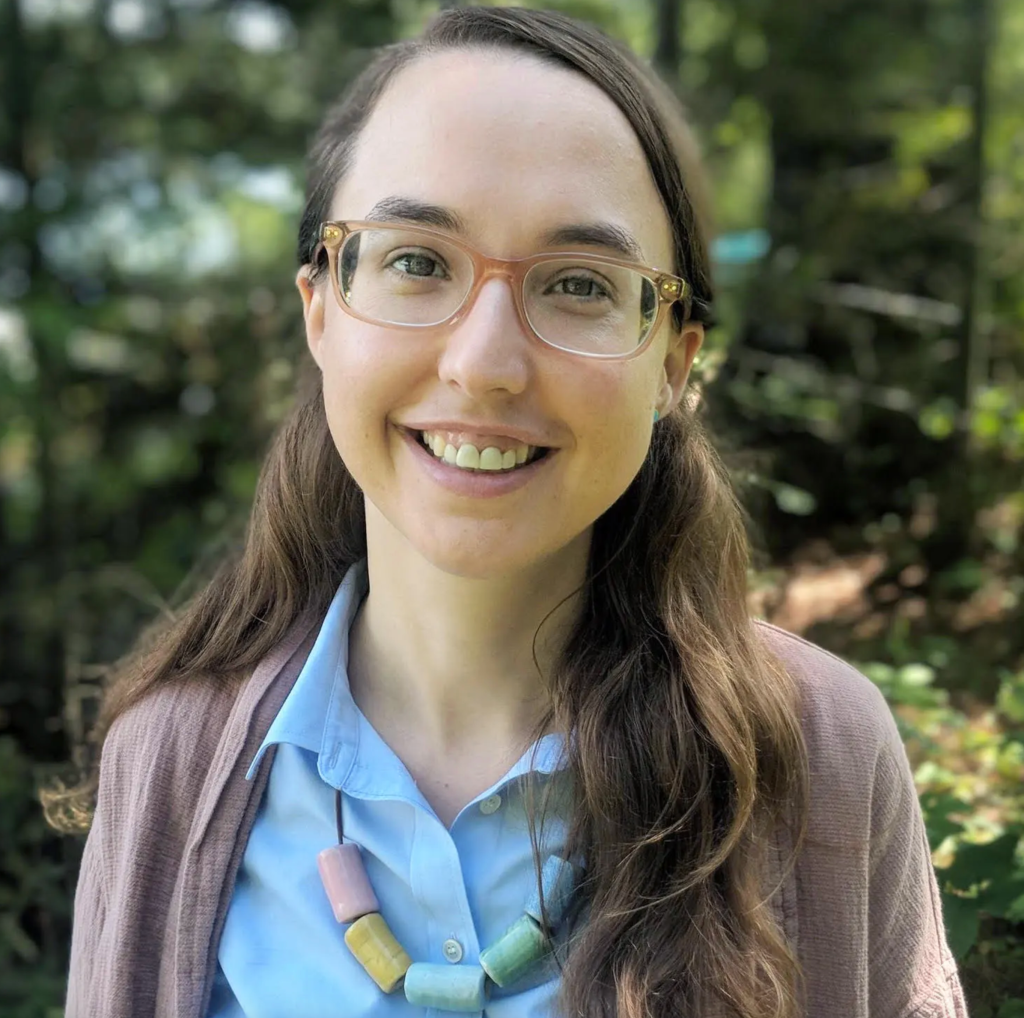
“If they just extended the program — which costs $0 to anybody — this could all be fixed,” said political scientist Leah Stokes, who, alongside Lucas Boyd — both researchers at UC Santa Barbara — is part of a coalition pushing state lawmakers to extend CalSHAPE, reopen applications, and ensure those funds reach the schools they were intended for.
“An extension to the deadline would be extremely helpful,” affirmed Santa Barbara Unified COO Steve Venz. He noted that when the district developed its Facilities Master Plan last year, families and staff identified air conditioning as the “number-one” priority.
“The good news” is that, even if the district must pay the money back, it can still use the architectural renderings further down the road, “so it’s not money wasted,” Venz said.
But without state funding, completing the upgrades anytime soon is unlikely.
Meanwhile, roughly $194 million in CalSHAPE funding remains inaccessible after the state froze new applications in July 2024.
That includes the Cuyama Joint Unified School District, a rural district in North County, where students endure “prolonged summer heat” and occasional snowfall, said Superintendent Alfonso Gamino in a letter to State Senate President pro Tempore Monique Limón.
The district still relies on evaporative “swamp coolers,” which fail during extreme heat events and do not filter wildfire smoke.
“Our students attend school in extreme heat, breathe wildfire smoke without reliable filtration, and learn in classrooms without modern ventilation and HVAC systems,” Gamino wrote.
For Cuyama, which lacks the funding to fix these problems on its own, he said, CalSHAPE “is not optional — it is the only realistic path to safe and healthy classrooms.”
Stokes said lawmakers could still act by amending a pending state budget trailer bill to extend the program through at least 2030, allowing districts like Santa Barbara Unified to complete projects and others like Cuyama to apply.
Stokes stressed that she and Boyd are doing this work on a volunteer basis. “We just do this because we believe in this program, and it’s insane that they’re trying to steal this money,” Stokes said. Boyd added: “We think a program like this should exist in perpetuity.”
If districts are forced to pay back the funds, the money would return to utility companies’ pockets. Representatives from Pacific Gas and Electric Company and Southern California Edison said returned funds would help offset customer rates. But Stokes and Boyd argued the savings would be minimal, equating to about $1.25 per month for Southern California Edison customers and roughly 20 cents for PG&E customers.
Modern HVAC systems can filter viruses, wildfire smoke, and other pollutants, Stokes noted, arguing that they are worth far more than slight reductions in electrical bills.
A study by public health researcher Dr. Richard Bruns found that the social benefits of CalSHAPE-funded HVAC upgrades outweigh the costs by roughly 30 to one when accounting for prevented infections, improved learning, and averted asthma cases.
“There are schools in California that don’t even have a heating system, let alone an AC system,” Stokes said. “If California, with all its climate goals, can’t have a plan to electrify our schools, like, we’re fucked.”
Most districts cannot afford these upgrades alone, she added, and there is no comparable funding source waiting in the wings. Meanwhile, the unspent CalSHAPE funds have generated an estimated $75 million in interest while sitting unused.
“This is such a benefit to kids and teachers, and it’s really a no-brainer,” Stokes said. “It would be one thing if we didn’t have money, but we do.”
With the release of Governor Gavin Newsom’s May budget revision on May 14, which has not indicated support for extending the program, supporters of CalSHAPE are leaning on the potential trailer bill — which can still be amended for the next month or two, Boyd said.
In a statement, State Senate President pro Tempore Monique Limón’s office said, “We are in the process of negotiating the 2026-27 budget and we recognize this program is essential to finishing HVAC projects in districts across California to keep our children healthy while at school.”
Related Posts


Premier Events

Fri, Oct 23
5:30 PM
Solvang
Solvang Haunted House and Street Fair

Fri, Oct 23
7:00 PM
Santa Barbara
Beth Amine’s 20th Anniversary Wildcat Dance Variety Show

Fri, Oct 23
7:00 PM
Santa Barbara
This & That Performs at Roy

Fri, Oct 23
9:00 PM
Santa Barbara
Casa de la Raza Fundraiser: Brasscals! with DJ Darla Bea
Sat, Oct 24
10:30 AM
Santa Barbara
Picnic in the Cemetery: A Live Historical Event
Sat, Oct 24
11:00 AM
Goleta
2nd Annual Charger Cup to Benefit DP High Golfers

Sat, Oct 24
12:00 PM
Santa Barbara
Makers Hive Market
Sat, Oct 24
2:00 PM
Santa Barbara
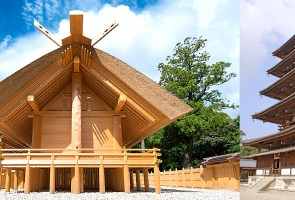
Japanese Sacred Architecture: Shinto and Buddhism

Sat, Oct 24
2:00 PM
Santa Barbara
Thriller 2026 – Get Scary for Charity!

Sat, Oct 24
3:00 PM
Santa Barbara
Downtown Santa Barbara Trick-or-Treat
Fri, Oct 23 5:30 PM
Solvang
Solvang Haunted House and Street Fair
Fri, Oct 23 7:00 PM
Santa Barbara
Beth Amine’s 20th Anniversary Wildcat Dance Variety Show
Fri, Oct 23 7:00 PM
Santa Barbara
This & That Performs at Roy
Fri, Oct 23 9:00 PM
Santa Barbara
Casa de la Raza Fundraiser: Brasscals! with DJ Darla Bea
Sat, Oct 24 10:30 AM
Santa Barbara
Picnic in the Cemetery: A Live Historical Event
Sat, Oct 24 11:00 AM
Goleta
2nd Annual Charger Cup to Benefit DP High Golfers
Sat, Oct 24 12:00 PM
Santa Barbara
Makers Hive Market
Sat, Oct 24 2:00 PM
Santa Barbara
Japanese Sacred Architecture: Shinto and Buddhism
Sat, Oct 24 2:00 PM
Santa Barbara
Thriller 2026 – Get Scary for Charity!
Sat, Oct 24 3:00 PM
Santa Barbara


You must be logged in to post a comment.