
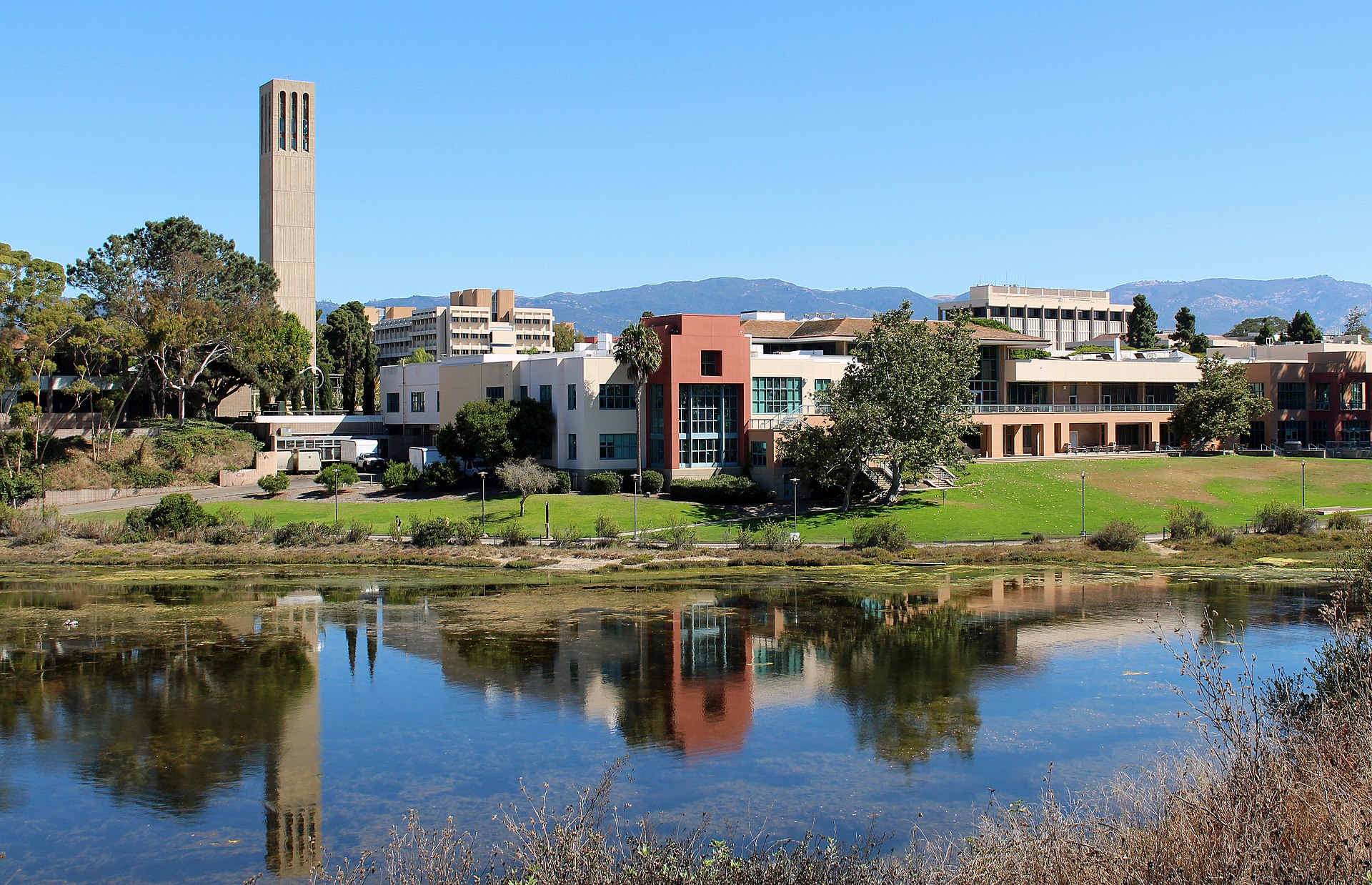
A proposed $12 billion bond measure to fund scientific and medical research in California missed the deadline to qualify for the November 2026 ballot.
UC Santa Barbara was pushing for the bill, Senate Bill 895, to make it through the legislative process in time to be placed on the ballot. The university said unprecedented uncertainty around federal funding for research has created a need for stable sources.
The Trump Administration has slashed budgets for key science agencies, including the National Science Foundation. As of this January, the administration has frozen or terminated thousands of grants to research nationwide that it said did not align with its priorities, with proposed budget cuts to research totaling around $32 billion.
That equates to millions of federal dollars for UC researchers — including at UCSB — being threatened, put on pause, or revoked.

By damaging UC’s research enterprise, sustained losses of federal support undermines “California’s ability to meet urgent statewide needs in climate resilience, wildfire and water management, biomedical science, and public health,” said UCSB Chancellor Dennis Assanis in a letter to students and staff last week.
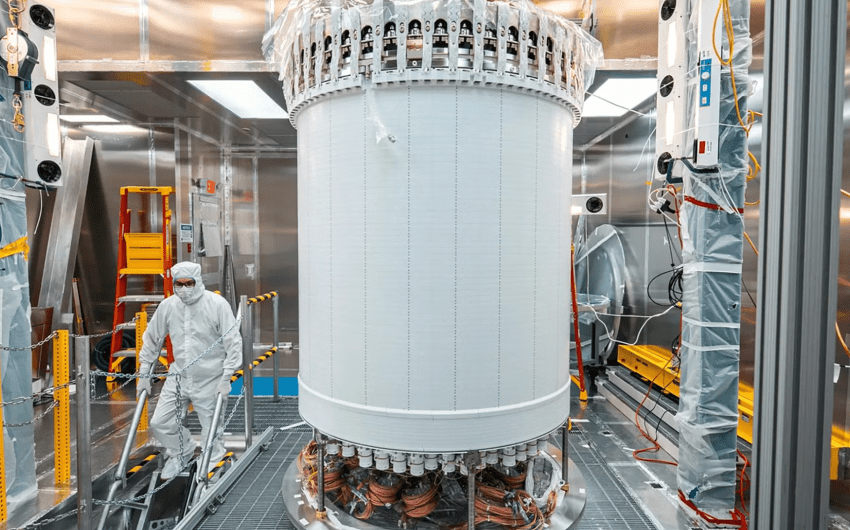
At UCSB, many researchers’ work is funded through federal grants, including those studying cancer and climate science. Losing those grants means the science simply stops, researchers told the Independent last year. And while court rulings have restored many grants to UC researchers that the administration initially tried to cancel, uncertainty persists. Scientists are still feeling the strain.
Speaking to UCSB scientist David Valentine, whose work includes studies into the expansive footprint of past chemical dumping off California’s coastline, there is much to be worried about.
For example, in May, the White House Office of Management and Budget published its intent to revise a document known as Uniform Guidance, which details how grants and other funding are provided by the federal government.
Proposed changes to this document include putting funding decisions in the hands of political appointees, further politicizing the award selection process, and limiting the ability of U.S scientists to collaborate with scientists from other countries. Additionally, it would restrict the use of funds for publication of results, allow political appointees to suspend or terminate existing grants, and make scientists easy targets for lawsuits should the administration disagree with their studies.
“The changes they have proposed will create chaos for universities and scientists, make it very easy to cancel projects, and will replace the peer review decision process with a political appointee,” Valentine said.
OMB will accept comments about the change through July 13 here.
Additionally, the president’s proposed budget again seeks massive cuts to the National Science Foundation (NSF). Notably, that includes the Geoscience Directorate — where ocean research is housed. While Congress could push back on that, this week’s Supreme Court Ruling in Trump v. Slaughter expanded the president’s executive authority to fire commissioners of independent agencies at will. It is likely that the decision will open a pathway for the president to further gut science agencies like the NSF, Valentine warned.
“I am concerned that the combination of budget cuts and political control will lead to hollowed-out scientific agencies that set aside discovery based on scientific merit and instead follow political whim,” he said.
The new bond measure that missed the deadline could have eased some of that stress for UCSB researchers.
“University research, which has been traditionally funded at the federal level, has played an important role in prolonging life, addressing critical environmental issues, and discovering breakthrough technologies that improve our standards of living,” said Dr. Rachel Segalman, vice chancellor for research at UCSB, in a statement.
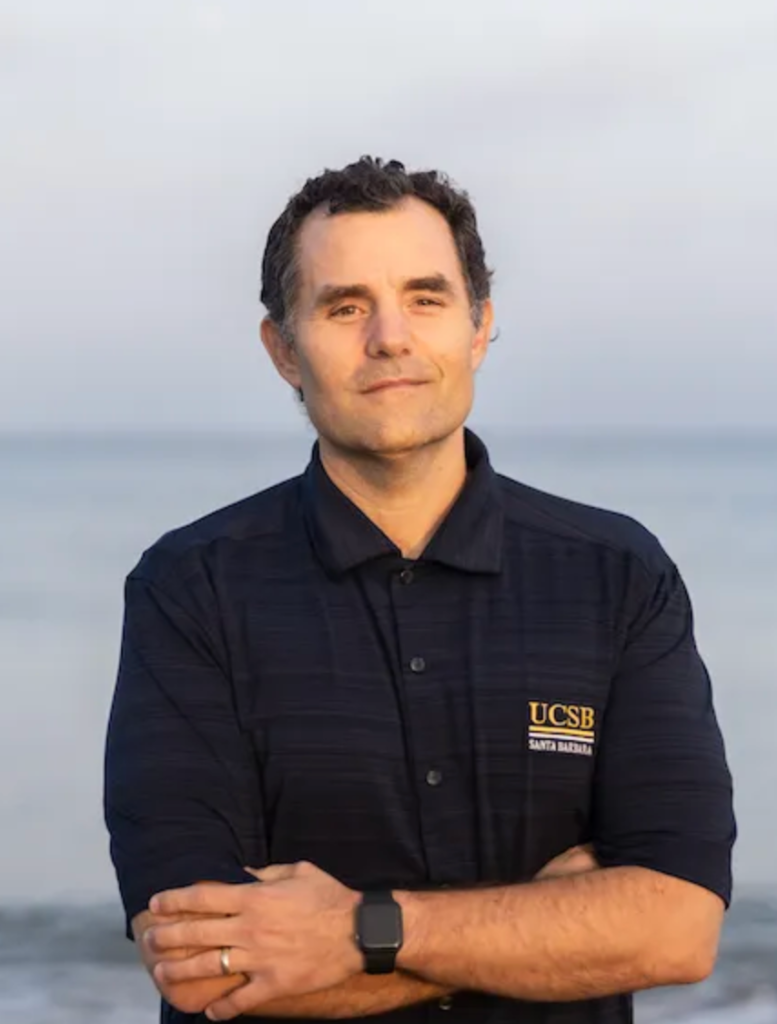
“UC Santa Barbara has been at the forefront of these discoveries, including playing a role in the formation of the internet, iPhone technology, the LED environment/research, and many medical breakthroughs,” she continued. “Importantly, the vast majority of federal research dollars are used to educate the future researcher workforce, which powers California’s science and technology industries. University research is estimated to return $2.50 to $3 for every dollar spent. It’s a proven winning investment for Santa Barbara, Californians, and the U.S.”
The bill, the California Science and Health Research Bond Act, was co-sponsored by the University of California and the United Auto Workers (UAW) — which represents the UC’s graduate student researchers — and would have given voters in November the opportunity to decide whether to establish the California Foundation for Science and Health Research. The foundation would have provided long-term funding for California scientists figuring out how to cure diseases, prevent wildfires, or curb climate change.
It was originally designed to collect $23 billion, but was reduced to $12 billion during the legislative process. While the bill passed the State Senate with bipartisan support, it failed to make it to the Assembly floor before Thursday’s deadline for measures to qualify for the November ballot.
Taxpayers would have been on the hook for repayment of the bonds and interest, but potential offsets included requirements to reduce the net cost to taxpayers and, if research led to profitable inventions, the state could have recouped licensing and royalty fees.
The research bond may have been edged out by a different, $11 billion bond to fund affordable housing supported by Governor Gavin Newsom. Too many bond measures on the ballot — which are essentially loans that the state takes out, with interest rates paid by taxpayers — can sometimes overwhelm voters and state leaders concerned with debt.
And while SB 895 did not make it to the ballot, another $8.4 million bond measure supporting research into prevention and cures for Alzheimer’s, cancer, and heart disease did qualify. The initiative to fund immunology and immunotherapy research through the state bond will be on the ballot, and, if approved by voters, will backfill some of the Trump administration’s cuts and freezes to the state’s medical research.
Related Posts


Premier Events
Sat, Oct 10
9:00 AM
Santa Barbara
Treble Clef Chorus Fall Treasure Sale

Sun, Oct 11
5:00 PM
Santa Barbara
Trinity Choir: Choral Evensong

Thu, Oct 08
7:00 PM
Santa Barbara
“A Night of Blues” with Morganfield Burnett

Fri, Oct 09
7:00 PM
Santa Barbara
Paseo Nuevo Spooky Movie Nights

Sat, Oct 10
9:00 AM
Santa Barbara
SBNC 1st Annual Health & Wellness Fair

Sat, Oct 10
1:30 PM
Goleta
🌴 Another Day in Paradise at S.B’s Premier Ice Rink

Sun, Oct 11
7:00 AM
Ojai
Flamenco Guitarist Tony Ybarra

Sun, Oct 11
10:00 AM
Santa Barbara
18th Annual Domestic Violence Solutions Brunch
Sun, Oct 11
10:00 AM
Santa Barbara
Free Community Day at S.B. Botanic Garden

Sun, Oct 11
10:00 AM
Santa Barbara
Downtown Classic Car Show Santa Barbara
Sun, Oct 11
11:00 AM
Santa Barbara
Raíces y Sueños: Bilingual Storytime at Santa Barbara Museum of Art

Sun, Oct 11
2:00 PM
Santa Barbara
The Theatre Group at SBCC Presents: “CLUE”
Sat, Oct 10 9:00 AM
Santa Barbara
Treble Clef Chorus Fall Treasure Sale
Sun, Oct 11 5:00 PM
Santa Barbara
Trinity Choir: Choral Evensong
Thu, Oct 08 7:00 PM
Santa Barbara
“A Night of Blues” with Morganfield Burnett
Fri, Oct 09 7:00 PM
Santa Barbara
Paseo Nuevo Spooky Movie Nights
Sat, Oct 10 9:00 AM
Santa Barbara
SBNC 1st Annual Health & Wellness Fair
Sat, Oct 10 1:30 PM
Goleta
🌴 Another Day in Paradise at S.B’s Premier Ice Rink
Sun, Oct 11 7:00 AM
Ojai
Flamenco Guitarist Tony Ybarra
Sun, Oct 11 10:00 AM
Santa Barbara
18th Annual Domestic Violence Solutions Brunch
Sun, Oct 11 10:00 AM
Santa Barbara
Free Community Day at S.B. Botanic Garden
Sun, Oct 11 10:00 AM
Santa Barbara
Downtown Classic Car Show Santa Barbara
Sun, Oct 11 11:00 AM
Santa Barbara
Raíces y Sueños: Bilingual Storytime at Santa Barbara Museum of Art
Sun, Oct 11 2:00 PM
Santa Barbara


You must be logged in to post a comment.