
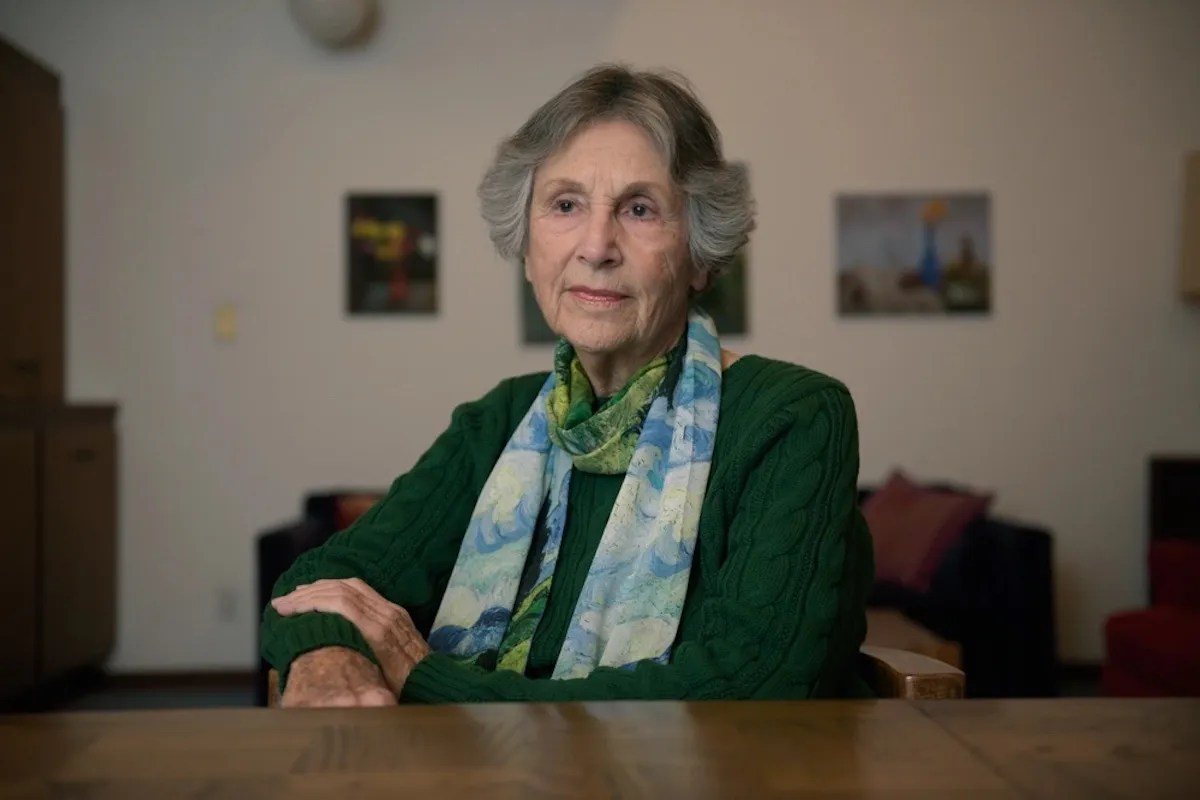
Sheila Lodge, the first woman elected mayor in Santa Barbara history and the mother of the city’s long-running political matriarchy, died Wednesday at the age of 97.
“That’s a pretty good run,” Lodge said in a conversation shortly before her death.
Lodge served three terms as mayor — from 1981 to 1993 — making her Santa Barbara’s longest-serving mayor in history, as well.
Lodge would be followed by a succession of female mayors, so long that it appeared male candidates were precluded from the job.
“I just think we’re better at the job,” Lodge said matter-of-factly. Lodge was never one to sugarcoat things. “When I die,” she said, “don’t say I ‘passed.’ I hate that word. Passing to where? And to what? I am a non-religious person. Please don’t use that word.”
This exchange typifies how Lodge operated during her 36 years holding any number of city offices, either elected or appointed. That, too, is a record for longevity, engagement, and civic stamina no one else has come close to matching. In person, Lodge was direct, open, and sometimes blunt. “Schoolmarmish” was an adjective applied by her critics.
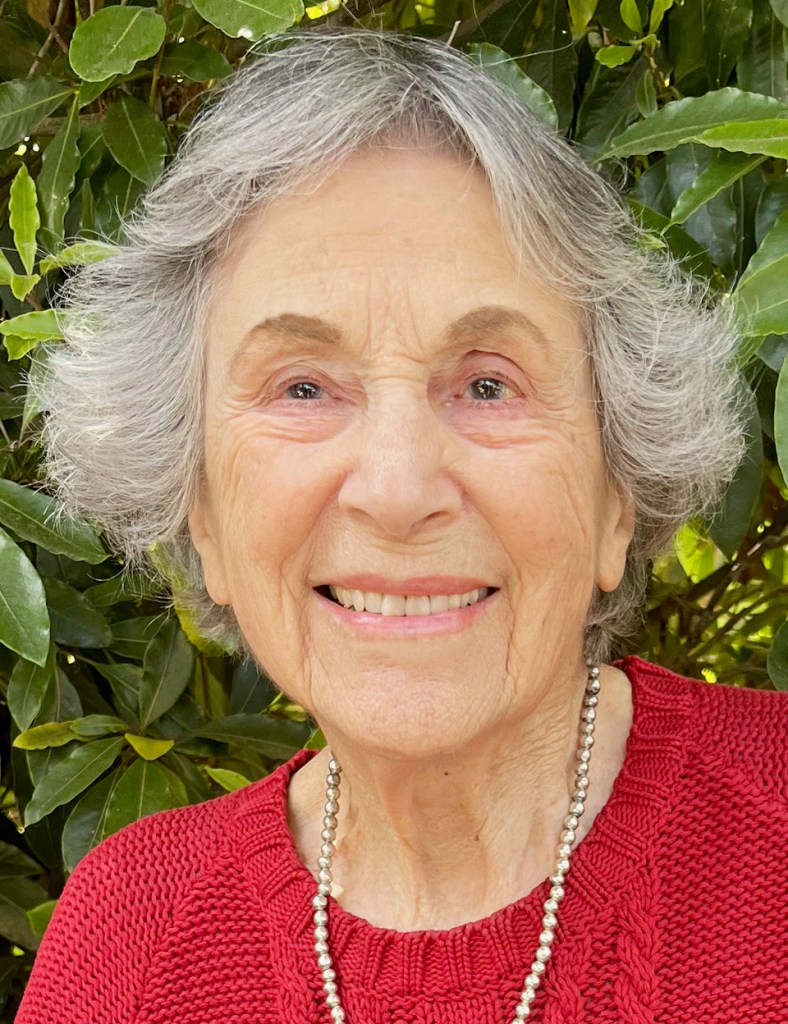
Around town she was known simply as “Sheila.” People never had to guess what Lodge thought. She knew what she knew, which typically was more than others. A pragmatist, Lodge was rarely one to champion lost causes. She could read rooms and count votes. She always knew which way she wanted to move the needle. When it came time to vote, Lodge typically kept her remarks brief.
“But I was persistent,” she said. “That’s how I was effective.”
In her youth, Lodge — the daughter of secular Jewish, leftwing Ojai dairy farmers — harbored aspirations of becoming an anthropologist; then life happened. In 1952 — one year after her first daughter was born — she and her first husband moved to Santa Barbara. In 1960, they got divorced; the next year she and her second husband, Joe Lodge — who would later become a judge — got married.
In 1973, Lodge got her first taste of public office. An activist with the League of Women Voters at the time, Lodge secured an appointment to the city’s Planning Commission at a time of intense environmental upheaval. The Oil Spill of 1969 had not yet been relegated to the dust bin of history; “growth” was very much a four-letter word; and developers showed little capacity for — or interest in — self-restraint.
Two years later, Lodge won a seat on the City Council, helping cement a takeover of that body by an environmental-minded majority. It was a historical watershed. “Living within our resources” became planning policy, “quality of life” the political mantra, and downzoning the tool. Lodge embraced and embodied all of the above.
She also brought a fierce and abiding passion for the city’s historic architecture and traditions. It was more than red-tile roofs and white stucco walls; it was the city’s signature human scale.
From the Planning Commission, Lodge would leapfrog to two terms on the city council and then, in 1981, to mayor. At that time, there was one woman serving as governor in the entire country. In Congress, women made up only 4 percent of Congress. Across the country, there were maybe 70 women serving as mayors.
Over the years, Lodge was generous in schooling successful female mayoral candidates — throughout the county — in what a mayor actually does and how to run meetings. She would advise some fledgling female candidates, too, though not on occasion without dispensing some gruff love. She agreed to help one council candidate, for example, but only on the condition that the candidate, in Lodge’s terms, “stopped dressing like a street walker.”
During her tenure in City Hall, the council would downzone the city’s residential buildout capacity to accommodate a population no greater than 85,000. Later, the council would win passage of Measure E, a ballot measure to limit the city’s commercial buildout capacity. Less commercial development meant fewer jobs, the thinking went, which in turn meant less of an acute housing crunch.
In the meantime, City Hall would spend umpteen millions to locate Paseo Nuevo downtown to anchor the city’s retail core. When retail later collapsed many years later, Lodge — then serving as a planning commissioner — would vote against granting the mall owners the land lease extension they sought.
During her years at the helm, City Hall had a well-funded redevelopment agency, which allocated roughly $5 million a year to the development of new affordable housing. Redevelopment agencies would later be abolished by Governor Jerry Brown, and City Hall, like many communities, fell way behind the number of new housing units needed to keep pace with state and local population growth. But before that happened, Lodge expressed pride in the extent to which Santa Barbara exceeded its mandated quota of affordable housing.
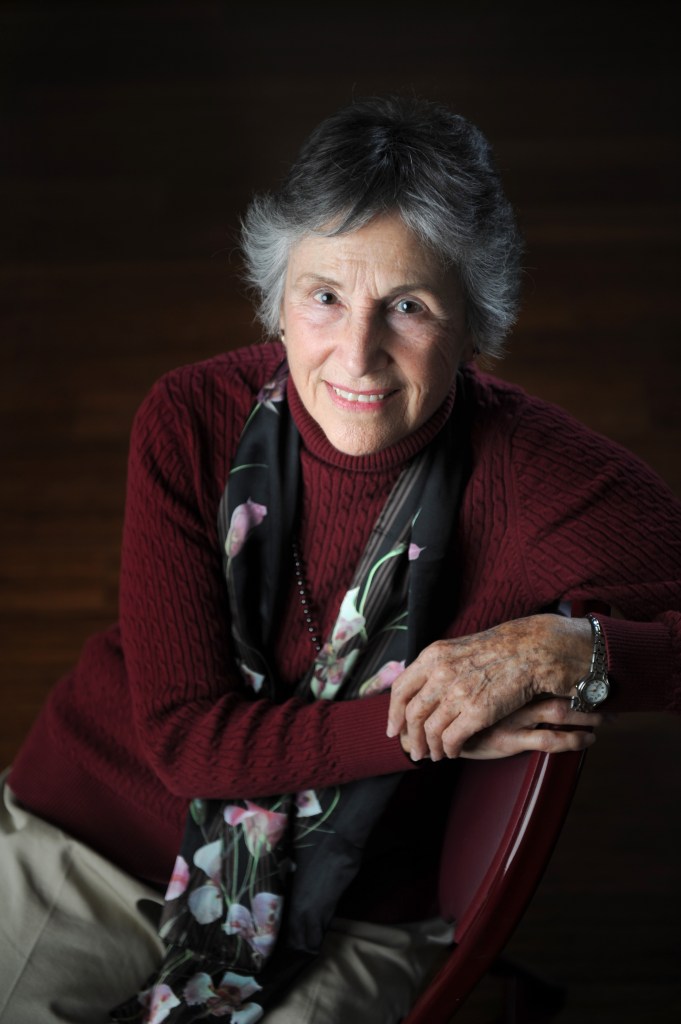
When Lodge was mayor, the Queen of England came for an extended visit during a great flood. Ronald Reagan, then president, set up his home away from home at his Santa Barbara ranch, making Santa Barbara ground zero for national legions of Reagan antagonists.
Homelessness became an issue, a noun, and a major civil rights issue all on Lodge’s watch. There was no playbook for how to respond. Santa Barbara’s homeless activists had been schooled in the arts of political agitation. Mitch Snyder, a national homeless rights advocate, declared war on City Hall, threatening to fill the county jails with protesters unless City Hall repealed its anti-camping, anti-sleeping ordinances. Ultimately, the city would capitulate, but not before Lodge would be lambasted at council meetings, sometimes in terms so personal it made her cry.
Lodge was a political creature of her time: an old-school slow-growther and good-government liberal. Party affiliation was a peripheral, if not alien, consideration during her tenure on the council and as mayor. She governed before district elections were reimposed on City Hall, and she argued vehemently against them. She lamented the outsized influence public employee unions had on election outcome. She was fiercely and unwaveringly pro-choice.
But she also defied easy pigeonholing. In response to the city’s gathering housing crisis, Lodge helped give birth to the city’s much-ballyhooed “affordable-by-design” Average Unit-size Density program, in which landlords were rewarded with density bonuses and relaxed parking requirements if they built rental housing. The program was spectacularly successful when it came to sheer numbers built. But exceedingly few turned out to be remotely affordable, a fact Lodge was quick to lament.
Sometimes, Lodge found herself dangerously ahead of her time. In 1992, she suggested — almost whimsically but seriously, too — closing off traffic to State Street. She and her husband had visited Boulder, Colorado, and seen the Pearl Street Promenade. Then as now, the issue was how to invigorate State Street. There was no national health emergency like COVID to justify it the closure, as was the case most recently. Needless to say, the Chamber of Commerce and downtown business interests rose as one to savage the idea. Lodge dropped the idea, but the damage was done. Today, — 30 years later — Santa Barbarans are still wrestling with the idea.
Her favorite poem — written by Luis Moreno — describes Lodge falling down in the middle of a crosswalk after being set upon by an angry mob and dying there. The coroner, in the poem, would list the death as “Due to poor circulation.”
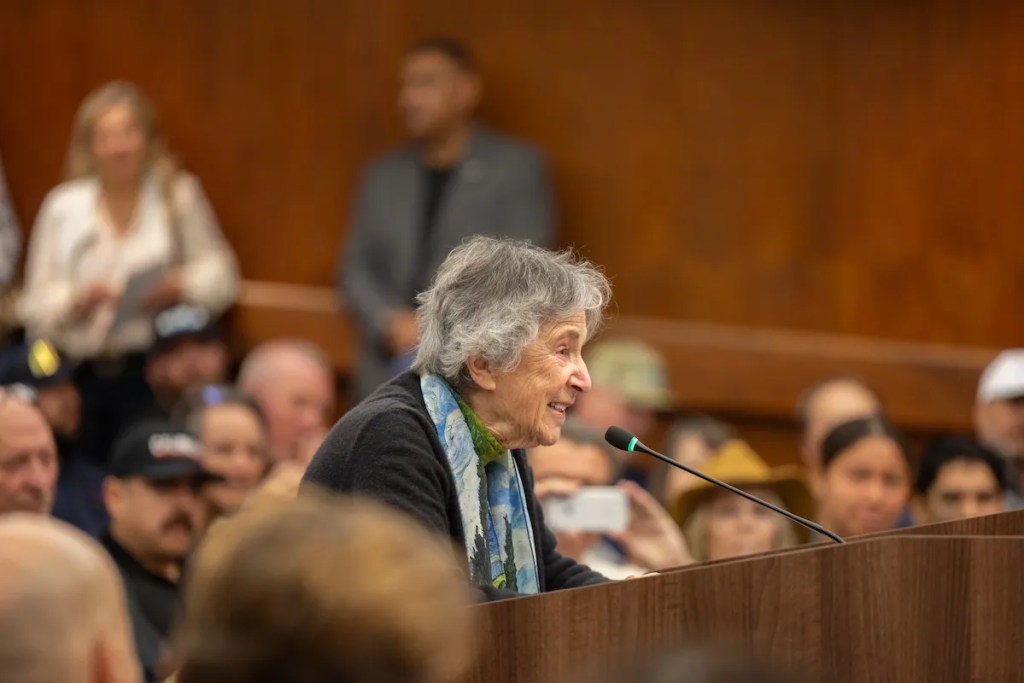
In real life and real death, Lodge chose the time and manner of her own demise. A member of the Hemlock Society — which advocated the right to end one’s own life — even as a young woman, Lodge came to the conclusion her time had come on her most recent birthday, June 13. While driving home from a lunch with friends, one of her hips — the one she’d had replaced the year before — erupted in spasm and pain. The medications never really chased the pain away, but left her mind muddled, she said. Chronic back issues left her looking like a human question mark. She couldn’t walk. She could no longer make her way down the stairs in the Riviera home she herself had designed. The time had come, she concluded. And there was precedent in her own family. Her own father pulled his own plug, as had her husband, Joe, when dying of cancer. Her father-in-law for her first husband had done the same.
“Ninety-seven years!” she exclaimed. “My God, that’s enough already.”
Related Posts



Premier Events

Fri, Oct 23
5:30 PM
Solvang
Solvang Haunted House and Street Fair

Fri, Oct 23
7:00 PM
Santa Barbara
Beth Amine’s 20th Anniversary Wildcat Dance Variety Show
Fri, Oct 23
7:00 PM
Santa Barbara
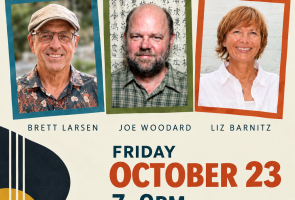
This & That Performs at Roy

Fri, Oct 23
9:00 PM
Santa Barbara
Casa de la Raza Fundraiser: Brasscals! with DJ Darla Bea
Sat, Oct 24
10:30 AM
Santa Barbara
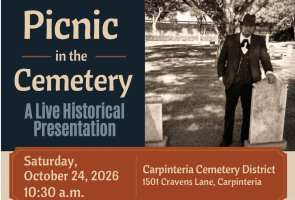
Picnic in the Cemetery: A Live Historical Event

Sat, Oct 24
11:00 AM
Goleta
2nd Annual Charger Cup to Benefit DP High Golfers

Sat, Oct 24
12:00 PM
Santa Barbara
Makers Hive Market
Sat, Oct 24
2:00 PM
Santa Barbara
Japanese Sacred Architecture: Shinto and Buddhism

Sat, Oct 24
2:00 PM
Santa Barbara
Thriller 2026 – Get Scary for Charity!

Sat, Oct 24
3:00 PM
Santa Barbara
Downtown Santa Barbara Trick-or-Treat
Fri, Oct 23 5:30 PM
Solvang
Solvang Haunted House and Street Fair
Fri, Oct 23 7:00 PM
Santa Barbara
Beth Amine’s 20th Anniversary Wildcat Dance Variety Show
Fri, Oct 23 7:00 PM
Santa Barbara
This & That Performs at Roy
Fri, Oct 23 9:00 PM
Santa Barbara
Casa de la Raza Fundraiser: Brasscals! with DJ Darla Bea
Sat, Oct 24 10:30 AM
Santa Barbara
Picnic in the Cemetery: A Live Historical Event
Sat, Oct 24 11:00 AM
Goleta
2nd Annual Charger Cup to Benefit DP High Golfers
Sat, Oct 24 12:00 PM
Santa Barbara
Makers Hive Market
Sat, Oct 24 2:00 PM
Santa Barbara
Japanese Sacred Architecture: Shinto and Buddhism
Sat, Oct 24 2:00 PM
Santa Barbara
Thriller 2026 – Get Scary for Charity!
Sat, Oct 24 3:00 PM
Santa Barbara


You must be logged in to post a comment.