
Keep Goleta Country?
The Tough Rows Fairview Gardens
Must Hoe to Farm Another Day
By Tyler Hayden | July 16, 2026
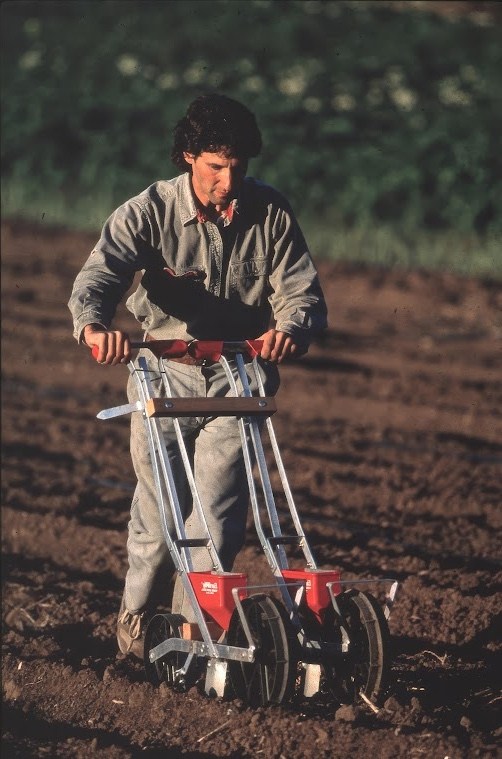
Standing in the middle of Fairview Gardens is a little like standing on the moon, if the moon teemed with the slow cycles of life. Sited smack dab in the middle of suburbia within earshot of highway rumble and planes arcing overhead, the farm is somehow wholly separated from the manmade environment that hems it in.
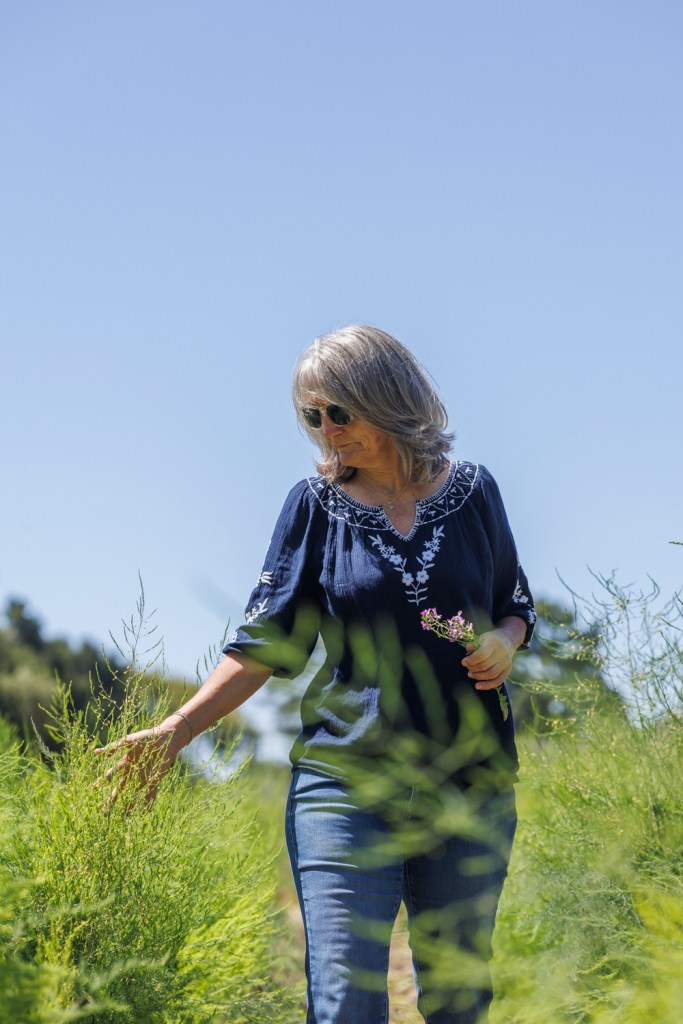
A red-shouldered hawk wheels among the trees, chattery mockingbirds compete for airtime, and squadrons of orange and yellow dragonflies buzz through stiff stands of yarrow. Green tufts of asparagus grow next to a thin, meandering waterway, and shadier patches of ground are blanketed with pink and white bee blossoms. They’re asleep now, but coyotes roam the perimeter at night.
This 12-acre oasis of organic agriculture — one of Goleta’s defining civic assets, a living piece of history where healthy food was grown and visitors reconnected to the land beneath their feet — is in a fight for its future.
After 125 years of continuous operation, the farm shut down in 2022, done in by the economic pressures that often doom small-scale American agriculture. It is trying, with all its might, to claw its way back, but other complicated forces remain in the way.
It would be difficult to find anyone who doesn’t support the revival of Fairview Gardens, a national model and vanguard for organic farming led by Michael Ableman, himself a founding figure of the sustainable, know-where-your-food-comes-from movement. It is a place cherished by generations who picked produce from its fields, enrolled in its summer camps, and learned from the staff who called it home.
The five members of the city’s Planning Commission who convened Monday night to deliberate the farm’s fate all wanted to find a path forward. Even the neighbors who turned out to oppose key parts of the farm’s plan to restart and stabilize its finances — namely building new employee housing and hosting larger events with amplified sound — were willing to compromise, to a degree.
But after lengthy proceedings, which followed many previous hearings and discussions, the central question remained unanswered: How does a modern city balance the needs of a beloved urban farm with the legitimate concerns of its residents?
Ultimately, the Planning Commission decided to send Fairview’s proposal back to the drawing board, yet again. Some progress was made, but the farm still awaits the critical stamp of approval. Meanwhile, its rich soil lays bare, seemingly begging to be planted.
“I know it must be a little frustrating, but I think every single person that spoke here supports the farm,” said Commissioner Jennifer Fullerton. “I think it’s close. I just think maybe fewer large events.”
Commissioner Anne Miller was more focused on the animals Fairview has said it would use for natural pest abatement, manure-based fertilizer, and to stock its rebuilt roadside shop with fresh eggs. “I don’t understand why you would want 26 goats and sheep,” Fullerton said. “And 100 chickens is a lot.”
Last year, a high-ranking Goleta official asked the farm to remove a stretch of raggedy weeds visible from the road. He suggested planting pumpkins instead. The official was told the weeds were in fact cover crops — plants grown for soil health and to prevent erosion — and pumpkins were not in season.
Neighborhood Worries
A few days before the meeting, Daniel Huthsing, who lives with his wife and two kids on an adjacent cul-de-sac, emphasized his desire to see the farm succeed. He grew up on Patterson Avenue and remembers its heydays.
“I care a lot about Goleta being Goleta, and the farm is a major part of that,” he said, referencing the ubiquitous local bumper sticker that longs for the city’s agrarian past: Keep Goleta Country.
A specialist in renewable energy finance, Huthsing is conscious of the environment and has no qualms about living near active agriculture. “I bought a house next to a farm,” he said. “I knew what I was getting into.”
But what he didn’t expect when his family purchased their home in 2017 was the possibility of acoustics disrupting their evenings. The other week, he explained, the sound of a single banjo and handheld amp emanating from the farm was enough to drive him from his patio.
Since Fairview Gardens first submitted its Conditional Use Permit (CUP) to resume its mission of feeding and educating the people of Santa Barbara County, it has significantly decreased the size and number of proposed events, a concession Huthsing and his fellow neighbors are thankful for. “They’ve done a really good job of addressing the issues,” he said.
The group hopes further discussions will clarify details around scheduling and decibel levels before the CUP is finalized. “The small things could make a big difference,” Huthsing said. As for the new employee housing, he’s not concerned. “Welcome to growth,” he said. One neighbor, however, appears to be digging in for a longer fight and has secured an attorney.
At the meeting, Ableman — who has returned after a long time away to lead the farm through its next chapter — implored the Planning Commission to see the proposal for what it is: a codification of the work that has always been done there, and a promise to continue those efforts for the greater good in perpetuity.
“We are not investors or developers,” he said. “We are farmers, community leaders, parents, teachers, and folks who simply want a place to gather on the land, somewhere that reminds us of where we all come from.”
Since he came back, Ableman explained, his responsibility has been “not to just rebuild what was, but to ensure that this little farm would remain culturally relevant, ecologically sound, socially just, and financially viable” while simultaneously addressing bigger issues like climate change and drought.
“We’ve spent the last several years quietly working on a plan to do just that,” continued Ableman. He spoke to the commission over Zoom while he receives rounds of cancer treatment in Texas.
“The dry-farming model, the new facilities, the children’s gardens, the adult teaching gardens — all of it, every single detail, carefully conceived of and designed solely and entirely for community benefit,” he said.
Ableman stressed that the majority of proposed events would take place in the center of the property away from its borders. The program activity is also not unique for Goleta, with places like the Stowe House hosting even larger get-togethers on a much smaller chunk of land.
Characteristically passionate in his comments, Ableman let his frustrations fly at the city’s lengthy approval process, which has dragged on for the better part of three years and cost the nonprofit significant time and money. Fairview had a difficult time even holding its place in line on review board agendas. More than once, it was bumped for other projects, such as the Sandpiper Golf Club redesign.
“I first started farming in the Goleta Valley 50 years ago, part of a broader agrarian community that once prospered here, supported by a Mediterranean climate and 30 feet of rich topsoil, now mostly paved over and replaced by a new city that ironically still promotes itself as ‘The Goodland,’ ” Ableman said.
“Remarkably, while communities across this country are celebrating their local farms and doing everything they can to make sure they can thrive, I am here at 71 years old, yet again defending one of the last working remnants of Goleta’s agricultural history and pleading for its right to rebuild and continue in a way that will ensure its future survival.”
Walking the Fields
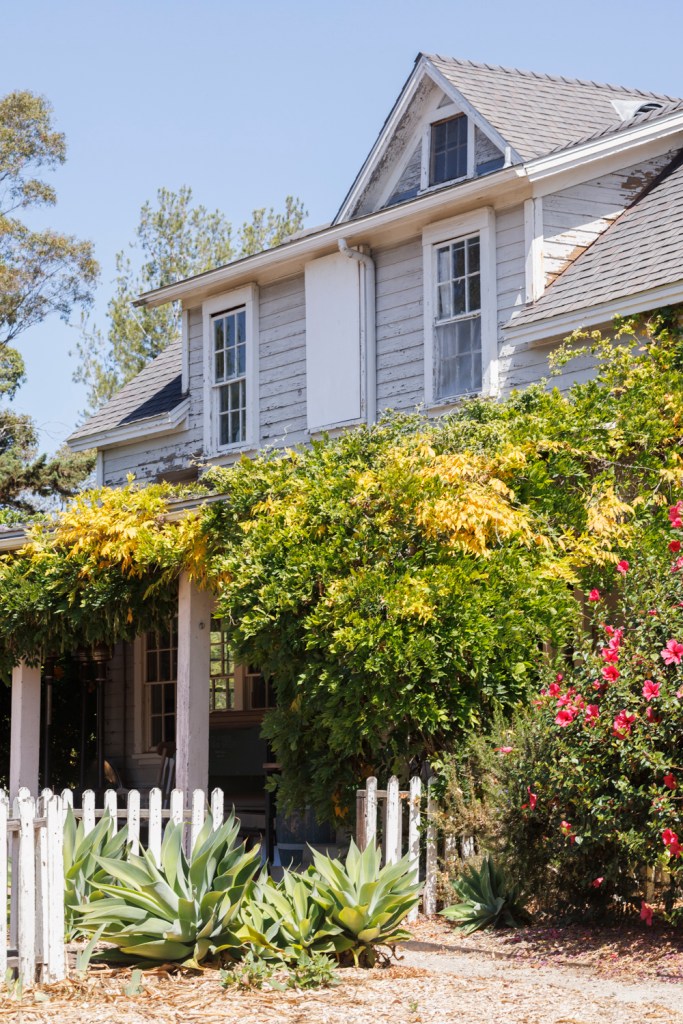
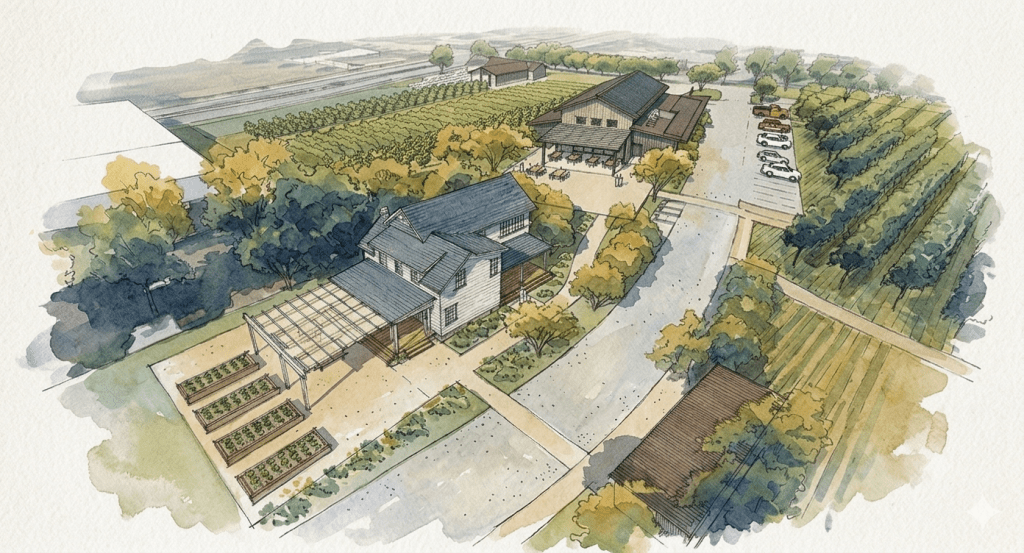
Ellen Stratton, Fairview’s administrative director, opens the screen door to the stately but crumbling Victorian farmhouse that anchors the sunny plot. She smiles and invites us in, explaining that the historic building, which lacks a foundation and has floors that slope at all angles, will be renovated amid the overall overhaul. It will feature a small café that can double as program space and a teaching kitchen for culinary classes.

Before that happens, the new barn and staff housing would be constructed, Stratton says. The multi-purpose barn will house the farm’s two electric tractors and other equipment, a mushroom lab, and space for processing and packaging produce. The low-slung prefabricated housing will comprise eight two-bedroom units of around 850 square feet and be situated in the northeastern corner of the property.
As far as animals go, the chickens, goat, and sheep are expected to occupy a fenced enclosure behind the Goleta Valley Library, which shares a property line with the farm and will partner with it on education initiatives. So will UCSB just down the road.
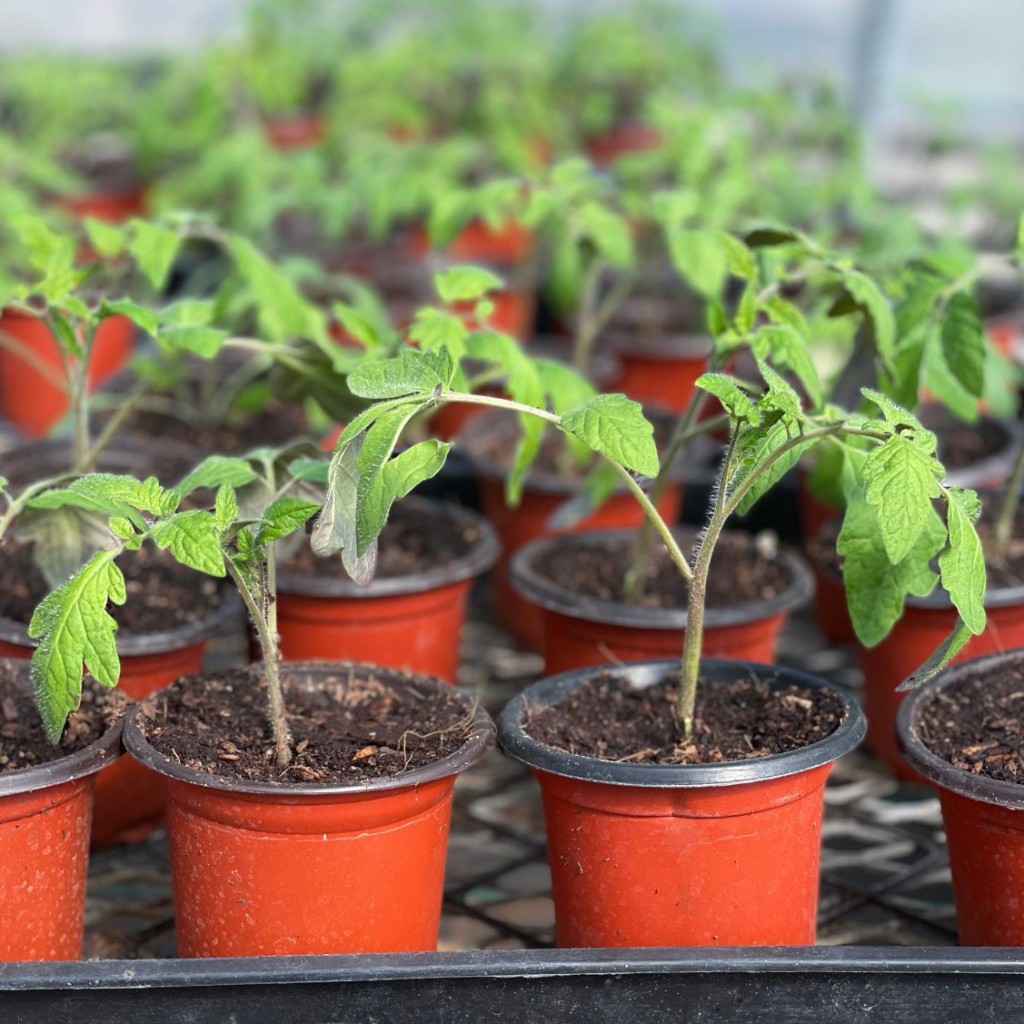
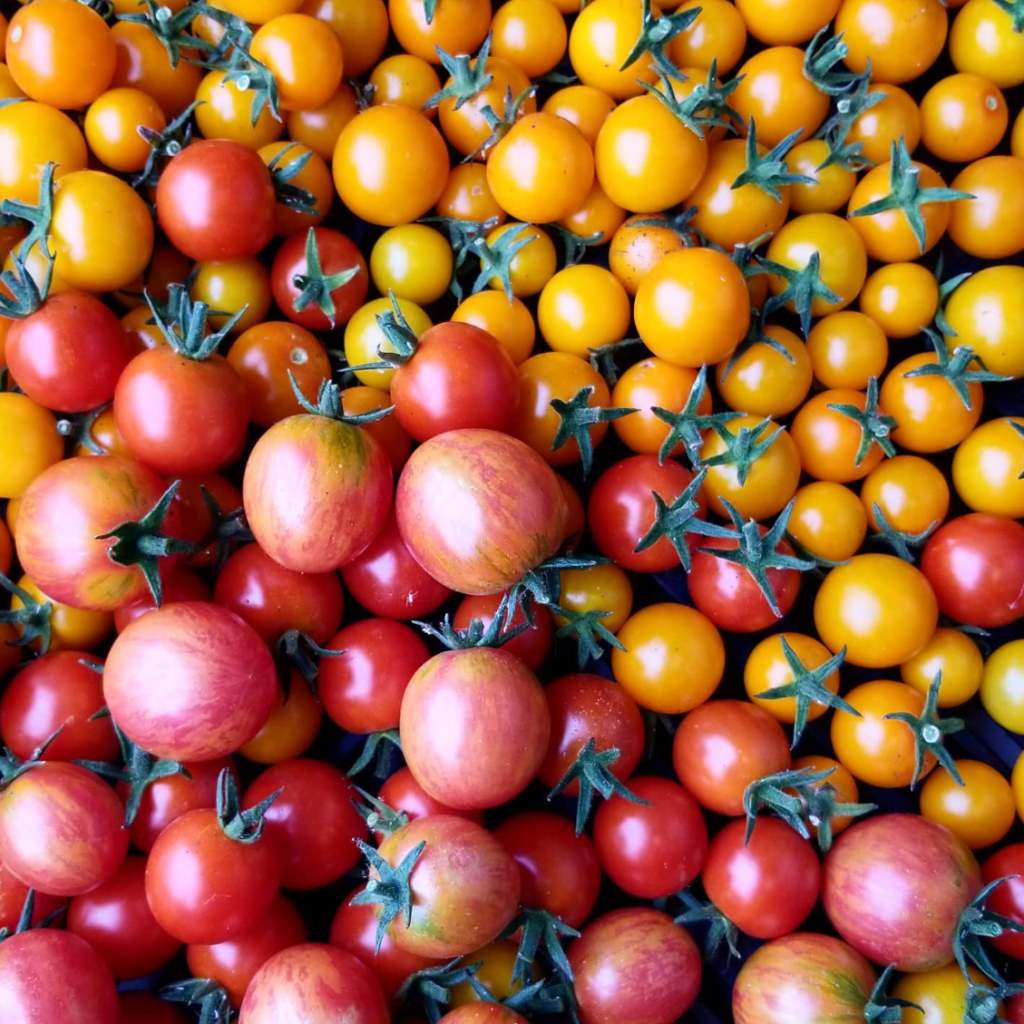
A mixture of flowers, herbs, row crops (lettuce, tomatoes, carrots, etc.), and fruit and nut orchards are being planted. A demonstration garden ringing the farmhouse will model high density growing methods as well as native alternatives to lawns and other traditional home landscaping.
We stop to explore a massive canopied mulberry tree with boughs that hang to the ground, a small door pruned into one side, and enough space underneath to fit an entire classroom of children. Then we meander through the remains of a citrus grove still healthy enough to supply 15,000 pounds of fruit that was given away in the last 12 months.
Stratton recently traded her 80-hour-a-week downtown desk job to work with Ableman, and she seems all the better for it. She enjoys watching the orioles, cursing the gophers, and soaking up her boss’s vast well of knowledge. “Michael is a true farmer, and he wants to teach people,” she said. “I’ve learned so much from him already.”
Stratton took us to some of the grove’s more exotic varietals — pineapple guava, loquat, and sapote, an oblong fruit with a creamy texture that tastes like a blend of sweet potato, pumpkin, and brown sugar. I tried a caviar lime with beads of tart, floral pulp that got stuck in my beard. Stratton went straight for one of her favorites. “The mandarins are especially sweet and juicy,” she said.
Part of what plagued Fairview in the past were bloated boards of directors that failed to move the farm into this century. The current lineup is lean, mean, and hungry. The chair is Geoff Green, a master political diplomat and crack community liaison, and Peter Schuyler, a deep strategic thinker and prolific-but-understated figure in the local conservation scene.
Both played leading roles in raising the $18 million that saved the San Marcos Foothills from development. Those skills will come in handy again as Fairview tries to raise enough money to operate at the capacity it envisions. Of the $23 million it needs to get completely off the ground, $8 million has been raised so far.
The programs that the farm developed in the ’80s and ’90s were way ahead of their time, Green said. But the world has changed and so has the opportunity to remain at the forefront of low-impact, healthful agriculture. “What is our unique role now?” he asked. “How do you rise above what everyone else is doing? How do you lead on the issues?”
Endorsed by every nature-loving organization under the Santa Barbara sun — from the Community Environmental Council to the Santa Barbara Botanic Garden to Wilderness Youth Project — Fairview has other big names in its corner.
“Sometimes, you come to know a place that inspires you, even takes your breath away, not just because it’s beautiful, but because it helps you remember who you are and that we all have roots in the land,” said actor Jeff Bridges, who sits on the farm’s advisory board alongside Patagonia’s Yvon Chouinard.
“Places like Fairview Gardens provide hope for the future and remind us that what we do today will make a real difference for those who come after,” Bridges said. “We need to rebuild Fairview Gardens as a gift for our children and for all generations to come.”

‘What a Fair View!’
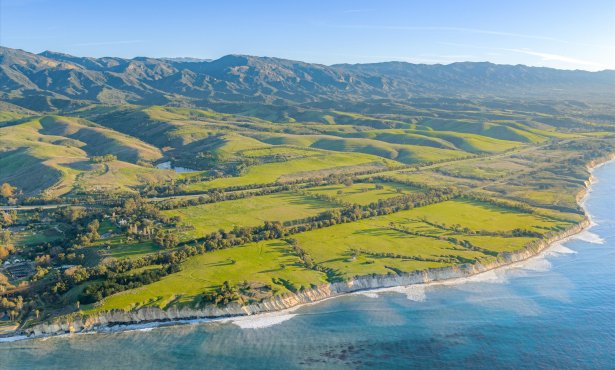
Long before Goleta became a city of subdivisions, shopping centers, and technology campuses, Fairview Gardens was part of a rich tapestry of farms that stretched from the foothills to the ocean.
The property’s origins date back to the 1870s when Albert G. Hollister bought 480 acres of land above present-day Hollister Avenue. At the time, the region was transitioning from vast Mexican ranchos into smaller commercial plots. Deeper into the past, the 12 verdant acres were part of the largest Chumash settlement on the Central Coast.
Hollister established what became known as Fairview Ranch. According to local legend, after the family home was completed on a small rise overlooking the valley, Hollister’s wife Elizabeth admired the sweeping panorama and exclaimed: “What a fair view!” The name stuck and the white farmhouse remains one of the city’s oldest surviving buildings.
Over the next century, the Goleta Valley became one of California’s most fruitful food regions. Vast orchards of lemons, avocados, and walnuts covered the landscape while ranches and farms churned out cartloads of vegetables, beans, and livestock.
Ownership of Fairview passed through several hands and was eventually whittled down to 12 acres, but agriculture always remained its defining use. Following World War II, housing, schools, and new roads began consuming the land. Neighboring farms were paved over one by one as development crept ever outward from Santa Barbara.
By the 1970s, Fairview Gardens had become an increasingly rare remnant of the valley’s rural past, an island of tended earth surrounded on three sides by single-family homes.
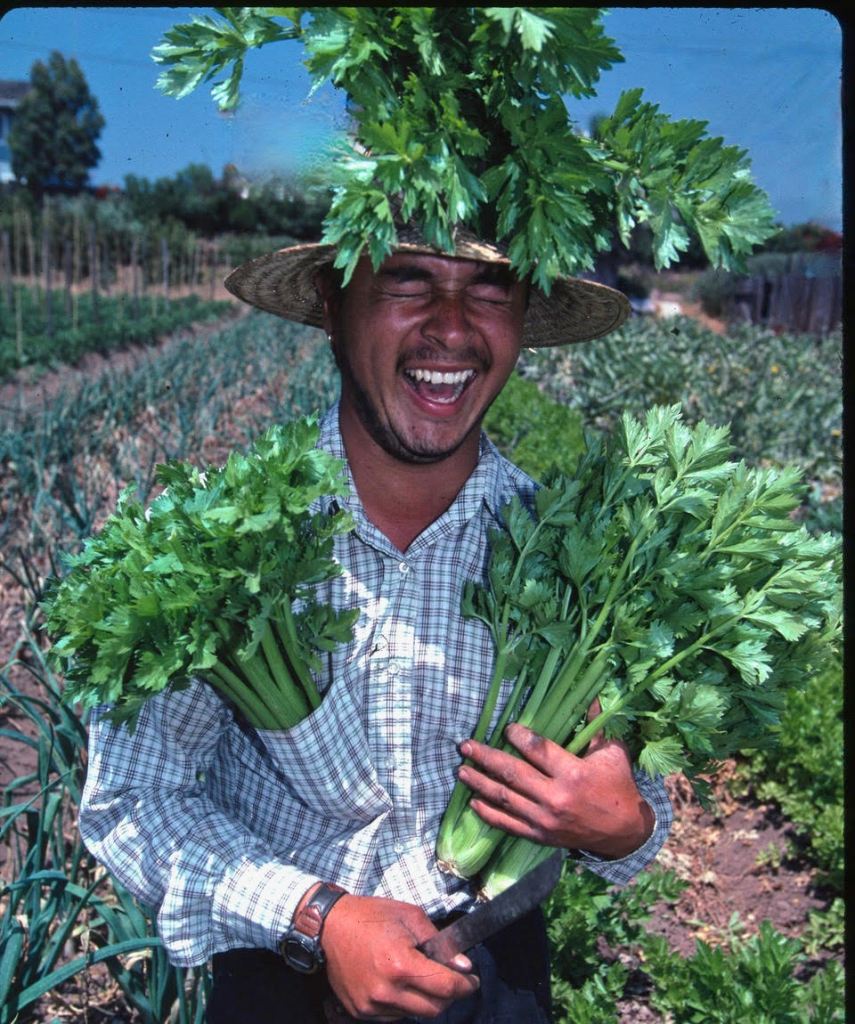
The property’s modern identity flickered to life in 1981, when a young photographer-turned-organic-farmer named Michael Ableman arrived. Ableman, a master grafter and member of the Sunburst commune at the time, had been summoned by the owner, UCSB music professor Roger Chapman, to help with the farm’s orange tree orchard.
Ableman never intended to stay. But when the farm manager suddenly took off, he found himself running the whole operation and living with his wife and young son on the top floor of the farmhouse. Chapman died in 1994, and his surviving family faced the anguishing decision of selling the property. With suburban land prices soaring, many feared the patch of green would become another pocket of cement.
That worry was almost realized when a developer offered the Chapmans a tidy sum to build 52 condominiums on the lot. Rather than accept that fate, Ableman joined forces with local leaders and citizen supporters to create the nonprofit Center for Urban Agriculture at Fairview Gardens. Their goal was simple but ambitious: raise $1 million (which was a lot of money at the time) to buy the land outright and preserve it forever as a working farm.
The effort succeeded in 1997 thanks to public grants, private donations, and a life-saving partnership with the Land Trust for Santa Barbara County. Just as significant as the purchase itself was the conservation agreement that came with it — an active agricultural easement, one of the nation’s first, that specifically mandated organic production.
“Thirty years ago,” said Ableman, “I made a promise to all those who stepped up with their time and their money to save Fairview Gardens, that I would protect their investment and make sure that the land would be well cared for and that we would continue to grow good food and educate and inspire future generations.” This was not just the right thing to do, he insisted. “It was written into the conservation easement that governs the land.”
Rural and Urban Visions
Ableman had a vision for Fairview from the start. More than simply raising crops, he wanted to create a place that would connect urban residents with food and the earth that grew it. This was decades before “farm-to-table” became a marketing slogan and The Biggest Little Farm hit Netflix.
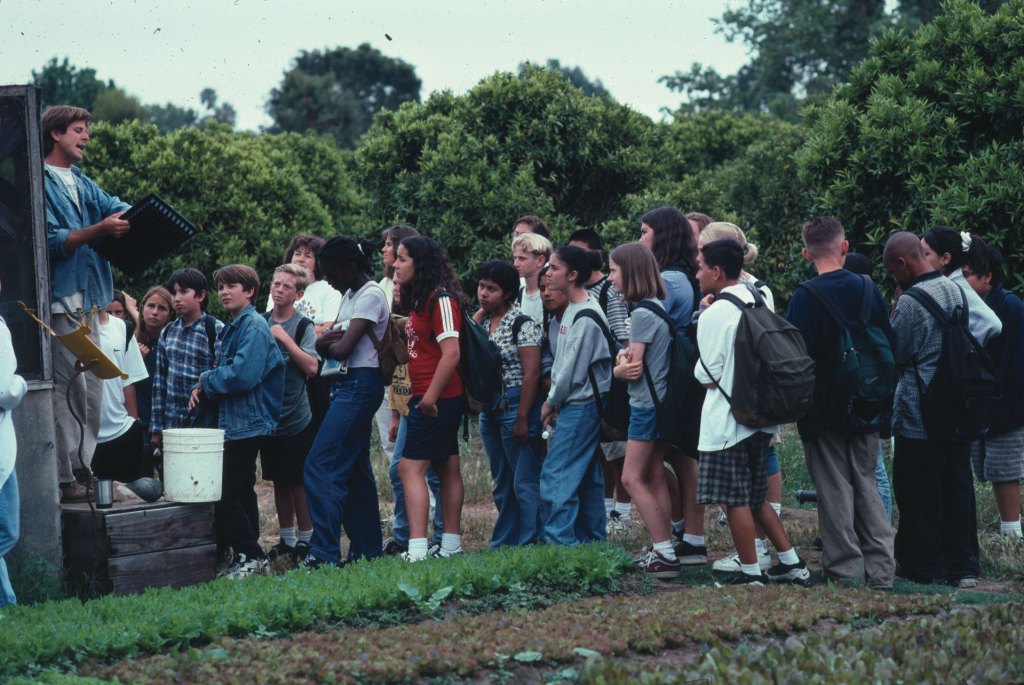
Ableman and his team refined cultivation techniques, created educational programs, organized school field trips and apprenticeships, hosted workshops (beekeeping, preserving, composting, seed saving, etc.), and encouraged visitors to see farming as a cultural activity rather than an economic one. Participating in the programs became a rite of passage for scores of young learners.
“I grew up in Santa Barbara and Fairview Gardens has always been a special place to me,” wrote Ava Castanha in a letter to the Planning Commission in support of the farm’s refresh. “Visiting with my mom when I was young, I remember being excited to buy fresh produce at the stand and look at the animals, to volunteering at the summer camp with my best friend. We helped the children make oven pizzas, harvested in the garden, and sang songs below the mulberry tree.”
“Fairview Gardens is a gem in the community,” Castanha continued. “It inspired my love for the environment, and when I went to UC Berkeley, I majored in conservation and resource studies. It’s where I learned how special Santa Barbara is — we conserve, protect, and maintain our beautiful environment.”


Credit: Elaine Sanders
Beyond germinating young minds, the property became an open-air classroom for professionals like city planners, restaurant chefs, and environmentalists interested in sustainable agriculture, as well as a proving ground for greenhorn farmers who would go on to plant their own organic acreages.
Perpetually ahead of the curve, Fairview Gardens became one of California’s earliest practitioners of Community Supported Agriculture (CSA), now practically a requirement of eco-minded communities. “We were doing some really innovative stuff,” Ableman said. “The place was just hopping with energy.”
By the early 2000s, thousands of visitors were showing up each year for tours, dinners, lectures, and seasonal festivals. Ableman’s books, including On Good Land and Fields of Plenty, and a documentary narrated by Meryl Streep introduced Fairview to an international audience and established it as an influential voice in the growing movement for local food systems.
But it was not all sunshine and radishes. For some neighbors, the sounds and smells of an active farm — including compost, livestock, and especially the piercing crow of roosters — became too much.
The tension escalated into what the Independent dubbed the “Rooster Riots,” drawing packed public hearings and passionate testimony. Ableman was threatened with jail time if he did not ameliorate what authorities deemed a “public nuisance.” “They crowed from sunset to 3 a.m.,” remembered neighbor Janet Walker, who shares a fenceline with the farm. “I counted the crows at one hundred per hour.”
Eventually, a compromise was reached. The roosters were removed, and Fairview insists there are no plans to bring them back. But the dustup bruised more than a few relationships that seem to have carried over to the present today.
Back to the Beginnning
With Fairview Gardens up and running at full speed, Ableman felt compelled to return to his 120-acre family farm in British Columbia. Never one to settle for low-hanging fruit, his work increasingly focused on helping marginalized communities access healthy food.
Fairview carried on without Ableman for nearly 20 years with decreasing degrees of success. The nonprofit endured a revolving door of directors, board members, and staff, and it was not immune to the financial challenges that cripple many small farms. The 2008 recession was a major blow, revenue continued to fall, and the pandemic was the final nail in the coffin. In 2022, the farm went dark, save for a landscaper who pulls weeds once a week and a skeleton crew of employees who keep an eye on things.
Soon after Ableman was lured back to Goleta, he visited the farm. “It was a big shock,” he said. Among other losses, the 70-foot-tall cathedral of avocado trees he’d planted four decades earlier was gone. It had been a point along tours where he’d explain how agriculture could be a restorative force, not just extractive.
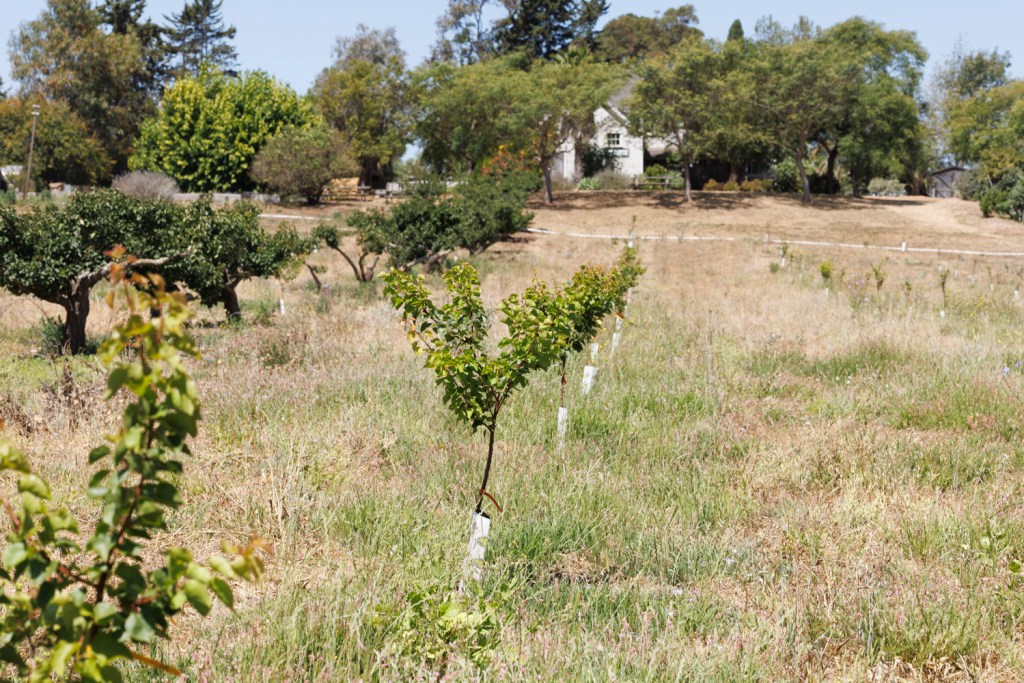
But Ableman didn’t dwell on the past. After the initial surprise wore off, he saw an opportunity. Hedges of pomegranates and a grove of apricots that hadn’t been watered or pruned for years were not only alive but producing.
That pushed Ableman to dive deeper into the science of dry-farming, a method of minimal irrigation he wants to use to save water in one of the fastest-warming counties in the contiguous United States. Dry-farmed crops deliver a lower yield but possess richer flavors and more nutrients, he explained. “That moment fed directly into the model of this new venture,” Ableman said. “It was a gift.”




You must be logged in to post a comment.