

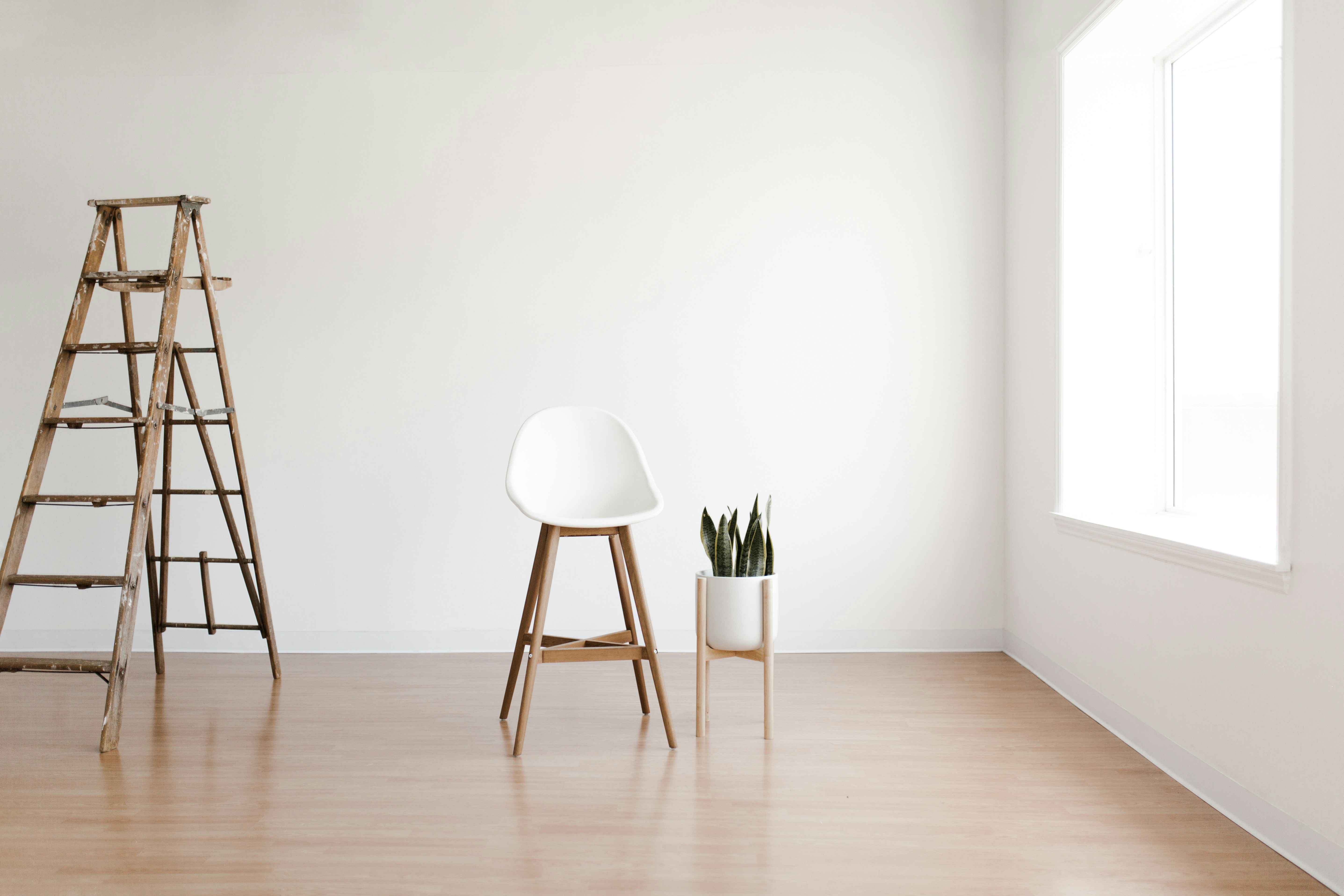
Few design decisions influence the character of a home quite like its flooring. It is the foundation on which every furnishing, architectural detail, and carefully curated accessory rests. Long before artwork is hung or furniture is arranged, the floor establishes a home’s tone, bringing warmth, texture, and a sense of permanence that cannot be replicated through décor alone.
As an interior designer, I often remind clients that flooring isn’t simply a finish selection; it’s an investment in how a home feels every single day. The right flooring should complement your lifestyle, withstand years of use, and become more beautiful over time. Understanding the differences between solid hardwood, engineered hardwood, and luxury vinyl plank allows you to make a choice that balances beauty, performance, and longevity.
Solid Hardwood: The Enduring Standard
There is a reason solid hardwood has remained the hallmark of exceptional homes for centuries. Crafted from a single piece of natural wood, it offers an authenticity that simply cannot be manufactured. Every plank features its own unique grain, subtle color variation, and organic character — details that give a home depth and soul.
Perhaps its greatest advantage is longevity. A properly installed hardwood floor can last for generations, developing a rich patina that only enhances its beauty with age. Because solid hardwood can be sanded and refinished multiple times, it evolves gracefully alongside changing design styles rather than becoming outdated.
White oak remains my favorite for its timeless versatility, while walnut offers richness and sophistication, and hickory introduces dramatic natural movement. Whatever the species, genuine hardwood possesses warmth and character that manufactured materials simply cannot duplicate.
Solid hardwood does, however, have its limitations. Because wood naturally expands and contracts with changes in humidity, it isn’t always the best choice for homes built on concrete slabs, below-grade spaces, or areas with significant moisture fluctuations.
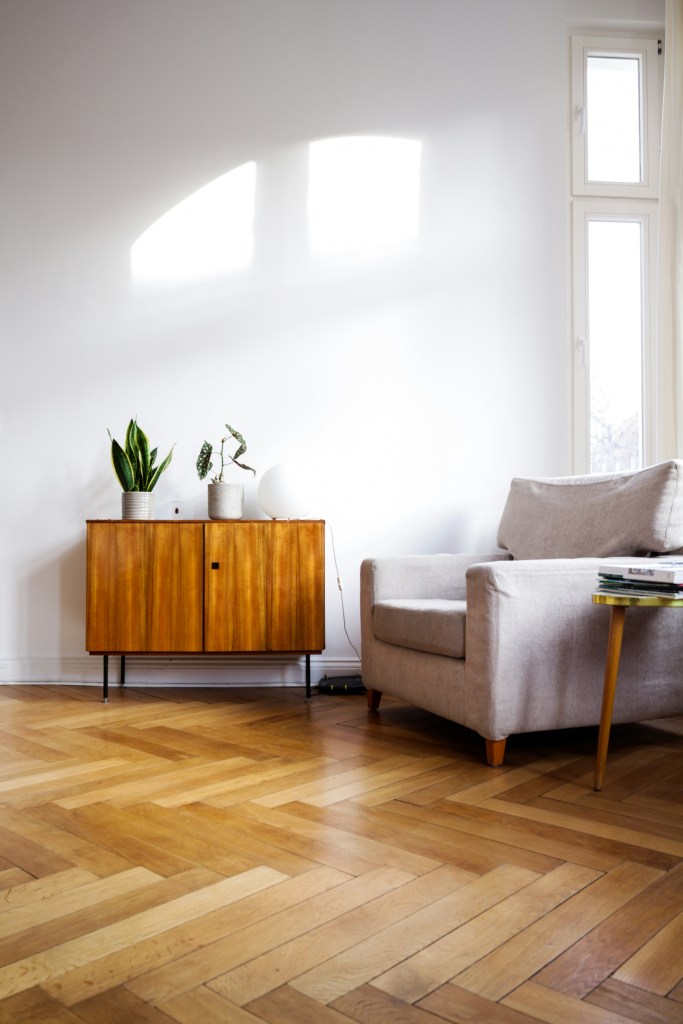
Engineered Hardwood: Beauty Meets Innovation
One of the biggest misconceptions in flooring is that engineered hardwood is somehow a compromise. In reality, many of today’s luxury homes feature engineered hardwood, not because it’s less desirable, but because it’s often the better technical solution.
Engineered hardwood combines a genuine hardwood surface with multiple layers of premium plywood beneath it. This cross-layer construction provides significantly greater dimensional stability, reducing the expansion and contraction that naturally occurs with solid wood.
The result is a floor that offers all the beauty of real hardwood while performing exceptionally well in coastal climates, homes with radiant heat, wide-plank installations, and properties built on concrete foundations. In many situations, its plywood core provides greater rigidity and stability than solid hardwood alone.
Many premium engineered products also feature thick wear layers that can be refinished, allowing homeowners to refresh the surface years down the road. While they may not withstand as many refinishing cycles as solid hardwood, they still offer decades of lasting beauty.
Luxury Vinyl Plank: Practical Performance
Luxury vinyl plank (LVP) has become increasingly popular thanks to remarkable improvements in manufacturing. Today’s products closely mimic the appearance of hardwood while offering outstanding durability and water resistance.
For busy households with children, large dogs, or heavy daily traffic, LVP can be an excellent choice. It performs especially well in mudrooms, laundry rooms, rental properties, vacation homes, and other spaces where durability is a top priority. Its scratch resistance, waterproof construction, and relatively affordable price make it an attractive practical solution.
From a design perspective, however, vinyl remains a compromise.
While today’s products have become increasingly realistic, they still cannot fully replicate the visual depth, natural variation, and tactile warmth of genuine hardwood. Real wood develops character over time, while vinyl maintains the same manufactured appearance throughout its lifespan.
Investing in Your Home’s Future
Choosing flooring isn’t simply about selecting a material; it’s about investing in the experience of living in your home.
Solid hardwood remains the gold standard for homeowners seeking timeless beauty and exceptional longevity. Engineered hardwood has become the preferred choice for many designers because it delivers the elegance of real wood with enhanced stability and versatility. Luxury vinyl plank serves an important role where moisture resistance, durability, and budget are primary concerns, particularly in high-traffic areas or investment properties.
From a designer’s perspective, flooring should never be selected based solely on today’s trends or the lowest initial cost. It should complement your home’s architecture, support your lifestyle, and continue to feel beautiful years from now.
Laura Gransberry is a Santa Barbara–based interior designer, specializing in helping clients find renovation-ready properties and transform them into magazine-quality homes. She can be reached at laura@lauragransberry.com, and on Instagram @lauragransberrydesign. Visit lauragransberry.com to learn more.








You must be logged in to post a comment.