

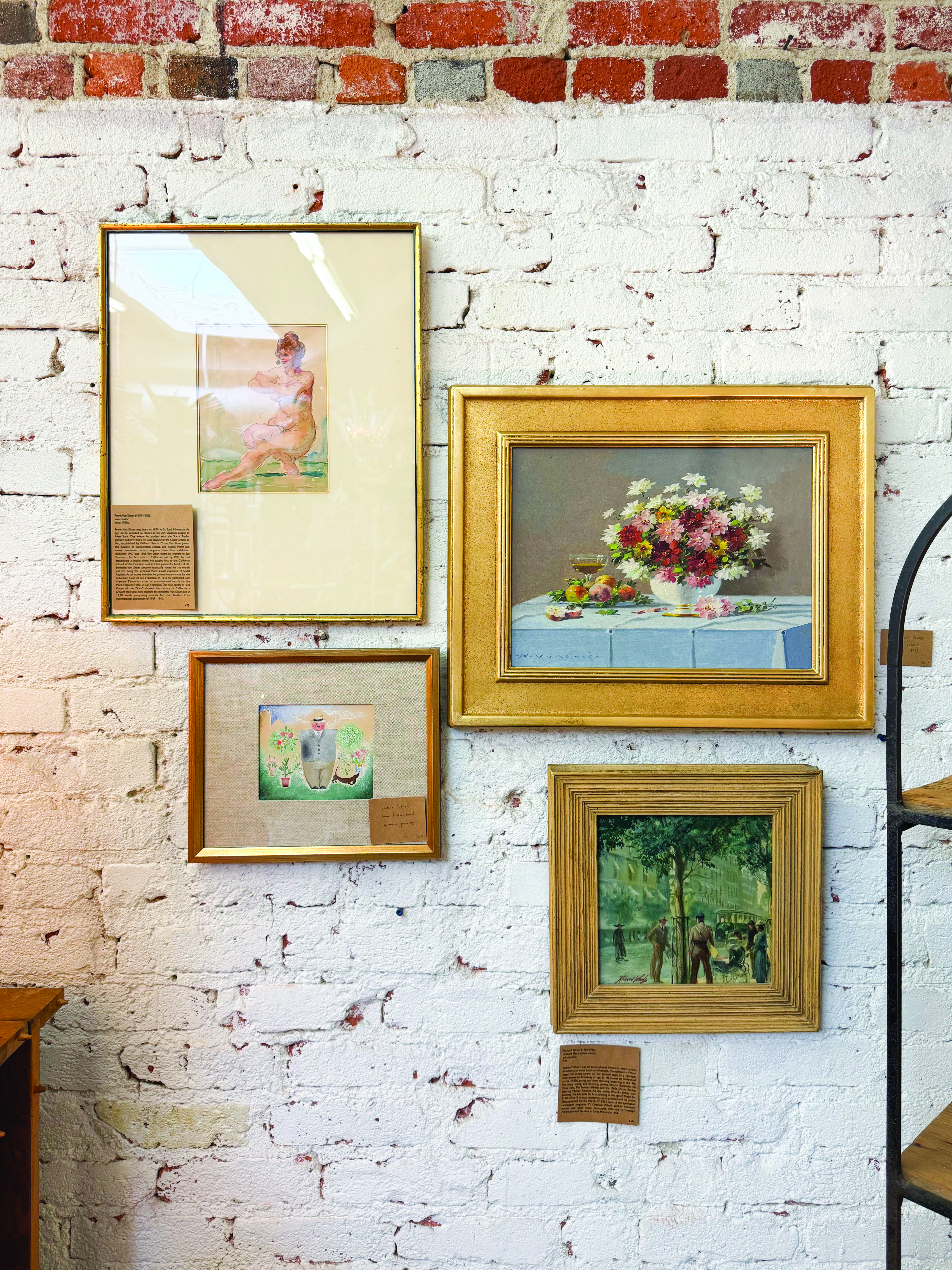
The title of this article is intended to be a bit of a contradiction: Art, as a foundational principle, is never perfect. I often remind clients that art is not a finishing touch — it’s a quiet foundation. The right pieces don’t just decorate a space; they give it soul, narrative, and emotional weight. Building an art collection for everyday living is less about acquiring impressive objects and more about cultivating a personal dialogue between your home and your life. It’s a process that unfolds slowly, guided by instinct, curiosity, and patience.
First and Foremost
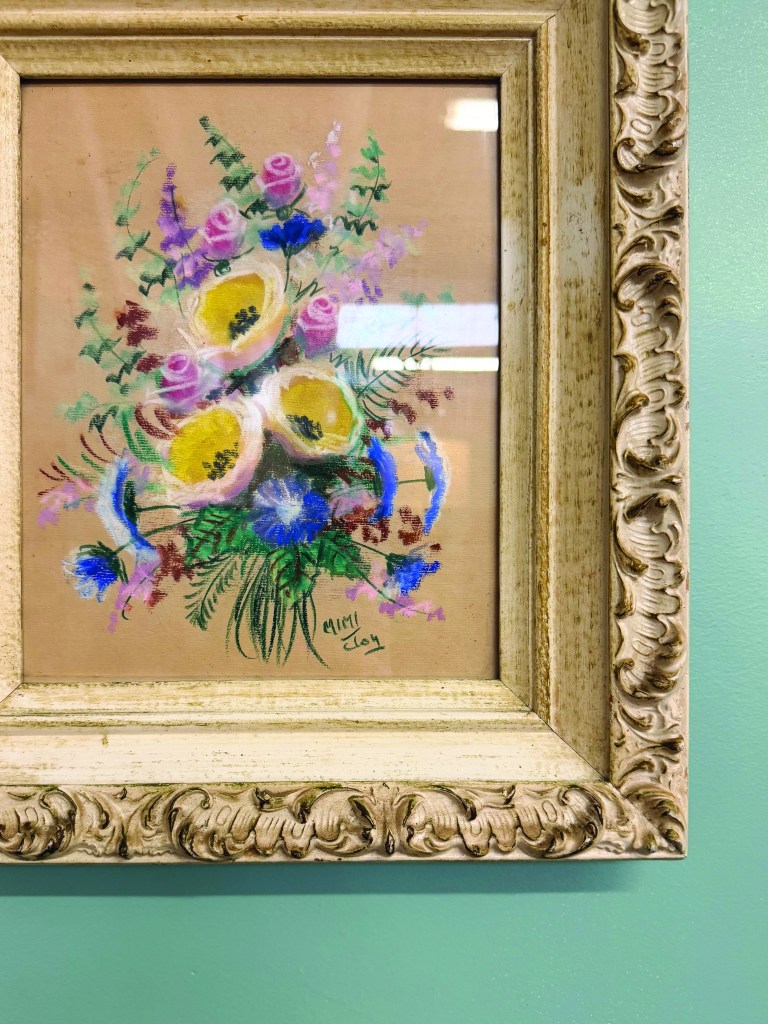
The first and most important principle: Collect what you truly love. Not what feels trendy, not what you think you should own, and certainly not what others might find impressive. Art is deeply personal. It is something you live with every day. Passing it in hallways, seeing it in morning light, noticing it in quiet moments. If a piece doesn’t move you in some way, it won’t grow on you over time. In fact, the opposite tends to happen. What initially feels like a “safe” or “practical” choice quickly becomes invisible and uninspiring.
When you encounter a piece that resonates, pay attention to why. I will never forget when I found a specific piece of art at an antique store. It wasn’t anything spectacular, but it stopped my gait immediately. I loved the colors and frame, and I thought it was so beautiful. It was signed by the artist, and I bought it immediately. When I got home and flipped it over, there was additional writing on the back listing where it was painted and what year. I laughed as I realized it was painted in one of my favorite beach towns just down the coast in the 1960s. I knew there was a reason I was drawn to it, and it’s one of my favorite pieces to date. Sometimes, it’s a sketch you find for next to nothing, when you’re not even looking for it. And suddenly, taking it home and framing it brings more joy than you ever thought it would. This is how the best and most personal collections are built over time. Trust yourself and what you love.
Things to Look For
That said, there are practical considerations worth keeping in mind, especially if you want your collection to hold long-term value, both emotionally and materially. Look for works that are signed and dated by the artist. This small detail adds a layer of authenticity and provenance. It doesn’t need to be from a famous artist to be meaningful or valuable, but having the artist’s signature and date offers an important sense of individuality and presence.
Make sure to frequent antique stores and estate sales. I always find the best hidden gems buried in the back. Originality matters: These pieces carry the artist’s hand, their process, and their imperfections, which are often what make them compelling.
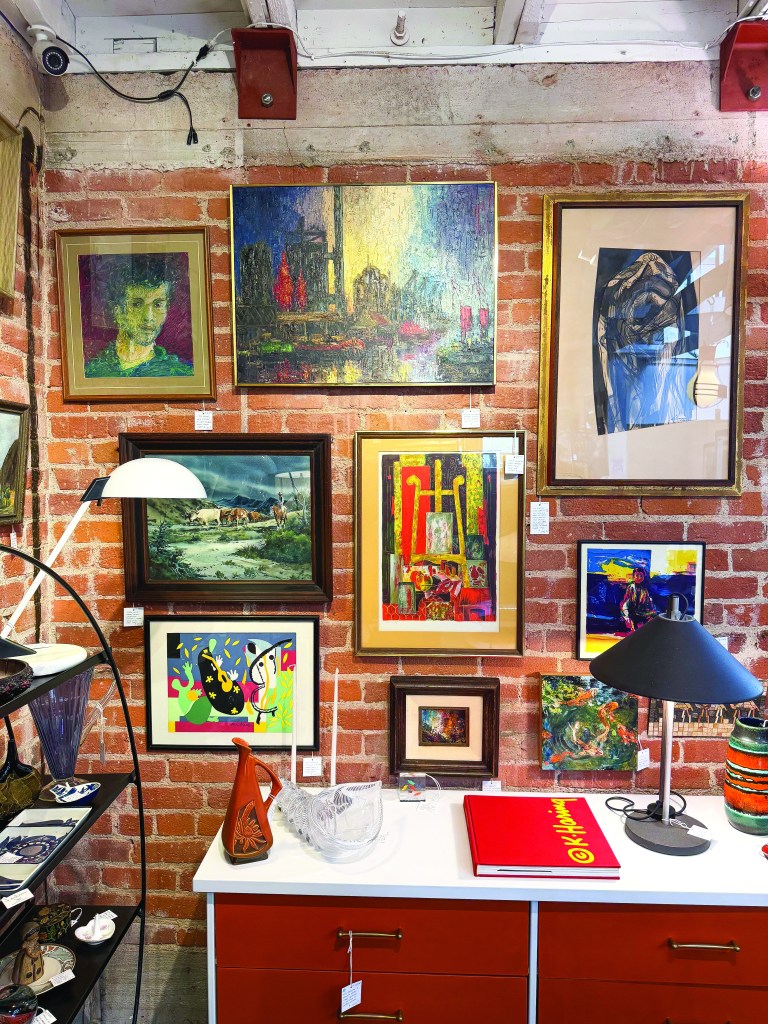
Scale and placement should be considered, but not overthought. A common mistake is buying art to “fit” a specific wall. Instead, buy art because you love it, then find a place for it. Some of the most dynamic interiors are created by layering pieces over time, leaning artwork on shelves, clustering smaller works in unexpected groupings, and frequently rotating pieces. Your home should feel alive, not fixed.
Be Patient
Equally important is understanding that building an art collection is not a race. It takes time: years, often decades, to develop a collection that feels rich and intentional. There will be periods where you acquire nothing, and others where you discover multiple pieces in quick succession. Both are part of the rhythm. Patience allows your taste to evolve and prevents impulsive decisions that you might later regret.
Budget is, of course, a reality, but it shouldn’t be a barrier. Start where you are. Smaller works or pieces from emerging artists can be incredibly affordable and often become the most cherished items in a collection. As your confidence grows, you may choose to invest in larger or more established works, but there is no hierarchy that dictates what makes a piece worthy.
Final Thoughts
Remember that your art collection should reflect your life, not just your aesthetic. Travel, personal milestones, relationships, and even spontaneous moments can all influence what you bring into your home. A piece purchased on a memorable trip or discovered unexpectedly can carry more meaning than something acquired intentionally. It’s one of the few times in life where less planning and more impulse is actually a good thing.
In the end, sourcing and building an art collection is an act of storytelling. Each piece becomes a chapter. When approached with intention, curiosity, and patience, your collection will not only enhance your interiors, but it will also quietly define them. In the end, buy what you love, and the rest will take care of itself.
Laura Gransberry is a Santa Barbara–based interior designer, specializing in helping clients find renovation-ready properties and transform them into magazine-quality homes. She can be reached at laura@lauragransberry.com, and on Instagram @lauragransberrydesign. Visit lauragransberry.com to learn more.











You must be logged in to post a comment.