
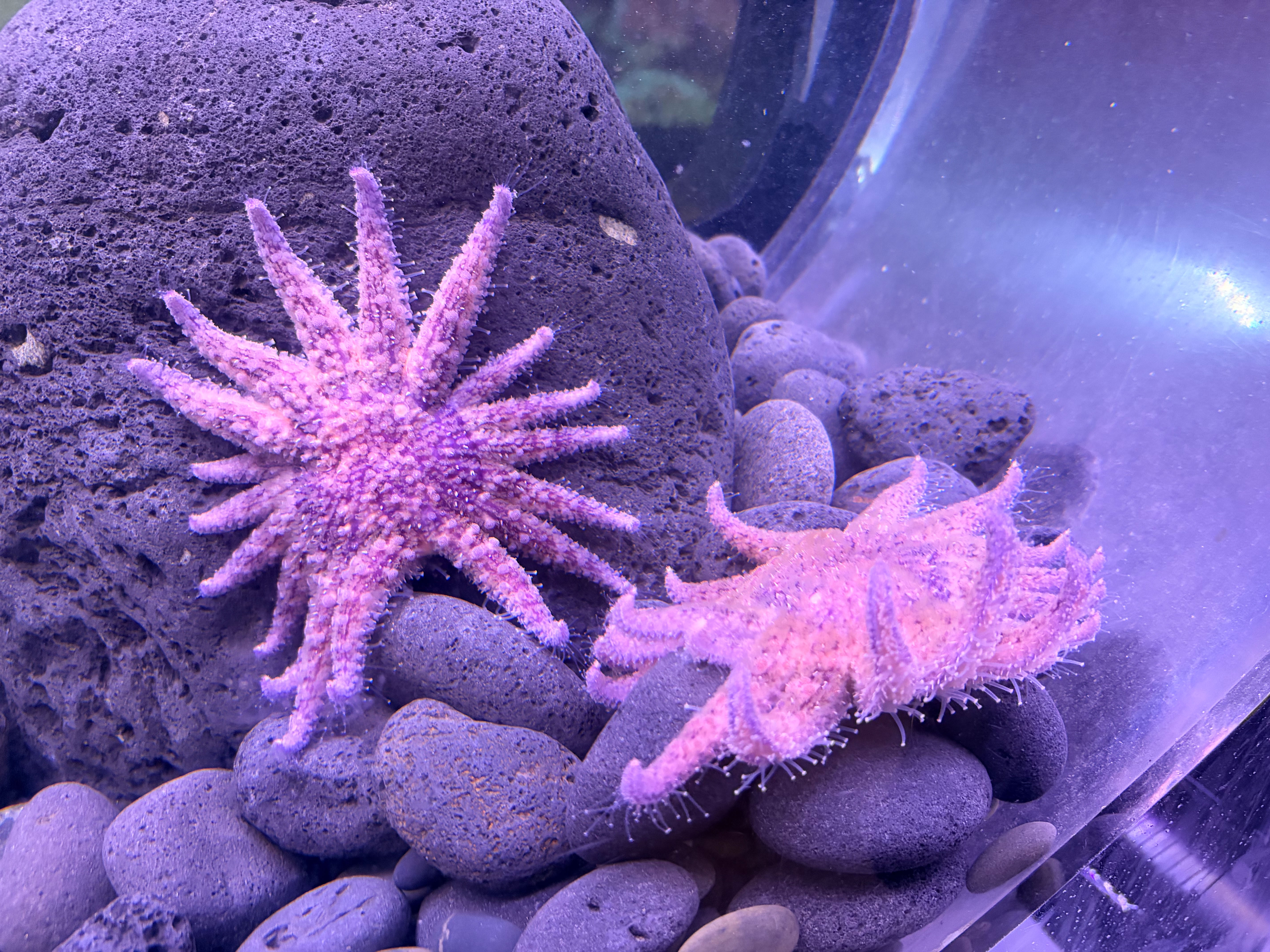
The Sea Center on Santa Barbara’s Stearns Wharf has two new stars stealing the aquarium’s spotlight — sea stars, that is.
With 18 arms, hundreds of tube feet, and fuzzy-looking purple bodies, the sunflower stars are a striking sight. Their arrival is especially inspiring given what happened to the last ones.
Around 2013, the outbreak of sea star wasting disease wiped out sunflower star populations on the West Coast.
Sea stars everywhere — including in aquariums using untreated sea water — rapidly deteriorated, suddenly falling apart, and turning to goo. At the Sea Center, the sunflower stars “basically self-destructed,” recounted director Rich Smalldon.
“I came in one day, and there were detached arms everywhere,” he recalled. “It was shocking and without warning.”
Researchers believe the outbreak was likely caused by a strain of bacteria that remains present along the West Coast.
In the wild, the disease wreaked havoc on California marine ecosystems. It was a domino effect. Sea stars, a main predator of sea urchins, largely disappeared. Left unchecked, sea urchins ran amok, chomping through large swaths of kelp forests. Urchin overgrazing decimated kelp, throwing ecosystems out of balance.
In response, sunflower stars were declared endangered by the Union for Conservation of Nature (but not the federal government — it is a long and bureaucratic process).
“And frankly, right now the current political climate is even more challenging to list new species under the Endangered Species Act,” said program manager Ally Aplin. “It does take a long time, even without particular political climates, so unfortunately, that is part of that classic red tape.”
In the meantime, there are more localized initiatives to protect sunflower stars, she said. As they disappeared, people took notice.
Inspired environmentalists, such as Vince “Star Father” Christian, took to raising sea stars. Christian, the founder of the Sunflower Star Laboratory (SSL), put out a call to action on Facebook and started the lab in his garage. Now, SSL, based in Moss Landing, works with several partners to grow hundreds of sunflower stars and restore them where they can one day rehabilitate kelp forests.
SSL brought two stars from their Cupid Cohort — raised from eggs spawned and fertilized at San Diego’s Birch Aquarium in 2024 — to the Sea Center on June 15.
These two stars, named Miguel and Rosa after the Channel Islands, are being heavily guarded against potentially bacteria-laden seawater. The center has employed extra filtration and sterilization to ensure the bacteria cannot break in. It’s not foolproof, but it’s better than just pumping in seawater straight from under the wharf.
The center is concerned about warmer waters due to the looming super El Niño, Aplin said. When the bacteria first appeared, it was during an El Niño year and a marine heat wave. Warmer waters give bacteria a happy home to grow and spread, she explained, raising concerns about how that could impact marine life.
“The bacteria that affected them to cause the wasting disease is also naturally occurring in the water, and it seems to be exacerbated by heat,” said naturalist Dylan Otte. “But we’re hopeful that we could potentially see them be resilient regardless of that, which would be really good news if that ends up being the case.”
In California waters, the SSL is spearheading the first-ever temporary outplantings of sunflower stars to see how they fare in the wild. The center’s new stars participated in the first outplanting trials in Monterey, “before returning from ‘camp ocean,’” and becoming “Southern California ambassadors for their species,” the center said in a press release.
The team hopes to eventually achieve full-scale reintroduction. Sunflower stars are big eaters — meaning they could be very helpful in culling urchins and restoring kelp.
“Titan — the largest star at SSL at over a foot long — once ate 44 juvenile urchins in a single day,” the center said.
The Sea Center said it hopes to play a role in educating the public about efforts to restore sunflower stars in the wild. According to Alpin, they are already hearing their summer campers say the species is their favorite animal.
“So I think just having them here to be seen and understood is already a success,” she said.
People can visit the stars at the Sea Center on Stearns Wharf, open daily 10 a.m. to 5 p.m. See sbnature.org/visit/sea-center.
Related Posts
Premier Events
Sat, Oct 10
9:00 AM
Santa Barbara
Treble Clef Chorus Fall Treasure Sale
Sun, Oct 11
5:00 PM
Santa Barbara
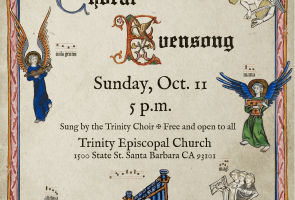
Trinity Choir: Choral Evensong

Thu, Oct 08
7:00 PM
Santa Barbara
“A Night of Blues” with Morganfield Burnett
Fri, Oct 09
7:00 PM
Santa Barbara
Paseo Nuevo Spooky Movie Nights

Sat, Oct 10
9:00 AM
Santa Barbara
SBNC 1st Annual Health & Wellness Fair

Sat, Oct 10
1:30 PM
Goleta
🌴 Another Day in Paradise at S.B’s Premier Ice Rink

Sun, Oct 11
7:00 AM
Ojai
Flamenco Guitarist Tony Ybarra

Sun, Oct 11
10:00 AM
Santa Barbara
18th Annual Domestic Violence Solutions Brunch
Sun, Oct 11
10:00 AM
Santa Barbara
Free Community Day at S.B. Botanic Garden
Sun, Oct 11
10:00 AM
Santa Barbara
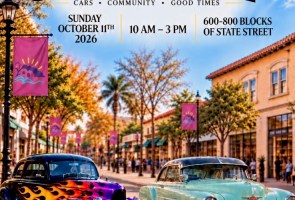
Downtown Classic Car Show Santa Barbara
Sun, Oct 11
11:00 AM
Santa Barbara
Raíces y Sueños: Bilingual Storytime at Santa Barbara Museum of Art

Sun, Oct 11
2:00 PM
Santa Barbara
The Theatre Group at SBCC Presents: “CLUE”
Sat, Oct 10 9:00 AM
Santa Barbara
Treble Clef Chorus Fall Treasure Sale
Sun, Oct 11 5:00 PM
Santa Barbara
Trinity Choir: Choral Evensong
Thu, Oct 08 7:00 PM
Santa Barbara
“A Night of Blues” with Morganfield Burnett
Fri, Oct 09 7:00 PM
Santa Barbara
Paseo Nuevo Spooky Movie Nights
Sat, Oct 10 9:00 AM
Santa Barbara
SBNC 1st Annual Health & Wellness Fair
Sat, Oct 10 1:30 PM
Goleta
🌴 Another Day in Paradise at S.B’s Premier Ice Rink
Sun, Oct 11 7:00 AM
Ojai
Flamenco Guitarist Tony Ybarra
Sun, Oct 11 10:00 AM
Santa Barbara
18th Annual Domestic Violence Solutions Brunch
Sun, Oct 11 10:00 AM
Santa Barbara
Free Community Day at S.B. Botanic Garden
Sun, Oct 11 10:00 AM
Santa Barbara
Downtown Classic Car Show Santa Barbara
Sun, Oct 11 11:00 AM
Santa Barbara
Raíces y Sueños: Bilingual Storytime at Santa Barbara Museum of Art
Sun, Oct 11 2:00 PM
Santa Barbara

