

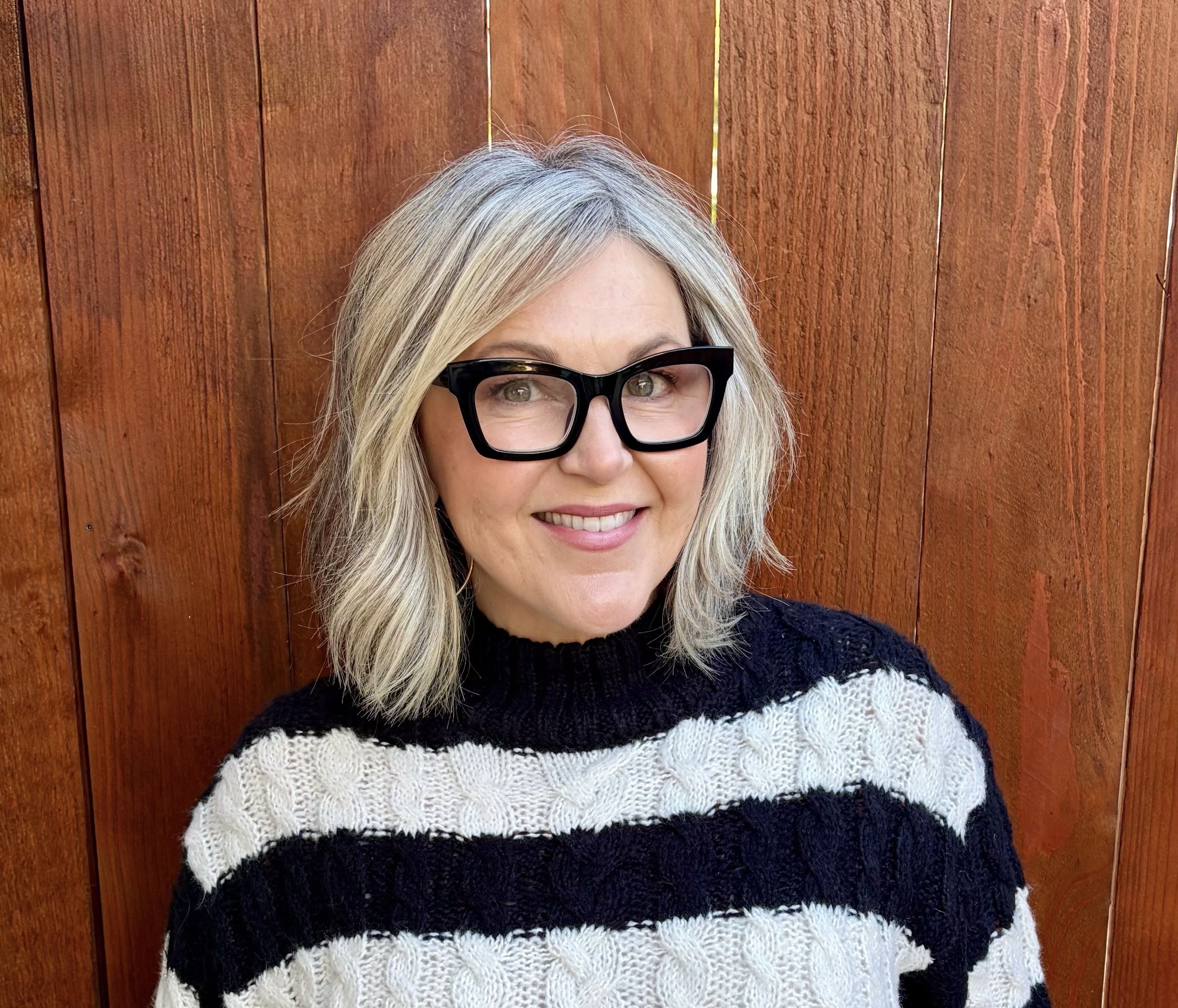
This Halloween, I’m going to dress up as a butterfly. I’ll wear a costume with big, colorful wings, spindly antennae, and sparkly face paint. I’ll be spectacular. But I want to be clear on one point:
This won’t make me an actual butterfly.
We all understand that humans in fantastical costumes are still … just … humans underneath it all. When it comes to our news, though, we have a harder time distinguishing real journalism from hack impersonators. Finger-pointing pundits. Click-hungry influencers. One-note podcasters. Even (ahem) drum-beating columnists who hope you’ll trust their insights as “news.”
But the creepiest new type of media masquerading as journalism is the “AI newsroom.” Tech-savvy entrepreneurs are using AI agents to scrape stories from legit news sites and repackage them as original reporting — often with fake bylines and false information.
Big deal, I hear you grumble. AI is spreading to every other corner of my life — why not the news, too?
Here’s why: Real journalists gather and report facts according to strict standards of accuracy, fairness, independence, and transparency. Following those standards isn’t a good time; it makes the work harder and more expensive. They do it solely to maintain your invaluable trust.
But then “pink slime” oozes in. Named for the filler sludge that impersonates meat in fast-food kitchens, pink-slime websites have been popping up for years disguised as independent local news. Visitors see a few articles, photos, headlines, and newsy titles like the Bristol Beacon or Grandview Gazette. But instead of publishing relevant, factual articles, they exist only to sell web ads—or support a particular political point of view.
Back in 2020, the New York Times published a list of hundreds of these sites. And in 2024, NewsGuard reported there were already more pink-slime sites (1,265) than actual local news sites (1,213) left in the US.
You won’t be shocked to learn AI has made it even easier to generate news-impersonator sites. A public radio station in Michigan recently called out a string of 200 websites that were using AI to rewrite stories by real newsrooms, and then publishing them with fake bylines. The Dissent, a self-described “AI newsroom” in San Francisco, boasts that it’s reported, edited, and produced solely by six AI agents. They’ve been given human names and even inscrutable mottos that bear the stench of AI prose: “A closure is someone’s livelihood, not a vibe shift. An opening is a bet, not a trend,” says food reporter, er, agent “Jules Martinez.”
If that doesn’t make you uncomfortable, ask a career journalist what’s wrong with this picture.
“There’s no actual journalism involved,” says local news veteran Jerry Roberts, who spent decades at the San Francisco Chronicle and served time at the Santa Barbara News-Press before launching human news site Santa Barbara Newsmakers. “This is just vacuuming up journalism that’s been done by somebody else. We used to call this plagiarism, where you’re just taking someone else’s work, repackaging it and getting credit for it.”
Not all AI news generators are stealing, of course. Wired recently reported that it got scooped on an Open AI hacking story … when the AI site RuntimeWire quickly generated an article based on the livestream of a presentation.
But accuracy is a big concern. “Obviously there’s the AI hallucination problem,” Roberts says. “It just makes stuff up. It told me I was dead recently.”
He’s not.
“There’s simply no accountability, which is a fundamental tenet of journalism,” he adds. “And the economic argument of it all – that these sites are saving local journalism by filling in news deserts – is such bullshit. It’s going to damage local journalism even further.”
How do you avoid consuming plagiaristic, hallucinatory, unaccountable news? First, support real journalism: Subscribe to news orgs that follow ethical standards. Good information isn’t free, and free information usually isn’t good.
If you stumble onto a news site you don’t recognize, do a quick search to see who funds it. If it’s bankrolled by a political organization or a company that’s not even located in the town it’s covering … well, friends, that’s not an actual butterfly.
Related Posts



Premier Events

Sat, Oct 24
2:00 PM
Santa Barbara
Japanese Sacred Architecture: Shinto and Buddhism

Sat, Oct 24
10:30 AM
Santa Barbara
Picnic in the Cemetery: A Live Historical Event
Sat, Oct 24
11:00 AM
Goleta
2nd Annual Charger Cup to Benefit DP High Golfers
Sat, Oct 24
12:00 PM
Santa Barbara
Makers Hive Market
Sat, Oct 24
2:00 PM
Santa Barbara
Japanese Sacred Architecture: Shinto and Buddhism

Sat, Oct 24
2:00 PM
Santa Barbara
Thriller 2026 – Get Scary for Charity!

Sat, Oct 24
3:00 PM
Santa Barbara
Downtown Santa Barbara Trick-or-Treat

Sat, Oct 24
5:00 PM
Santa Barbara
15th Annual DSASBC Halloween Hoedown

Sat, Oct 24
5:30 PM
Solvang
Solvang Haunted House and Street Fair

Sat, Oct 24
7:00 PM
Santa Barbara
Anima: Theater of the Feminine Underground

Sun, Oct 25
11:00 AM
Santa Barbara
Free Family Day: Día de los Muertos
Sat, Oct 24 2:00 PM
Santa Barbara
Japanese Sacred Architecture: Shinto and Buddhism
Sat, Oct 24 10:30 AM
Santa Barbara
Picnic in the Cemetery: A Live Historical Event
Sat, Oct 24 11:00 AM
Goleta
2nd Annual Charger Cup to Benefit DP High Golfers
Sat, Oct 24 12:00 PM
Santa Barbara
Makers Hive Market
Sat, Oct 24 2:00 PM
Santa Barbara
Japanese Sacred Architecture: Shinto and Buddhism
Sat, Oct 24 2:00 PM
Santa Barbara
Thriller 2026 – Get Scary for Charity!
Sat, Oct 24 3:00 PM
Santa Barbara
Downtown Santa Barbara Trick-or-Treat
Sat, Oct 24 5:00 PM
Santa Barbara
15th Annual DSASBC Halloween Hoedown
Sat, Oct 24 5:30 PM
Solvang
Solvang Haunted House and Street Fair
Sat, Oct 24 7:00 PM
Santa Barbara
Anima: Theater of the Feminine Underground
Sun, Oct 25 11:00 AM
Santa Barbara


