

It happened in Downtown Santa Barbara — but made instant international news: New York Times. Associated Press. Hindustan Times. Even Vanity Fair.
In the 20 years since, universities across America have taught the story as a cautionary tale of media implosion.
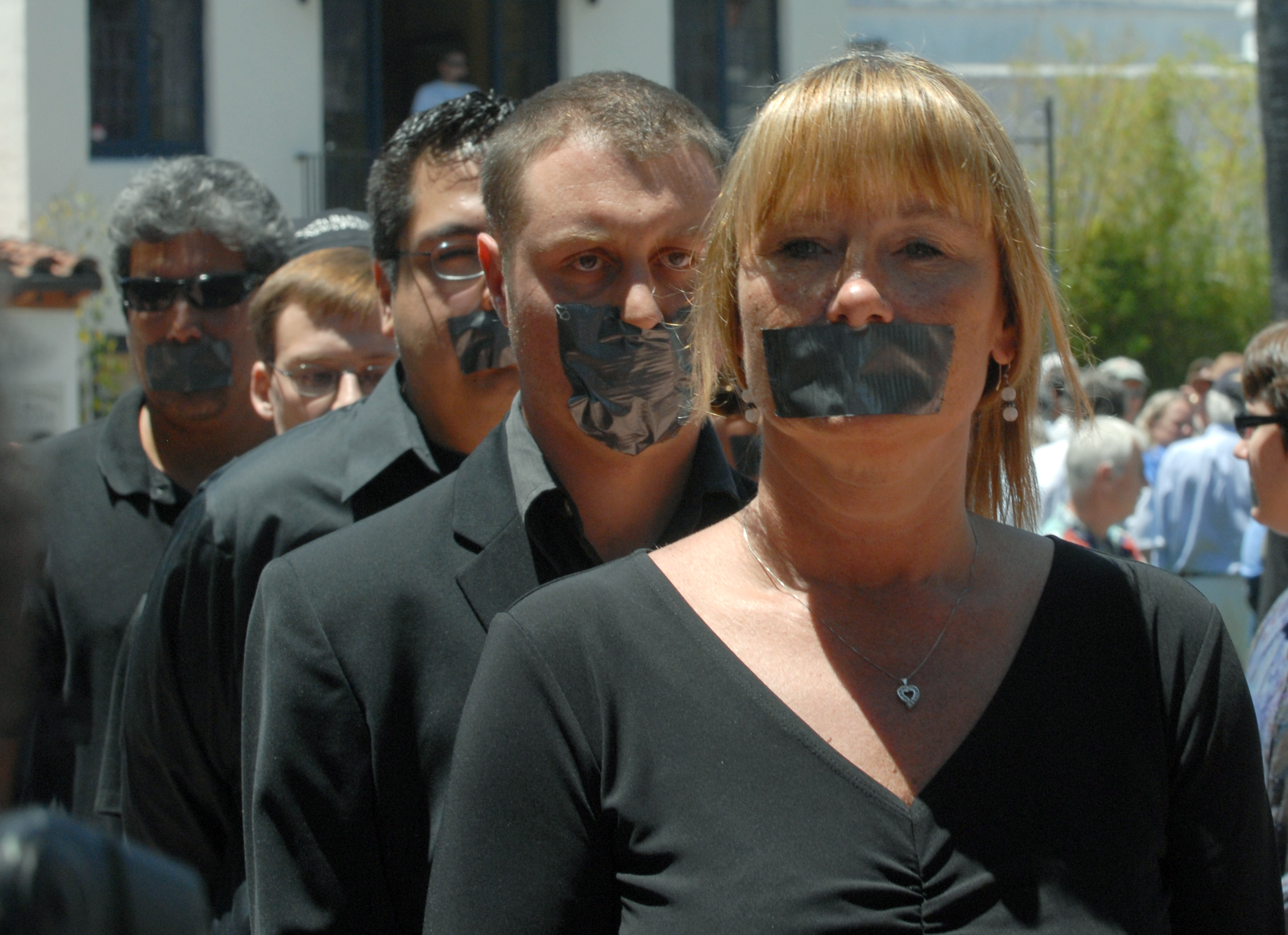
On July 14, 2006, nearly 30 reporters and editors from the Santa Barbara News-Press — a Pulitzer Prize–winning paper that chronicled the daily dramas of this seaside town — marched from their second-story newsroom into the picturesque plaza they shared with City Hall. A motley band of inkslingers accustomed to staying out of any story, they stood stone-faced and silent before hundreds of residents and rival media.
And in a single, startling gesture, each journalist placed a rough-torn patch of silver duct tape over their own mouths as onlookers gasped and cameras flashed wildly.
I was one of those reporters. And I remember hoping the tears pooling in my eyes wouldn’t spill and stream down my cheeks.
For months, we’d been battling our new publisher, billionaire Wendy McCaw, who’d bought the paper from The New York Times — partly because she liked the Spanish Colonial Revival building. It became clear she neither understood nor respected the vital role a news organization plays in a community — and the imperative that its reporting be unbiased. Instead, she expected her friends to be treated one way in print, and her enemies (she had plenty) to be treated another. Which is not how effective journalism works.
Editors who pushed back were fired. The Society of Professional Journalists’ ethical code was mocked in meetings. And when we tried to alert the town to what was happening to its newspaper, she issued a gag order.
Let me say that again: She told a team of reporters not to report on the most impactful and destructive thing happening in our town. We couldn’t even write about the fact that we couldn’t write about it.
So, we called a press conference to quietly, angrily express what we were prevented from saying with words.
The response was swift and stunning. Subscribers canceled. The newsroom tried to unionize. Lawsuits erupted. Over the next eight months, 60 people — all but two reporters — were fired or quit.
From a circulation of 45,000, the paper ultimately thinned to four pages and eventually shuttered and entered bankruptcy. It played out, as the Santa Barbara Independent’s brilliant Nick Welsh recently said, like watching “a self-inflicted prefrontal lobotomy.”
But as sad as it was to lose a venerable, valuable institution, ours was not the only community chronicle to collapse. It was just one of the first — the McCaw in the coal mine, perhaps.
In 2007, real-estate billionaire Sam Zell bought The Tribune Company, whose Los Angeles Times, Chicago Tribune, and Baltimore Sun all saw their staffs slashed soon after. Jeff Bezos snatched up the Washington Post, which fired more than 300 staffers this year.
Billionaires ruin a lot of things, but they can’t be entirely blamed for the news media’s anemia. The Great Recession barreled in. Google and social media stole ad dollars and eyeballs that papers never puzzled how to nab back. Political attacks on journalism as a whole haven’t helped.
Since the day my colleagues and I protested our muzzle, Northwestern University says the U.S. has lost more than 3,400 local papers — a near 40 percent decline.
And a recent study shows that drop comes with significant declines in voter turnout, more political polarization, and more crime — stats that surprise no journalists, but might shock those who buy news orgs in the hopes of running them like a hobby newsletter.
The News-Press has recently been resurrected as a digital-only outlet being run by a nonprofit through Arizona State University. I’m loyal to the Independent, which took me in when I resigned my post at their rival paper across town. But I’m grateful to live in a town where dedicated journalists with integrity compete to bring us the news we need to make informed decisions about our daily lives.
I don’t know if it’ll stick. But I do know this:
Duct tape sure does.
Related Posts
Premier Events
Sat, Oct 24
2:00 PM
Santa Barbara
Japanese Sacred Architecture: Shinto and Buddhism
Sat, Oct 24
10:30 AM
Santa Barbara
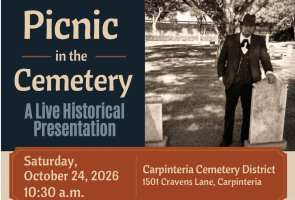
Picnic in the Cemetery: A Live Historical Event
Sat, Oct 24
11:00 AM
Goleta
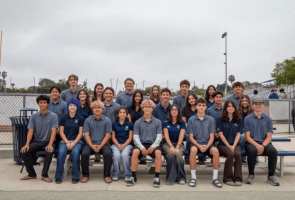
2nd Annual Charger Cup to Benefit DP High Golfers
Sat, Oct 24
12:00 PM
Santa Barbara
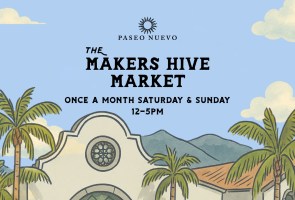
Makers Hive Market
Sat, Oct 24
2:00 PM
Santa Barbara
Japanese Sacred Architecture: Shinto and Buddhism

Sat, Oct 24
2:00 PM
Santa Barbara
Thriller 2026 – Get Scary for Charity!

Sat, Oct 24
3:00 PM
Santa Barbara
Downtown Santa Barbara Trick-or-Treat
Sat, Oct 24
5:00 PM
Santa Barbara
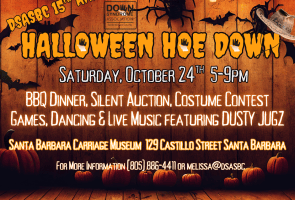
15th Annual DSASBC Halloween Hoedown
Sat, Oct 24
5:30 PM
Solvang
Solvang Haunted House and Street Fair

Sat, Oct 24
7:00 PM
Santa Barbara
Anima: Theater of the Feminine Underground
Sun, Oct 25
11:00 AM
Santa Barbara
Free Family Day: Día de los Muertos
Sat, Oct 24 2:00 PM
Santa Barbara
Japanese Sacred Architecture: Shinto and Buddhism
Sat, Oct 24 10:30 AM
Santa Barbara
Picnic in the Cemetery: A Live Historical Event
Sat, Oct 24 11:00 AM
Goleta
2nd Annual Charger Cup to Benefit DP High Golfers
Sat, Oct 24 12:00 PM
Santa Barbara
Makers Hive Market
Sat, Oct 24 2:00 PM
Santa Barbara
Japanese Sacred Architecture: Shinto and Buddhism
Sat, Oct 24 2:00 PM
Santa Barbara
Thriller 2026 – Get Scary for Charity!
Sat, Oct 24 3:00 PM
Santa Barbara
Downtown Santa Barbara Trick-or-Treat
Sat, Oct 24 5:00 PM
Santa Barbara
15th Annual DSASBC Halloween Hoedown
Sat, Oct 24 5:30 PM
Solvang
Solvang Haunted House and Street Fair
Sat, Oct 24 7:00 PM
Santa Barbara
Anima: Theater of the Feminine Underground
Sun, Oct 25 11:00 AM
Santa Barbara


