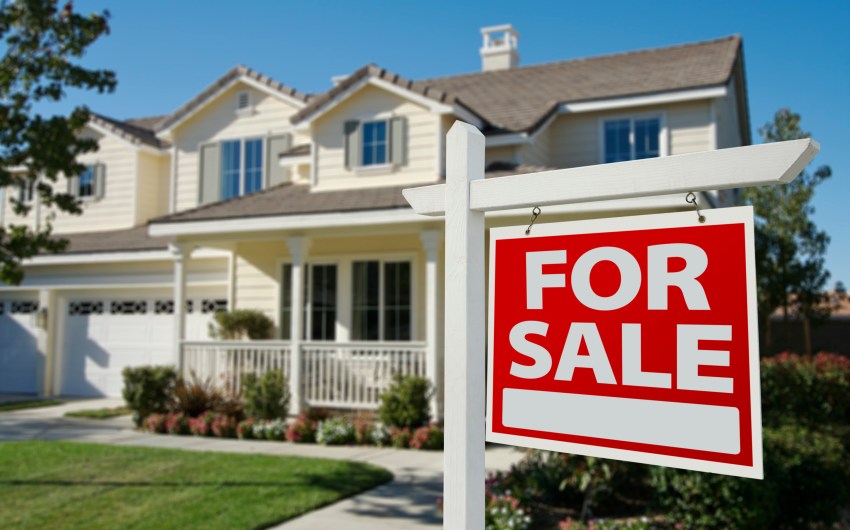
“Hmm … do you care if my garage is really another bedroom?”
We are blessed to live between the Pacific Ocean’s beauty and the sparkling peaks of the Los Padres. Yet this geography means that buildable land is finite. Regulations, cost increases, and other limitations reduce the supply of new homes on the market, resulting in a housing stock that can need a bit more TLC. Compounding this is the cost of living, with many homeowners feeling the necessity to rent out part of their abode to supplement their income. This has all lead to illegal conversions of garages, sun rooms, the parceling of one home into many, or even some folks turning Tuff Sheds into office space instead of working within their original blueprint.
The cost and supply of decent housing in the South Coast has long been a focus for political candidates, government employees, policy makers, and residents alike. I have had clients come to me looking for more than a million dollars in funding just to add another bedroom to their home. Personally, I can tell you it cost us more than $30,000 and 13 months to get permits for just a garage — with no living space or plumbing included. This all boils down to the fact that not all improvements are done with permits, even if they are intended to be done to code.
If you bought or sold property in Santa Barbara prior to 2019, you probably remember the debacle around Zoning Inspection Reports (“ZIRs”) that were mandated at time of sale. These necessitated an on-site inspection to determine if any zoning codes were broken. If found at fault, citations could be imposed that had to be fixed prior to the closing of the property’s sale. I recall that we helped clients buy one property, who then had to sell it six months later because of job relocation, and one room was deemed a bedroom on the first report, and a den on the second. Why? Two different inspectors viewed the property at each occasion. Certainly a three-bedroom house is valued different than a two-bedroom, is it not? In another instance, there was a microwave on a counter that was deemed inappropriate — which caused additional time, cost, and delays to the sale.
While permits exist so that we do not have hazardous building, they also exist so we have harmonious building. Neighbors can comment or even oppose building that meets code as well. Perhaps you agree that if your neighbor wants to add another story to their home that you should be able to comment on it, but what if they only want to do some minor footprint changes or a modest square-foot enhancement? Like, turn that two-bedroom into a two-bedroom? Thankfully, updated Title 30 Zoning enhancements took effect earlier this year within the City of Santa Barbara that help streamline many improvements our residents need. And being an architect’s daughter, I rejoice at less red tape for folks just trying to raise a family in their current home.
So, back to that illegal garage conversion at the top of the article. From a lending perspective, there are different guidelines and options around if the work was done “in a workman-like manner.” The old rule of thumb was that if it looked like it was done well, and didn’t pose any health and safety issues, then we could simply add a “cost to cure” on the appraisal. That means if it would take $10,000 to turn the room back into a garage, then that amount was deduced off the appraised value. If it was done instead as “unskilled workmanship,” then corrections would be mandated before closing. More recently, it seems that most everything out of order has to be rectified to meet guidelines.
These days we see a lot of un-permitted kitchenettes, walls put up between sections of a home so it acts as a makeshift duplex, bathrooms or sinks added to rooms so they act as a studio apartment, and even the occasional porch with paneling instead of screens so it acts as an additional bedroom. Creative as this all may be, these are most always considered “health and safety issues” and need to be removed before your mortgage can close.
We are blessed to live in a beautiful community, hugged by ocean, mountains, and low-density development. Yet if we continue to stifle rehabilitation through too many regulations and not enough staff to support workflow, these “creative” solutions will pop up more and more. I commend the folks that are working to reduce the red tape. I commend the homeowners that are looking to follow the rules and act in a neighborly manner. I have to recommend that we all continue to collaborate to create more housing supply within our already developed spaces — for that is true appreciation of our communal resources.
Austin Lampson is a licensed mortgage professional and branch manager of Origin Point Mortgage. She has spent the last quarter-century helping her clients balance math and emotion to achieve their financial goals. Reach Austin at (805) 869-7100, austin@austinlampson.com, or visit austinlampson.com.