

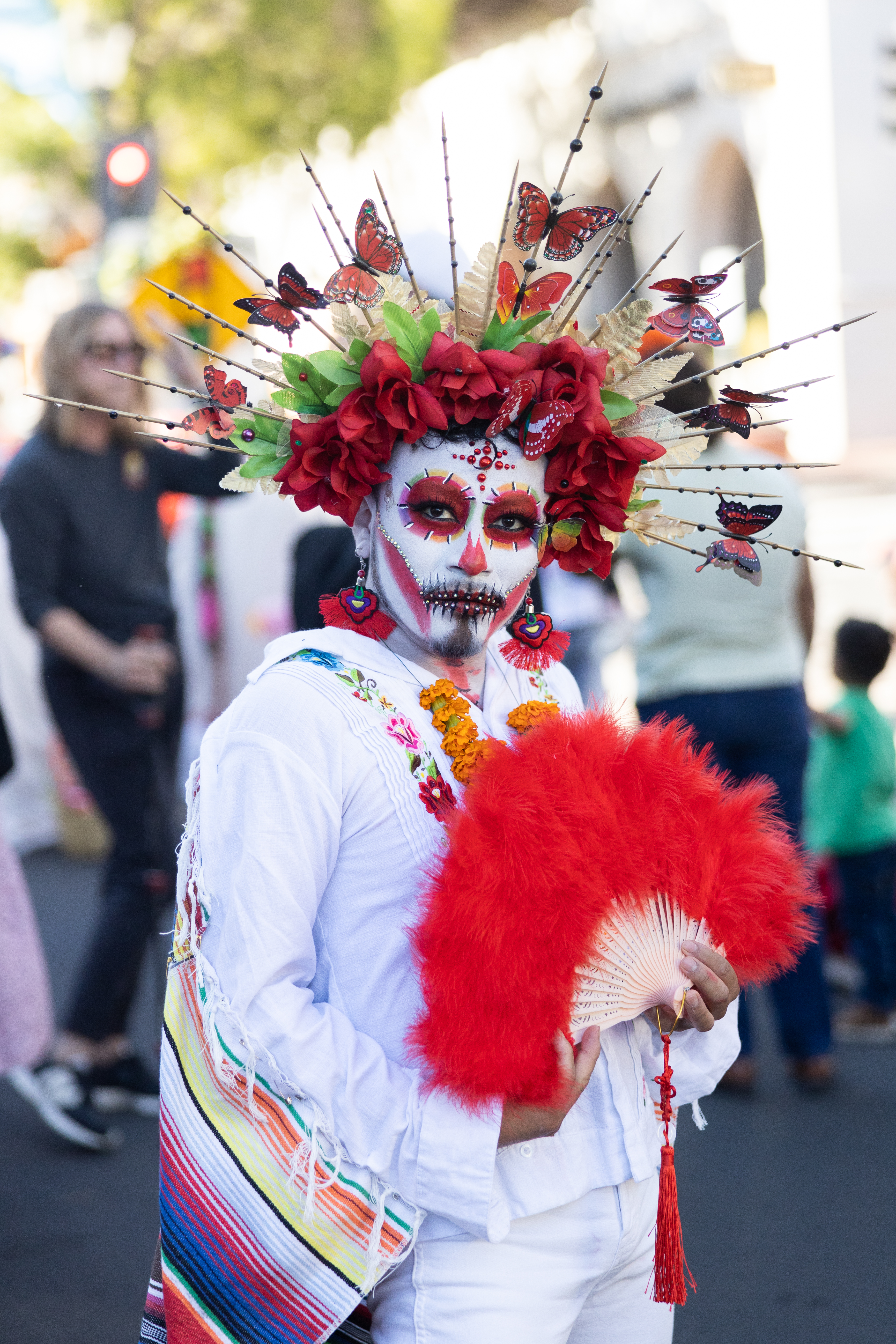
After making a celebrated impact on Santa Barbara’s Día de los Muertos calendar, the Museum of Contemporary Art Santa Barbara-sponsored “Calenda” ceremony and parade was conspicuous in its absence last year. The good news is that the event, which grew from 1,500 participants in 2023 to almost 10,000 the following year, returns to hit State Street again, on Sunday, October 25.
The warier news is that the cause of its absence last year remains a sinister force in town. The oppressive and sneak-attack tactics of ICE remain an ominous dark cloud locally, but organizers have developed a “Cultural Safety Framework” connected with the event.
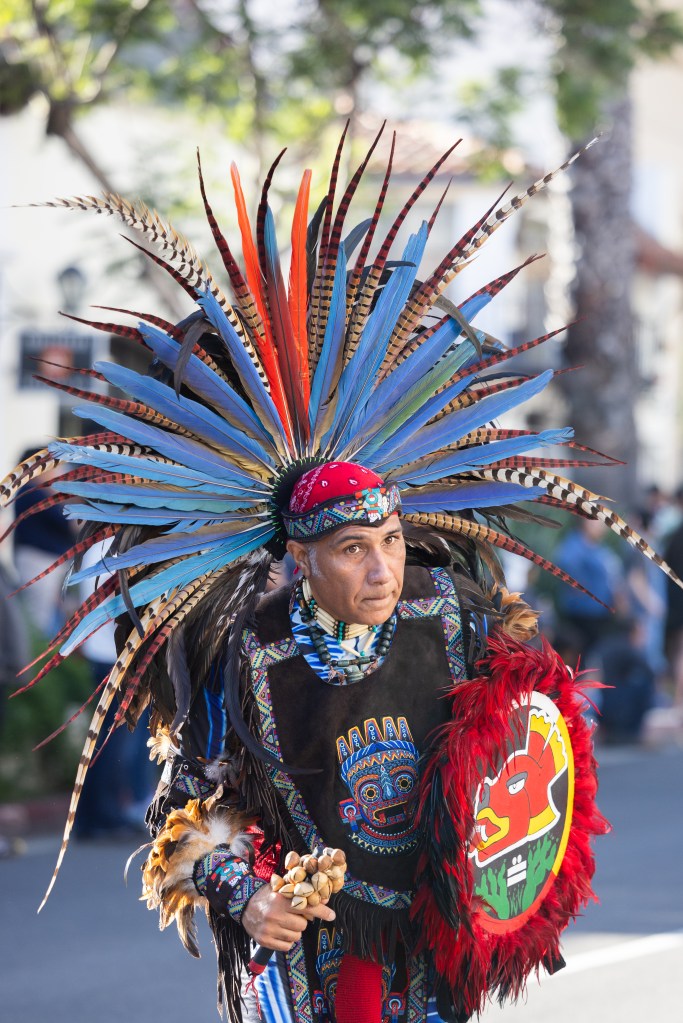
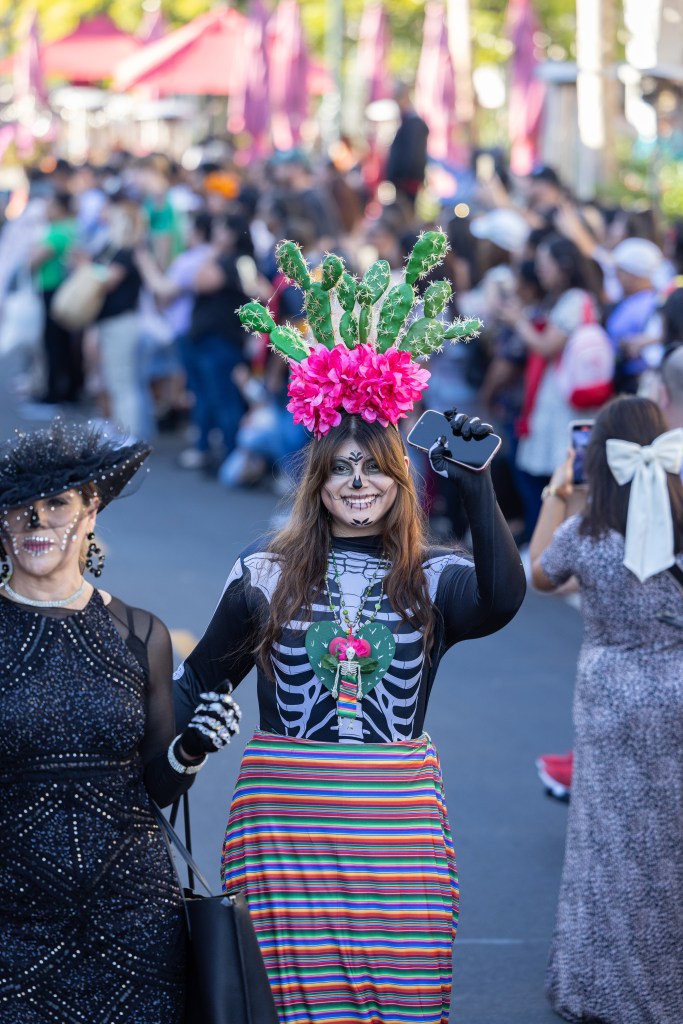
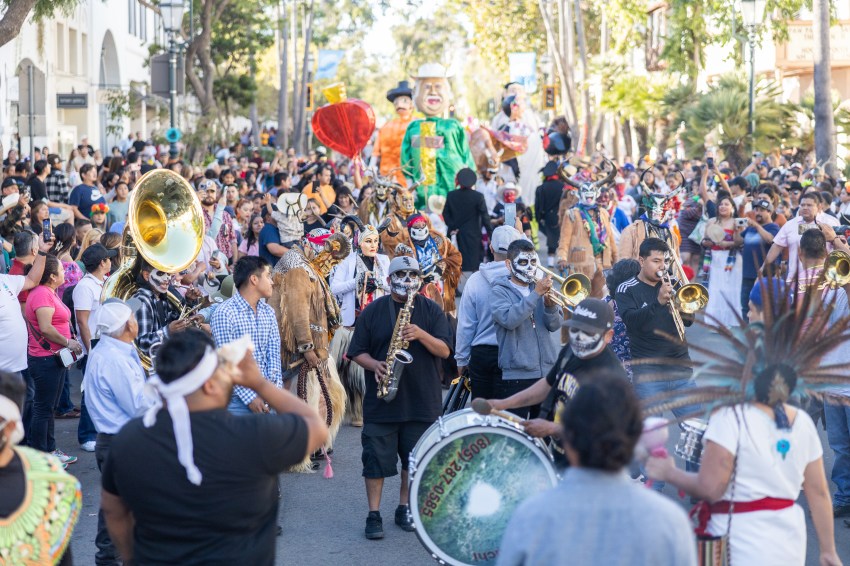
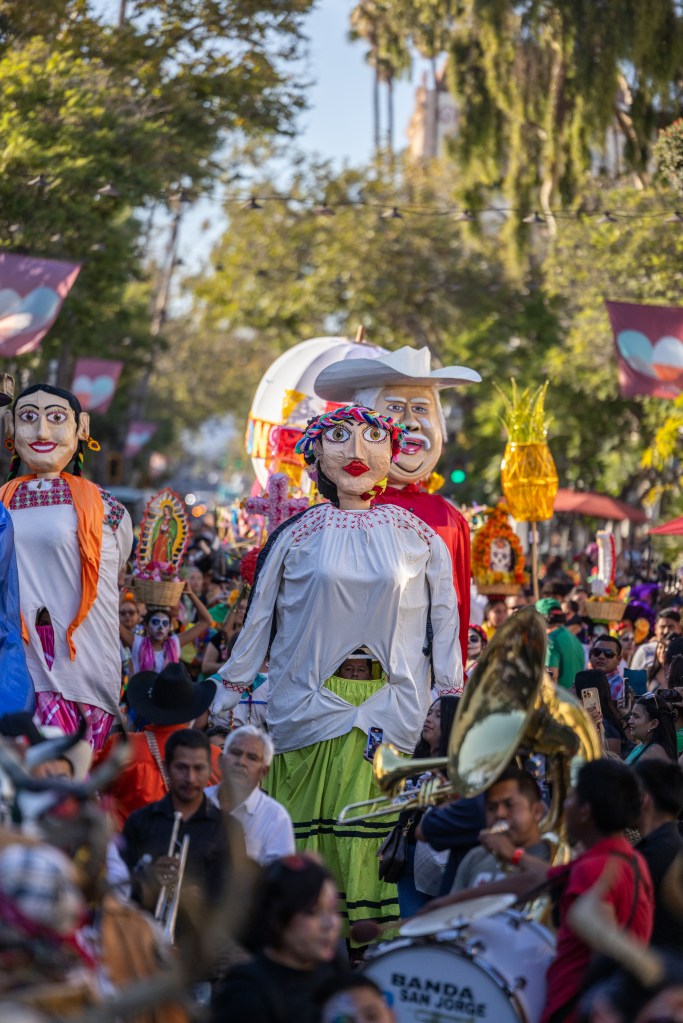
In a city where the established parade culture focuses on Old Spanish Days (aka Fiesta) and the Summer Solstice parade, the Calenda — a celebratory tradition hailing from Oaxaca — is now, according to the Museum of Contemporary Art Santa Barbara (MCASB), the city’s “largest Indigenous-immigrant-led cultural procession.” It will be a free, family-friendly event with dance, live music, altar-building, and a public procession, winding up at MCASB’s Paseo Nuevo home, and beginning at the Santa Barbara Museum of Art, which has hosted its own family-geared Día de los Muertos celebration for 37 years.
“The Calenda is not a performance — it’s a living spiritual practice that carries the prayers, stories, and resilience of our ancestors,” said Dalia Garica, executive director of MCASB and the founding organizer of the event. “Bringing it back this year, with our communities at the center of every decision, is an act of cultural survival and an act of care.”
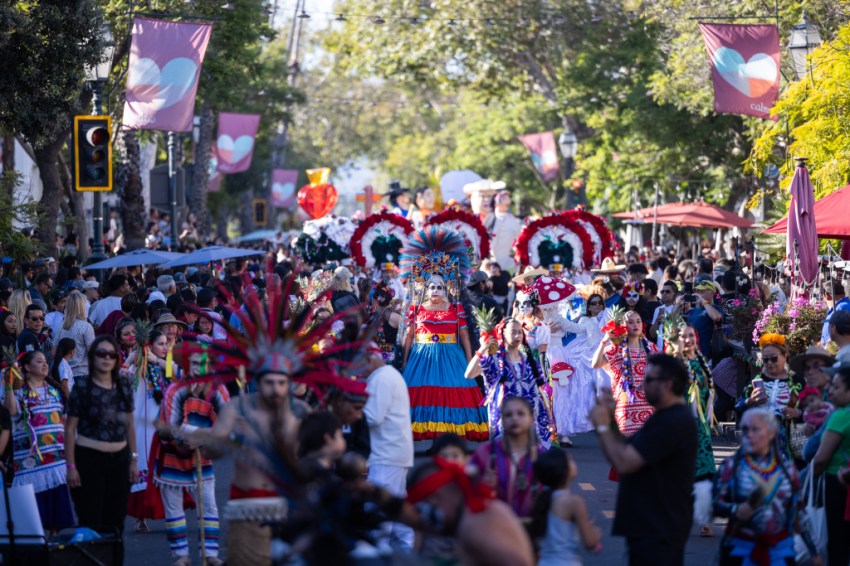
Groups represented include Zapotec, Mixtec, Triqui, and other Oaxacan and Guerrero Indigenous immigrant communities, with music and dance participants coming from Oxnard, Santa Maria, Los Angeles, and elsewhere in California. Among the well-established groups involved are Xochipilli de Santa Barbara, Diablos de la Costa Oaxaca, Danza de los Diablos Agua Azul, Danza Azteca Oxnard, and brass and percussion-powered musical parade-leading services from Banda de Viento San Jorge and Banda Iluminación.
A special point of focus this year is on Afro-Mexican culture, through the dance group MCASB is Los Diablos de la Costa, representing the Afro-Mexican and Afro-Indigenous communities of the coast of Oaxaca.
As Garcia points out, “for far too long, Black communities in Mexico have been overlooked and left unrecognized, both in Mexico and here in the U.S. Afro-Mexican families are an important part of our immigrant communities, and they deserve to be seen, celebrated, and recognized. Their dance is a living history and a profound act of memory, a reminder that Afro-Mexican roots are an essential part of Mexico’s history and identity.”
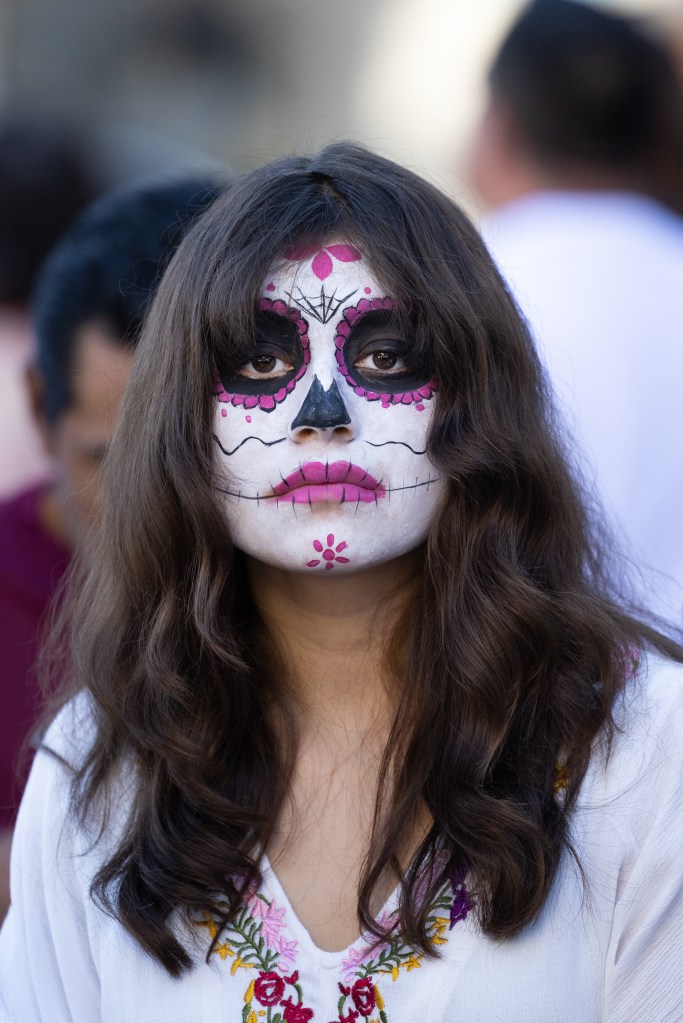
One of the many people joining in at the Dia De Los Muertos Calenda | Photo: Ingrid Bostrom 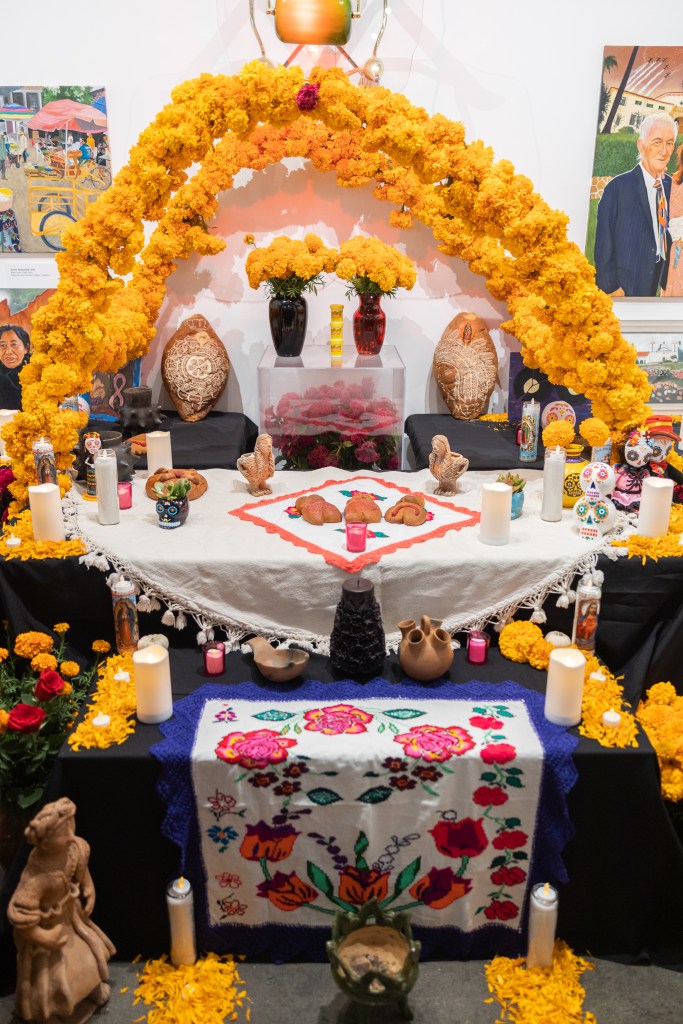
An altar at the Dia De Los Muertos Calenda | Photo: Ingrid Bostrom 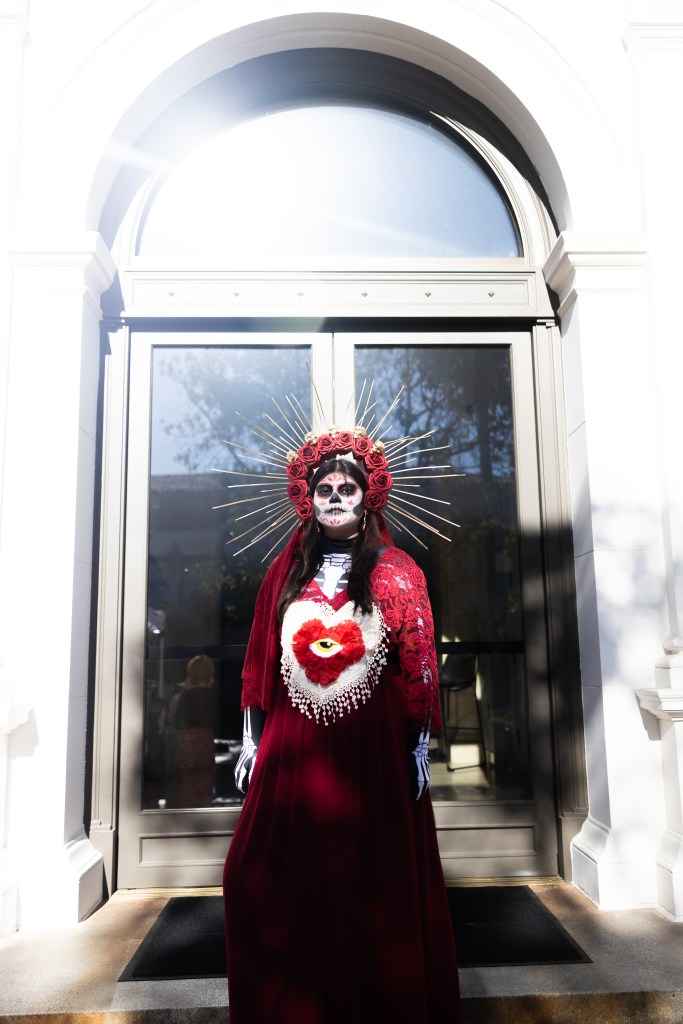
Dia De Los Muertos Calenda | Photo: Ingrid Bostrom 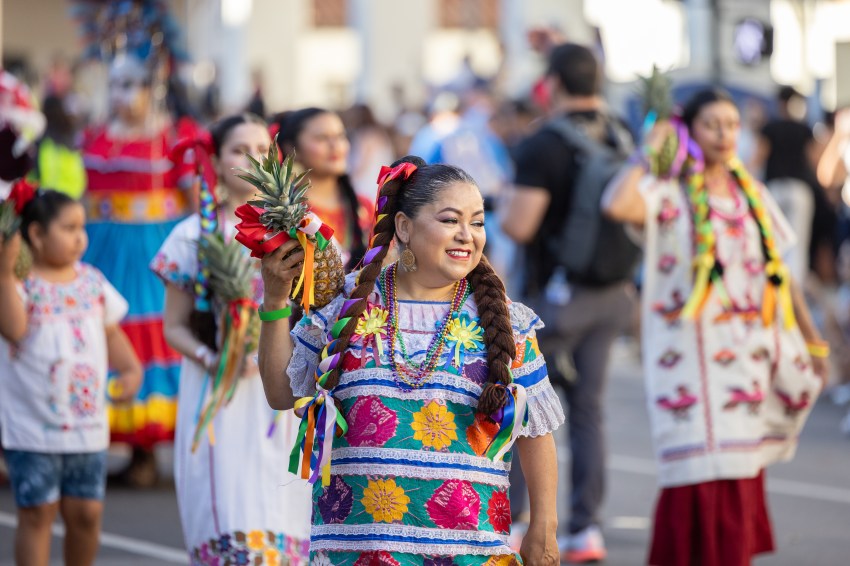
One of the many people joining in at the Dia De Los Muertos Calenda | Photo: Ingrid Bostrom 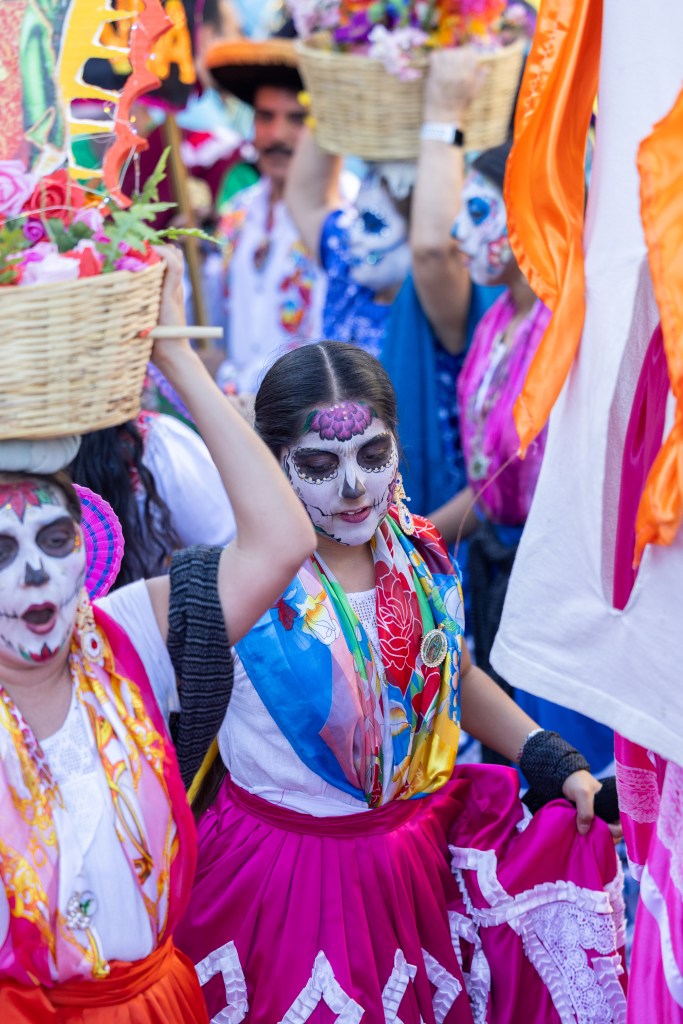
Some of the many people joining in at the Dia De Los Muertos Calenda | Photo: Ingrid Bostrom
This year’s return of the Calenda is cause for celebration and represents much more than just a holiday-timed festivity. “For Indigenous immigrant communities,” Garcia commented, “our identity is too often lost inside a broader, generalized idea of what it means to be Latino. The Calenda gives our traditions, our languages, and our people a visible, respected place in Santa Barbara’s cultural life.”
The Third Annual Día de los Muertos Calenda Santa Barbara takes place on Sunday, October 25, from 3:30-8 p.m. 1130 State St. towards De la Guerra Plaza. All are welcome to this festive, free event.



You must be logged in to post a comment.