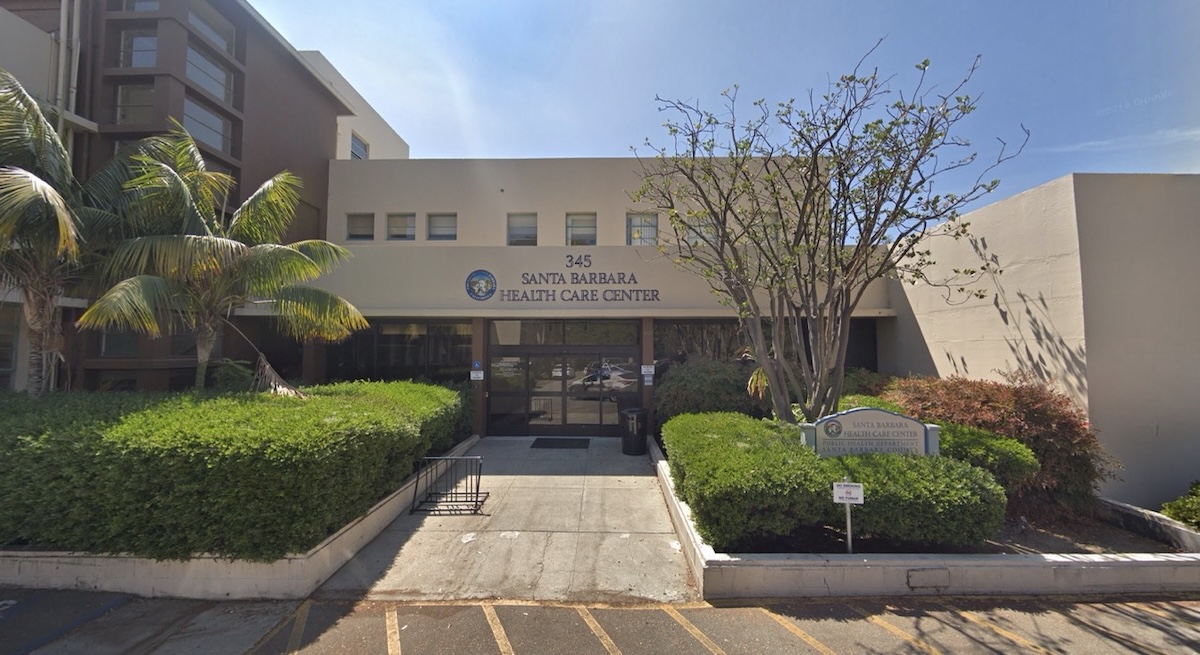
[Update: Fri., July 18, 2025, 9:30am] Due to a new federal edict designed to prevent the expenditure of federal funds on undocumented immigrants, all patients of federally funded health clinics designed to serve traditionally underserved populations will soon have to provide proof of citizenship to receive services. The question is when this new measure goes into effect. According to the orders received by Santa Barbara County health officials on July 10, the new rules were to go into effect immediately. But the same orders also provide a 30-day comment period.
Notably absent from any of the federal documentation were any formal implementation policies detailing how this massive and sweeping change would take place. Until that happens, county health officials are stressing that all services will continue to be provided as per usual. In fact, the Public Health Department issued a public statement this Thursday afternoon bearing the headline, “County Health Centers Maintain Access for All, Regardless of Citizenship Status.” Dr. Mouhanad Hammami, chief executive of the county’s Public Health Department, wrote, “Public health depends on everyone feeling safe enough to seek care. Our health centers are safe places where patient privacy and rights are protected.”
Recent reports suggested that data gleaned from federal Medicaid records may have already been shared with ICE, courtesy of DOGE. In a recent interview, Hammami confirmed that likely has happened. As a precaution, he stated, the county’s health care clinics would be offering “a range of flexible and culturally responsible options, including walk-in clinics in Santa Maria, Behavioral Health tele-health appointments, and Mixteco voiceovers for our Mixteco-speaking populations.” Other community clinics serving underserved communities are providing car shuttle services for those concerned about being detained by ICE. Hammami urged any patients with such fears to contact county health clinics. Phone appointments, he said, might be available instead. The critical thing, he stressed, is that patients continue to receive the preventive services they need.
[Original Story] Last Thursday, leaders in Santa Barbara’s sprawling network of low-income health care clinics — also known as Federally Qualified Health Centers, or “FQHCs” — were put on notice by the federal government they had to begin verifying proof of their patients’ citizenship, effective immediately. Without such verification, the feds made clear, there would be no reimbursement for any services provided. “Before, we never were allowed to ask them about anything except their insurance and income. Now, we will have to provide proof of citizenship,” explained Dr. Mouhanad Hammami, chief executive of the county’s Public Health Department, which runs seven such clinics. “It absolutely will be a burden on our patients,” he added, “but it will also be a big burden on our staff.”
Hammami said the FQHCs were created back in the 1960s as part of Lyndon Johnson’s War on Poverty. To incentivize primary-care docs to treat low-income patients, he said, the feds offered higher reimbursement rates. Citizenship or immigration status did not matter. In 1996, under the Clinton Administration, the rules changed to bar any questions regarding immigration status from being asked.
On July 10, the new directive went out. It was effective immediately but with a 30-day comment period allowed. If an estimated 18 percent of the county’s population is undocumented, Hammami reckoned, 240,000 residents are enrolled in Medi-Cal, then about 55,000 patients could find themselves unable to receive help. He said he and other FQHC administrators are now scrambling to come up with a Plan B. Without such coverage, he said, many patients will forgo the luxury of preventive care, but will still wind up in the county’s emergency rooms. Kids won’t get vaccinated; older people will not get flu shots; herd immunity will become compromised. Hammami suggested that maybe clinics that receive no federal funding might be able to fill some of the breach. “We are looking for some alternatives,” he said. “So far, there’s no clear path.”