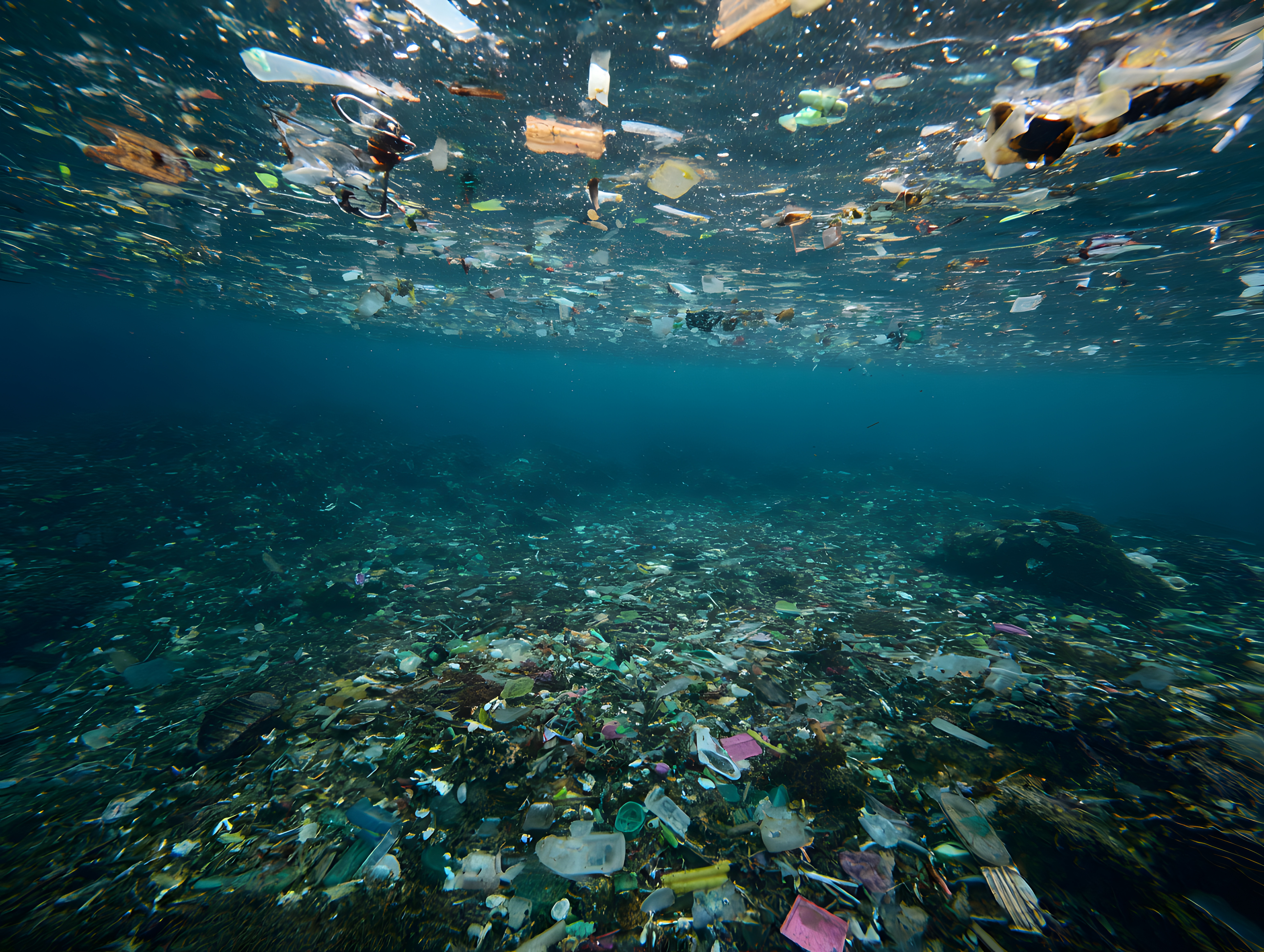
Most ocean cleanup assumes that marine trash is on or just below the ocean’s surface. The reality is that most of this litter doesn’t float — it sinks to the seabed where it remains to contaminate the environment. Metals, plastics, fishing nets, tires, and bottles all make their way to the ocean floor. The few efforts to remove this rubbish have required divers and cranes; they have been slow, costly, and physically demanding.
Once on the seabed, plastic doesn’t stay intact; it breaks down progressively into smaller fragments, eventually becoming microplastics that damage food chains and water supplies.
The Delft University of Technology in the Netherlands is cutting edge on understanding the impacts of seabed debris and developing cost-effective and scalable strategies to address this ubiquitous problem. A company based on this research, SeaClear, is operating under the European Union’s Mission: Restore Our Ocean and Waters, with targets to cut marine litter in half by 2030.
SeaClear’s system uses unmanned surface vessels with aerial drones to survey the ocean floor and log the location of debris before anything goes down to retrieve it. Then a variety of robots descend to grab the debris or vacuum it up. The robots can distinguish litter from rocks, plants, fish, corals, and other marine life. A crane-mounted smart gripper on a barge handles heavier and larger objects.
The key to SeaClear’s approach is the integration of AI software and robotics. The process combines multiple layers of computer vision, machine learning, and real-time decision making. Deep learning detection algorithms use annotated datasets containing images of marine species and various types of debris under different underwater conditions. The system uses shapes, colors, and movement patterns. Instant segmentation ensures that robots grasp or vacuum up only litter, thus preserving delicate fauna. Collection halts automatically if marine life is detected within the robot’s operation zone.
AI compensates for depth, turbidity, and lighting, but low-light environments, sediment plumes, and overlapping objects complicate distinction. This technology still needs refining but currently is at 90-94 percent accurate. Autonomous barges are being tested to function as floating depots, collecting the robotic-gathered waste and hauling it back to shore only when fully loaded, thereby reducing individual round trips.
Abandoned, lost, or discarded fishing nets and gear pose one of the most persistent threats to marine ecosystems. The symbiosis between AI and robotics is proving effective in handling this tenacious problem.
There is optimism that the same AI detection system can work for locating unexploded mines left on the seabed from current and earlier wars.
Another arena of our society’s waste, ecological harm, and pollution appears on the verge of solution, if seabed mining is prevented or at least controlled by international treaties.