
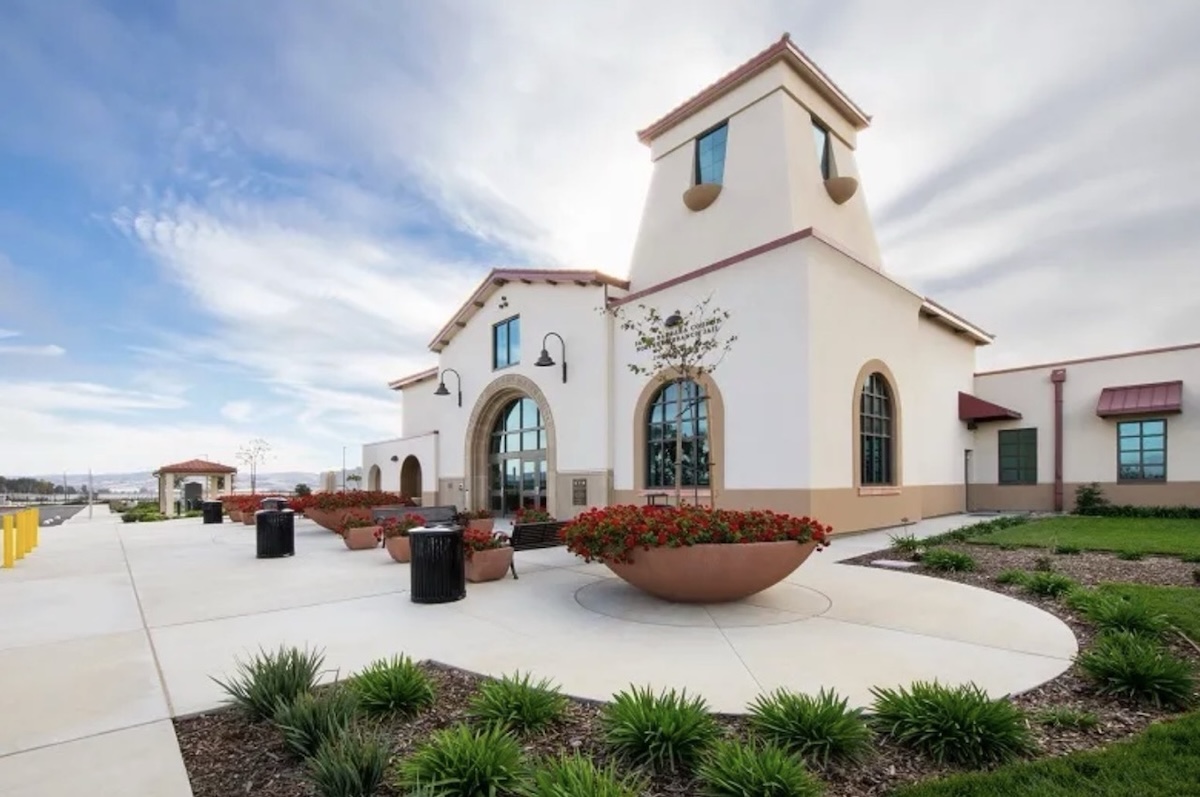
With what could have been no discussion or comment, the Santa Barbara County supervisors unanimously approved a contract with a Montana construction operator, Sletten Construction Company, to both design and construct a new 348-bed addition to the Northern Branch Jail that will cost an estimated $167 million.
Sletten was one of two companies to submit what are known as “design and build” construction contracts. The other company to submit a bid will be paid $100,000 for its efforts.
Jails are among the most expensive buildings for county governments to construct and come with some of the most exacting functional requirements. They are also among the most politically fraught, particularly when so many of the supervisors are intent on keeping jail populations to a minimum. At issue is the inordinate financial burden it costs to build, staff, and operate jails. Social justice concerns weigh heavily in the debate as well.
When the new cluster of additional beds come online, the North County jail capacity will be 724. Right now, South County’s Main Jail — acknowledged by all parties to be an outmoded, dilapidated, dysfunctional Franken-jail — is permitted to hold 891.
In recent months, the South County jail population has dropped markedly. A month ago, the jail housed 741 inmates. This week, it was down to 663. According to activists pushing for greater diversion efforts for those with serious mental illnesses and substance abuse issues, that number might have dipped as low as 647, almost on par with the numbers incarcerated during the COVID pandemic.
While some of the supervisors — Joan Hartmann and Laura Capps, in particular — had fought earlier in the year for a smaller expansion of the North County jail — pushing for 256 new beds instead of 348 — they lost that fight against the insistence of Sheriff Bill Brown and even the county’s own financial and engineering advisors. On Tuesday, Hartmann and Capps again were pushing to ensure the contractor and the contract were both flexible enough to alter the contract design should the trend of lower inmate populations continue.
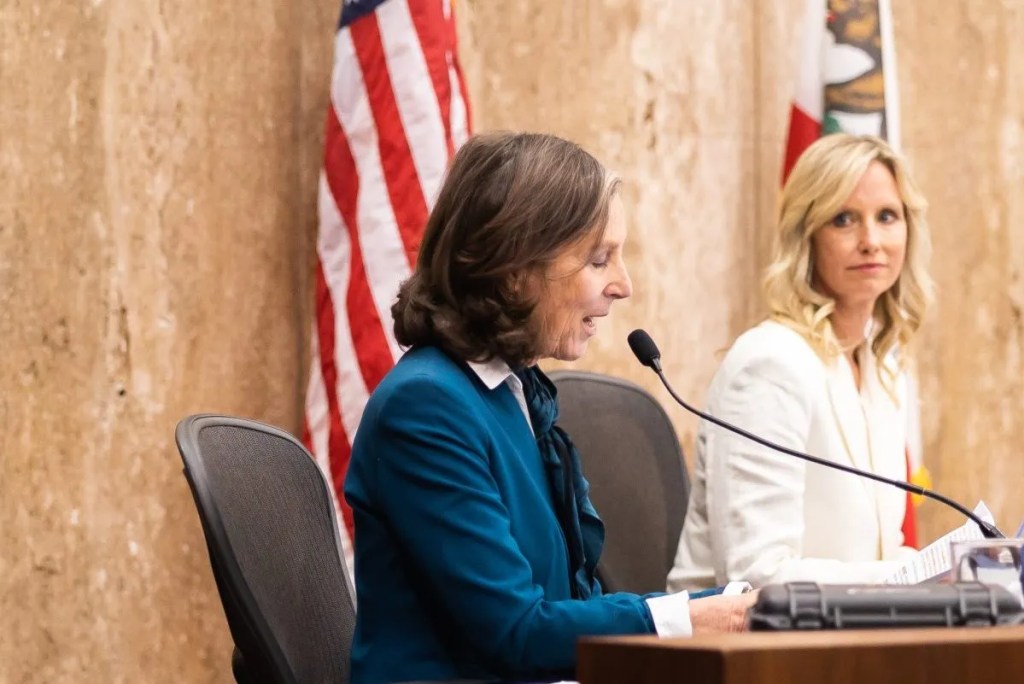
Mostly, they wanted assurances that space would be provided in the new jail pods where inmates can meet with their attorneys. This lack of meeting space has been identified by the Public Defender’s office as a key logjam causing inmates to remain behind bars awaiting trial for longer than they could.
According to a pilot program launched by the Public Defender, the jail can shave the number of jail days by 28 percent if inmates can be seen sooner by their attorneys. Quicker access, the study contended, speeds up the discovery process, meaning cases go to trial sooner. The Public Defender’s office has been arguing for more money to hire more attorneys.
Mental-health advocates have been reminding the supervisors that 11 percent of the population in county jail at any given time report having serious mental illnesses. Whatever gets built, they argue, needs to accommodate the needs of those with substance abuse or mental health issues.
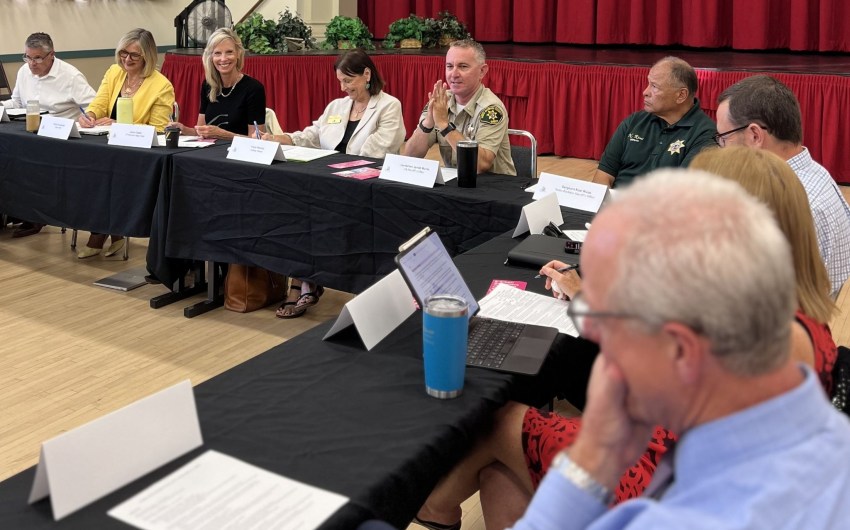
Hartmann and Capps really stressed the need for design flexibility and wanted to know how — other than bland assurances — such oversight and review would be baked into the contract review process. They were told that the new jail construction governance committee would be holding its kick-off meeting sometime later this week, that there would be a public outreach meeting at some point later this summer, and that Tanja Heitman, a key player with the County Executive’s Office, would be on the governance committee.
Heitman, the former head of the county’s Probation Department, enjoys maximum respect and trust with mental health and diversion advocates. But Heitman has retired and is expected to step down for real in six months. Likewise County Executive Officer Mona Miyasato — who has proved to be a dogged force for criminal justice reform — has also announced her retirement after 12 years at the helm and is stepping down later this summer.








You must be logged in to post a comment.