


Warning: The following review may contain a deficit of objectivity. Some artists are so beloved by a listener or critic that unconditional love may blur the usual process of a clear and balanced view of an event. Fanzine-esque expressions of love may result.
And so it goes with Earth Wind & Fire (EWF), certainly on this music addict’s top 10 list of bands, R&B-wise or otherwise. Revisiting the EWF songbook, after several years away from it, is like running into an old friend, one who is incurably upbeat and soulful in the best ways, but also abidingly deep and smart. At the Bowl, though stoking the fires beneath mostly 50-year-old songs, they stood the test of time, once again.
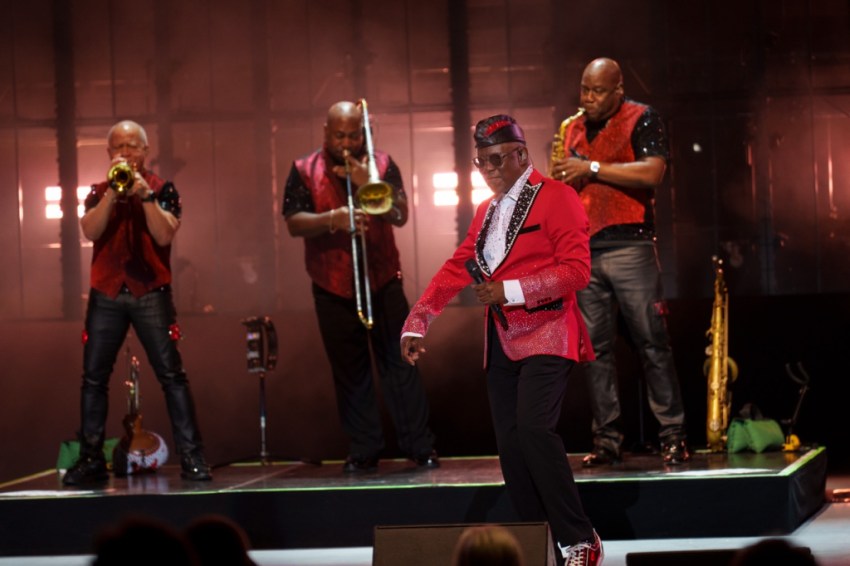
The Chicago-born band, formed in 1969 and with the main thrust of its musical mission landing in the ‘70s, was one of the key groups making R&B — and pop radio — safe for jazz chordal and horn charting elements, lyrical vision beyond the usual romantic cliches, and an affirmative, vaguely spiritual essence. A certain duality is operative in the EWF m.o.: A funk pulse energizes the bones of this music and in the receiving bodies of listeners, but musical intelligence breathes in the margins.
Leader and signature singer Maurice White passed away in 2016, from the effects of Parkinson Disease, and the authenticity of his commanding voice is a sound in absentia in the EWF of today. His vintage image frequently showed up onscreen, logically enough, as the founding and spiritual epicenter of the band. But the songbook of hits and deep cuts retains its power — maybe even becoming more precious by contrast with the lack of contemporary music rising to its level.
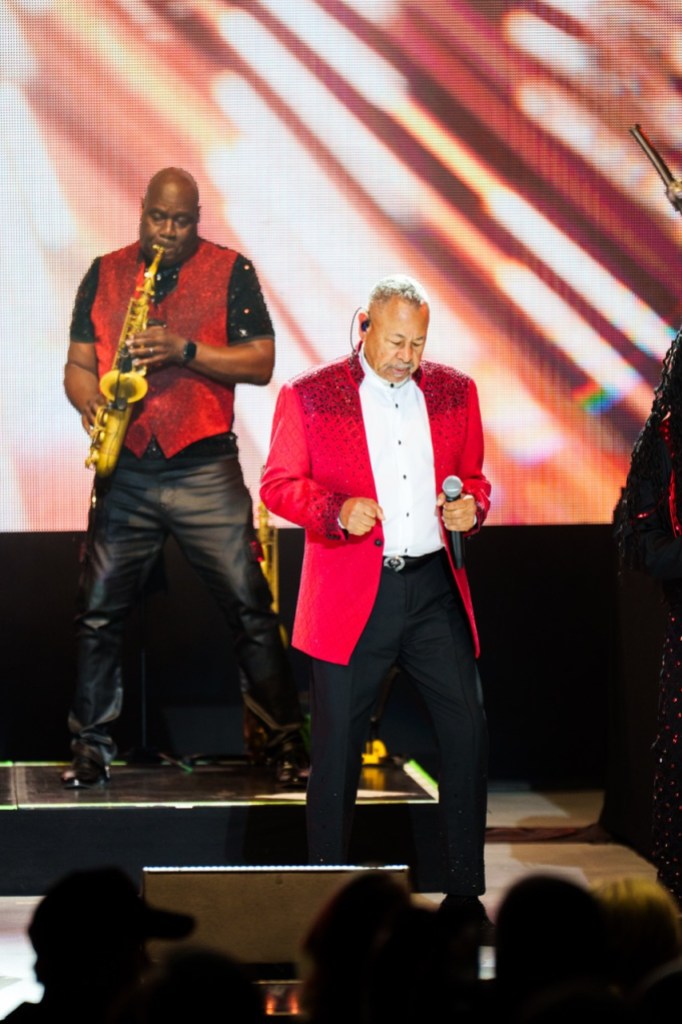
And then there were three: charter member bassist Verdine White (Maurice’s brother), Philip Bailey, and Ralph Johnson, both of whom joined the band in 1972. The band was tighter and the overall energy level felt stronger this time around, compared to the EWF show at the Arlington Theatre back in 2018, even if Bailey had some rough moments and didn’t always nail the high notes (noticeable on his stratospheric signature song “Reasons”). But the current line-up is a potent and high energy aggregation, handling the sometimes intricate and syncopated songbook with seeming ease. A sumptuous and soulful mesh of voices was in the house, high enough that the lack of female vocalists wasn’t missed — at least in terms of range.
They hit all the high points, hit-wise, and then some, starting strategically with “Shining Star,” a major hit that keeps on giving a half century later, and which projects the generally positivity-geared message of their music: “You’re a shining star, no matter who you are/shining bright to see, what you can truly be.”
Other standout tunes speckled the set list, from the “Serpentine Fire” to the spiritual cheerleading “Sing a Song,” and their sharp, funk-ifying version of the Beatles’ “Got To Get You into My Life,” with its zigzagging cascade of a horn line hook.
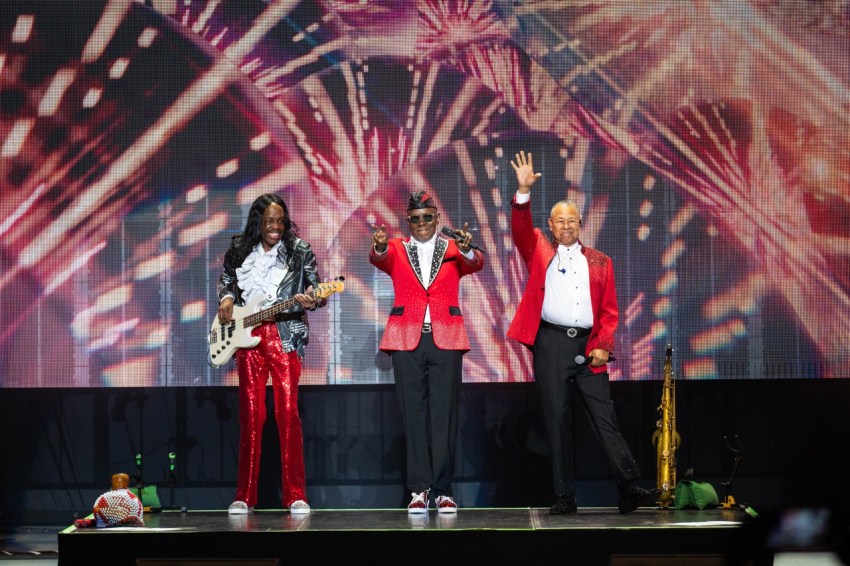
Earth, Wind & Fire, Santa Barbara Bowl, September 18, 2026 | Photo: Carl Perry 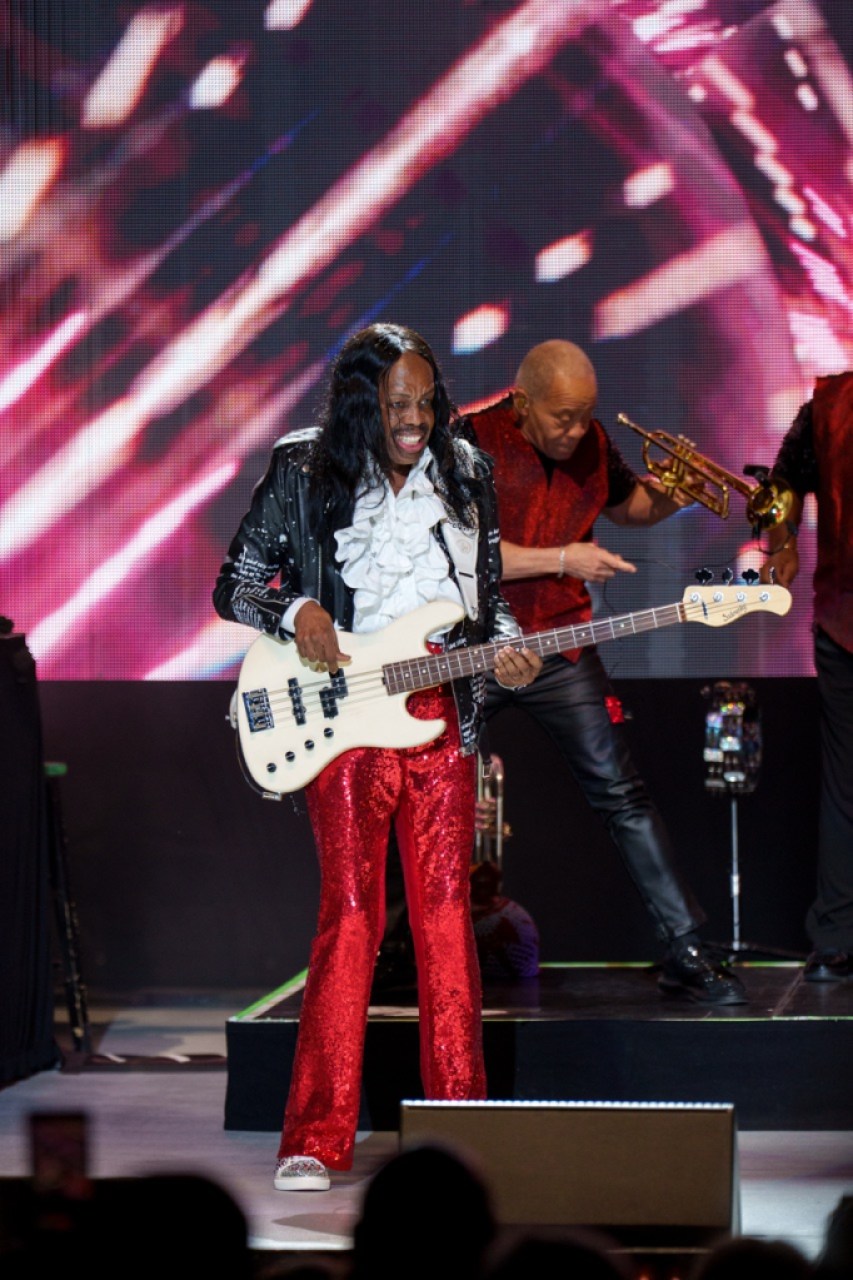
Earth, Wind & Fire, Santa Barbara Bowl, September 18, 2026 | Photo: Carl Perry 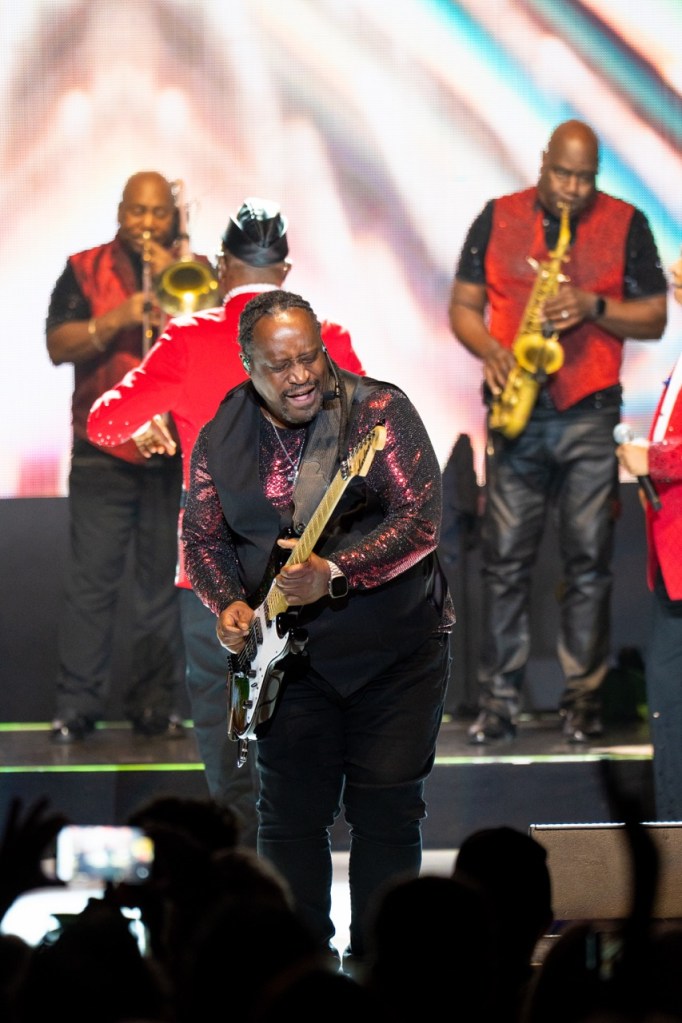
Earth, Wind & Fire, Santa Barbara Bowl, September 18, 2026 | Photo: Carl Perry 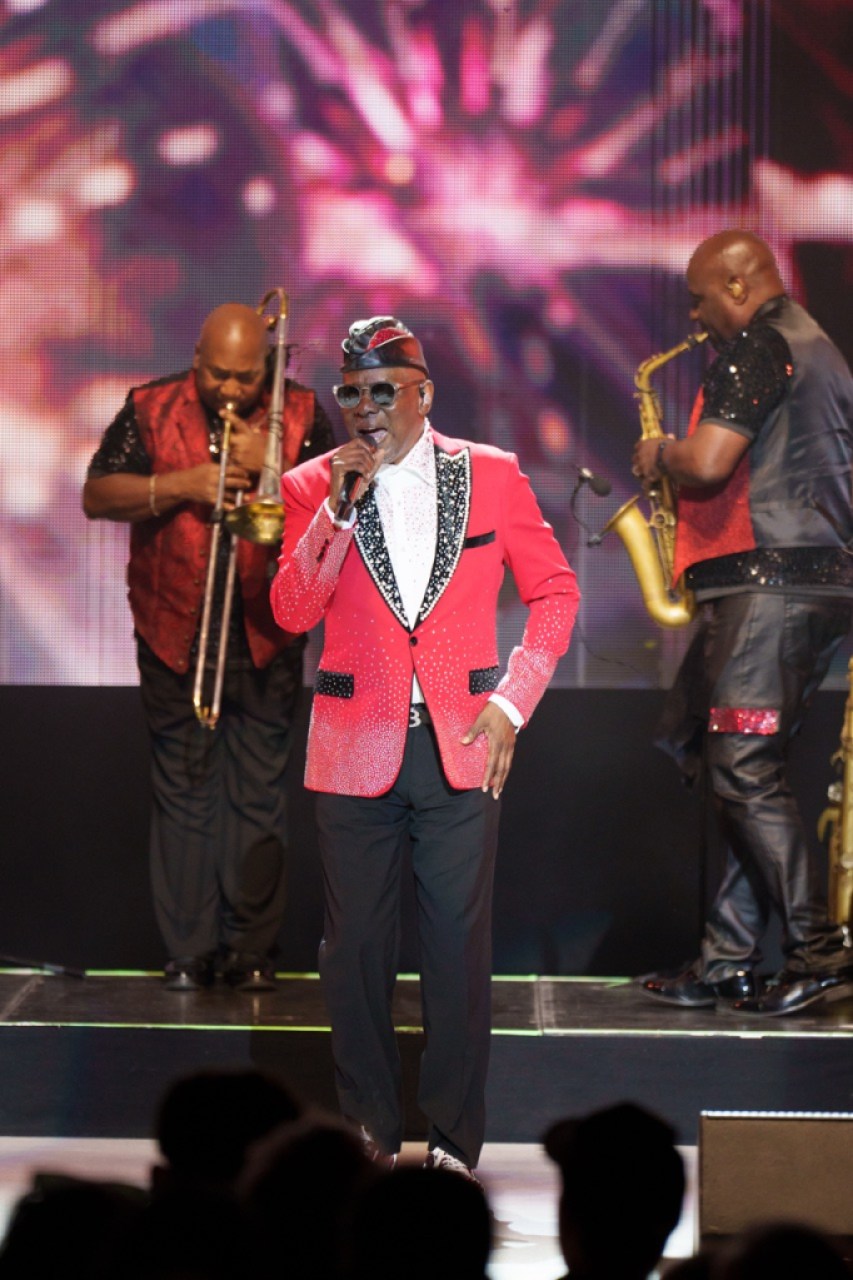
Earth, Wind & Fire, Santa Barbara Bowl, September 18, 2026 | Photo: Carl Perry 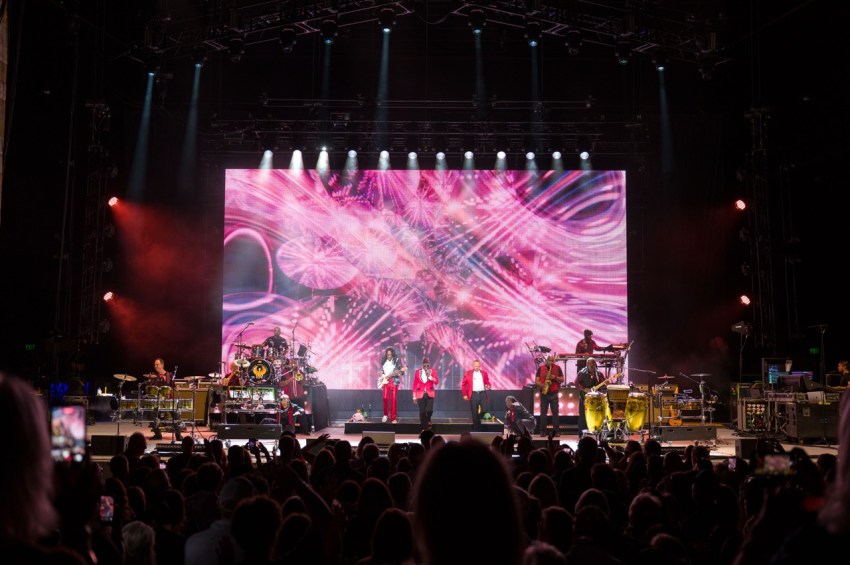
Earth, Wind & Fire, Santa Barbara Bowl, September 18, 2026 | Photo: Carl Perry 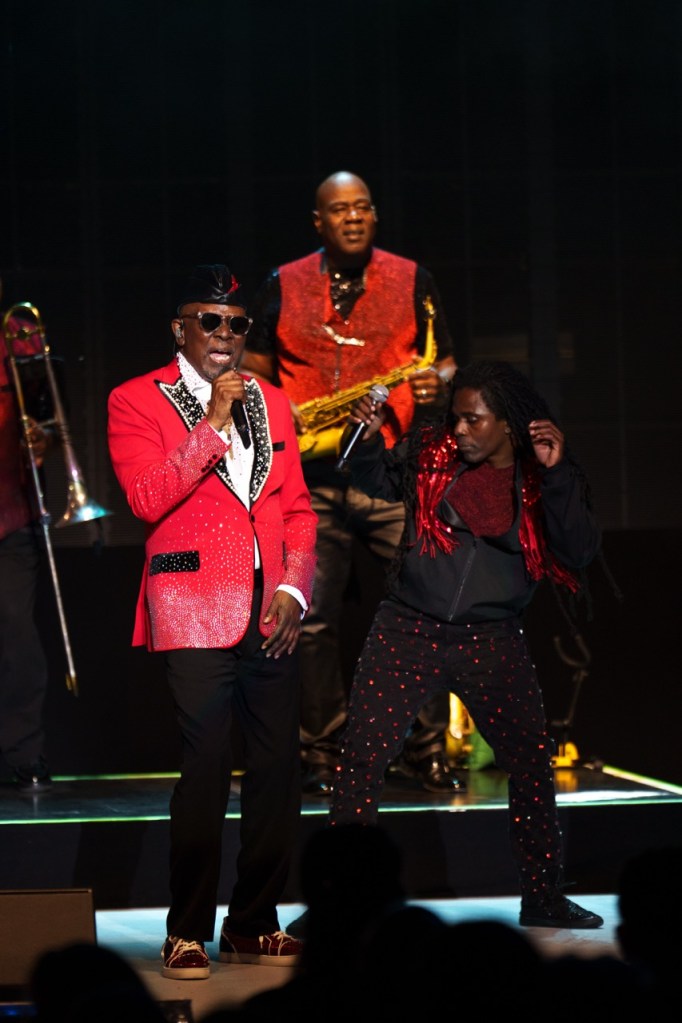
Earth, Wind & Fire, Santa Barbara Bowl, September 18, 2026 | Photo: Carl Perry 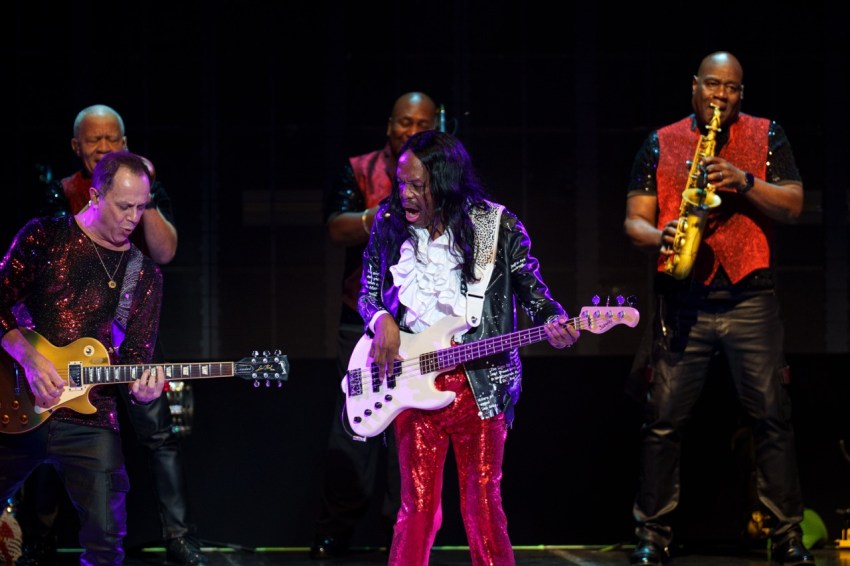
Earth, Wind & Fire, Santa Barbara Bowl, September 18, 2026 | Photo: Carl Perry 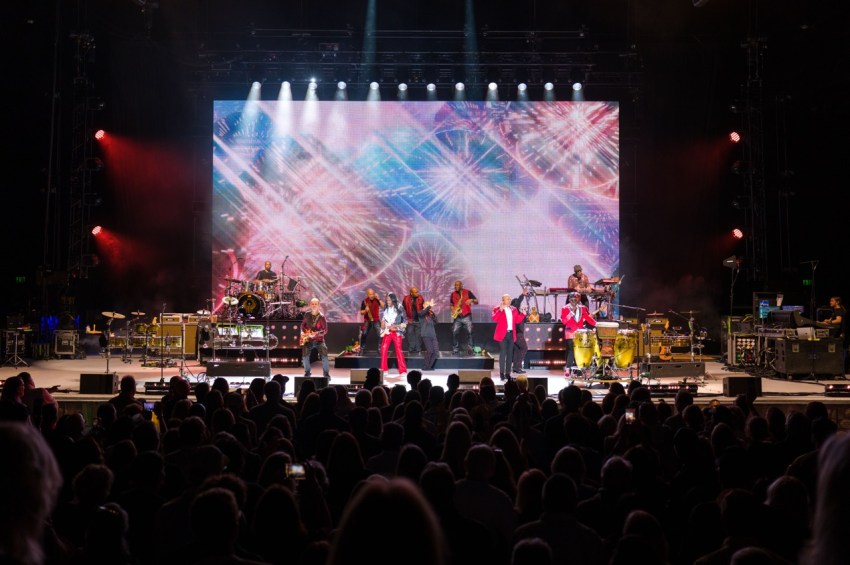
Earth, Wind & Fire, Santa Barbara Bowl, September 18, 2026 | Photo: Carl Perry 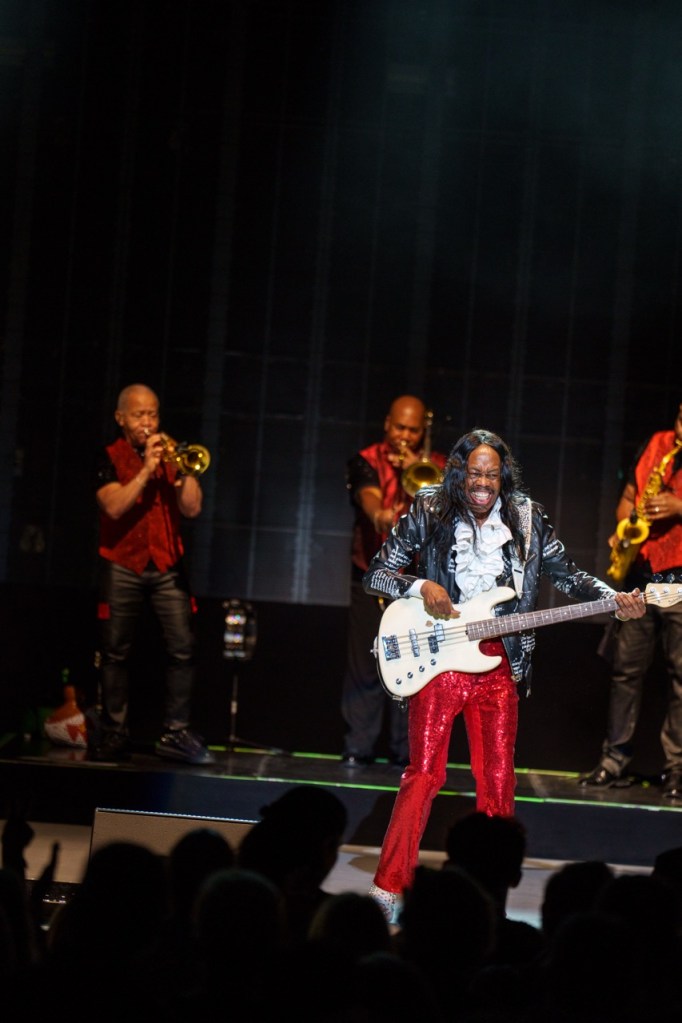
Earth, Wind & Fire, Santa Barbara Bowl, September 18, 2026 | Photo: Carl Perry 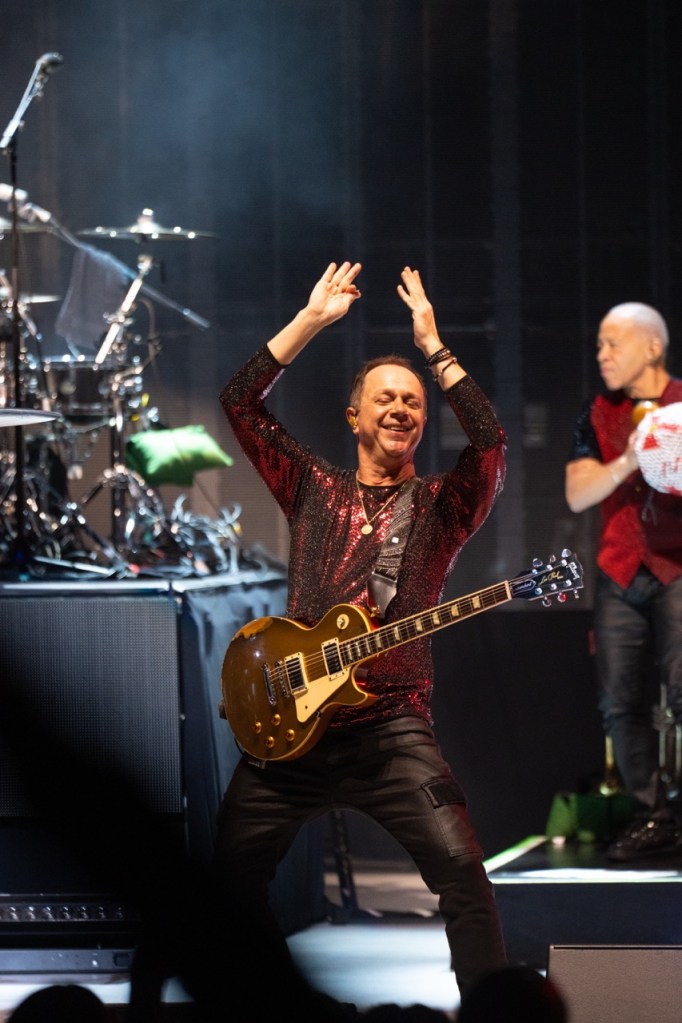
Earth, Wind & Fire, Santa Barbara Bowl, September 18, 2026 | Photo: Carl Perry 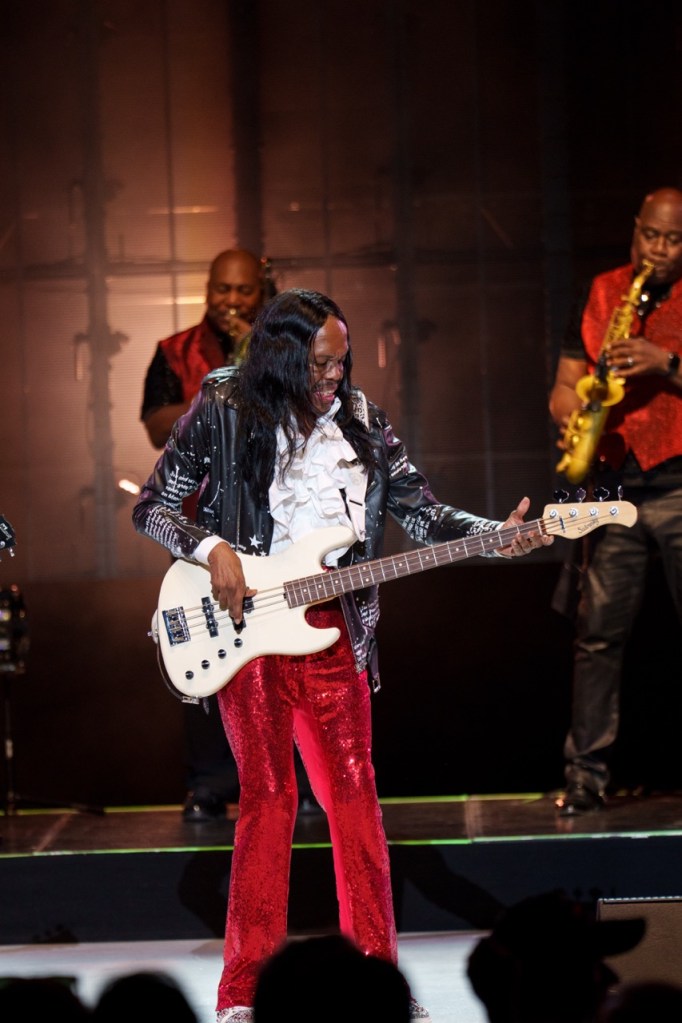
Earth, Wind & Fire, Santa Barbara Bowl, September 18, 2026 | Photo: Carl Perry 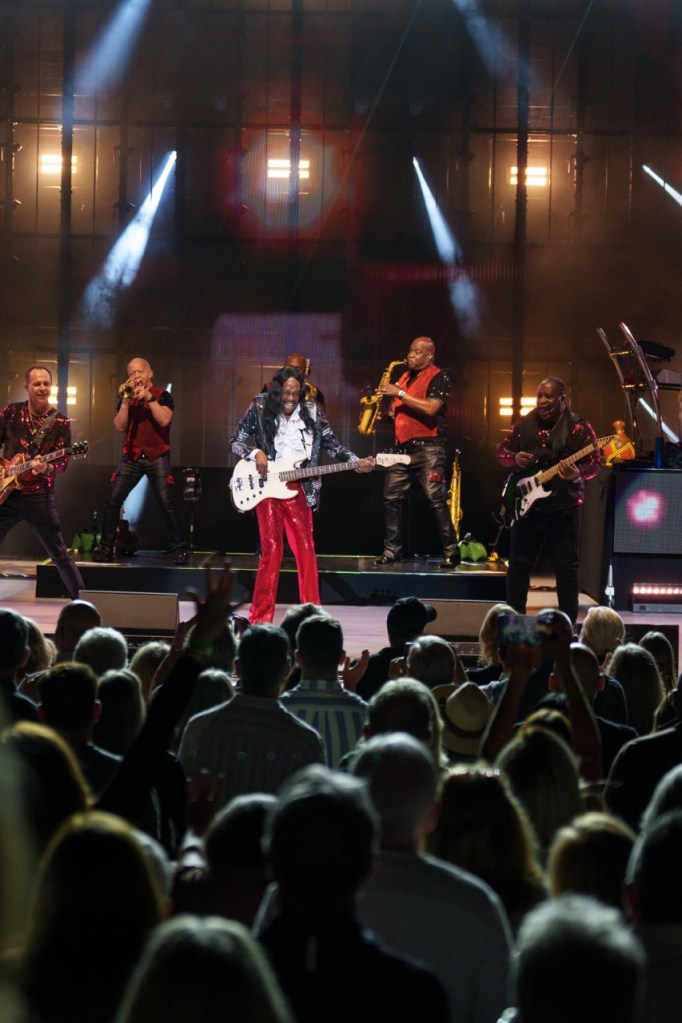
Earth, Wind & Fire, Santa Barbara Bowl, September 18, 2026 | Photo: Carl Perry 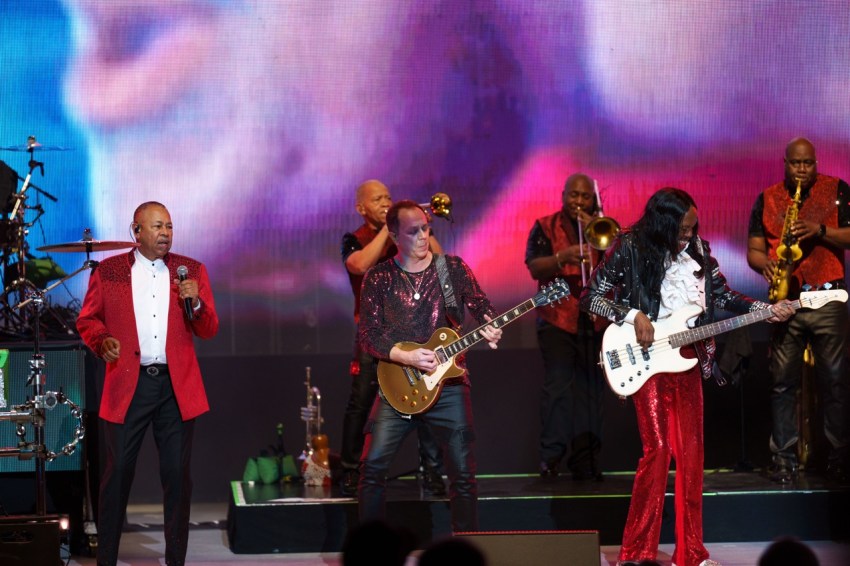
Earth, Wind & Fire, Santa Barbara Bowl, September 18, 2026 | Photo: Carl Perry 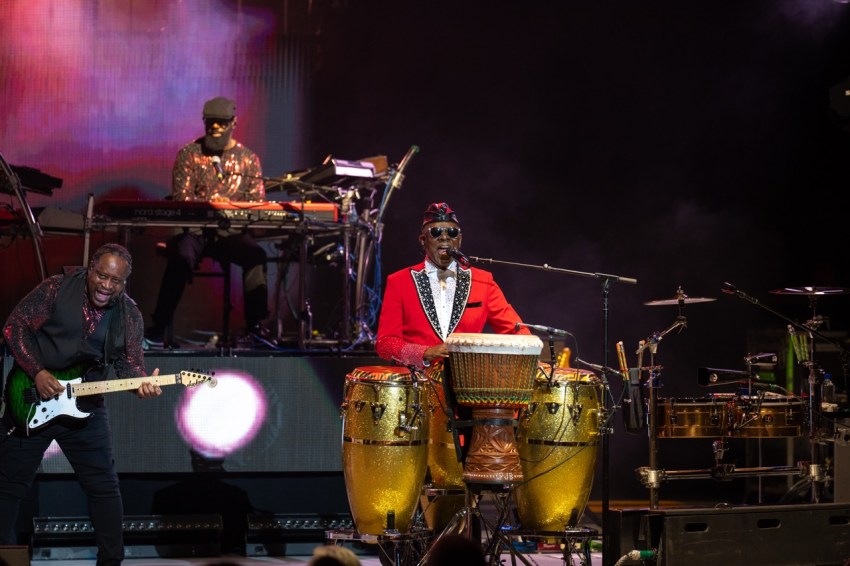
Earth, Wind & Fire, Santa Barbara Bowl, September 18, 2026 | Photo: Carl Perry 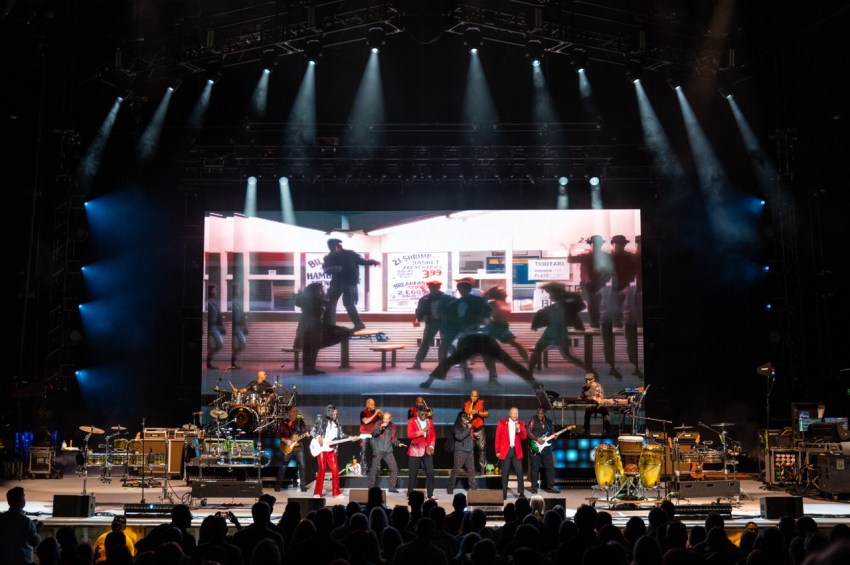
Earth, Wind & Fire, Santa Barbara Bowl, September 18, 2026 | Photo: Carl Perry 
Earth, Wind & Fire, Santa Barbara Bowl, September 18, 2026 | Photo: Carl Perry 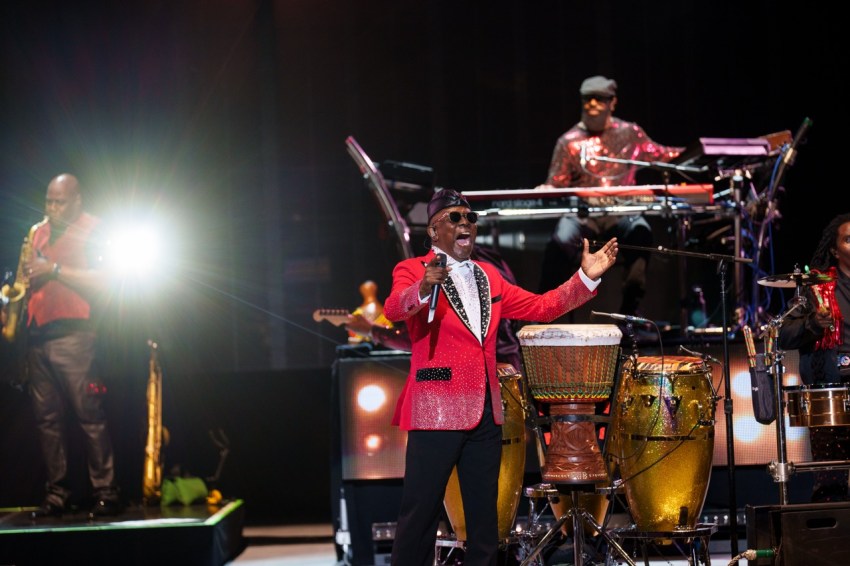
Earth, Wind & Fire, Santa Barbara Bowl, September 18, 2026 | Photo: Carl Perry 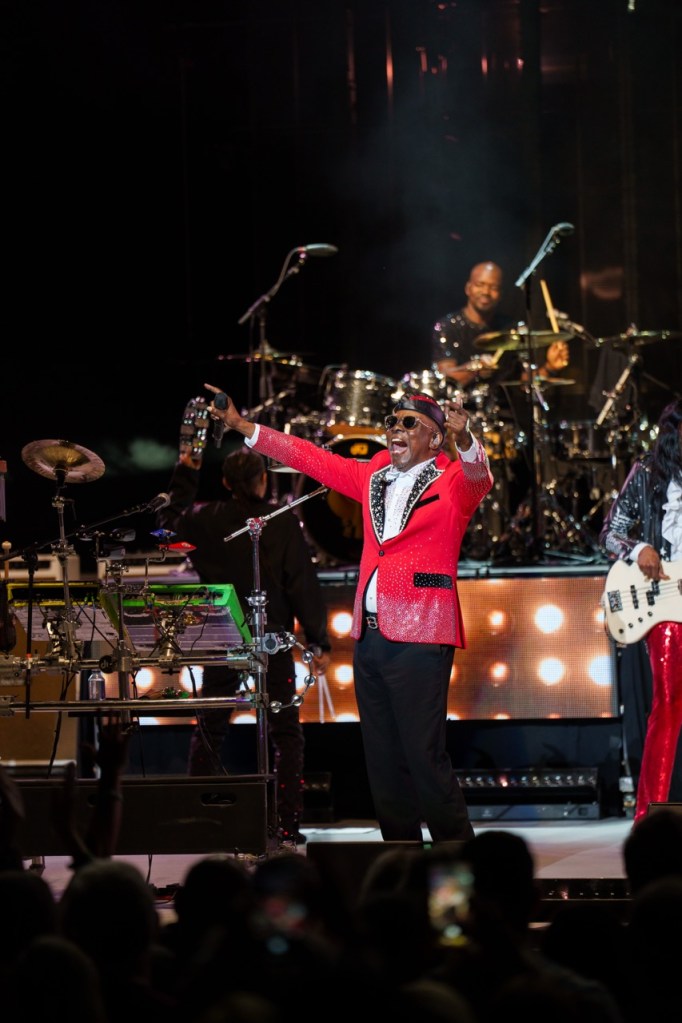
Earth, Wind & Fire, Santa Barbara Bowl, September 18, 2026 | Photo: Carl Perry 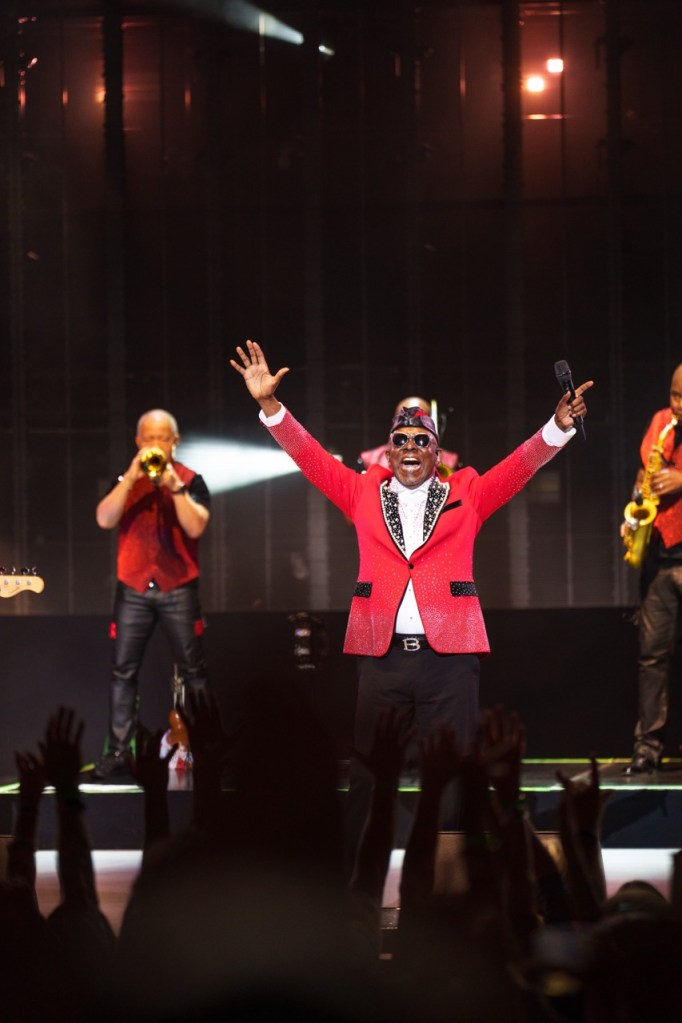
Philip Bailey, Earth, Wind & Fire, Santa Barbara Bowl, September 18, 2026 | Photo: Carl Perry 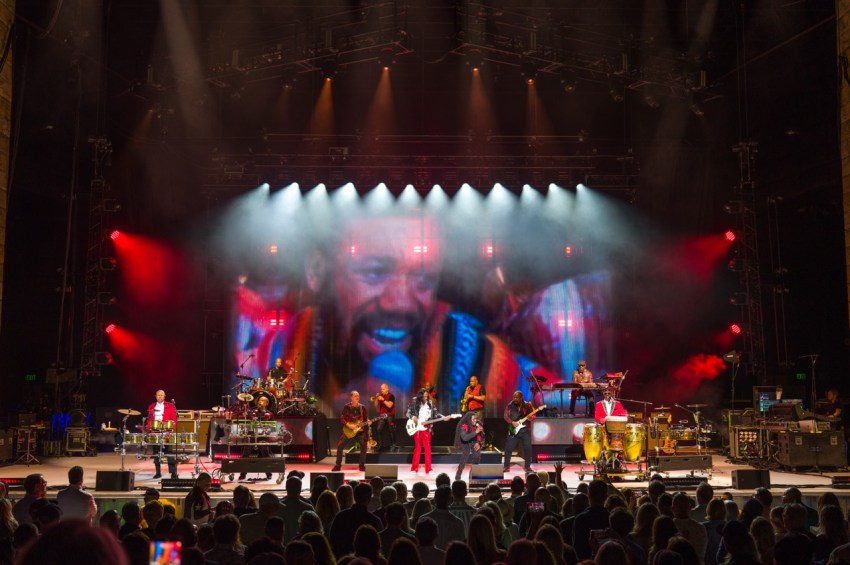
Earth, Wind & Fire, Santa Barbara Bowl, September 18, 2026 | Photo: Carl Perry 
Earth, Wind & Fire, Santa Barbara Bowl, September 18, 2026 | Photo: Carl Perry 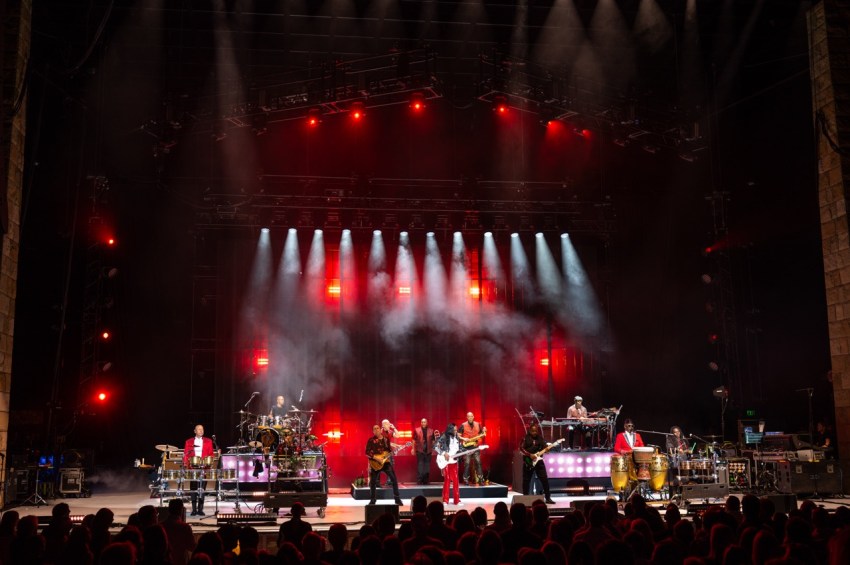
Earth, Wind & Fire, Santa Barbara Bowl, September 18, 2026 | Photo: Carl Perry
Ballad-wise, the band rose to great heights with the masterpiece “After the Love is Gone,” co-written by Bill Champlin, David Foster, and Jay Graydon, and one of the greatest ballads ever to grace the upper reaches of the charts. Among other features, the song is an elegant exercise in modulation, shifting into different keys, especially in its climactic coda section.
Just as the band juiced up and smartened up existing R&B paradigms, when they steered into the market sweep/scourge of disco in the late ‘70s — whether by self-determination or record company demand — they injected new integrity into disco manners. Late in the Bowl show, after the band issued one its prime anthems “Fantasy,” from the masterpiece album All ‘n All, demonstrated its thinking person’s disco maneuvers. Along came the party-timing threesome of “Boogie Wonderland,” “Let’s Groove,” and that glorious dance floor anthem “September,” which never fails to put a spring into one’s soul and step.
Encore time brought the band back from disco back to earth, or rather, its proper cosmic character, with “In the Stone.” The song, blessed with vitalizing syncopations in its groove (without disrupting said groove factor) is one of theirs has an epic feel, larger than the life and duration of the actual song. EWF music expands on impact. That lesson was relearned at the Bowl.




You must be logged in to post a comment.