
The City of Santa Barbara just opened new pathways for visitors to explore the secrets of Franceschi Park, a spot on the Riviera known for its unbeatable views of the coastline.
On Tuesday, Monique O’Conner, open space planner for the Parks & Recreation Department, walked the Independent through the 17-acre property, where crews have created more than 1,500 feet of new trails to connect lesser-known parts of the park with the existing trail system.
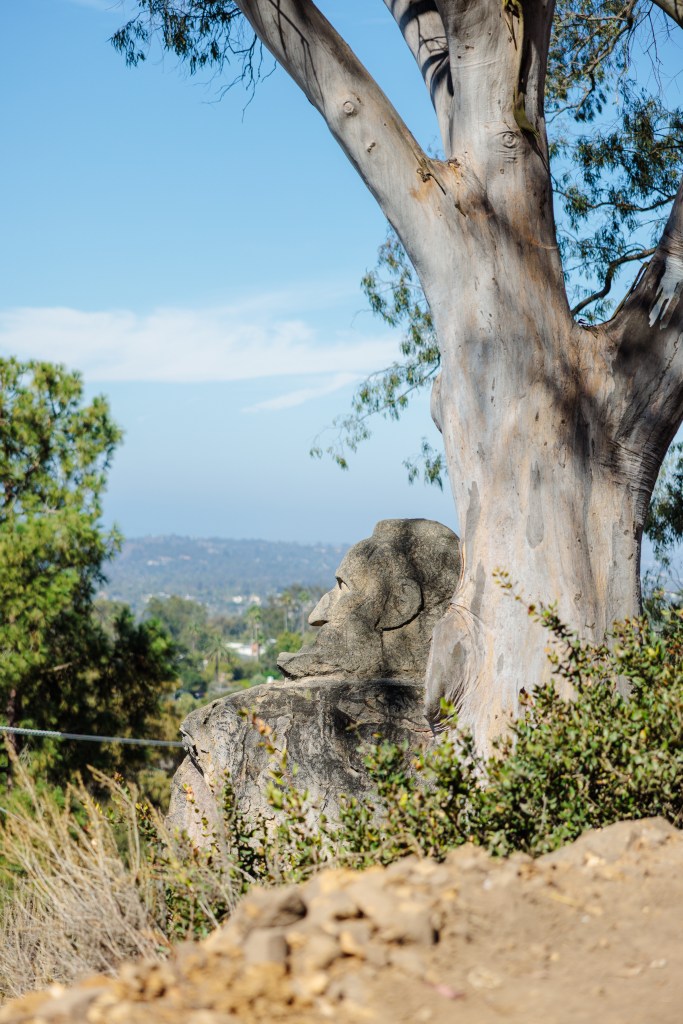
One new trail begins near the bathrooms on the west side of the parking lot. It leads to a giant sandstone bust of the park’s namesake: famed Italian botanist Dr. Francesco Franceschi, who established a nursery and an experimental botanic garden on the property in the early 1900s.
Franceschi’s bust juts out of the hillside, nose pointed towards the horizon, eyes perpetually watching over the city below. O’Conner called it one of the park’s “hidden secrets.”
In the nearby meadow, the city removed young eucalyptus trees that were trying to creep in and drive out native species. Mature trees were saved, but their offspring were evicted; the city cut them down and painted herbicide on the trunks. O’Conner said the benefits are already apparent: native sage scrub is making a comeback.
The meadow holds one of three new benches made from reclaimed wood that are placed throughout the park, encouraging people to sit down and take in their surroundings.
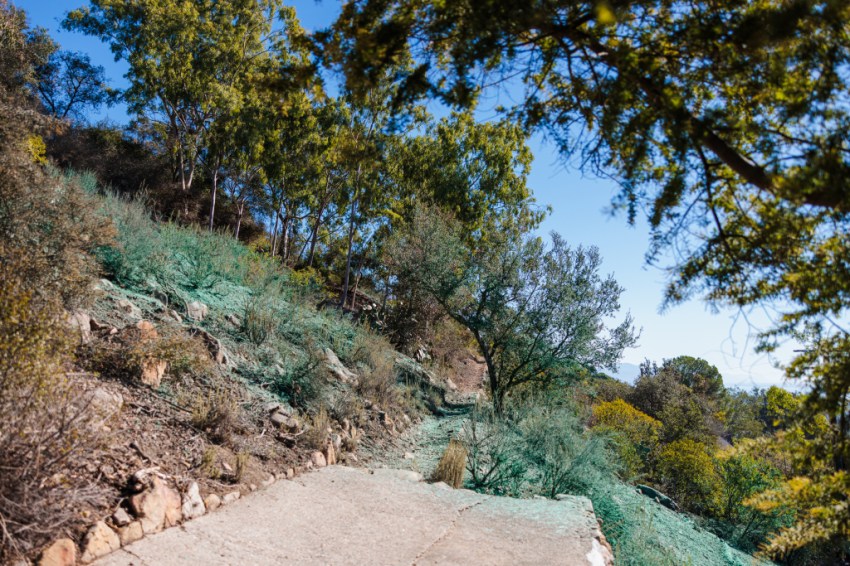
Aside from the popular overlook connected to the parking lot, locals may be unaware of the park’s extent. Several pathways snake through the park, most of which were so-called “goat trails” until the city transformed them into bona fide walking paths.
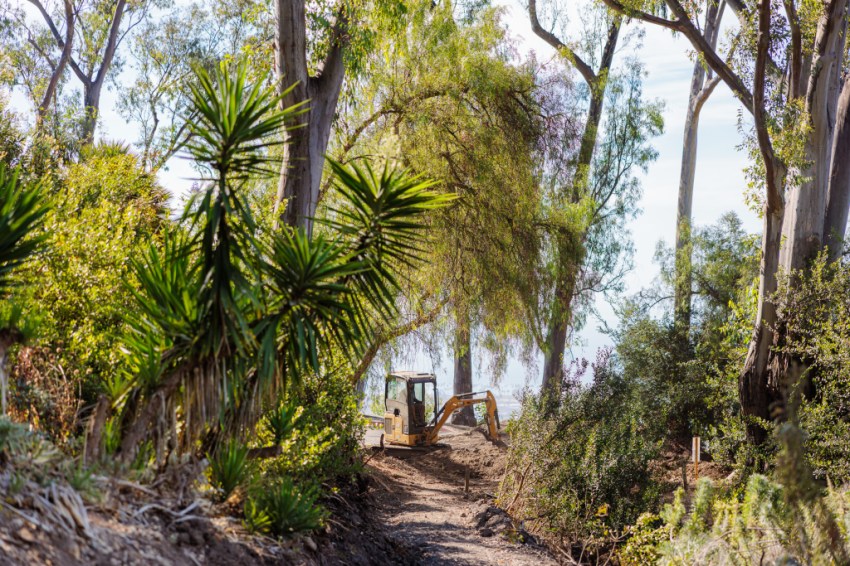
Hand constructed trails now connect upper Franceschi to the lower portion of the park, allowing neighbors to walk through both areas without using Franceschi Road. The trails pass under tunnels of towering cacti, and were carefully designed to avoid disturbing the roots of nearby oak trees. To help with drainage and prevent erosion, crews graded paths intentionally.
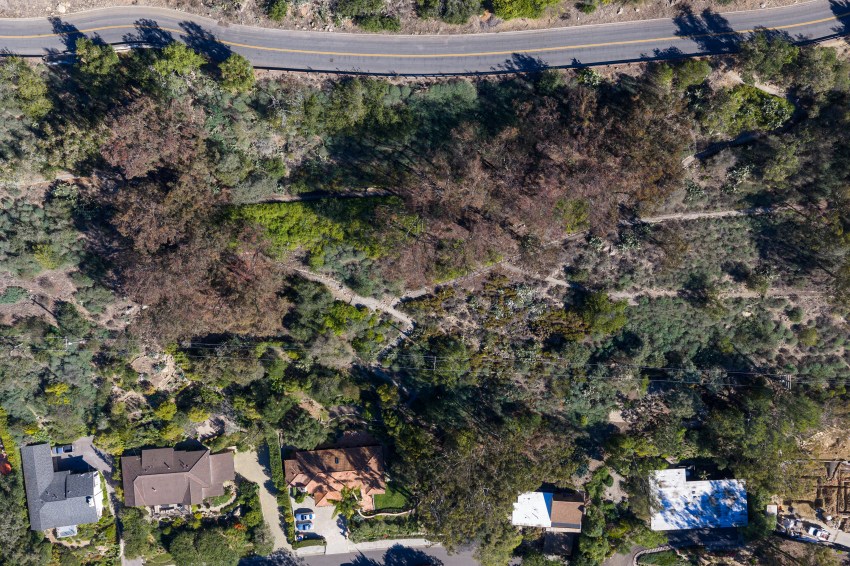
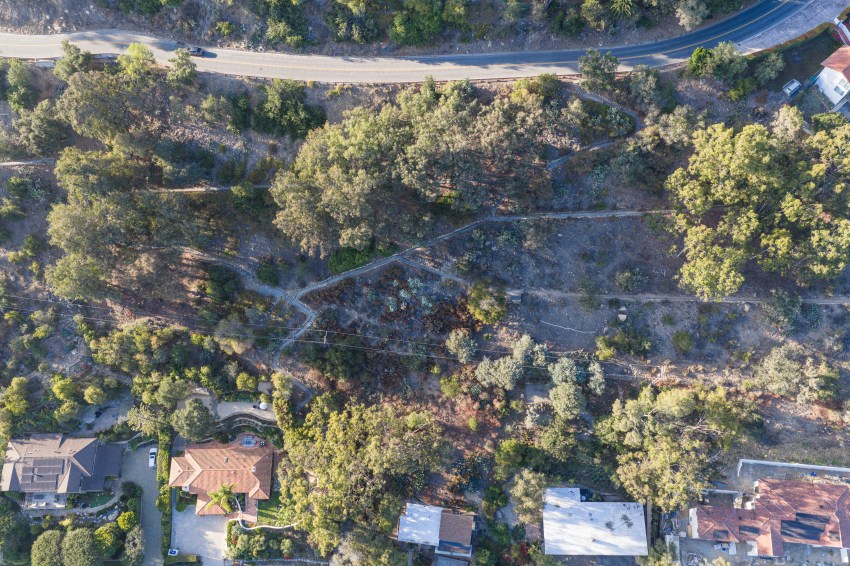
New and repaired pathways on the lower half of the park take hikers past the historic Franceschi house — which is going through its own planning process — and down the side of the hillface, toward the Riviera neighborhood. The route features the living remnants of Franceschi’s rare botanical collection, including exotic plants found nowhere else in the city.
Crews conducted maintenance on these paths, including concrete patchwork on the cracked or crumbling paved walkways, to improve safety and usability. Unsafe or redundant trails were replaced with “natural materials” that would gradually reclaim the land.
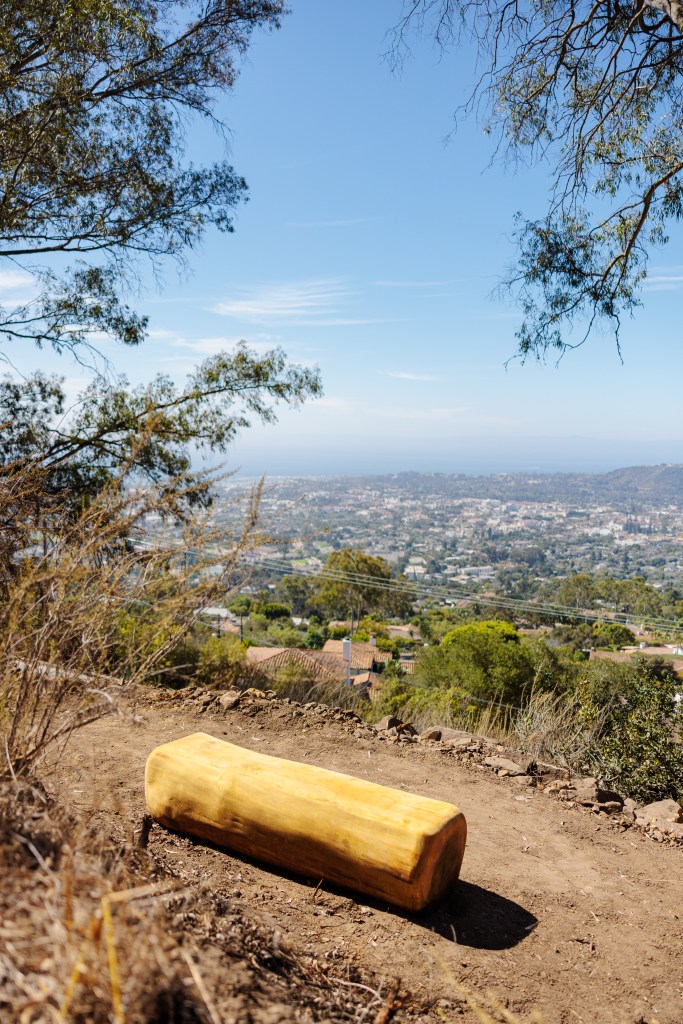
These lower areas were a main target for restoration. The city removed overgrown vegetation and swaths of invasive plants, mainly tree spurge (euphorbia dendroides), which outcompeted natives and grew so tall and so densely that they blocked the horizon.
“We’re sending out mailers to help our neighbors remove it from their properties, as well,” O’Conner said of the tree spurge. “They’re kind of pretty, but pretty crummy for habitat.”
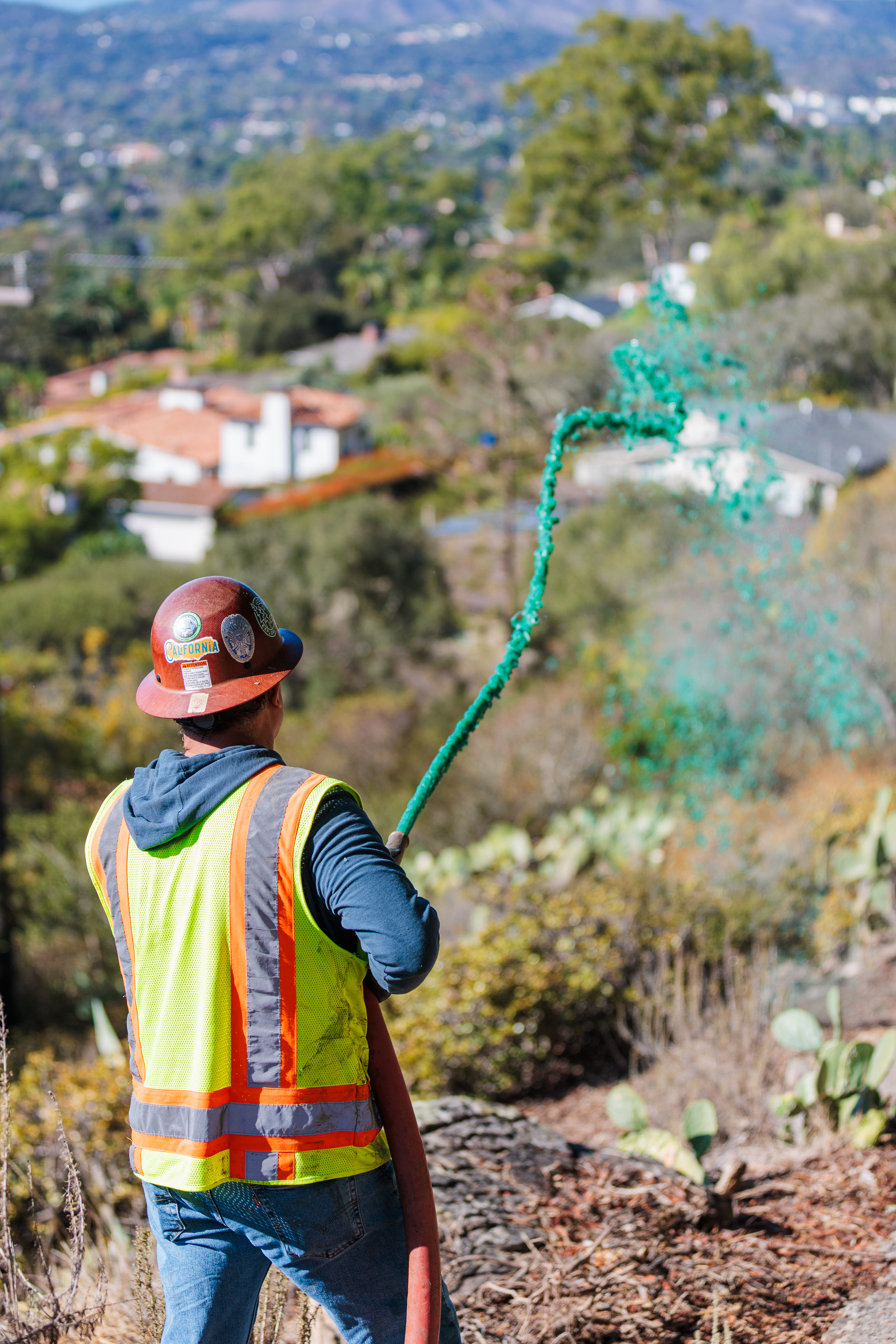
City crews sprayed the landscape, fire hose-style, with native plant seeds and fertilizer, mixed with non-toxic blue dye to show where it was applied. The dye will fade in one to two weeks.
After the recent rains, O’Conner said, the trails held up well. Right now, wattles — tubes of natural material to prevent erosion and trap soil — are placed around the park. But the seed-spraying will help reestablish plant cover to prevent future erosion and fill in the bare spots made by the tree spurge removal.
The seed mix includes native species that can be weed-wacked for fire prevention. Container plants will also dot the park to breathe a little life into newly-barren areas.
It’s not just people who enjoy the park, O’Conner noted. Gophers will pop up along the new trails for about a year before taking the hint, she said.
Overall, the trails project cost $77,000 of the City’s General Fund. The removal of invasive species, which has involved four months of full-time work, was funded with $113,000 from a Coastal Conservancy grant through the city’s Wildfire Resiliency Project, which focuses on wildfire prevention through restoring native habitat.
Related Posts


Premier Events
Fri, Oct 30
12:00 AM
Montecito
Día de los Muertos at The Speakeasy

Fri, Oct 30
11:30 AM
Santa Barbara
🌼💀 Join us for Día de los Muertos! 💀🌼
Fri, Oct 30
2:00 PM
Santa Barbara
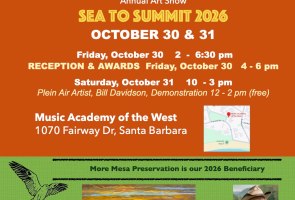
“Sea to Summit “Art Exhibit & Benefit

Fri, Oct 30
3:00 PM
Santa Barbara
Family Movie Night at the Eastside Library: “Coco”

Fri, Oct 30
3:00 PM
Goleta
Halloween Paint Night at SAMsARA

Fri, Oct 30
3:00 PM
Goleta
The Towbes Group presents: MONSTER MASH!
Fri, Oct 30
6:00 PM
Goleta
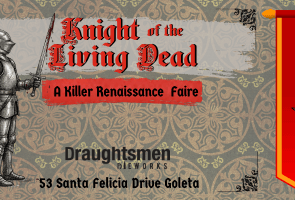
Halloween @Draughtsmen: A KILLER RENAISSANCE FAIRE
Fri, Oct 30
6:00 PM
Santa Barbara
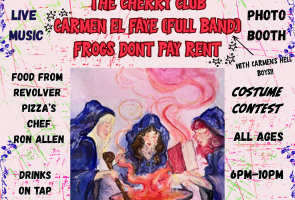
3rd Annual Nightmare on Cherry St. With All Woman Rock Band “The Cherry Club”

Fri, Oct 30
6:00 PM
Santa Barbara
Power of Your Om – Halloween Glow & Flow
Fri, Oct 30
7:00 PM
Santa Barbara
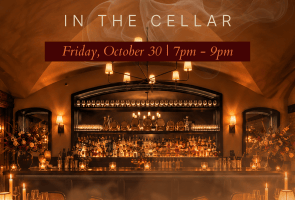
Séance in the Cellar
Fri, Oct 30 12:00 AM
Montecito
Día de los Muertos at The Speakeasy
Fri, Oct 30 11:30 AM
Santa Barbara
🌼💀 Join us for Día de los Muertos! 💀🌼
Fri, Oct 30 2:00 PM
Santa Barbara
“Sea to Summit “Art Exhibit & Benefit
Fri, Oct 30 3:00 PM
Santa Barbara
Family Movie Night at the Eastside Library: “Coco”
Fri, Oct 30 3:00 PM
Goleta
Halloween Paint Night at SAMsARA
Fri, Oct 30 3:00 PM
Goleta
The Towbes Group presents: MONSTER MASH!
Fri, Oct 30 6:00 PM
Goleta
Halloween @Draughtsmen: A KILLER RENAISSANCE FAIRE
Fri, Oct 30 6:00 PM
Santa Barbara
3rd Annual Nightmare on Cherry St. With All Woman Rock Band “The Cherry Club”
Fri, Oct 30 6:00 PM
Santa Barbara
Power of Your Om – Halloween Glow & Flow
Fri, Oct 30 7:00 PM
Santa Barbara


You must be logged in to post a comment.