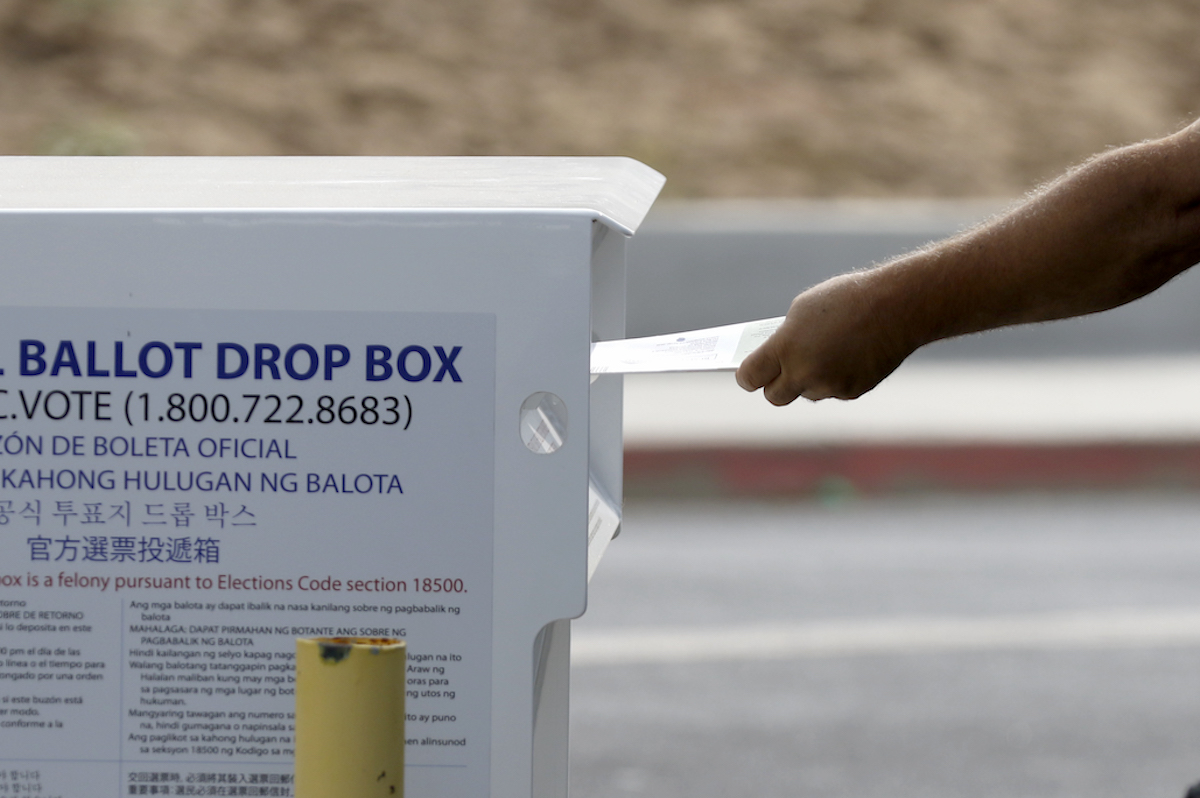
Only a few hours after the Trump administration sought an emergency order this Monday to require California election officials to set aside the ballots of 20,000 alleged noncitizens pending verification of their citizenship, the Supreme Court issued an unsigned ruling rejecting the case out of hand. No explanation was included, no hearing held. In fact, the court never even sought a response from any of involved state agencies that had resisted such demands.
Given that the emergency application was submitted just a day before Election Day, the ruling should not come as a great surprise. Federal voting law seriously frowns on any changes made in election protocol within 90 days of the election day. In addition, the U.S. Constitution explicitly empowers states to establish the time, place, and manner in which elections will be held. To the extent it countenances any federal intervention, the Constitution assigns that authority only to Congress and not to the Executive branch.
Attorneys for the White House argued that federal law prohibits noncitizens from voting in federal elections. By setting aside the ballots the Department of Homeland Security determined were “likely” cast by noncitizens, federal attorneys insisted no votes would be canceled. They termed the last-minute intervention a “modest solution.”
The emergency petition was submitted to the Supreme Court just one day before Tuesday’s midterm elections in which the Republican Party and the White House are in risk of losing both the House and Senate majorities. But just last week, the Department of Justice was rebuffed no fewer than three times while making the same argument; two of those times were by a three-judge panel of the U.S. Ninth Circuit Court of Appeals and one by lower court judge David O. Carter. In all three instances, the judges found that the U.S. Constitution gave sole authority over the time place and manner by which elections are held to the state in which the elections are held. To the extent there’s any variance allowed, they ruled, the constitution spells out that only Congress — not the President — is empowered to impose such changes.
Attorneys for the Department of Justice argued that the ballots submitted by “likely” noncitizens needed to be set aside or else the votes of actual citizens will be diluted by illegally cast ballots. Judge Carter and the panel of appellate judges expressed doubt about the basis by which the DOJ asserted the 20,000 ballots were of “unlikely” origin.
Over the weekend, the UCLA Voting Rights Project announced that data analysis of the voting list revealed that more than 42 percent of the names on the list are not listed anywhere on the state’s active voter rolls. Local and state election officials have argued the list contains an undisclosed number of names of U.S.-born citizens.
Of the 20,000 alleged non-citizens casting ballots, 180 reportedly originated in Santa Barbara County. To date Santa Barbara County’s elections chief Joe Holland — independently elected — has declined to make any public statement on the matter nor has anyone else in his office. No other Santa Barbara County official has either.
They did, however, release the original DOJ letter demanding that the county verify the citizenship of the 180 individuals and that they do so within 48 hours of receipt. Any election official that declined to cooperate, the letter threatened, would be guilty of violating federal election law and would be held as legally responsible as anyone who voted illegally.
Judge Carter strongly cautioned the DOJ against threatening county or state elections officials attempting to do their jobs. To impose last-minute changes to the way counties count their ballots, he ruled, threatened to put the state’s entire vote counting infrastructure into chaos. This chaos, coupled with the threat of an investigation, Carter cautioned, could have a chilling effect on people exercising their right to vote, itself a violation of federal voting law. In addition, he noted, federal voting law prohibits any change in voting procedure enacted within 90 days of the election in question.
Instead, Carter said, he would appoint a special master to help him sort out how many of the ballots, if any, were cast by noncitizens. This could take place after the election was over, he pointed out, because counties have until December 13 to certify their changes election results.
In San Lous Obispo County, the elections chief had announced last week she had no intention of complying with the DOJ’s command and investigating the citizenship of 63 alleged noncitizens. The District Attorney of S.L.O., however, volunteered to investigate the citizenship of those named by the DOJ. In response, Santa Barbara DA John Savrnoch stated he had no intention of doing anything of the kind. Nor had he been asked to do so.
Related Posts
Premier Events
Thu, Nov 05
5:00 PM
Santa Barbara
Panel Discussion + Q&A: “El Niño in your Backyard”

Fri, Nov 06
2:00 PM
Santa Barbara
Make It or Shape It: Own Your Innovation Pathway
Mon, Nov 02
7:00 PM
Santa Barbara
“Chasing Voices: The Story of John Peabody Harrington” with Filmmaker Daniel Golding
Thu, Nov 05
8:00 AM
Santa Ynez
Free Dental Services for Veterans at Tribal Clinic
Thu, Nov 05
5:00 PM
Santa Barbara
Unite to Light’s Power of Possibility
Thu, Nov 05
5:00 PM
Santa Barbara
Gallery 113: Watercolors by Kelly Hildner – “Birds of the Central Coast”
Fri, Nov 06
3:00 PM
Solvang
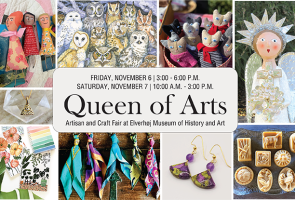
Queen of Arts Artisan and Craft Fair
Fri, Nov 06
5:00 PM
Goleta
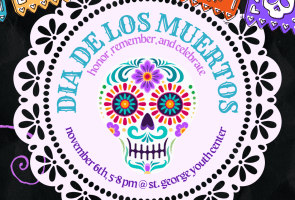
IVRPD’s Dia de los Muertos Event
Sat, Nov 07
10:00 AM
Carpinteria
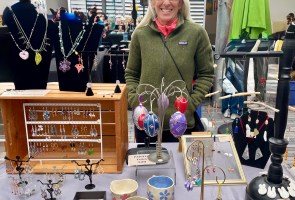
Carpinteria Arts & Crafts Faire
Sat, Nov 07
10:00 AM
Santa Barbara
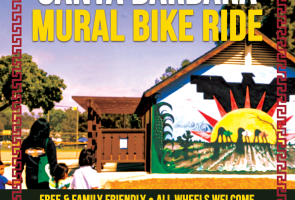
11th Annual Santa Barbara Mural Bike Ride

Sat, Nov 07
10:30 AM
SANTA BARBARA
New Parent Resource Fair with SBPL
Sat, Nov 07
1:00 PM
Santa Barbara
Fall Plant Sale 2026
Thu, Nov 05 5:00 PM
Santa Barbara
Panel Discussion + Q&A: “El Niño in your Backyard”
Fri, Nov 06 2:00 PM
Santa Barbara
Make It or Shape It: Own Your Innovation Pathway
Mon, Nov 02 7:00 PM
Santa Barbara
“Chasing Voices: The Story of John Peabody Harrington” with Filmmaker Daniel Golding
Thu, Nov 05 8:00 AM
Santa Ynez
Free Dental Services for Veterans at Tribal Clinic
Thu, Nov 05 5:00 PM
Santa Barbara
Unite to Light’s Power of Possibility
Thu, Nov 05 5:00 PM
Santa Barbara
Gallery 113: Watercolors by Kelly Hildner – “Birds of the Central Coast”
Fri, Nov 06 3:00 PM
Solvang
Queen of Arts Artisan and Craft Fair
Fri, Nov 06 5:00 PM
Goleta
IVRPD’s Dia de los Muertos Event
Sat, Nov 07 10:00 AM
Carpinteria
Carpinteria Arts & Crafts Faire
Sat, Nov 07 10:00 AM
Santa Barbara
11th Annual Santa Barbara Mural Bike Ride
Sat, Nov 07 10:30 AM
SANTA BARBARA
New Parent Resource Fair with SBPL
Sat, Nov 07 1:00 PM
Santa Barbara