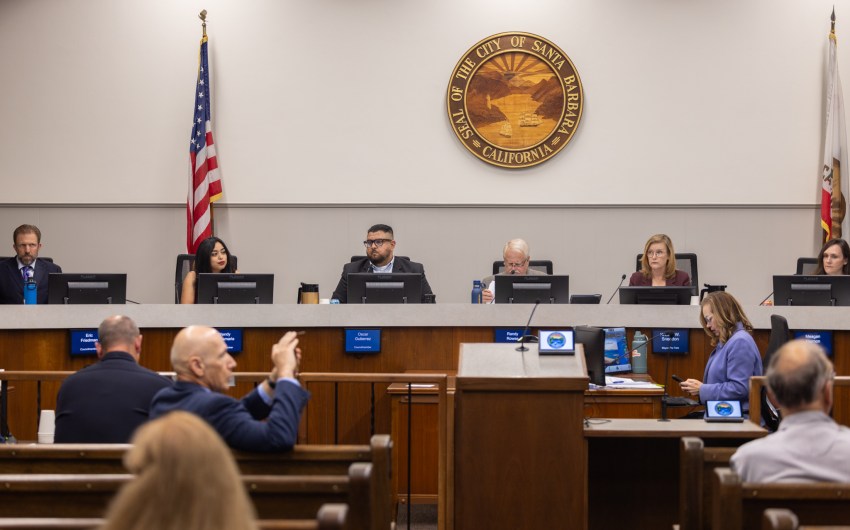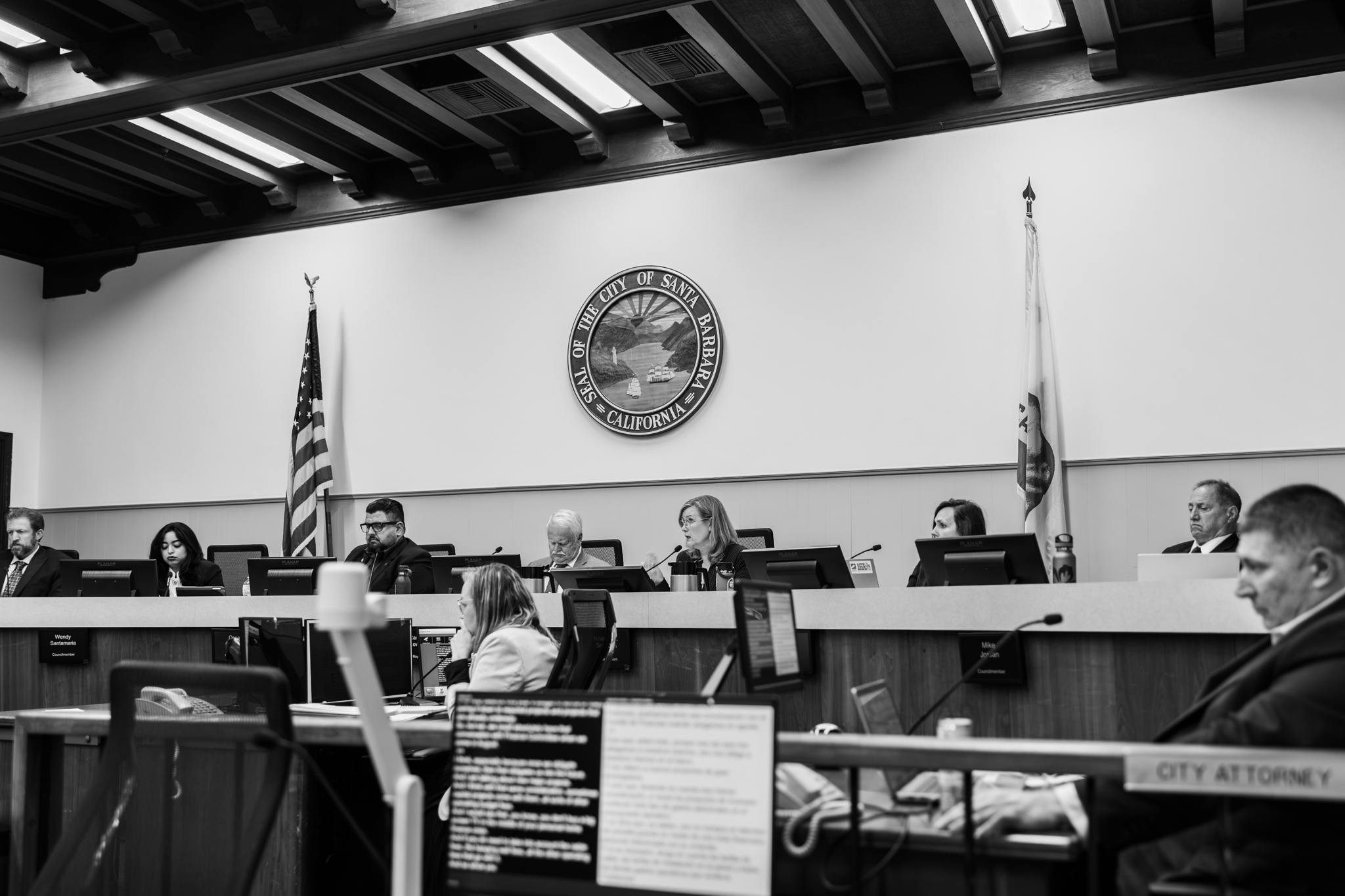
While the future of the rent stabilization ordinance is currently put on pause, pending a referendum currently in the certification process, the City Council voted 4-2 to extend the temporary rent increase moratorium leading up to the potential ballot vote next year.
The much-debated rent stabilization ordinance was approved by City Council in October, following a lengthy and polarizing planning process. A group of property owners opposed to the citywide rent cap launched a petition in the hopes of forcing City Council to repeal the ordinance or put the matter before voters; and although the petition faced pushback from city renters, it reached more than 9,000 signatures and is currently in the process of verification through the county elections office.
City Council had implemented the temporary rent freeze early last year as a way to keep the housing market stable during the planning of the rent stabilization ordinance. The moratorium was to be lifted as soon as the permanent program launched in 2027, but after the referendum was filed the rollout was put on hold, creating a potential gap once the freeze technically ended at the end of the year.
“So, unless council acts, the moratorium will end on December 31. For the units covered today, that would leave a gap with no local limit on rent increases,” explained Barbara Andersen, senior assistant to the city administrator.
Tenants and housing advocates had been ringing the alarm about the potential risks of being uncovered on January 1. It could open the door for landlords to raise rents up to 8.6 percent in the months leading up to the ballot vote. Extending the rent freeze, according to city staff and the city attorney’s office, would be a way to protect the status quo while still honoring the referendum process.
As expected, Tuesday’s hearing drew a large number of property owners, tenants, real estate groups, and housing advocates delivering passionate public comments over the city’s decision to extend the moratorium. For landlords, the extension was seen as an “undermining” of the referendum, while renters asked that the current state of play be maintained.
Housing advocate Rich Appelbaum expressed disappointment over the referendum, which he said was “truly regrettable” given the countless hours the City Council spent deliberating, meeting with stakeholders, and hearing community input during the crafting of the rent stabilization ordinance. He noted that the recent election results, in which four city candidates who supported rent stabilization won their respective races, should be seen as “another clear indicator of public endorsement.”
Appelbaum and other community members also called out the methods used by paid signature gatherers, who he said had “no connections to our city, and certainly no knowledge as to the intricacies” of the ordinance. “The petitions calling for a referendum were circulated using paid signature gatherers who, shall we say, used questionable tactics,” he said.
Property owners and representatives from real estate groups vented their frustrations about being targeted with burdensome restrictions and feeling left out of the decision-making process. Property owners have a pending lawsuit against the city, and the group behind the petition, the Help Save Santa Barbara Housing Committee, released a statement saying it would consider launching another referendum against the rent freeze extension.
“We have demonstrated that we can organize volunteers, gather signatures and challenge this council’s decisions,” said Richard Lang, a representative from the property owners’ group. “Another referendum remains on the table. We will consider that option alongside the legal remedies identified by our attorneys. No one should mistake the completion of one petition drive for the end of our resolve.”
Councilmember Meagan Harmon, who helped push the needle toward rent stabilization consistently through the process, said the prospect of having to respond to a referendum is not a good position to be in.
“It’s just all bad, honestly. The threatened litigation, the risks, the stress, the uncertainty to tenants, to landlords — it’s really a difficult situation,” she said.
Harmon said she still strongly believed it was necessary to “ensure that the status quo remains” between now and the referendum. “The whole point of the moratorium was to preserve the state of play so we could move forward, craft this ordinance, and put it in place. Those same considerations certainly apply now,” she said.
Councilmember Wendy Santamaria, another ardent supporter of rent stabilization, wanted to be sure that the city’s decision to extend the moratorium didn’t legally interfere with the referendum going forward to the ballot should the signatures be verified by the county. City attorney John Doimas confirmed that the extension would bear no effect on the referendum moving forward, nor would it impact the permanent rent stabilization ordinance that is subject to the petition.
To address concerns over landlords’ constitutional right for a fair rate of return, the city will also open up a pathway for a petition through a staff hearing officer that would allow for an adjustment for property owners who could prove they have been adversely impacted. This was included as a “safety valve,” Doimas explained, to ensure that there was a process for landlords to legally pursue a rent increase.
The extension was approved by the same four-vote majority that carried the ordinance through to approval, with councilmembers Harmon, Santamaria, Sneddon, and Oscar Gutierrez all voting in favor. Councilmember Eric Friedman and Mayor Randy Rowse both voted no.
The ideological split of the council remained apparent near the end of the nearly eight-hour meeting. Councilmember Gutierrez shared his perspective on landlords refusing to work towards crafting the ordinance, despite repeated attempts made to bridge the divide.
“There were times that I asked, I pleaded, and even begged that we come to some understanding, some sort of compromise,” he said. “But you all didn’t want to budge an inch.”
Mayor Rowse said he remembered it differently, saying that placing the blame on property owners is “categorically incorrect” and that “there’s never been an atmosphere of cooperation.”
“We couldn’t agree among ourselves, let alone bring the property owners,” Rowse said.
“They were not included, taken seriously, and they were dismissed. That’s how referendums start.”
Councilmember Santamaria said she was confident that voters would show up to uphold the rent stabilization ordinance should the referendum reach the ballot. “I’m happy to see it go to the polls, especially with the reassurance that every single person who ran with rent stabilization in their platform won in this last election,” she said.
The council passed the extension 4-2, with Councilmember Mike Jordan absent from the hearing. The vote could not reach the five votes needed for an urgency ordinance, so the item will be officially approved on the council’s consent calendar on December 1 in order to be implemented before the current rent freeze ends.