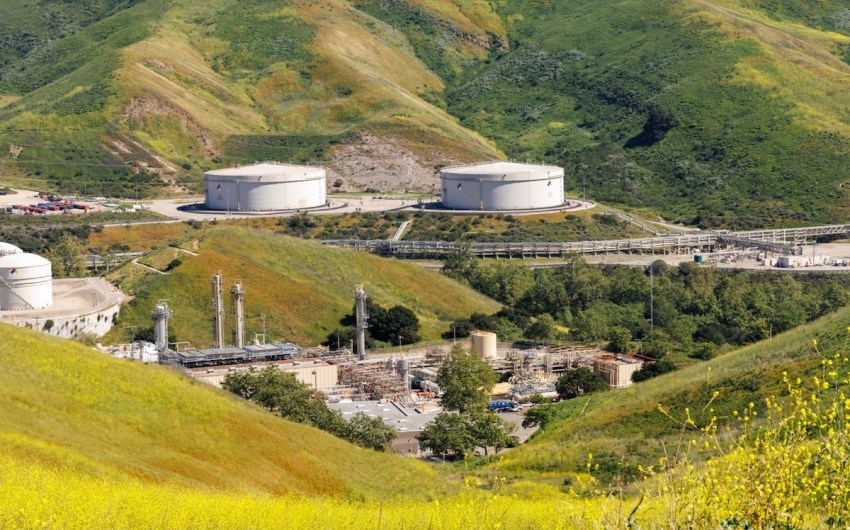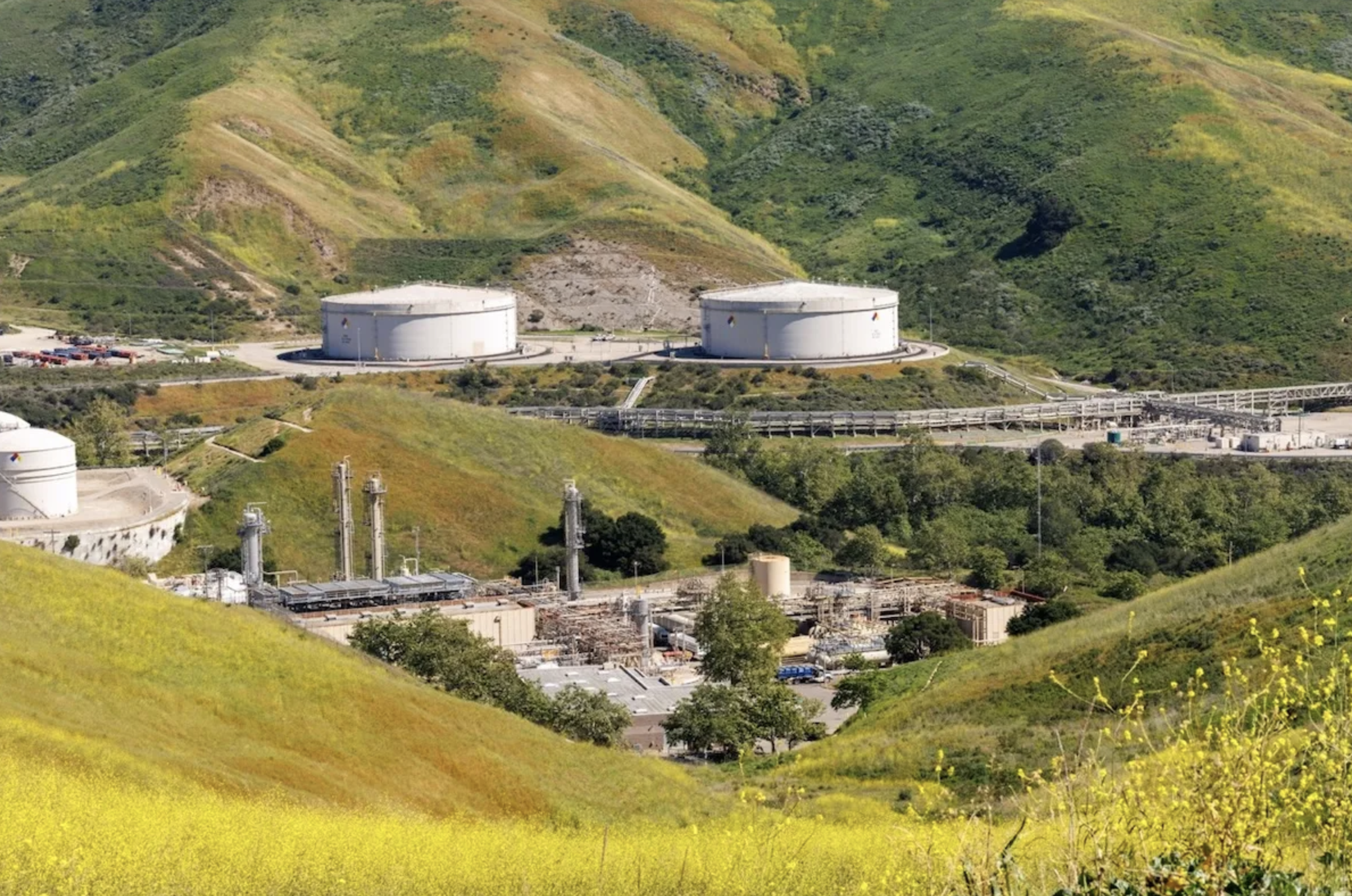
Sable Offshore stocks took a precipitous tumble early this week after the Houston-based oil company announced it may not have sufficient operating revenues to make it through the year after the Chevron refinery to the south that’s been processing all the company’s oil pumped off the coast of Santa Barbara stopped buying its crude about a month ago due to maintenance work at the refinery.
On November 9, Sable issued the financial reporting equivalent of a red flag. Company president Jim Flores announced the company had located three smaller buyers to pick up some but not all of the production slack confronting the company. He also announced the company intended a large-scale bulk sale of oil that the company had been amassing in storage tanks.
While all this might help soften the pinch of the company’s cash flow challenges, it’s not enough to bridge the gap. Flores noted the company is hoping to bring Platform Hondo online sometime within the month. The quality of oil generated at Platform Hondo reportedly requires less processing work and is easier to sell and more lucrative too.
At the same time, the Environmental Defense Center (EDC) filed yet another lawsuit against Sable and the federal Transportation Department in the federal Court of Appeals, challenging the legal basis by which the federal agency responsible for pipeline safety seized safety oversight jurisdiction away from the Office of the State Fire Marshal at Sable’s request. After the pipeline rupture of 2015 — in which 142,000 gallons of oil were spilled from corroded pipelines running along the Gaviota Coast and into the ocean — the federal pipeline safety agency signed legal documents ceding all authority to the Office of the State Fire Marshal to determine whether the pipeline had been repaired to the safety levels required. But when the Fire Marshal ruled that the repairs Sable had made were not sufficient and denied the company the restart permit, Sable cried foul, claiming the goal posts had been moved, and it took its case to the Trump administration. The Trump administration claimed final permitting authority, citing legal theories that the EDC legal brief claims are novel and at odds with anything the federal pipeline agency has ever cited in the past.
This marks the second lawsuit filed by EDC pursuing exploring different legal wrinkles on the same bone of contention. Were the EDC to prevail, presumably the Office of the State Fire Marshal would be re-empowered to issue the restart permit, which might theoretically require Sable to shut down production indefinitely.