

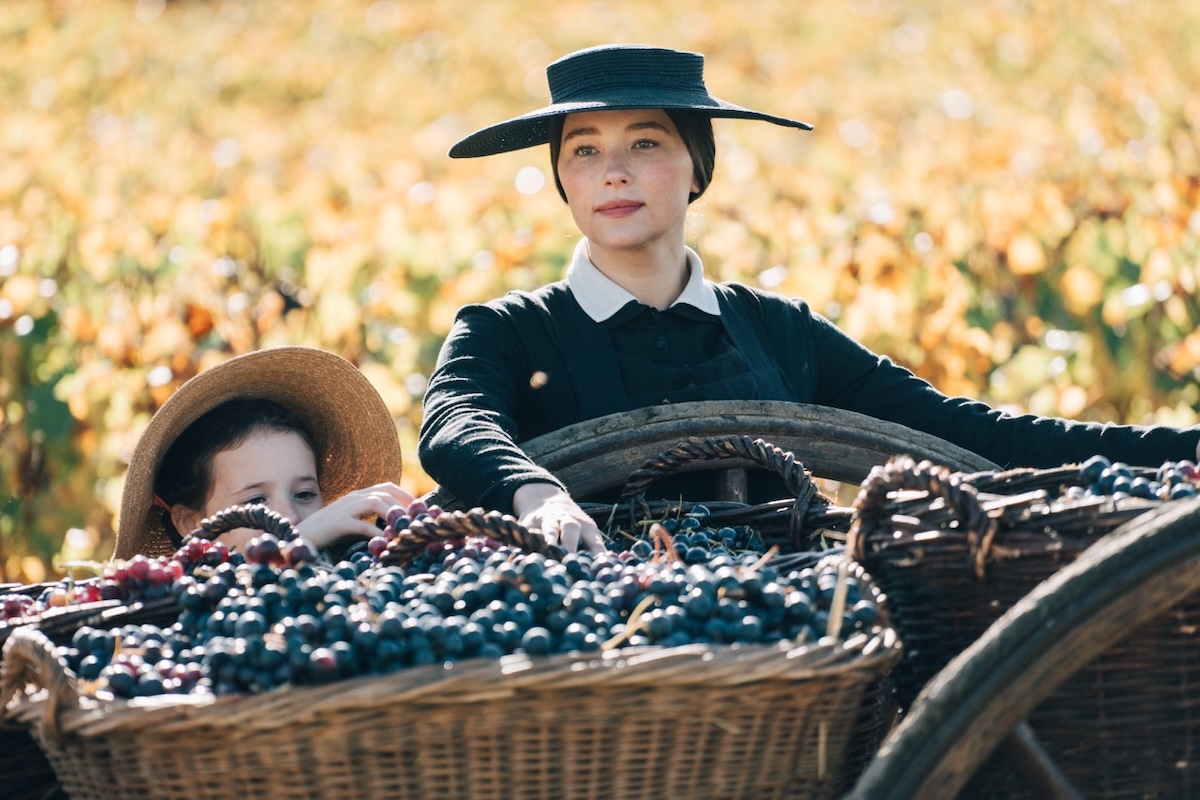
While wine and film individually enjoy modern reputations as glorious pursuits that combine skilled craft with artistic vision, the pairing of the two disciplines tends to result in cinematic catastrophe. “Wine movies” are typically riddled with winemaking wrongs that cause anyone with any oenological understanding to cringe, and they usually rely on wine mostly as setting and lifestyle, rather than central role. (The most notable exception, of course, would be our own region’s starring showcase in Sideways.)
Thankfully, the recently released Widow Clicquot does not fall victim to such disaster, proving to be a serious, emotive, and pensive film about tragedy, terrible sexism, and ultimately triumph, with sparkling wine and famous vineyards simmering steadily in the background. It’s also a very true story, based on Tilar J. Mazzeo’s 2008 book The Widow Clicquot: The Story of a Champagne Empire and the Woman Who Ruled It.
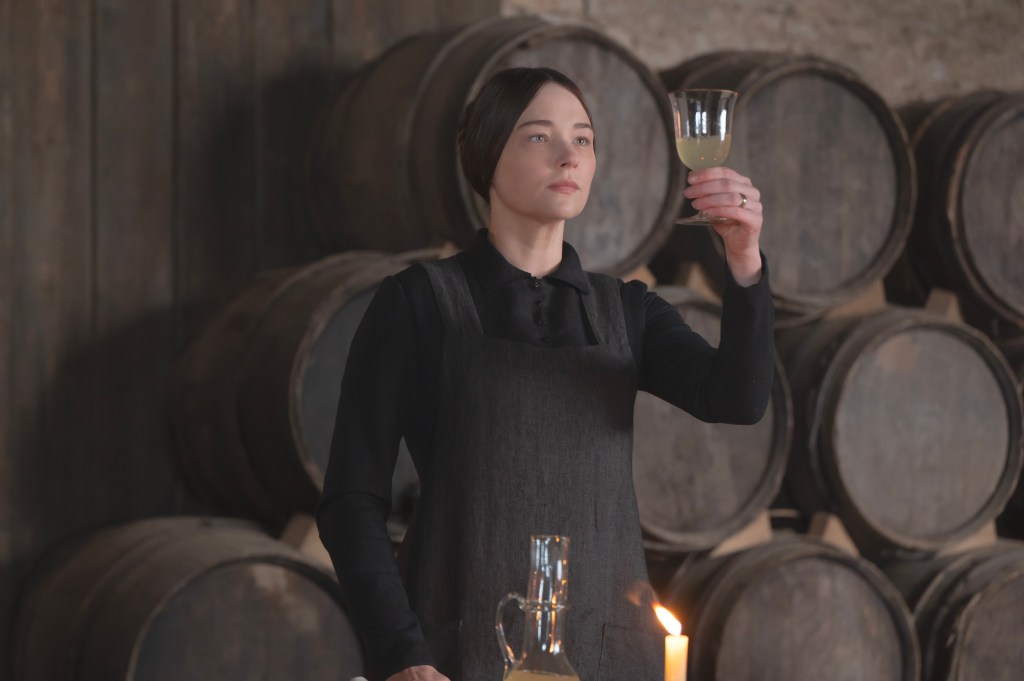
The book and the film, which focuses on the early chapters in this saga, reveals how a French woman named Barbe-Nicole Clicquot Ponsardin fought against the Napoleonic era’s patriarchal ways to retain the estate of her late husband, who died (possibly from suicide or an overdose, or both) seven years after their wedding. While fighting to keep her property and business, the “widow Clicquot” made innovations that changed Champagne production forever, specifically by developing the first sparkling rosé and inventing the process of riddling, which made for cleaner wines.
The brand she created in 1810, Veuve Clicquot (“veuve” being “widow” in French), became a major player in the Champagne region, helping to elevate the drink from a regional delicacy into the global celebration beverage that we know it as today. Veuve’s yellow label is now ubiquitous, and it remains one of the largest Champagne producers on the planet.
I was able to ask the film’s producer Christina Weiss Lurie a few questions about the film, which is now screening at the Hitchcock Cinema in Santa Barbara. (They serve alcohol there, including sparkling wine, though I doubt it’s Veuve!)
How did this film come about?
I read the book 14 years ago and instantly pictured it as a film. It had many different iterations prior to this one.
Was it hard to balance being accurate about winemaking and grape growing without getting too technical for the general audience?
Yes, quite frankly. Making a feature film versus a limited series also impacted the creative choices. A series would have allowed a different version of the story with more historical facts and far more characters.
Is there more of an appetite for movies about winemaking and the wine industry in the general film-going audience these days?
I am not sure. I know it is a story that I fell in love and wanted to tell.
I see that the film was shot in France. Were French winemakers supportive of the project?
They can be at times protective of their own stories. They were very supportive. We didn’t run into any issues throughout the production.
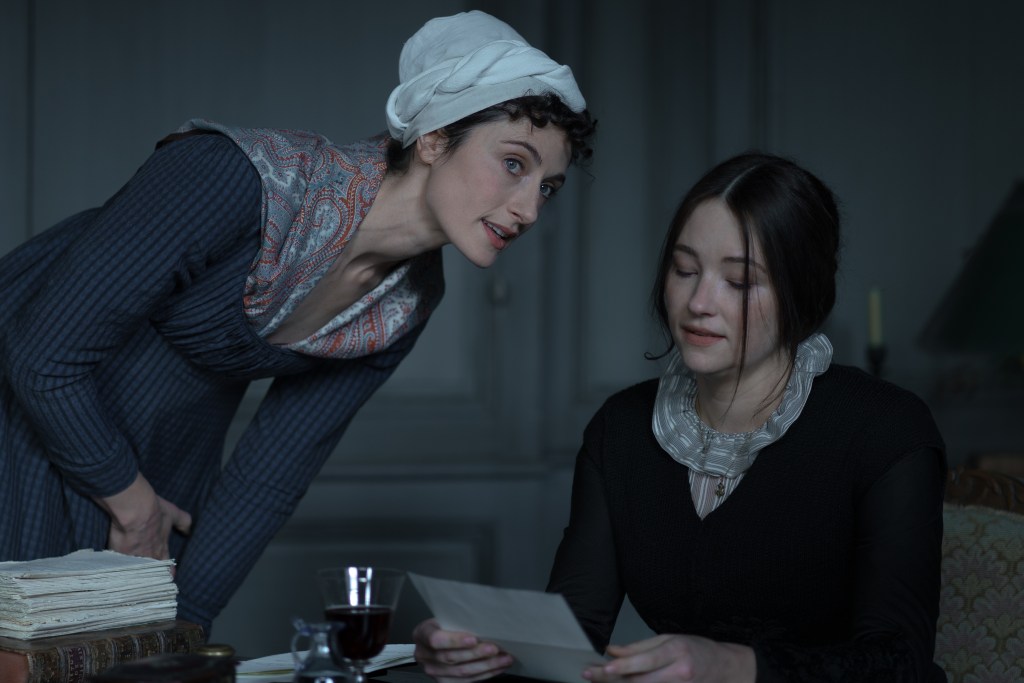
Was there a temptation at all to fast forward to the end of her story, which is more triumphant? How did you select this phase of her life to focus on?
Once we understood we would need to pick a specific moment in order to make this film, we decided on the origin story beginning when Barbe-Nicole became a young widow highlighting her grit, determination, and the challenges that ultimately led to her triumph.
What messages do you hope resonate the most with filmgoers?
Widow Clicquot’s journey was to craft the finest champagne, with consistency and style. Her techniques ended up revolutionizing the industry. She did so by being resourceful, audacious, and hard-working. She had an unwavering dedication and refused to give up.
It’s this badass attitude at a time when women were to be seen raising their families and acting as homemakers that still feels so timely today. These universal themes should hopefully resonate with young women today and allow them to dream big.
Related Posts




Premier Events
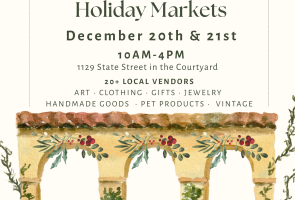
Sat, Dec 20
10:00 AM
Santa Barbara
Mosaic Holiday Markets
Sun, Dec 21
10:00 AM
Santa Barbara
Mosaic Holiday Markets
Wed, Dec 31
9:00 PM
Santa barbara
NEW YEAR’S Wildcat Lounge
Sat, Dec 20
10:00 AM
Santa Barbara
Mosaic Holiday Markets
Sat, Dec 20
2:30 PM
Santa Barbara
Santa Barbara Revels Presents “The Celestial Fools”
Sat, Dec 20
7:30 PM
Santa Barbara
State Street Ballet – “The Nutcracker “
Sun, Dec 21
2:00 PM
Santa Barbara
Ensemble Theatre Company Presents “The Complete Works of Jane Austen, Abridged”
Fri, Dec 26
7:00 AM
Solvang
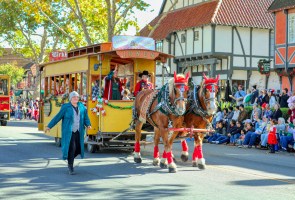
Solvang Julefest
Sat, Dec 27
7:00 PM
Santa Barbara
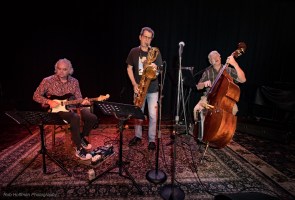
Schnack ‘n Bari Jazz Trio at Roy
Wed, Dec 31
6:15 PM
Santa Barbara
NYE 2026 with SB Comedy Hideaway!
Wed, Dec 31
9:00 PM
Santa barbara
NEW YEAR’S Wildcat Lounge
Wed, Dec 31
10:00 PM
Santa Barbara
In Session Between Us: Vol. I NYE x Alcazar
Wed, Dec 31
10:00 PM
Santa Barbara
NYE: Disco Cowgirls & Midnight Cowboys
Sat, Dec 20 10:00 AM
Santa Barbara
Mosaic Holiday Markets
Sun, Dec 21 10:00 AM
Santa Barbara
Mosaic Holiday Markets
Wed, Dec 31 9:00 PM
Santa barbara
NEW YEAR’S Wildcat Lounge
Sat, Dec 20 10:00 AM
Santa Barbara
Mosaic Holiday Markets
Sat, Dec 20 2:30 PM
Santa Barbara
Santa Barbara Revels Presents “The Celestial Fools”
Sat, Dec 20 7:30 PM
Santa Barbara
State Street Ballet – “The Nutcracker “
Sun, Dec 21 2:00 PM
Santa Barbara
Ensemble Theatre Company Presents “The Complete Works of Jane Austen, Abridged”
Fri, Dec 26 7:00 AM
Solvang
Solvang Julefest
Sat, Dec 27 7:00 PM
Santa Barbara
Schnack ‘n Bari Jazz Trio at Roy
Wed, Dec 31 6:15 PM
Santa Barbara
NYE 2026 with SB Comedy Hideaway!
Wed, Dec 31 9:00 PM
Santa barbara
NEW YEAR’S Wildcat Lounge
Wed, Dec 31 10:00 PM
Santa Barbara
In Session Between Us: Vol. I NYE x Alcazar
Wed, Dec 31 10:00 PM
Santa Barbara


You must be logged in to post a comment.