


This story originally appeared in the Santa Barbara Green Guide 2025/26,
a collaboration publication between ‘Santa Barbara Independent’ and ‘Bluedot Living‘.
Just like the myriad decisions we face when choosing to eat responsibly, there are plenty of environmental considerations that play into which wines we choose to drink.
Santa Barbara County’s wine community elevated sustainability long ago — Ampelos Vineyard, for instance, was the first in the country to be certified as organic, biodynamic, and sustainable — and our region remains a leader in pushing the entire world of wine to earnestly embrace eco-minded ways. Whether a winery is aiming to be organic, biodynamic, or regenerative (and some spots are all three!), the underlying ethos for these efforts is to eschew herbicides, pesticides, and synthetic applications.
Here are four estates doing it right.
Âmevive Wine
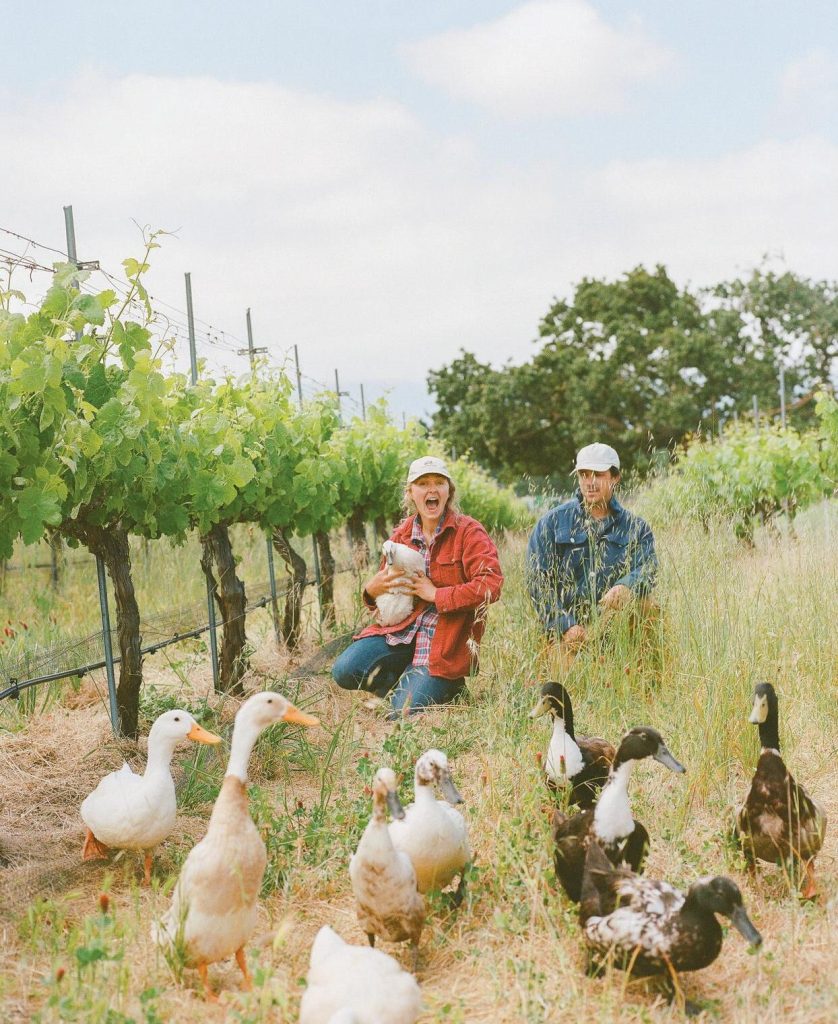
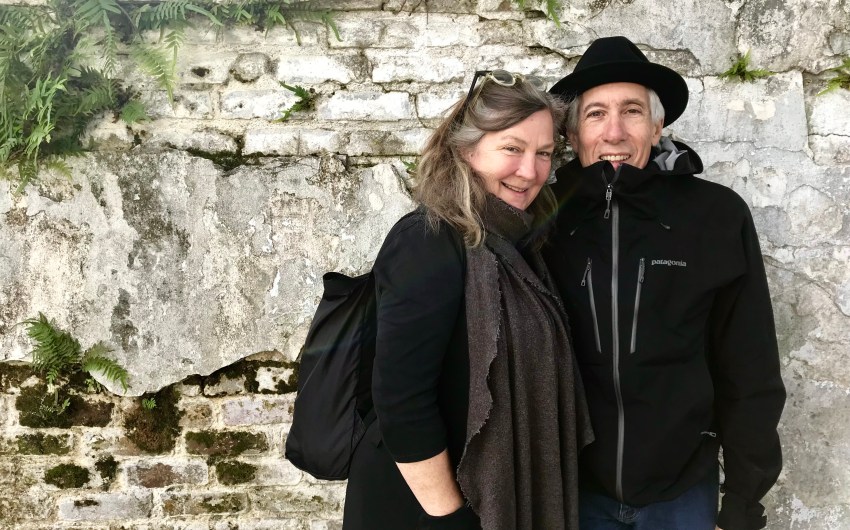
When Alice Anderson took over management of the Ibarra-Young Vineyard almost six years ago, she embraced the Santa Ynez Valley property’s three-decade-long adherence to organic farming. But then she turned up the Earth-conscious dial, reinvigorating the soils and breathing life into the vines by employing holistic and regenerative techniques.
“We love to be outside, we love nature and feeling wild,” says Alice, whose Âmevive Wines are bright, fresh, and even electric on the palate. “We have seen what over-farming does to the landscape, and we want our vineyards to be the antithesis of perfectly tame, bare-floored vineyards.”
Alice and her partner, Topher De Felice, are in the vineyards daily, both working the vines and watching how their farming affects the environment around them. “It feels good to be surrounded by blooming flowers and our friendly livestock, have a nice green understory, hear birds chirping in every direction, and occasionally see the good snakes slithering.” The effects border on spiritual for Alice, who explains, “I’m sure that all of this conscious effort and energy translates to the finished wines.”
Beckmen Vineyards
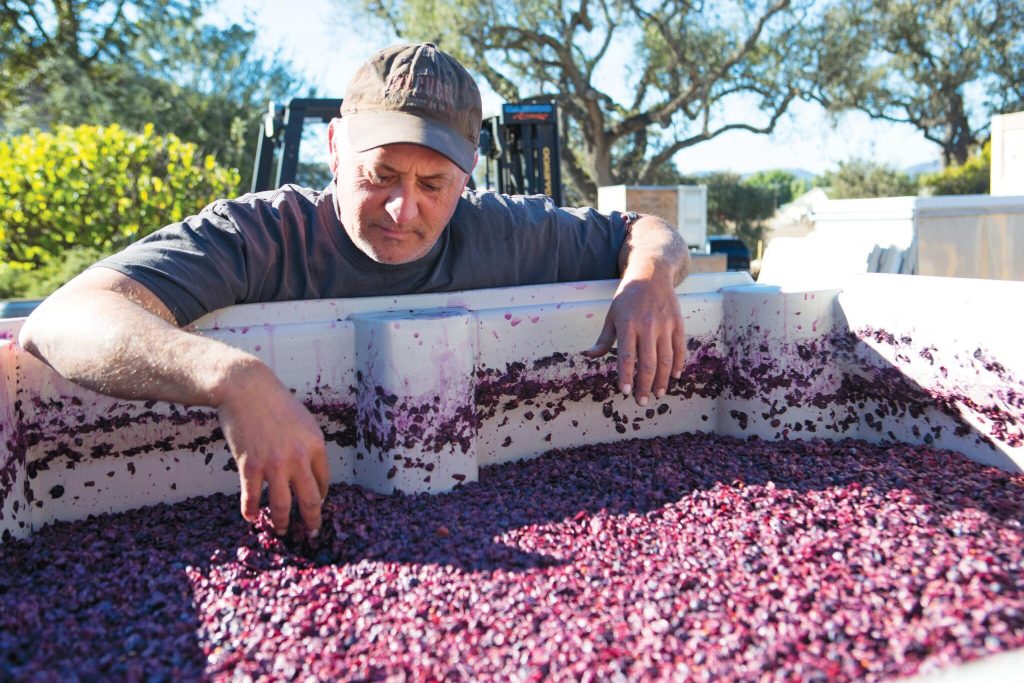
Back in the mid-1990s, Steve Beckmen was the first vintner in Santa Barbara County to tune deeply into biodynamic farming. He spread the practice to both his family’s Los Olivos District estate — where visitors can taste his wines while overlooking 25 acres of vines that include cabernet sauvignon and Rhône varieties — and at Purisima Mountain Vineyard in Ballard Canyon, where they grow even more epic syrah, grenache, and more on 125 acres. The lessons never stop.
“We continue to grow within the system with the inclusion of more farm animals and a move toward our eventual goal of a fully enclosed farm ecosystem,” says Steve, who’s not sure he’ll ever get there, but never loses sight of that goal. “Besides the benefit for the earth, our farm, our workers, and our customers, biodynamic farming is making our fruit quality better and increasing the quality and consistency of our wines, which is the most important thing for us.”
Though customers may at first be intrigued by these practices because of their Earth-friendly aspects, many affirm them even more vociferously because the resulting wines are so much better, offering an energy not seen in conventionally farmed vineyards.
“The farming practices we do are about quality first,” Steve explains, but not far behind, he says, is “our desire to foster the connection between all living things.”
Donnachadh Vineyard
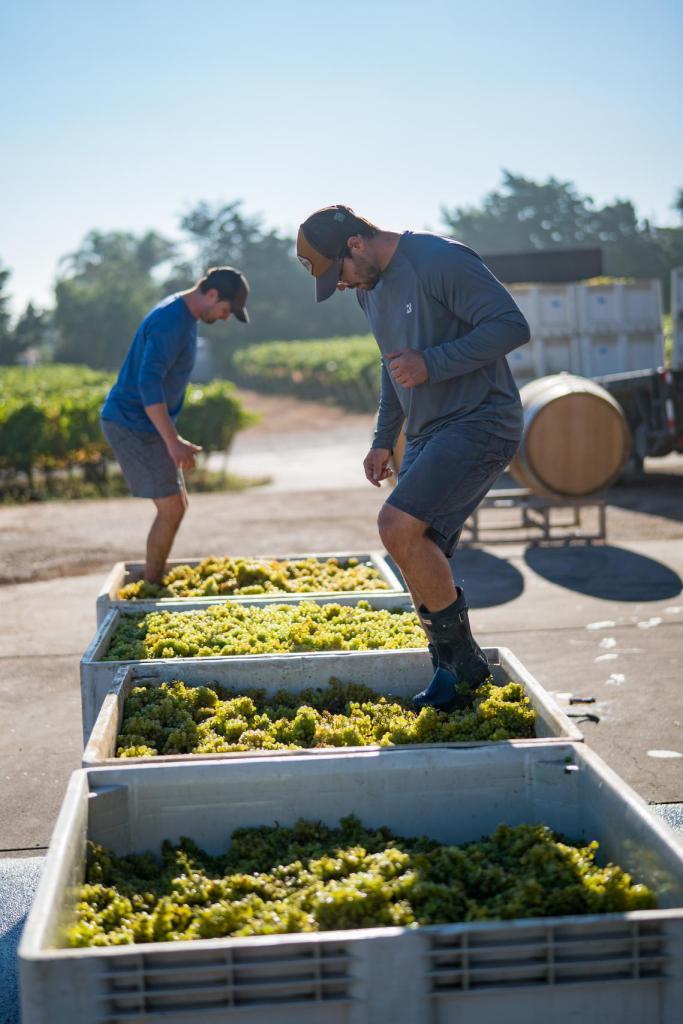
Located on the steep slopes of the pinot noir and chardonnay hot spot known as the Sta. Rita Hills, Donnachadh Vineyard founders Drew and Laurie Duncan opted to go organic when they planted their 40 acres in 2013. “It just seemed like the best way to take care of our vineyard workers, our land, our customers, and everything downstream of us,” Drew says.
Since then, they’ve integrated regenerative techniques, including the addition of a permanent cover crop and a focus on working toward no-till farming. “On the regenerative side, it’s all connected,” Drew says. “We work on building healthy soils to grow healthier vines; healthier vines produce better fruit; better fruit makes better wines.”
The Earthy upside? These practices allow the soils to sequester more carbon, thereby reducing the vineyard’s eco-footprint. And they do so quietly, not trying to send a major message to the world. “Hopefully, it resonates with some consumers,” says Drew, who also produces some stellar syrah and gamay noir alongside the pinot and chard. “But we’re mostly trying to be good stewards of the land and good neighbors while making the best wine we can.”
Grimm’s Bluff

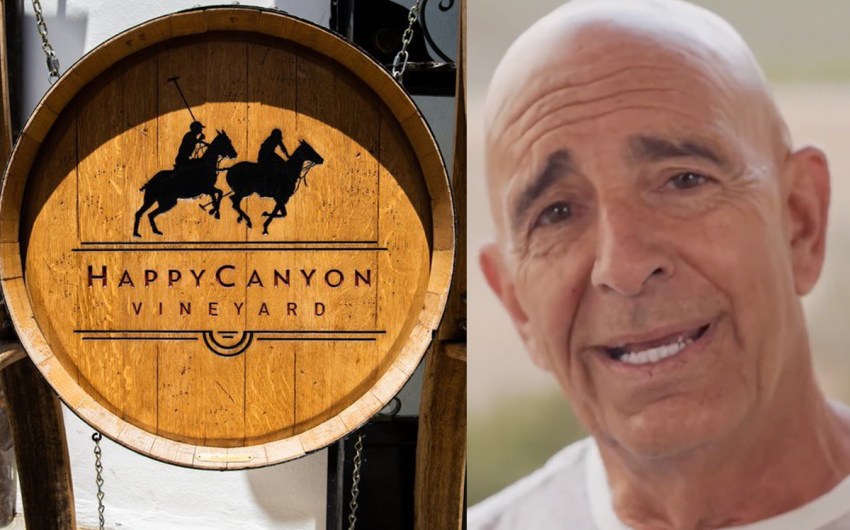
Working with rather than against nature was front of mind for Rick Grimm when he planted his Happy Canyon vineyard, which overlooks Lake Cachuma and the Santa Ynez River. The year was 2012, and he was one of the first in the region to plant a vineyard here according to biodynamic principles, which uses various compost teas, as well as the cycles of the moon, to dictate farming.
“Before planting our first vine, we chose to avoid synthetic chemicals, rely on nature, and farm with respect for the land,” says Rick’s son Henri Grimm. To do so, they enlisted legendary French biodynamic consultant Philippe Coderey and planted cabernet sauvignon, sauvignon blanc, and petit verdot across 16 acres. The land has never been touched by herbicides, pesticides, or artificial fertilizers.
“We don’t chase trends or look for quick fixes,” Henri says. “Instead, we trust healthy soil, robust cover crops, and old-fashioned hard work.”
That keeps the vines thriving and the land in good health. “We chose this route because the Earth deserves it,” he says. “When you open a bottle of Grimm’s Bluff, you’re tasting a genuine commitment to the environment, one that hasn’t wavered since we started.”
How to Imbibe with the Earth in Mind
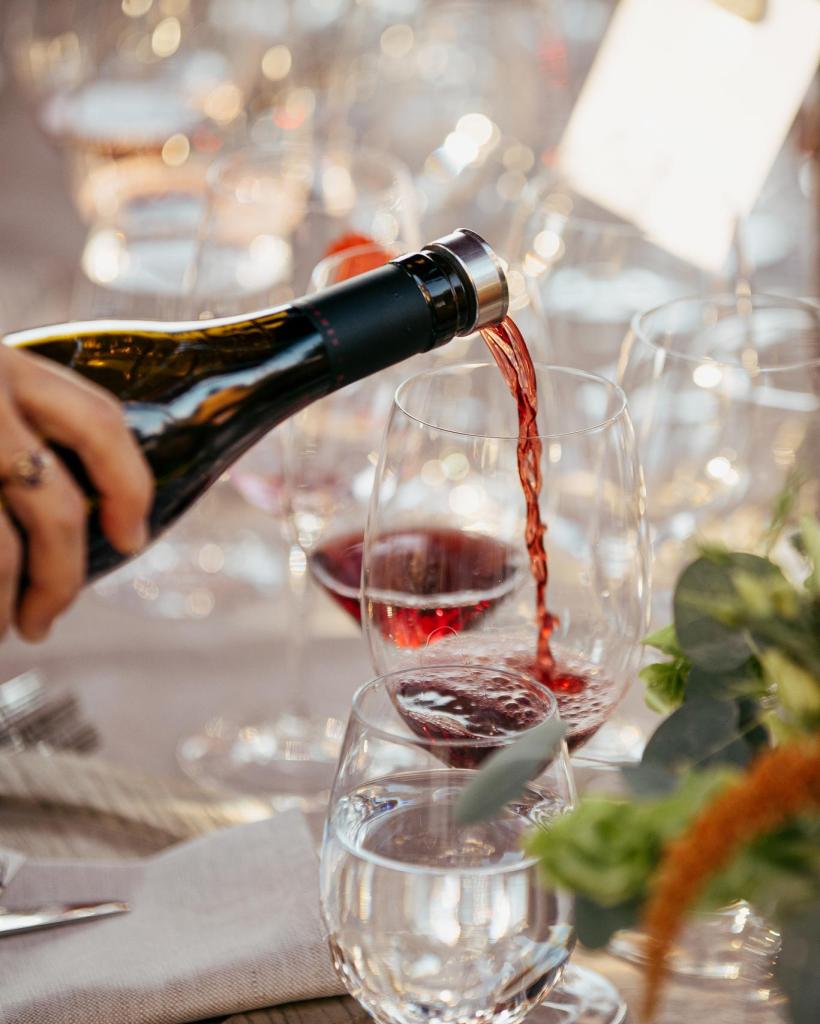
- Search for certifications: SIP Certified (“Sustainability in Practice”) wines are a good start on the Central Coast. Organic, biodynamic, and regenerative certifications require more work, but produce Earth-friendlier wines.
- Buy local: The shipping of wine is the industry’s largest carbon footprint. By buying local, your money stays in the community and eliminates unnecessary energy usage.
- Try out boxes and cans: Glass is costly to produce, purchase, ship, and recycle. Opt for the many good-quality wines that come in boxes and cans. They’re lighter, too!







You must be logged in to post a comment.