
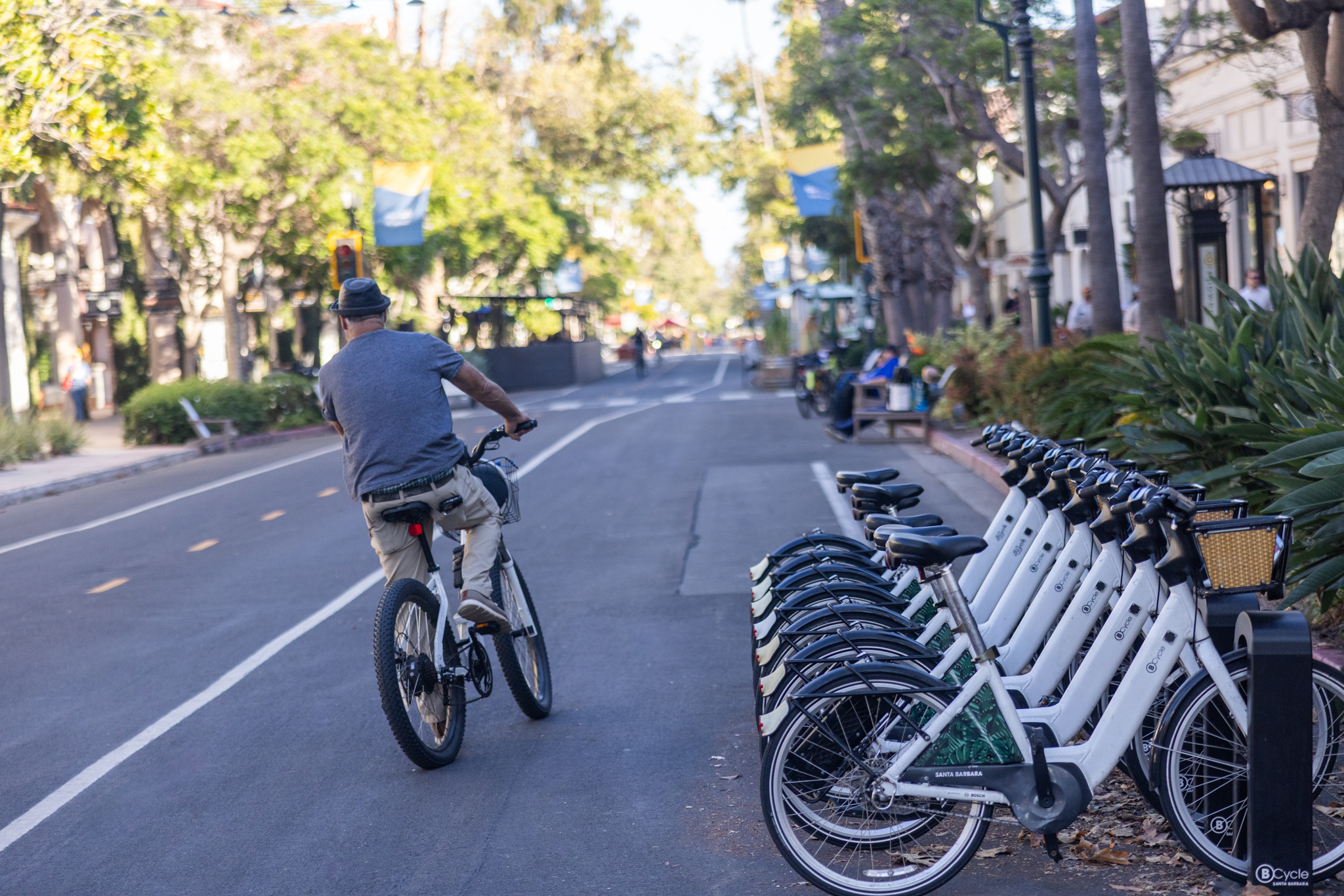
In a rare unanimous decision on State Street, the Santa Barbara City Council approved a plan to terminate the contract with the MIG — the consultant originally hired at a cost of $780,000 to handle the State Street Master Plan — to change course and bring in world-renowned architect and urban planner Stefanos Polyzoides, known as “the Godfather of New Urbanism,” to lead the city through the final planning stages.
Councilmembers and city staff considered the consultant swap a smart move, noting Polyzoides’s reputation as dean of the School of Architecture at the University of Notre Dame, cofounder of the Congress of New Urbanism, and planner behind both Pasadena’s Civic Center Master Plan and the Downtown Los Angeles Strategic Plan.
“I feel like this is finally a group that is going to deliver in a way that we haven’t seen before,” State Street Master Planner Tess Harris said during Tuesday’s council meeting.
Harris was quick to address the community frustration that came from the long, drawn-out planning process for the State Street Master Plan. “I share that frustration, I really do, and I would like to see this project move forward,” she said.
She mentioned the dueling petitions started by two Santa Barbara organizations, the Downtown Santa Barbara Improvement Association (DSBIA) and Strong Towns Santa Barbara, which asked community members to weigh in on the car-free versus one-way traffic debate.
“We need to finish the work,” Harris said. “Our community is demanding it. We’ve seen that from the two petitions that are out, we’ve seen it from the number of public comments that continue to come in month after month on State Street, and the divide that our community has had.”
While the council did not make any major changes — those decisions would be made after the city completed its circulation and public safety study — they unanimously agreed to end the contract with MIG, which was paid $510,000 to complete the design framework, surveys, analysis, and multiple early drafts of the State Street Master Plan. The city will now reallocate the remaining $210,000 from the previous contract, plus an additional $135,000 already set aside for State Street planning, to the new consultant, Moule & Polyzoides.
Harris explained that the previous consultant didn’t quite meet the city’s expectations, and city administrative staff made the decision that the best option would be to replace the consultant with a team that can bring a completed draft of the master plan to the public and city council in early 2026.
Moule & Polyzoides will handle the final documents, primary architectural designs, and the development of a “flexible multimodal street configuration” that will allow the City Council to decide on a final traffic configuration. The plan also includes a feasibility analysis for stormwater options for the 700 through 900 blocks of State Street.
Although the council did not officially discuss the traffic plans for State Street, representatives from the two downtown organizations revealed input from their respective petitions during public comment.
Tristan Miller of Strong Town Santa Barbara said the group’s online petition garnered 1,750 signatures, and an in-person petition at the Saturday Farmers’ Market netted another 1,000. After accounting for duplicate signatures, the organization said it had at least 2,500 residents from all across the city in support of a permanent, car-free State Street.
Sullivan Israel, who also spoke on behalf of Strong Towns, said the group received hundreds of comments representing people’s opinions about the current state of downtown. “Parents have told us it’s the only place downtown where their kids can run around or ride a bike freely, and older residents have told us that it’s finally a space where they can walk or use a wheelchair without worrying about traffic,” Israel said. “Many have said that the promenade has restored a sense of community and that they come downtown more often now because it’s calmer, more social, and full of life.”
DSBIA Executive Director Robin Elander said she received more than 820 signatures in less than two weeks, representing residents, business operators, real estate professionals, property owners who support a one-way traffic configuration with a “balanced, flexible design that advances economic vitality and restores a thriving downtown for everyone.”
She cited data from Placer.ai, which found that downtown may not be recovering to pre-pandemic levels as quickly as other districts. “Six hundred thousand fewer visitors are coming downtown per year compared to before the closure,” she said.
Councilmember Mike Jordan supported the plan for the new consultant, but warned that the city needed to make a clear decision on the short-term plans for downtown. “If we don’t have wins pretty soon, all we’re doing is bolstering the negative association with this process,” he said.
Mayor Randy Rowse echoed the frustration with the lack of progress with State Street and the impact on local businesses. “We’ve really hurt our credibility with the public in general,” he said. “It’s not producing the economy we need. And we can sit around and do polls and stuff all day long, but just go ask the county appraiser what these buildings are doing, and ask all the real estate guys what they’re charging per square foot rent, and ask them how many people turned down leases because it’s a closed street.”
The council approved the new consultant contract, with direction to return for a discussion on short-term solutions after the city completes its study on circulation and public safety.
Related Posts

Premier Events

Sat, Mar 14
7:00 PM
Santa Barbara
Red, White, & Blues II: The American Songbook
Sun, Mar 15
3:00 PM
Santa Barbara
Red, White, & Blues II: The American Songbook
Sat, Mar 28
7:15 PM
Santa Barbara
Santa Barbara Stargazing Tour

Sun, Mar 15
3:00 PM
Santa Barbara
Oscars 2026 Watch Party & VIP Reception
Tue, Mar 17
5:30 PM
Santa Barbara
SB Independent’s Annual St. Patrick’s Day Stroll 2026
Thu, Mar 19
6:00 PM
Santa Barbara
Chaucer’s Book Talk & Signing: Elizabeth Gilchrist
Sat, Mar 28
All day
Santa Barbara
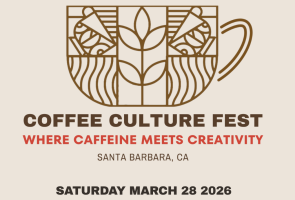
Coffee Culture Fest
Sat, Apr 18
11:30 AM
Goleta
The Santa Barbara Independent Backyard Brunch
Sat, Mar 14 7:00 PM
Santa Barbara
Red, White, & Blues II: The American Songbook
Sun, Mar 15 3:00 PM
Santa Barbara
Red, White, & Blues II: The American Songbook
Sat, Mar 28 7:15 PM
Santa Barbara
Santa Barbara Stargazing Tour
Sun, Mar 15 3:00 PM
Santa Barbara
Oscars 2026 Watch Party & VIP Reception
Tue, Mar 17 5:30 PM
Santa Barbara
SB Independent’s Annual St. Patrick’s Day Stroll 2026
Thu, Mar 19 6:00 PM
Santa Barbara
Chaucer’s Book Talk & Signing: Elizabeth Gilchrist
Sat, Mar 28 All day
Santa Barbara
Coffee Culture Fest
Sat, Apr 18 11:30 AM
Goleta

