

Chumash peoples have spent decades standing up to those who falsely claim our identity and profit from our culture.
A common argument we hear is, “Identity cannot be proven through colonial records.”
While it is true that colonization disrupted our families, every legitimate tribe requires genealogical records for enrollment. This is not an arbitrary rule, but a cornerstone protecting tribal sovereignty.
For example, the Santa Ynez Band of Chumash Indians requires proof of descent from a specific census roll and genealogical documentation, among other requirements. Real tribes do not accept membership based on hearsay or family stories alone. Genealogy is not optional; it is the foundation of tribal citizenship, sovereignty, and a protection against false claims.
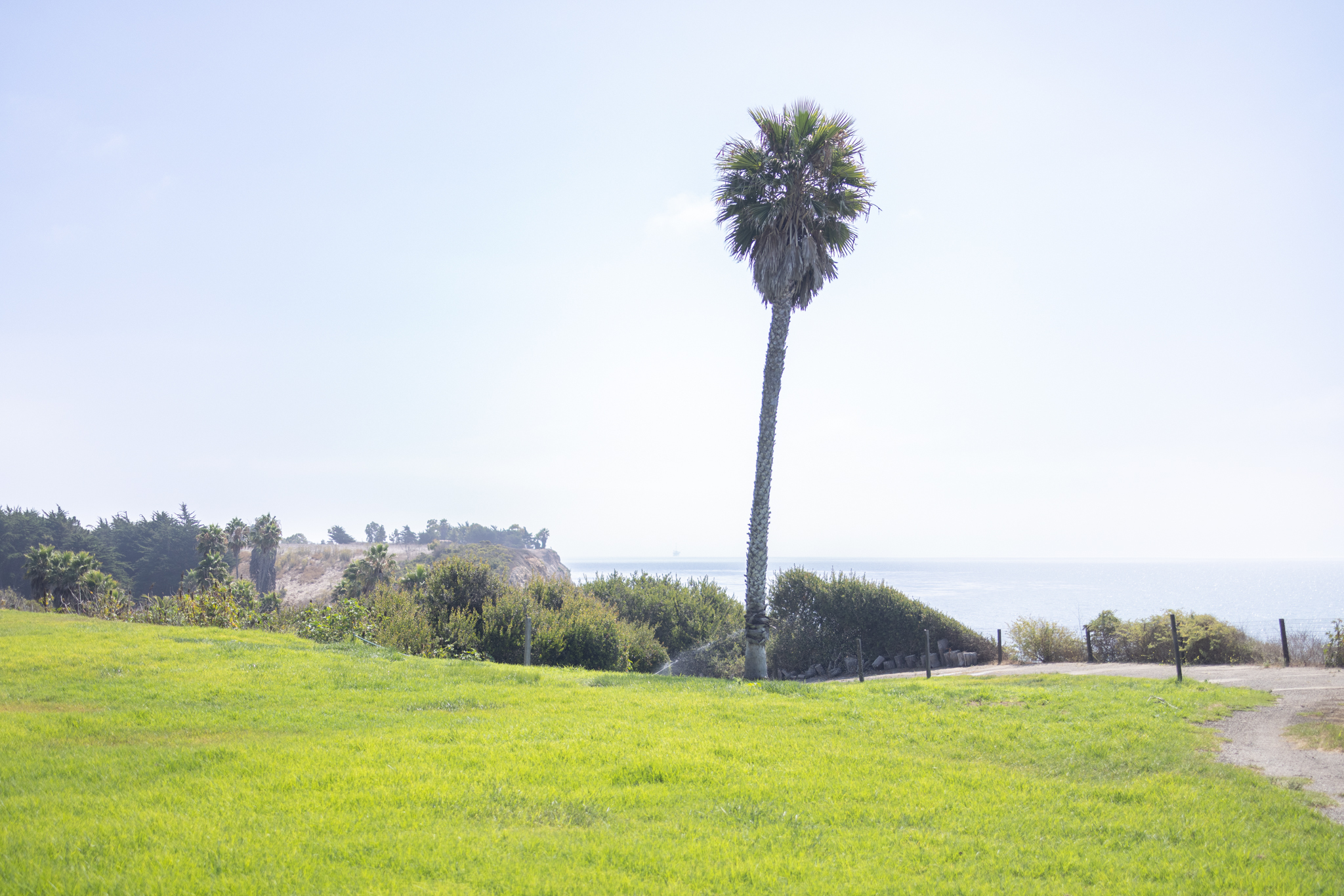
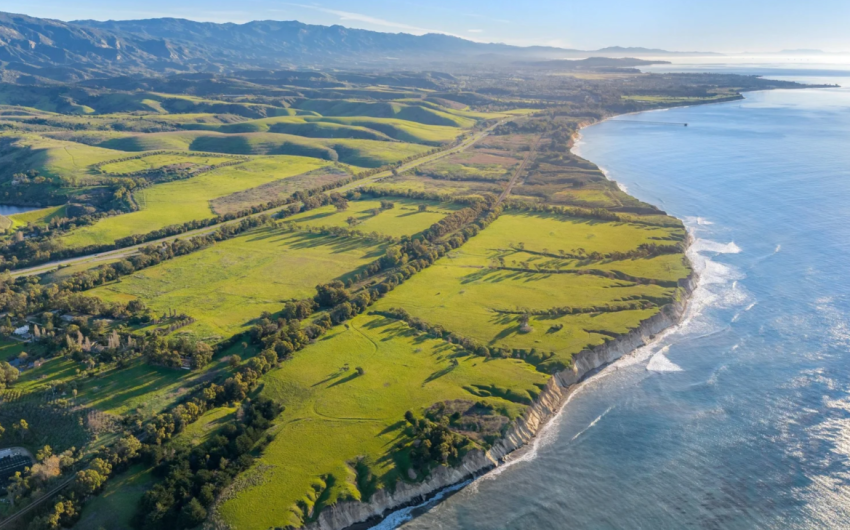
Now, Northern Chumash Tribal Council is in escrow to purchase a Chumash ancestral village, called Dos Pueblos. Nearly all Dos Pueblos descendant families vehemently oppose the Northern Chumash Tribal Council’s (NCTC) land acquisition of Dos Pueblos, calling the process unethical.
They argue that NCTC’s board cannot demonstrate verified Chumash descent and that most families who are legitimately Chumash and from Dos Pueblos were never contacted, informed, or included in the process.
NCTC Chair Violet Sage Walker is currently raising funds under the claim that the purchase benefits “the Chumash people.” Evidence, however, suggests it benefits a narrow circle — some with no proven genealogical ties to Dos Pueblos.
In 2015, Fred Collins — father of NCTC Chair Violet Sage Walker — sued the Salinan Tribe for $10 million for defamation after the tribe challenged his claimed Chumash ancestry.
Evidence submitted in Collins v. Salinan Heritage Preservation Association (San Luis Obispo County Superior Court, 2016) stated: “In conclusion, the evidence is conclusive that Fred Harvey Collins (b. 1949) is not of Chumash Indian descent or any other California Indian descent” (Collins v. Salinan Heritage Preservation Association, Exhibit B).
Even though Collins claimed he was Chumash, he provided no genealogical evidence to support his claim of being Chumash or California Indian. The case was ultimately dismissed.
As the granddaughter of Ernestine Ygnacio-De Soto, a Chumash Elder from Santa Barbara, and the great-granddaughter of Mary Yee, the last first-language speaker of Barbareño Chumash, my genealogy traces back over seven generations of Chumash ancestry connected to villages, including Dos Pueblos. I believe this is a matter of accountability and representation.
If this acquisition were truly “for the Chumash,” then all descendant families would be included. And why is a nonprofit governed by one family, a family whose Chumash identity is highly questionable, serving as the arbiter of this land?
This is not land back. It’s a land grab disguised as Indigenous stewardship, pursued for personal recognition and financial gain.
This is part of a broader crisis, the “fourth wave of settler colonialism” following Spanish, Mexican, and American dispossession, now expressed through race-shifting, or the false claiming of Indigenous identity.
In a Los Angeles Times article, Frank Rocha, whose nonprofit has gained more than $12 million by claiming a Chumash identity without genealogical evidence, stated, “We don’t have to prove this…. They’re not the Chumash police or the Chumash God.” That statement is revealing. Genealogical proof matters, and without it, these claims are nothing more than hearsay, a fabricated story retold for profit and personal gain. The real Chumash families are demanding truth, accountability, and an end to the exploitation of our identity.
Ethnic fraud, also known as pretendianism, is a growing phenomenon. This issue is discussed by author and lecturer Dina Gilio-Whitaker of California State University San Marcos in her 2025 book Who Gets to Be Called Indian? Ethnic Fraud, Disenrollment, and Other Hard Conversations About Native American Identity. Gilio-Whitaker explains how “Pretendians” (Pretend-Indians) often “downplay the power and relevance of government and tribal documentation to validate Indianness, often to the point of contempt.”
Impersonating our tribal affiliation and profiting off our culture has become pervasive. When people self-identify based on a fabricated story, they do more than tell a lie — they erase the voices of true Chumash families. And now, they are stealing our land.
Regina Gradias is the founder of Justice for Chumash LLC, with a mission to direct respect, recognition, and resources toward real Chumash tribes and descendant families, ensuring that representation and stewardship remain in the hands of the true people of this land. For more information, visit justiceforchumash.org.



You must be logged in to post a comment.